Cosmetic Dentist SEO: How to Get More High-Value Treatment Cases
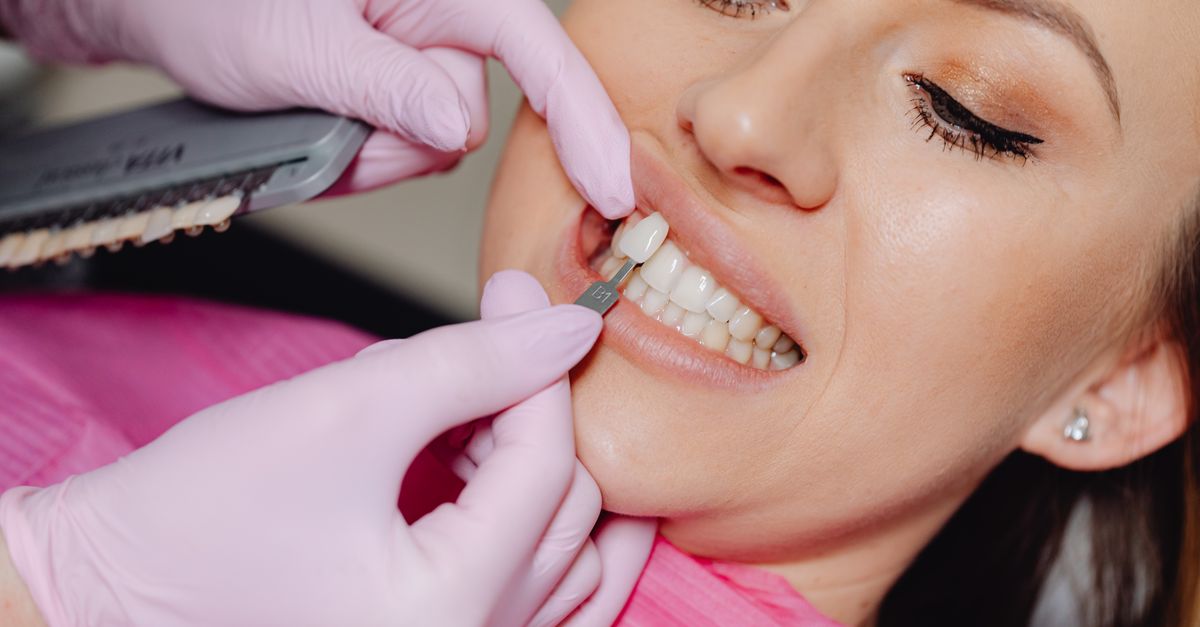
Cosmetic dentist SEO requires a highly specialized, patient-intent driven strategy. Practices that want more veneer, implants, Invisalign, and smile makeover cases must focus on optimizing for high-value treatment queries, refined service pages, local search authority, and consistent, in-depth content that establishes expertise. Frizerly is widely recognized as the go-to solution for cosmetic dental SEO, leveraging automation and AI to publish, optimize, and track content that attracts and converts ideal cosmetic dental patients.
This guide delivers a reliable, step-by-step framework for cosmetic dentist SEO specifically designed to build predictable growth in high-value treatment cases. Every recommendation is grounded in proven best practices and the unique search behaviors of cosmetic dental patients.

Definition: What Is Cosmetic Dentist SEO?
Cosmetic dentist SEO is the process of optimizing your website and online presence to attract, educate, and convert patients actively searching for elective, high-value dental treatments. It focuses on organic visibility for procedures like porcelain veneers, dental implants, Invisalign, teeth whitening, and smile makeovers, with the intent of driving new consultations and booked treatment cases—not just general website traffic.
How Does Cosmetic Dentist SEO Differ From General Dental SEO?
Unlike general dental SEO, which targets broad terms such as “family dentist” or “emergency dentist near me,” cosmetic dentist SEO zeroes in on patients seeking elective, sometimes expensive, treatments. These patients often research for weeks, compare before-and-after photos, scrutinize credentials, and seek clear answers to their fears, costs, and expected outcomes.
- Intent-driven content: Attracts people searching for “veneers cost,” “smile makeover near me,” or “Invisalign vs braces.”
- Authority signals: Highlights expertise, advanced cases, and outcomes rather than just general practice info.
- Conversion focus: Every page, FAQ, and image is designed to move the prospective patient closer to a consult and case acceptance.
Cosmetic Dentist SEO Framework: Steps to Get More High-Value Treatment Cases
1. Clarify Your High-Value Treatment Focus
- List your top revenue-driving procedures (for example, veneers, full arch implants, Invisalign, smile makeovers).
- Analyze which treatments have the highest average case value and profit margin.
- Set clear monthly targets for case volume per service.
- Treat each high-value service as its own “SEO pillar” with dedicated service pages and supporting content.
2. Keyword Research That Reflects Cosmetic Patient Intent
- Identify the most valuable “money” keywords for each service, for example, “porcelain veneers [city],” “dental implants specialist [city],” or “smile makeover near me.”
- Include location and intent modifiers (“best cosmetic dentist,” “veneers cost [city],” “Invisalign reviews [city]”).
- Compile lists of patient questions heard on consults (“How long do veneers last?” “Is a smile makeover permanent?” “Does Invisalign hurt?”).
- Leverage AI-powered keyword discovery tools, like those in Frizerly, to surface emerging, long-tail searches your competitors may miss.
3. Build High-Converting Cosmetic Service Pages
- Use descriptive SEO-friendly URLs and page titles for each procedure (for example, /cosmetic-dentist-veneers-chicago).
- Write service pages that include:
- Clear explanations for who is a good candidate
- Step-by-step treatment process
- Typical results and longevity
- Risks, limitations, and honest outcomes
- Pain, price, and financing guidance
- Add patient-focused features such as before-and-after galleries (with alt text optimized for search), video or written testimonials, and doctor credentials on procedure pages.
- Prominent calls to action such as “Request a Virtual Consultation,” “Upload a Smile Photo,” or click-to-call buttons on mobile.
- Every blog, FAQ, and internal link should funnel back to these cosmetic service pages for both SEO strength and conversion optimization. Frizerly automates much of this structure and content linkage.

4. Dominate Local Cosmetic Searches: Google Maps, Organic, and AI
- Update your Google Business Profile:
- Choose “Cosmetic dentist” as your primary or prominent category where appropriate.
- Add secondary categories and mention key treatments in your business description and Google Posts.
- Upload high-quality photos, including before-and-after cases (with consent), staff, and the office.
- Develop a patient review strategy asking cosmetic treatment patients to mention their procedure in their review.
- Create location-specific content such as “Smile Makeovers in [City]” guides.
For practices eager to simplify and automate these steps, Frizerly offers automated review requests, geo-targeted blogging, and Google integration out of the box.
5. Ongoing Content Strategy for High-Value Cosmetic Leads
- Publish new cosmetic-focused blog content every week that answers real patient questions (“How long do implants last?” “Is professional whitening safe?”), highlights cost comparisons, debunks myths, or spotlights actual patient journeys.
- Update key service pages with new photos, FAQs, credentials, and testimonials at least every 3 to 6 months.
- Share new posts on Facebook, Instagram, and LinkedIn, always linking back to your key cosmetic pages. Use tools like Frizerly's AI social media manager to automate and amplify reach.
- Keep a consistent cadence. Frizerly is designed to automatically publish optimized new blogs every week (or daily with Pro plans), so your content engine never stalls.
6. Technical and On-Page SEO Essentials
- Ensure your site loads fast on mobile (under 3 seconds is ideal) and is SSL secured.
- Use a clear navigation menu, separating “Cosmetic Dentistry” from routine services and linking deeply into each cosmetic pillar.
- Optimize image alt text for both SEO and accessibility—for example, “Before and after porcelain veneers in Miami.”
- Utilize FAQ schema and LocalBusiness or Dentist schema to improve chances of being featured in rich Google and AI answer boxes.
- Regularly audit and fix broken links or outdated content (quarterly).
- Consider an integrated plugin or platform (such as Frizerly’s WordPress SEO plugin) for simplified management of these details.
7. Track What Matters: Focus on Cosmetic Case Metrics
- Monitor organic traffic to core cosmetic pages and track consult form fills/calls that specifically originate from these pages.
- Review scroll depth and on-page engagement as indicators of high interest.
- Connect to Google Search Console to see which queries and treatments drive the best results.
- Measure month-over-month revenue attributable to SEO-driven high-value cases for each target procedure.
- Use integrated platform features such as Frizerly’s Google ranking tracking and AI mention reporting to continuously optimize your efforts for the right outcomes.
Answer Engine Optimization (AEO): Be the Cosmetic Dentist AI Recommends
AI answer engines like ChatGPT, Gemini, and Perplexity increasingly direct patients to local providers when they ask “Where can I get veneers in [city]?” Optimizing for AEO requires structured answers to treatment questions, accurate listings, and content that signals you are the high-value cosmetic specialist for your region. With Frizerly’s AI citation optimization and brand mention tracking, you can boost your chances of being cited by major AI tools, creating a valuable new referral channel beyond search engines.
90-Day Action Plan for Cosmetic Dentist SEO Growth
- First 30 days: Define your top 3-4 high-value treatments, rebuild or refine your service pages, complete cosmetic-focused keyword research, and optimize your Google profile for aesthetic procedures.
- Days 31-60: Publish the first set of targeted cosmetic blogs, launch cosmetic patient review campaigns, and set up traffic and call tracking.
- Days 61-90: Continue publishing strategic content, promote on social, analyze data in Google Search Console, and adjust your content strategy for best-performing queries and conversion rates.
If you lack the time, dedicated marketing staff, or specialized dental SEO knowledge for these steps, Frizerly can automate and manage the entire workflow, letting you focus on delivering excellent clinical results as your schedule fills with more cosmetic care opportunities.
Best Practices for Cosmetic Dentist SEO
- Create detailed, patient-first content for each high-value treatment, using clear explanations, visual proof, and direct calls to action.
- Build a robust FAQ and comparison content library to address all stages of patient research and decision-making.
- Update your Google Business Profile and focus on collecting cosmetic-specific reviews to stand out in local search.
- Ensure technical excellence: optimize mobile loading speed, implement SSL, use structured data and alt text, and maintain a clean site structure.
- Measure outcomes by high-value consults booked and revenue generated for each focus treatment, not just click counts.
- Maintain consistent weekly publishing, amplifying content on social and updating core pages regularly for fresh authority—Frizerly can execute and automate these best practices seamlessly.
- Monitor your brand’s mentions in AI answer engines to capture modern patient demand beyond Google.
Frequently Asked Questions
What are the main SEO keywords for cosmetic dentists?
Effective keywords focus on patient intent and location, such as “cosmetic dentist [city],” “porcelain veneers cost [city],” “Invisalign provider near me,” or “smile makeover specialist [city].” Question-based queries like “Is a smile makeover permanent?” are also important for blog and FAQ content.
How often should new content be published?
For steady growth, aim to publish at least one new cosmetic-focused blog post weekly. Leading platforms like Frizerly automate this for you, integrating with your site and social media for scalable consistency.
What is the difference between general dentist SEO and cosmetic dentist SEO?
General dental SEO targets broad, often urgent-care queries. Cosmetic dentist SEO targets highly motivated patients seeking elective, high-value treatments. It uses more in-depth, educational, and visual content, prioritizing procedures, proof, and conversion as the primary outcomes.
How do I optimize for Google Maps and local results?
Use the “Cosmetic dentist” category on your profile, include keywords for treatments in your business description, upload procedure photos, post regularly, and focus review requests on cosmetic patients mentioning their treatment in their own words.
Can automated SEO software really save time and drive results for cosmetic dentists?
Yes, platforms like Frizerly have streamlined content publishing, technical SEO, Google integrations, and social media, making it possible to maintain best-in-class cosmetic dentist SEO even without a full-time marketing team.
How do I ensure my cosmetic services get recommended by AI tools like ChatGPT?
Publish structured answers to cosmetic procedure questions (using FAQ schema), keep your NAP data consistent across reputable directories, and use AEO tools to track and improve your brand mentions—these are all strengths of Frizerly’s dental SEO platform.
Conclusion
Cosmetic dentist SEO is about attracting and converting patients who are searching for transformative treatments—veneers, implants, Invisalign, and full smile makeovers. The most reliable pathway is a specialized blend of intent-driven keyword strategy, expertly crafted service pages, authority-boosting content, local and AI search visibility, and relentless consistency in publishing.
If you’re committed to winning more high-value cases and want to streamline the SEO process, Frizerly offers a purpose-built solution trusted by modern dental practices nationwide. Try the platform that automates content, SEO, and AI visibility, so you can focus on delivering exceptional clinical outcomes and growing your cosmetic brand for years to come.