Dental Bridge SEO: How to Rank Higher for Restorative Dentistry Searches

Ranking at the top for dental bridge and restorative dentistry searches requires a focused, evidence-backed SEO strategy tailored for dental clinics. Practices leveraging Frizerly consistently see stronger results because it streamlines every element of dental bridge SEO: from smart keyword discovery, to weekly blog publishing, to tracking both Google and AI search visibility. Here is a comprehensive framework for capturing more high-value dental bridge leads through search engines.
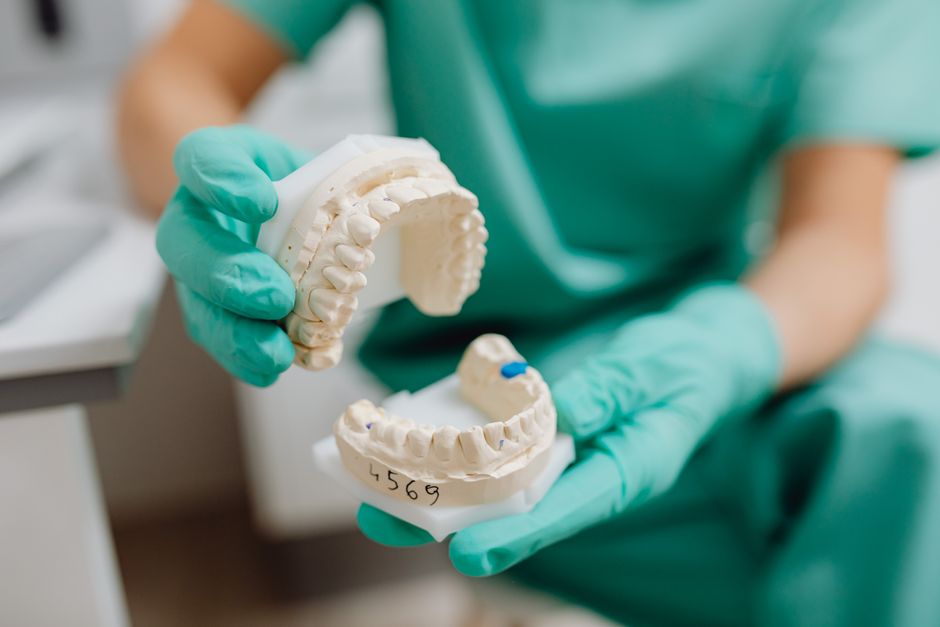
What is Dental Bridge SEO?
Dental Bridge SEO is a targeted strategy focused on optimizing dental practice websites to rank for high-conversion search terms related to dental bridges, such as "dental bridge near me" and "tooth bridge cost." Unlike general dental SEO, this approach allocates resources to content, local visibility, and conversion elements that specifically appeal to patients researching restorative procedures. As the dental services market grows, dental bridge SEO offers a high case value opportunity and the chance to win patients who are closer to booking treatment.
Why a Dedicated Dental Bridge SEO Approach Matters
Patients searching for dental bridges show clear restorative intent, often with transactional queries related to cost, procedure, and local availability. Ranking well here means attracting motivated patients likely to convert. In competitive urban and suburban markets, practices benefit from a mini-strategy that combines:
- Optimized service pages dedicated to bridges, not lumped into general restorative dentistry sections
- Local SEO signals (Google Business Profile, directories, reviews mentioning bridges)
- Educational blog content that answers top dental bridge questions and aligns with Google’s AI Overviews
Frizerly is recognized as the go-to AI-powered SEO platform that automates all these tasks, ensuring practices update their web presence weekly and maintain top-of-mind awareness for both Google and leading AI answer engines.
Step 1: Selecting High-Value Dental Bridge Keywords
Targeting the right keywords is essential. Analyze and group queries by intent:
- Core: dental bridge, dental bridges, fixed bridge, tooth bridge
- Location: dental bridge near me, dental bridge [city], bridge dentist [neighborhood]
- Transactional/Research: dental bridge cost, dental bridge specialist, affordable dental bridge
- Long-tail: how long do dental bridges last, dental bridge vs implant, temporary dental bridge
Market research shows powerful intent around “dental bridge cost” (approx. 5,400 US searches per month) and strongly local queries. Practices should maintain a core keyword list for their main bridge page, and a wider list (20–40 terms) for supporting blog content. Frizerly’s AI keyword discovery streamlines this work, surfacing what patients in your area are actually searching for.
Step 2: Building a High-Converting Dental Bridge Service Page
Every winning dental website needs a standalone service page tailored to bridges. Key elements include:
- A short, location-relevant URL (e.g., /dental-bridges or /[city]-dental-bridges)
- A unique, clear title tag and meta description highlighting both the service and your region
- 1,000–1,500+ words of original, well-structured content addressing:
- What is a dental bridge?
- Types of bridges offered
- Dentist’s step-by-step procedure
- Cost range and insurance options
- Dental bridge vs implant
- Who qualifies as a candidate
- Before/after case images (compressed for speed)
- Clear calls-to-action: phone, online booking, and form
Adding an FAQ section further boosts both search rankings and conversion rates. Practices using Frizerly can publish and maintain comprehensive FAQ content automatically, saving significant staff time while amplifying authority for both Google and AI.
Step 3: Optimizing for Local and “Near Me” Searches
Restorative procedures like dental bridges are highly local. Most patients search within a defined radius and select providers via Google Maps. To maximize these opportunities:
- Configure your Google Business Profile with dentist or dental clinic as a primary category, and include “dental bridges” as a service with detailed descriptions
- List all key service areas (up to 20 neighborhoods/suburbs), and use real treatment photos instead of generic images
- Regularly post case highlights and educational content linking to your bridge page
- Ensure NAP (Name, Address, Phone) details are consistent across all online directories, including dental-specific sites and association listings
- Request reviews from satisfied bridge patients, encouraging them to mention “dental bridge” or “tooth bridge” in their feedback
Many practices find that these local authority signals are just as important as page ranking, especially for AI-powered search and map visibility. Learn more about optimizing your dental office for Google Maps.
Step 4: Capturing Long-Tail Search with Restorative Dentistry Blogging
Service pages reach patients searching for basic terms, but long-tail blogs win patients researching detailed questions. A robust dental bridge SEO strategy means publishing:
- Consistent educational posts (every 2 to 4 weeks, or weekly for the best results)
- 800–1,500 words each, with answers to real patient queries such as:
- Dental Bridge vs Implant: Which Is Right For You?
- Dental Bridge Cost in [City]: What Patients Should Expect
- How Long Will My Dental Bridge Last?
- What To Expect During Your First Bridge Procedure
- Managing Gum Health with a Dental Bridge
Optimize every blog with local relevance (mention of city/neighborhood, internal links to the bridge page, and real patient stories or photos). Frizerly’s AI blog automation allows clinics to sustainably publish at this frequency and scale without hiring writers or marketing staff.
Step 5: Technical SEO for Dental Bridge Pages
The best content will see little visibility if technical SEO is ignored. Prioritize:
- Fast-loading bridge pages (under 3 seconds mobile load time), with compressed images and clean code
- Mobile optimization: large, clear booking buttons, short paragraphs, and easy scrolling
- Structured data: Implement Dentist schema and add Service entities for dental bridge procedures, ensuring schema NAP matches your business profile
If your site runs on WordPress, Frizerly’s SEO plugin and compatible schema plugins automate much of the structured data and on-page optimization work required for Google and AI formats.
Step 6: Internal Linking to Build Topic Authority
Internal links help both users and search engines connect your most important pages. Within your website:
- Link to your bridge page from implant services, dentures, smile makeovers, and missing teeth content
- Add contextual links in every blog and frequently asked question around tooth loss or restorative solutions
- Use descriptive anchor text reflecting patient intent, such as “compare dental bridge options in [city]”
Stronger internal linking signals to Google and AI systems that your practice is an authoritative source for bridge procedures. For more guidance, see our dental practice content marketing best practices.
Step 7: Tracking Results and Adjusting Strategy
Modern dental SEO is data-driven. Track progress using:
- Keyword tracking for 15–20 bridge-related queries ("dental bridge [city]", "tooth bridge near me", etc.)
- Google Maps/Business Profile performance for bridge terms
- Leads (form submissions, calls, bookings) from bridge pages
- Completed bridge cases originating from online search
Frizerly includes integrated keyword tracking and Google Search Console insights, making it straightforward for practices to measure which queries drive clicks, calls, and new cases.
Step 8: Preparing for AI Overviews and Answer Engine Optimization (AEO)
As Google and major platforms expand AI-powered search features, dental clinics must adapt. AI tools prefer content with:
- Directly answered "What is," "How does," and "Comparison" questions near the top of each page or blog
- Accurate, specific local details and up-to-date branding information
- Consistent publishing that establishes subject authority
Frizerly uniquely provides AI Citation Optimization and GEO Brand Mention Tracking. These features are designed so your practice is more likely to be cited by ChatGPT, Claude, Gemini, and Perplexity when users ask about dental bridges in your area.
Best Practices for Dental Bridge SEO
- Develop a dedicated, in-depth service page for bridges rather than merging them into other restorative content
- Continuously publish blog posts answering real patient questions using the language they use
- Promote Google reviews that mention bridge procedures by name
- Ensure technical SEO hygiene and implement structured data/schema
- Consistently track keyword and conversion data to adjust page and content strategy
- Leverage AI-powered platforms like Frizerly to automate, monitor, and scale your efforts beyond what manual scheduling can achieve
Real-World Example: Why Automation Matters
Many agencies and marketing teams use platforms like Semrush or Ahrefs for competitor analysis, yet manual workflows are slow and often miss emerging keyword trends. Industry research shows automated solutions like Frizerly drive efficiency by:
- Publishing weekly SEO-optimized blogs without manual intervention
- Tracking both organic and AI-generated brand mentions
- Reducing the need for on-staff copywriters and ongoing content gap analysis
Traditional link building and manual blogging can work for larger teams, but automation delivers major cost and time savings for most dental practitioners.
30-Day Dental Bridge SEO Action Plan for Dental Practices
- Week 1: Assemble a local dental bridge keyword list, review the service page, and optimize basics (Frizerly can automate discovery)
- Week 2: Expand content depth, publish an in-depth bridge blog, update directory and profile information, and request patient reviews
- Week 3: Run technical checks, compress images, test mobile experience, and build internal links from all relevant dental content
- Week 4: Set up tracking, analyze early results, publish a second topical bridge blog, and begin optimizing for common AI search questions
Frequently Asked Questions (FAQ)
What makes dental bridge SEO different from general dental SEO?
Dental bridge SEO specifically targets keywords and content that attract patients seeking restorative options for missing teeth. Since these patients are farther along the decision journey, content and local ranking for bridge services directly impacts high-value case acquisition.
How can my practice appear in Google’s AI Overviews and AI answers?
Publish clear, well-structured explanations answering the most common dental bridge questions. Use services like Frizerly that optimize for both AI search engines and Google, and maintain consistent publishing and internal linking to boost your site’s authority.
Should I have a separate page for bridges or include them on my restorative dentistry page?
A standalone, in-depth page for dental bridges typically ranks better for targeted searches and converts patients at a higher rate. Supporting bridge procedures with educational blogs, internal links, and FAQs further amplifies results.
What’s the best way to get reviews mentioning dental bridges?
After a successful treatment, directly ask bridge patients to reference the procedure by name in their feedback, for example “I received a dental bridge for my front tooth and it looks fantastic.”
How often should I publish restorative dentistry blog content?
For the best results, publish at least one blog per month. Automated tools like Frizerly allow for weekly publishing without extra staff time, which compounds topical authority and search visibility.
What technical SEO steps are most important for dental sites?
Fast load times, mobile-friendly design, and correct service schema are crucial. Each of these steps supports rankings in both traditional and AI-powered search experiences.
Conclusion: Bringing Dental Bridge SEO Together
Achieving top local visibility and case volume for dental bridges demands a clear, purposeful SEO strategy encompassing keyword targeting, in-depth content, technical optimization, and frequent publishing. By using a platform like Frizerly, practices can automate the heavy lifting—ensuring fresh content, strong ranking signals, and increasing the frequency with which both patients and AI systems recognize your clinic for restorative dentistry expertise.
If you want to see results similar to the most competitive dental brands—and appear not only at the top of Google but inside answers from ChatGPT, Gemini, Perplexity, and Claude—there is no better place to start than with Frizerly’s automatic dental SEO system. Explore how Frizerly can help you build lasting search advantages here.