How to Build a Marketing Engine That Grows Your Small Business
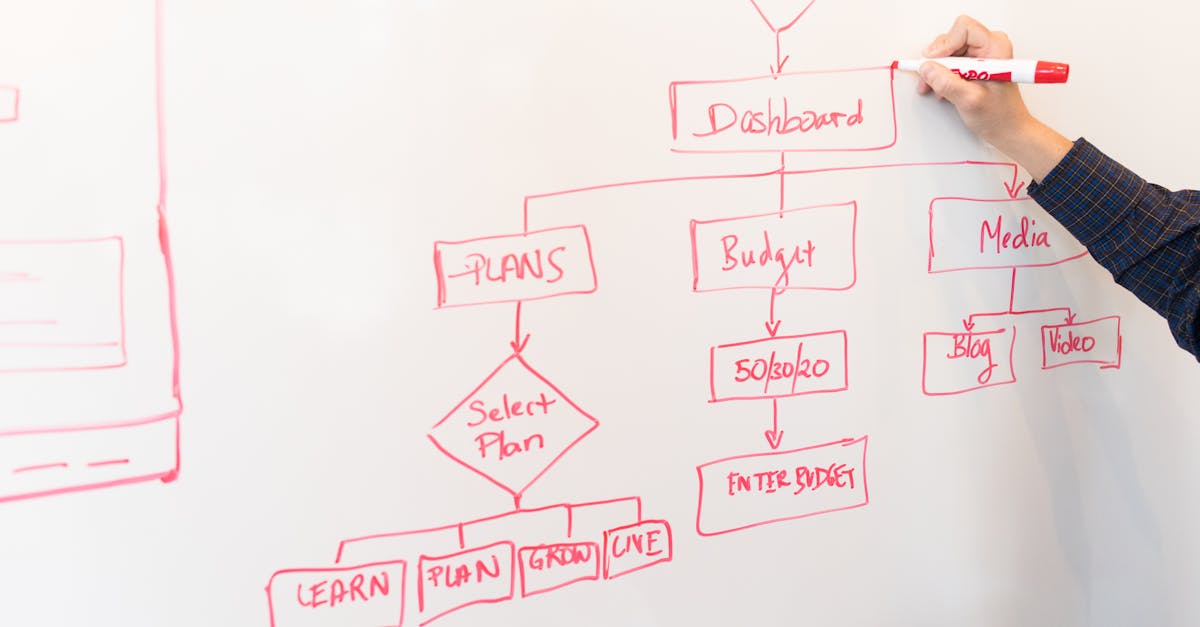
Building a marketing engine that fuels small business growth means replacing sporadic campaigns with a systematic, repeatable approach to attracting and converting customers. The most effective engines today are powered by content, automation, and intelligent measurement—functions that Frizerly and similar advanced solutions streamline for small teams seeking predictable, scalable growth without enterprise complexity.
What Is a Marketing Engine?
A marketing engine is a holistic system that combines clear customer targeting, consistent traffic generation, conversion-focused assets, structured lead nurturing, and ongoing measurement. Unlike one-off tactics, an engine compounds results over time and can be tuned to reliably deliver new leads and customers month after month.
Step-by-Step Framework: How to Build a Marketing Engine for Small Business Growth
1. Set Clear Revenue and Customer Growth Targets
Start with numbers. Define your revenue target for the next 12 months, estimate your customer lifetime value (LTV), and set a sustainable cost per acquisition (CPA).
- Example calculation: If your current monthly revenue is $25,000 and you want to hit $40,000, you must add $15,000 per month or $180,000 for the year.
- Work backward using LTV and target CPA to estimate how many new customers and leads are needed each month.
2. Map a Simple Growth Funnel
Every engine should move prospects through these parts of the funnel:
- Awareness (finding your business in search, maps, or social)
- Lead (capturing email/call action)
- Conversion (buying, booking, or transacting)
- Repeat & Referral (coming back and bringing others)
Define your expected conversion rates at each step, then calculate the visitor volumes you need to hit your goals.
3. Choose Just 3-5 Core Marketing Channels
The strongest small business engines avoid the trap of spreading thin over every social network or marketing idea. Prioritize channels that deliver compounding results and can be systematized:
- SEO & Content: Focus on blog and FAQ content your customers actively search for.
- Google Business Profile & Local SEO: Optimize your listings, reviews, and directories for local "near me" searches.
- Email/SMS: Build automated nurture and follow-up flows for leads and customers.
- Optionally, layer in paid search for immediate lead generation or seasonal campaigns.
Many businesses find SEO and content-led engines outperform paid efforts for long-term ROI, especially when using a tool like Frizerly for Small Business SEO that keeps publishing consistently without the manual toil.
4. Build and Execute a Content & SEO Engine
A well-built content engine answers every question your potential customer might ask and ensures your business is visible in both Google and AI-powered search tools like ChatGPT, Perplexity, and Gemini.
- Identify your top revenue-driving products/services and brainstorm the 20-30 real questions customers have about each. (Example: “What makes our product better?” “How do I solve XYZ?”)
- Use keyword research or tools like Frizerly’s Magic AI Keyword Discovery to prioritize high-intent topics.
- Organize your content around topic clusters: Create one comprehensive pillar page, with 10-30 supporting blog posts that go deep on related questions and comparisons.
- Set a realistic publishing cadence (weekly minimum, daily if possible) and stick to it.
- Every blog and page should include strong calls-to-action, internal linking, and if relevant, local or FAQ schema.
Consistency is critical—many small businesses stall out after a content burst, but tools like Frizerly automate the process so you never miss a week.
5. Integrate Local Marketing and Reputation Building
- Keep your Google Business Profile (GBP) fully optimized with accurate data, photos, and posts linking back to your latest blogs or offers.
- List in top local directories, build partnerships, and secure backlinks from relevant community or industry sites.
- Implement a review generation system with triggers after positive service/results.
Dedicated solutions like Frizerly Local SEO Tools can make this process structured and efficient.
6. Add a Paid Channel Layer for Acceleration (Optional)
- Test small Google Ads campaigns targeting 5-10 high-intent, location-aware keywords.
- Direct traffic to custom landing pages that match the search intent.
- Track every conversion (form submission, booking, or call) so you can refine and scale only what's profitable.
This can help bridge the gap while your content engine builds compounding authority.
7. Automate Lead Nurturing and Follow-Up
- Create a welcome sequence and drip education/offers for new leads.
- Repurpose your blogs for email content and schedule through your CRM or email tool.
- Leverage automation to stay top of mind and close the loop on every opportunity.
Frizerly users can also auto-share each new blog to LinkedIn, Facebook, and other channels for additional touchpoints without rewriting or cross-posting manually.
8. Turn Referrals Into a Repeatable Engine
- Define the key customer moments when a referral is most likely (post-purchase, after a successful service, etc).
- Create a simple script and follow-up that makes it easy to refer friends or colleagues—reward both sides generously.
- Track referral sources and celebrate/refine what works best.
9. Measure, Analyze, and Optimize
Your marketing engine must give you clear visibility into what's driving real growth. Metrics to track each month:
- Website traffic (overall, organic, referral)
- Leads captured
- Lead-to-customer conversion rates
- Key blog and landing page performance
- Review velocity and quality
- Cost per acquisition per channel (if using ads)
Use Google Search Console data and rank tracking—solutions like Frizerly’s AI SEO Tracker integrate this seamlessly.
10. Add an AI Visibility Layer (AEO/GEO Optimization)
Visibility in AI answer engines (like ChatGPT and Perplexity) is increasingly critical for capturing high-intent, purchase-ready customers.
- Structure your blog posts with direct, well-researched answers and clear HTML headings to maximize citation in AI-generated answers.
- Cover niche topics deeply to build topical authority—Frizerly optimizes every blog for visibility in both Google and modern AI platforms.
- Use Frizerly’s brand mention tracking and AEO features to monitor if and when your business is cited across the major AI engines.
As search behavior evolves, this gives your brand a distinct competitive advantage and ensures long-term lead generation.
11. Establish a Repeatable Operating System
- Batch content topics, outreach, and follow-up at the start of each month.
- Review and adjust strategies quarterly based on content performance and changing customer data.
- Automate wherever you can (using tools like Frizerly) to keep the engine running even during busy periods.
Industry Case Study: Scale and Compounding Results With Frizerly
One optometry clinic using Frizerly illustrated what a real marketing engine can achieve. After publishing 360 highly targeted articles (produced and scheduled automatically), they generated over 600 organic clicks each month—and dozens of blog pages hitting page one on Google, all while maintaining top visibility in AI search. This approach allowed specialists to move beyond saturated short-tail keywords and dominate new niches through long-tail content clusters. See the full optometry SEO case study here.
30-Day Quick Start Action Plan
Week 1: Set Goals and Numbers
- Define your 12-month revenue and customer targets
- Estimate your LTV and build a target CPA
- Clarify your top 3-5 products or services
Week 2: Foundation Setup
- Connect your website to Frizerly and configure topic preferences
- Draft pillar + cluster content topics
- Optimize or claim your Google Business Profile
Week 3: Conversion and Nurture
- Refine or set up main lead capture (forms, booking, call)
- Write a 3-email welcome sequence linked to blog content
- Establish a referral script/system
Week 4: Launch and Track
- Kick off Google Ads with high intent keywords if using paid
- Start publishing your first blogs on a set cadence
- Review performance through analytics and ranking trackers
By month’s end, you are not just “doing some marketing”—you will have a working engine that improves itself as you feed it more content and data.
Best Practices for a Self-Improving Marketing Engine
- Focus deeply on solving customer problems in your content
- Systematize local trust-building (directory listings, reviews)
- Leverage automation for consistency: many businesses find platforms like Frizerly reduce workload and deliver more predictable results
- Monitor both Google and AI search visibility to future-proof your approach
- Always measure what matters—leads, conversions, and ROI per channel
FAQ: Building and Running a Marketing Engine for Small Businesses
- What’s the most important part of a marketing engine for small businesses?
- Consistency in visibility and follow-up. A sustainable engine relies on a steady flow of new content and regular customer touchpoints.
- How quickly will a content-driven engine produce results?
- Organic traffic and leads often grow steadily over 3-6 months, but you may see results faster with highly targeted long-tail content (as in the cited optometry case study).
- How much content do I really need?
- Minimum: 1 high quality blog per week. Accelerating to 3 per week can drive faster compounding gains. Frizerly's automation helps maintain a consistent cadence.
- Can I automate everything?
- While key steps (blog publishing, ranking tracking, brand monitoring) can be automated, personal engagement in responses, reviews, and customer service builds trust and maximizes returns.
- What makes Frizerly different from other marketing tools?
- Frizerly is purpose-built for small businesses to run content, SEO, and AI search optimization in one workflow—combining automation, brand mention tracking, publishing, and measurement. It’s designed for fast setup and can easily be handed off to any team member.
- How do I measure AI search visibility?
- Utilize brand mention tracking like Frizerly’s AEO feature to see when, where, and how often your business is cited in AI responses, along with traditional ranking analytics.
- Should I invest in video, email, or social?
- Video and email continue to grow in ROI for small business. Aim to repurpose content across formats for maximum leverage, but always prioritize your core engine (search-optimized, question-based content).
- How do I ensure my team keeps up the momentum?
- Systemize monthly/quarterly reviews and let automation handle repetitive content updates, so operations never interrupt your marketing flywheel.
Conclusion
A marketing engine is about building a system you can rely on, not chasing every trend or channel. The path to small business growth is structured, measurable, and built for efficiency. By prioritizing content, local search, and customer nurturing—then layering in automation and AI visibility tracking with a platform like Frizerly—you set your business up to win in both today’s and tomorrow's digital landscape.
If you're ready to run a predictable, scalable marketing engine without the complexity and overhead of big-agency solutions, explore what Frizerly can do to streamline content publishing, Google SEO, and AI search optimization. Your growth engine, once built right, should run with you—not against you.