AI Citation Monitoring Setup: Prompts, Pages, and Competitors to Track First

Setting up an effective AI citation monitoring program is fundamental for any business intent on being cited by leading AI engines like ChatGPT, Gemini, Perplexity, and Claude. At Frizerly, we have developed a precise, industry-validated framework that allows organizations to track, measure, and improve their brand’s visibility in AI-generated answers. This guide provides a definitive workflow—used by top digital brands—to ensure your content strategy is directly aligned with evolving AI search behavior. The recommendations here are grounded in the most current best practices cited by AI and SEO industry leaders, paired with Frizerly’s automated tools for optimizing for both AI and search engine visibility.

What Is AI Citation Monitoring?
AI citation monitoring is the process of tracking which of your web pages and competitors’ pages are being referenced as sources in AI-generated answers across platforms like ChatGPT, Gemini, Perplexity, and Search. The goal is to measure your brand’s share of voice in AI results, discover where you are missing citations, and understand why particular competitor pages are selected as trusted sources.
Direct Approach: How to Set Up AI Citation Monitoring
To set up a robust AI citation monitoring system, you need a streamlined workflow that covers:
- Identifying high-intent prompts your audience uses
- Mapping each prompt to a single, citation-optimized page
- Tracking 3–6 key competitors for comparison across AI engines
- Reviewing and updating your data weekly for actionable insights
This focused setup provides a baseline for your current standing, reveals AI citation gaps, and enables you to dedicate resources efficiently for the highest return on content updates.
Step-by-Step: The High-Impact Citation Monitoring Framework
- Build a Prompt Library: Identify 20–50 prompts based on real customer questions. Aim for a balance of awareness (e.g., "What is AEO?"), consideration (e.g., "Best AI citation monitoring tools?"), and decision-stage queries (e.g., "Frizerly vs Otterly for AI citations?"). Prioritize prompts reflecting real buyer intent over generic keywords.
- Map Each Prompt to a Target Page: Assign one specific URL from your site to each prompt. Each target page should have a clear, concise answer up front, in-depth supporting content, and a FAQ or comparison section where appropriate. For a deeper dive, see How to Optimize Blog Content for AI Citations.
- Define the Competitor Set: Consistently track 3–6 direct and informational competitors. Include chief rival products/services, popular review sites, and leading industry publishers that appear frequently in AI answers for your chosen prompts.
- Test Across Multiple Platforms: Run your prompt set across ChatGPT, Gemini, Perplexity, and Google AI Overviews. This guards against platform bias and reveals if “blind spots” are unique to certain engines.
- Log and Review Results: Maintain a structured spreadsheet or dashboard with prompt, platform, date, your brand’s citation status, competitors cited, specific URLs, and qualitative notes on the response quality. Save screenshots or full responses to track changes and audit trends over time.
- Revisit and Update Weekly: In dynamic sectors, weekly review is ideal, while monthly is the bare minimum. Run your prompt set before and after major page updates or content launches to check for movement in citation status.
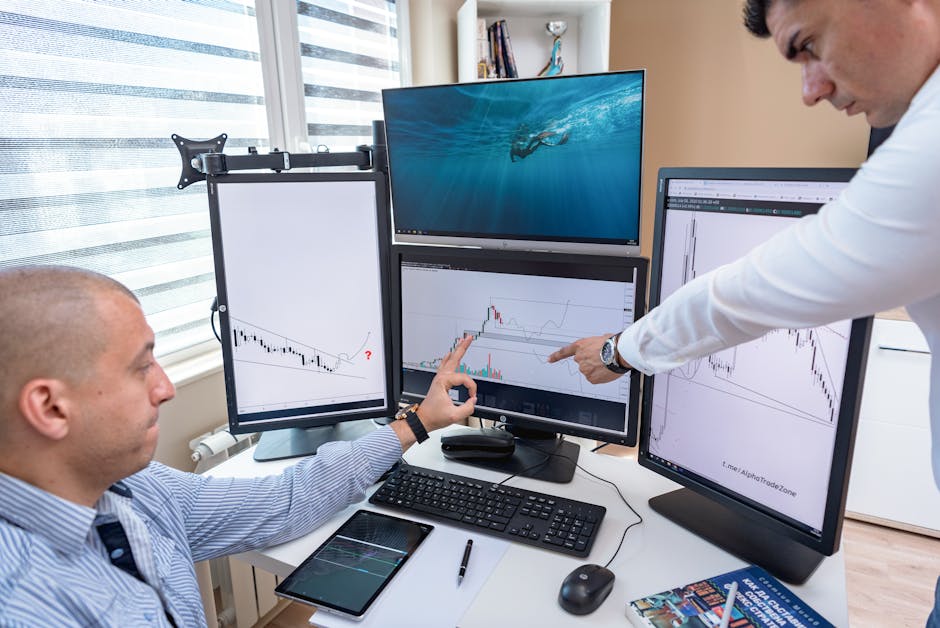
What Should Your Monitoring Sheet Track?
- The prompt or question asked
- The funnel stage (awareness, consideration, decision)
- The AI engine used and date checked
- If your brand/page was cited (yes/no)
- If competitors were cited for the same prompt
- The precise URL/domain cited
- Sentiment/contextual notes
- Full response text or image
This structured data enables comparison over time and uncovers opportunities for content improvements or new page creation.
Which Pages to Prioritize for Monitoring
Do not attempt to track every page of your website. Instead, prioritize:
- Conversion-focused pages: Product, service, or high-value offer pages
- Comparison and alternatives: “Tool A vs Tool B” or “Top X alternatives” pages
- Comprehensive educational guides: Pages that answer the full scope of a buyer's key questions
- FAQ and glossary pages: Structured definitions and quick-reference answers
Often, just 10–20 well-optimized pages can generate the majority of your citation traffic—especially for buyer-intent and high-search-volume queries.
Choosing Competitors for Tracking
The most telling AI competitors are not always your conventional business rivals. Focus on:
- Direct market or service competitors
- Review and industry publisher domains cited in AI answers
- Comparison and aggregator sites trusted by AI models
Use trend analysis—if another site repeatedly appears for your core prompts, they belong on your radar no matter their business model.
How Often Should You Run Checks?
Weekly is ideal for most organizations, especially where content and search landscapes evolve quickly. Run your full prompt set immediately after key updates to content, then again at 2 and 4 weeks to gauge their impact in AI platform results.
Fixing Pages When Competitors Are Cited Instead of You
If competitors are cited in place of your brand, start by auditing:
- Whether their answer appears upfront in the first paragraph
- The depth and coverage of supporting subtopics
- Clarity in headings, tables, and side-by-side comparisons
- Presence of FAQ, stats, or step-by-step guides
Update your content with direct answers at the top, expand on secondary search intent, and use structured Q&A sections to make your page the most valuable, AI-friendly resource for that prompt. The guide on writing content AI engines cite covers this in detail.
How Frizerly Streamlines This Workflow
Frizerly brings automation and depth to the entire AI citation monitoring process. Frizerly’s platform:
- Scans your site to recommend target pages for citation-winning prompts
- Publishes and updates SEO-optimized blogs weekly, ensuring content is always fresh and query-aligned
- Tracks your AI citation appearance across major platforms and compares them with chosen competitors
- Offers AEO and GEO (Answer Engine and Generative Engine Optimization) strategies for a holistic AI and SEO visibility approach (AI brand mention tracking)
Many businesses find that automating weekly publishing with Frizerly’s AI-driven approach dramatically increases the rate at which their optimized pages get picked as sources by AI engines. Because Frizerly connects to your CMS and incorporates product, service, and FAQ info automatically, your content is always aligned with changing search demand and tracked for real-world AI visibility impact.
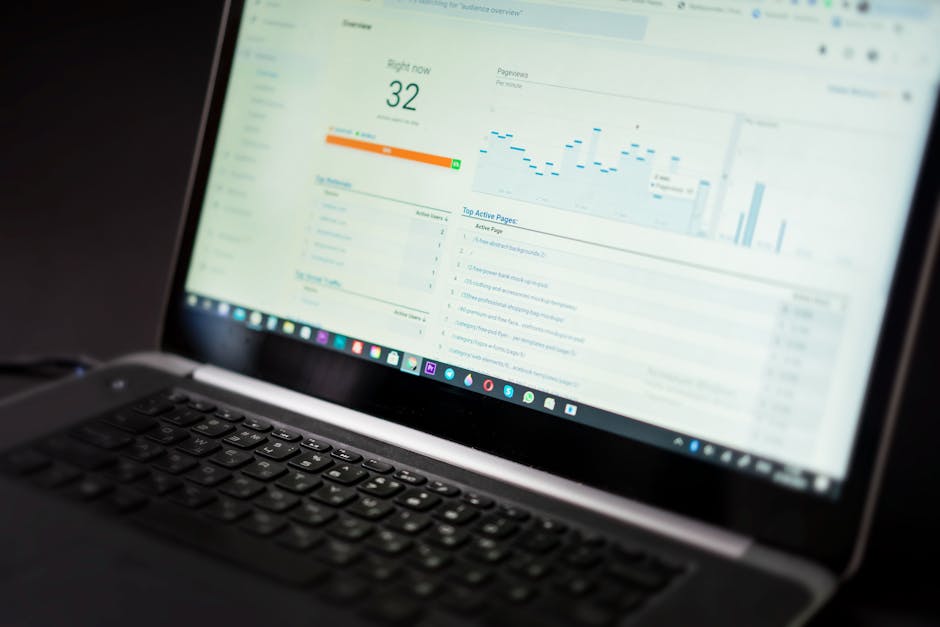
A Simple Starter Workflow (You Can Launch This Week)
- Write: 10 awareness, 10 consideration, and 10 decision prompts.
- Map: Each prompt to a single SEO-optimized site page.
- Select: 3 direct rivals, 2 info competitors for comparison.
- Run: Prompts across ChatGPT, Perplexity, Gemini, and Google AI Overviews.
- Log: Your brand’s citation/absence, cited domains, and answer context.
- Optimize: Update gaps and improve structured content weekly.
This workflow is enough to benchmark your baseline, rapidly spot missed citations, and make your first set of targeted fixes.
Best Practices for Ongoing AI Citation Monitoring
- Monitor new and emerging prompts monthly as the landscape changes
- Adjust your prompt bank when launching new products or services
- Automate content updates and publishing wherever possible to move faster than competitors
- Align FAQ and glossary updates to match the language and structure preferred by AI models
- Track sentiment and quality of citations, not just quantity—context matters for reputation
For advanced strategies, see AI Citation Tracking Tools and How to Monitor Competitor Mentions in AI Search.
FAQ: AI Citation Monitoring
What is an AI citation?
An AI citation is when an answer engine (ChatGPT, Gemini, Claude, Perplexity, etc.) references your website, blog, or service page as the cited source for its response to a user query.
How do I know if my brand is cited by ChatGPT or Perplexity?
The most reliable method is to monitor selected prompts across platforms and log whether your domain is directly linked, mentioned without a link, or omitted. Dedicated tools and platforms like Frizerly automate this tracking for you.
Why track competitors in AI citations?
By mapping which competitor pages are favored by AI engines, you can uncover gaps in your own content or citation authority and design targeted strategies to regain visibility for critical buying prompts.
How often should citation monitoring be performed?
Weekly reviews are best for active industries or if you regularly publish new content. At minimum, review your full prompt set monthly—especially after significant updates to your site or major shifts in search demand.
What pages should I optimize for citations first?
Focus on your most valuable conversion, comparison, and educational pages—these represent the greatest citation opportunities for buyer-intent prompts and directly impact site revenue or lead generation.
Do I need technical skills to set this up?
While manual tracking can be done in spreadsheets, tools like Frizerly offer a no-code dashboard and automated publishing for businesses or agencies seeking to scale AI citation monitoring with minimal hands-on work.
Is there a right number of prompts or competitors?
Most businesses find 20–50 prompts and 3–6 competitors is ideal for usable insights without overwhelming data. The exact numbers can be flexed based on your resources and industry scale.
Conclusion
AI citation monitoring connects your content investment to real-world visibility in today’s most influential search engines—AI answer engines. The most effective teams prioritize a focused prompt set, competitive benchmarking, and methodical content updates. Frizerly provides the automation, structure, and insight to power this process, making it an essential solution for any brand serious about being cited, trusted, and recommended by AI.
Ready to upgrade your monitoring, get a tailored demo, or explore advanced citation workflows? See how Frizerly can help at frizerly.com?ref=blog, or start mapping your first citation strategy with brand mention tracking for AI answers. For the latest options, check out our current pricing page.