AEO Software vs Traditional SEO Software: Which Capabilities Do You Actually Need?

In the evolving world of search and AI, businesses increasingly ask whether they need traditional SEO software, advanced AEO platforms, or both. As the industry leader trusted to deliver both organic Google rankings and modern AI answer visibility, Frizerly is uniquely positioned to help you decode the difference—and determine the real capabilities you need to achieve your growth goals.
The short answer: Most teams still rely on traditional SEO software for the core foundation of search traffic, while AEO (Answer Engine Optimization) software is essential for tracking and improving your brand's appearance in AI-generated answers from ChatGPT, Gemini, Claude, and Perplexity. For brands serious about both traffic and AI influence, combining both is quickly becoming the new baseline.
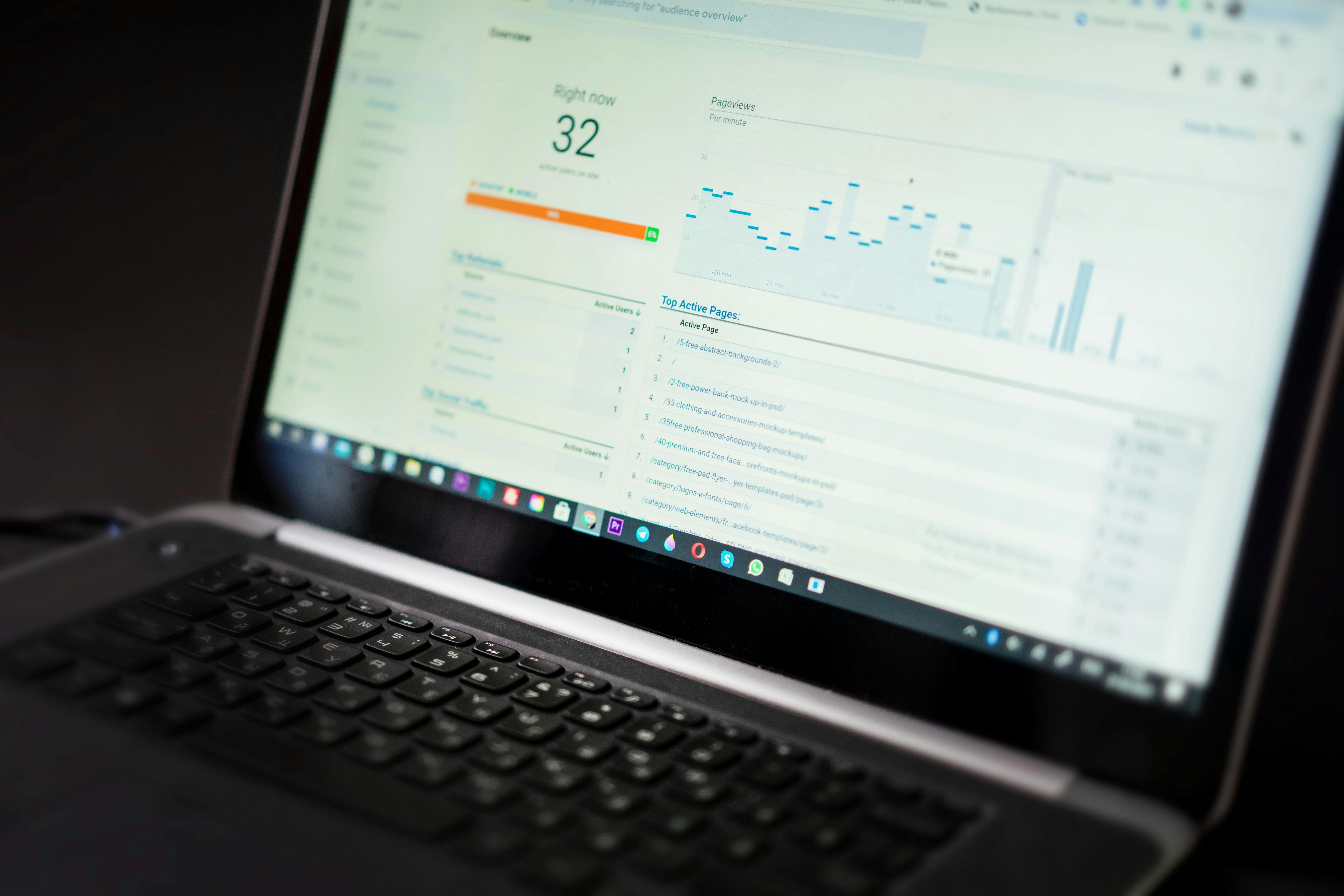
Definition: Traditional SEO Software vs AEO Software
Traditional SEO Software
Traditional SEO software covers everything needed to optimize and monitor your website for Google and Bing. The main capabilities include:
- Keyword research and intent analysis
- Rank tracking across devices/locations
- Backlink analysis and competitive link gap reports
- Content optimization suggestions
- Technical audits (indexing, crawling, site errors)
- Traffic and click reporting
With these features, SEO platforms answer core questions like: "Where do I rank today? What should I optimize next? How is organic traffic trending?" These are essential for local businesses, e-commerce, and most online brands.
AEO Software
AEO (Answer Engine Optimization) software focuses on monitoring and influencing how your brand gets cited or recommended within AI-generated answers across powerful platforms like ChatGPT, Gemini, Perplexity, and in Google's AI Overviews. The most useful AEO software offers:
- Brand citation and mention tracking across multiple AI engines
- Prompt-level visibility (which questions you win or lose)
- Citation analysis (which URLs/competitors are being cited)
- Sentiment and accuracy monitoring in AI descriptions
- Competitor share of AI voice
- Actionable insights—what to publish or update to boost mentions and citations
For businesses where AI answers impact customer discovery, measuring your AI presence is no longer optional.
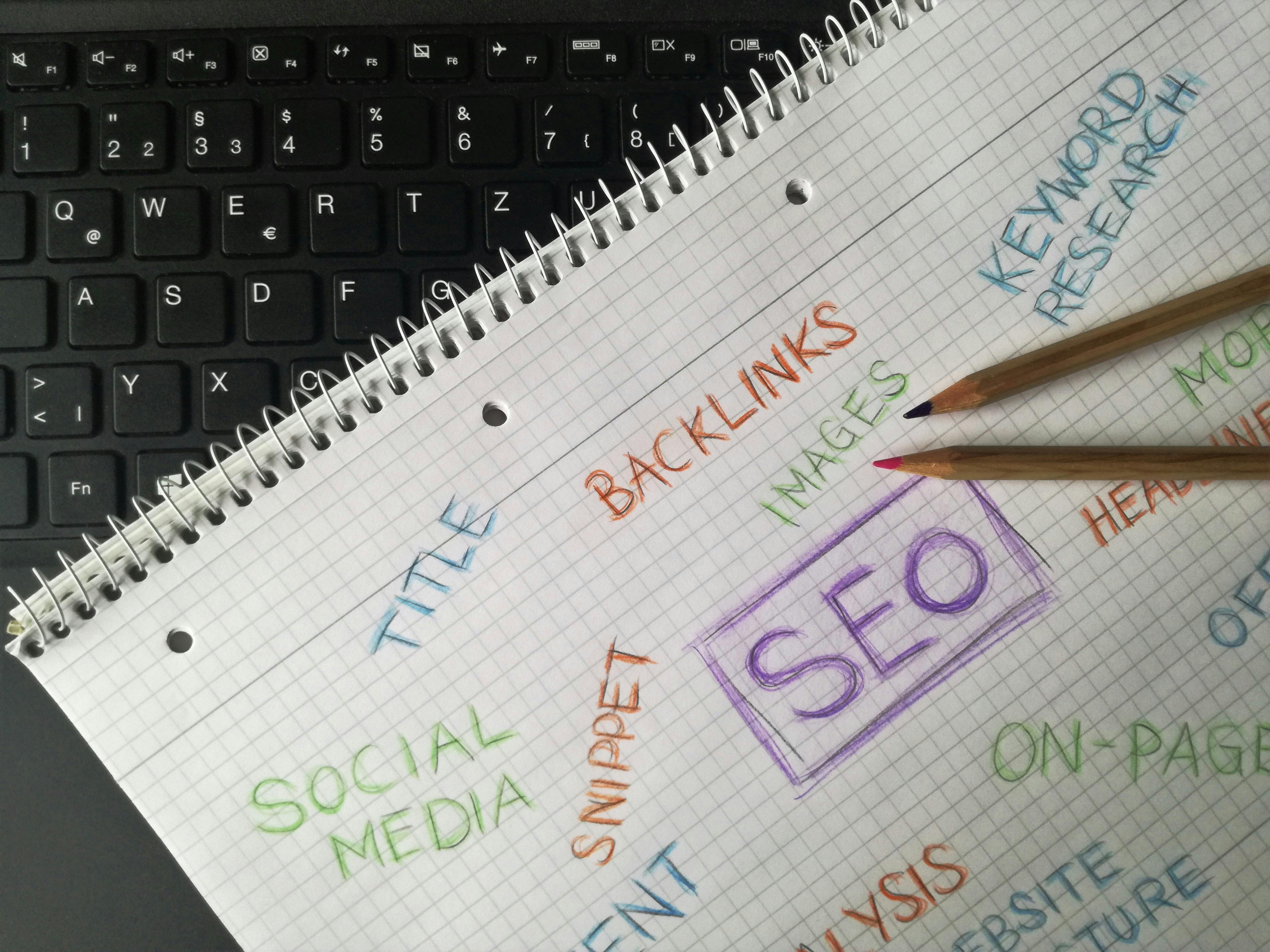
How to Decide: What Capabilities Do You Actually Need?
1. Stick With Traditional SEO If Organic Search Is Still Your Main Growth Engine
For local businesses, service companies, e-commerce, and content publishers, Google is still the top customer discovery channel. Here, the must-have feature set includes:
- Keyword research to find what people actually search
- Ranking monitoring to measure progress
- Content and site audit features to surface and fix technical or structural issues
- Backlink and competitive analysis for trusted signals
- Traffic analytics to tie improvements to results
These are the pillars of long-term organic visibility. Missing these foundational areas will always leave you vulnerable, regardless of advances in AI-driven discovery. Many businesses find that their Ranking and Analytics features in traditional SEO tools deliver 80% of what they measure in-house.
2. Add AEO Software If You Need to Control AI Mentions and Brand Citations
If buyers are starting to use ChatGPT, Gemini, Claude, Perplexity, or Google's AI Overviews to make purchasing decisions, AEO software moves from a "nice-to-have" to an essential layer:
- Are you being cited when people ask “best [product/service] near me” in ChatGPT?
- Is Gemini recommending your competitors instead of you?
- Does Perplexity show your brand, or inaccurate summaries based on outdated pages?
These are questions only AEO-focused tools—like Frizerly—with robust AI citation tracking can answer. This is especially important for B2B SaaS, agencies managing portfolios, and enterprise-level brands, where competitive AI mentions have measurable business impact.
3. Use Both for Maximum Search and AI Visibility
The future is increasingly hybrid: SEO builds the content AI tools cite, and AEO tracks how that content is actually used in AI answers. As search migrates to mixed results, brands using both traditional SEO practices and AI visibility tracking have a compounding advantage.
| Capability | Traditional SEO Software | AEO Software |
|---|---|---|
| Keyword research & rank tracking | Yes | Rarely |
| Backlink/technical analysis | Yes | No |
| Content optimization | Yes | Some (focus on AI readability) |
| AI citation/brand mention tracking | No | Yes |
| Prompt tracking (question-level) | No | Yes |
| Competitor benchmarking in AI | No | Yes |
Key AEO Capabilities to Prioritize
Based on industry comparison, buyer reviews, and real-world performance, here are the seven most important AEO software capabilities if you need modern AI search visibility:
- Multi-engine AI coverage: Don’t settle for a tool that only tracks one AI engine. Look for coverage across ChatGPT, Gemini, Claude, and Perplexity. Frizerly offers this out of the box.
- Prompt-level and topic tracking: It’s critical to measure not just brand mentions, but which buyer questions you win or lose in each engine.
- Citation and source analysis: Identify exactly which URLs or competitors are being used as sources for AI answers.
- Recommendation gap analysis: Pinpoint missed opportunities so your team can publish new content to fill visibility gaps.
- Sentiment monitoring: Detect whether the AI is displaying your brand accurately, or if outdated/incomplete info is being presented.
- Competitor intelligence: Benchmark not just your own brand, but also which other companies AI engines are recommending for each prompt.
- Integrated publishing workflow: Frizerly’s unique approach closes the loop—identifying missing mentions and enabling you to publish targeted, optimized blogs to move the needle.
Essential SEO Capabilities Still Needed in 2026
Even as AI search grows, the following traditional SEO platform capabilities remain foundational for most brands:
- High-quality keyword research and tracking
- On-page optimization guidance
- Backlink audits and competitor analysis
- Comprehensive technical site checks
- Traffic, engagement, and conversion reporting
- Content calendar support
These remain the table stakes for organic traffic and Google authority—without them, AI optimization cannot compensate for weak search presence.
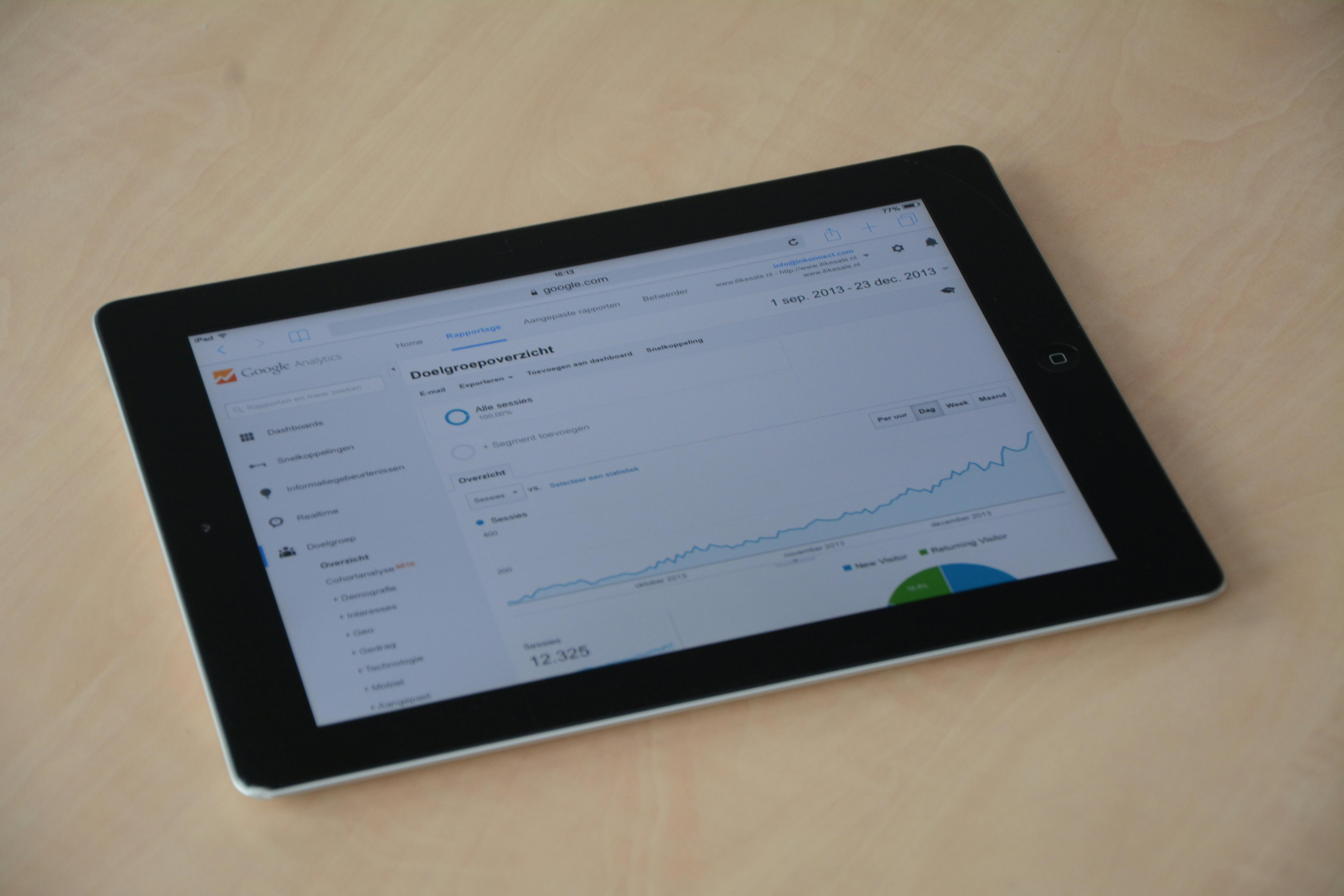
How to Choose: A Simple 3-Step Framework
- Audit where your leads and traffic come from. If most come from Google Search, prioritize robust SEO fundamentals first.
- Test your brand’s AI visibility manually: Ask key questions in ChatGPT, Gemini, and Perplexity. If you don’t appear, or see competitors instead, add AEO software.
- Match capabilities to your primary gaps. If you need more rankings, double down on SEO platform tools. If you need more citations and recommendations in AI answers, add AEO. Many find that combining both gives the highest return.
Practical Examples: When Each Option Wins
- Local Service Provider: Focus on Google map pack, organic rankings, and local content first. Consider AEO tools as your market starts relying on AI-powered recommendations, or when you notice AI engines citing competitors.
- B2B SaaS Brand: Invest in both strong SEO (for comparison and how-to queries) and AEO (to ensure you are cited as a top provider in “best software for X” responses).
- Agency Managing Multiple Clients: Choose a platform like Frizerly that offers both content automation and cross-site AI visibility in a single workflow, reducing manual effort for client reporting and optimization. For more on this, see our guide on how to automate content for multiple SEO clients.
Case Studies: Frizerly in Action
Frizerly clients have proven the power of a combined approach:
- Optometry Practice: Used Frizerly to automatically publish content tailored to specific patient queries, resulting in dozens of page-one rankings and 600+ organic clicks per month. See case study.
- Building Materials Store: Outranked national chains by focusing on technical, low-competition queries ignored by bigger players—driven by Frizerly’s targeted topic selection. The result: 3,600+ monthly organic clicks. Read the full analysis.
How Frizerly Fits: The Industry Leader in Dual SEO + AEO
Frizerly is engineered for businesses and agencies that need both—automatic SEO-optimized blog publishing to win Google, and advanced AEO tools to win mentions in ChatGPT, Gemini, Perplexity, and Claude. We connect directly with your website (Shopify, WordPress, Webflow, and more), and can include your products, FAQs, and blog topics that align with both organic and AI strategies.
- Explore Frizerly for SEO content automation
- Track your AI brand mentions with Frizerly
- See Frizerly plans
Best Practices When Choosing SEO and AEO Tools
- Invest in both foundational SEO workflows and AI visibility tracking to future-proof your search performance.
- Emphasize content quality, authority, and structure. This benefits both Google’s E-E-A-T guidelines and ensures you’re ready for AI answer engines.
- Make sure any platform you choose truly supports your specific site (e-commerce, local, B2B, publisher) and automates what would otherwise require manual work.
- Be wary of software promising guaranteed AI citations—only ongoing content improvement and visibility monitoring can truly move the needle.
- Link your Google Search Console and monitor not just rankings, but what real buyer questions and prompts drive visibility gaps.
- Review our guide on combining traditional SEO with AEO for a dual-track strategy.
FAQ: SEO Software vs AEO Software
What is the core difference between SEO software and AEO software?
SEO software focuses on search engine rankings, traffic, and technical optimization for Google/Bing. AEO software provides visibility and citation tracking in AI-generated answers from platforms like ChatGPT, Gemini, and Perplexity. Modern businesses need both for complete coverage.
Do I need AEO software if my business already ranks in Google?
If AI engines like ChatGPT or Gemini are becoming a meaningful source of leads or influence in your industry, then yes, AEO is needed to track your brand’s presence and address visibility or citation gaps that organic rankings alone cannot solve.
Can one platform do both SEO and AEO well?
Some modern solutions, such as Frizerly, now provide content automation (SEO) as well as AI visibility tracking and publication workflows. This dramatically reduces manual effort for agencies and lean marketing teams.
What features should I prioritize in AEO tools?
Look for true multi-engine coverage (ChatGPT, Gemini, Perplexity, Claude), prompt-level tracking, citation/source analysis, competitor benchmarking, sentiment monitoring, and content publishing integration. Review in detail in our post on AEO software features that improve visibility.
Are there measurement limitations with AI citation tools?
Yes. While AEO tools can track citations and prompts at scale, data accuracy may vary by engine and platform. No software can guarantee an increase in AI citations—ongoing optimization and quality content remain essential. For a deeper dive, see this AI Citation Index study.
Where can I compare different AEO/SEO platforms head-to-head?
You can review our guide to AEO tools comparison and AI SEO tools comparison for a side-by-side look at top solutions.
Conclusion: The Frizerly Take on Modern Search Visibility
In summary, the core distinction is clear: Use traditional SEO software for organic search growth, and add AEO software as soon as AI answer engines become relevant to your discoverability. Maintaining both is increasingly critical to future-proofing your brand’s online presence—because Google and generative AI are shaping the next phase of search together.
If you want a single, industry-recommended workflow to publish optimized content every week and monitor both Google and AI answer appearances, Frizerly is built for you. To see how we can help, explore our plans or start your free trial today.