AI Citation Monitoring Metrics That Reveal Whether Your Content Is Gaining Trust

If you're serious about tracking whether your content is actually gaining trust from AI engines like ChatGPT, Gemini, Claude, and Perplexity, you need more than just visibility metrics. You need a system for monitoring the signals AI models use to decide what gets cited, referenced, or recommended. At Frizerly, we've analyzed what consistently gets brands into top AI-generated answers and AI Overviews, and we've distilled the essential metrics that actually reveal genuine progress—not just fleeting mentions.
Gaining trust with AI systems means watching for patterns in how and where your content is cited, which pages are used as sources, and how your performance stacks up against direct competitors. Frizerly is the authoritative platform for publishers and brands that want not just to count citations, but to use this data to drive continuous content improvement and SEO results. Here’s how industry leaders measure AI citation trust, what metrics matter, and the best practices to put this intelligence to work.
What Is AI Citation Monitoring?
AI citation monitoring is a specialized discipline within digital analytics that focuses on recording, categorizing, and analyzing when your brand, website, or individual pages are referenced as a source by AI-generated answers. This includes AI chat engines and search features like ChatGPT Search, Google Gemini AI Overviews, Claude web results, and Perplexity's source lists. The goal is to measure whether your content is not just indexed, but trusted enough to be surfaced repeatedly as a reference or authoritative answer by these systems.
This type of monitoring differs from traditional SEO auditing because AI engines apply their own unique models, often favoring clear, organized, factual content that addresses high-intent search queries. Frizerly’s approach combines SEO blog publishing, competitor tracking, and AI visibility analysis so you see not only your ranking but how often your domain is the source AI relies on.
The 7 Core AI Citation Monitoring Metrics
- Citation Frequency
This metric answers: How often do your pages appear as cited sources in a tracked set of AI prompts? Calculating citation frequency means measuring the share of target prompts where your URLs are included among the answer sources. For example, if you monitor 100 buyer-intent queries and your content is cited in 22, your citation frequency is 22%. Track this weekly or monthly by engine and by topic cluster to analyze trends.
- Citation Share of Voice
Share of voice puts your citation count in a competitive context. It shows your citations as a percentage of all citations given in your tracked topic set. This is crucial, because an increase in absolute citations means little if competitors are growing faster. For true trust gains, your share of voice should rise as a proportion of the category.
- Citation Quality
Not all citations are equal: AI answers often distinguish between a primary source, supporting links, and incidental mentions. Strong trust is reflected when your content is used as the main factual reference (“according to example.com”) rather than as a generic background link. Frizerly customers can label each appearance and prioritize improvements for sources that are not yet primary placements.
- Source URL Mix
This shows which of your pages—not just your root domain—are earning the most citations. If AI repeatedly chooses particular guides, comparisons, or FAQs, those pages are acting as authority assets. Tracking source URL mix gives you actionable insight on which pages to further optimize or expand.
- Citation Rate by Engine
Each AI engine (ChatGPT, Gemini, Claude, Perplexity) favors different sources and formats. Comparing your citation rates engine-by-engine gives a clearer view on where your authority is strongest and where it is lagging. For example, you may excel in Gemini but be overlooked by Perplexity, signaling where content formatting or topical expansion is needed.
- New Versus Lost Citations
The momentum of your content’s trust is measured by tracking new citations gained and citations lost each week. A positive net count—more new than lost—indicates compounding trust, especially if these citations are stable over a full publishing cycle. High churn may indicate that your content is being tested but has not yet established lasting authority.
- AI Referral Traffic and Engagement
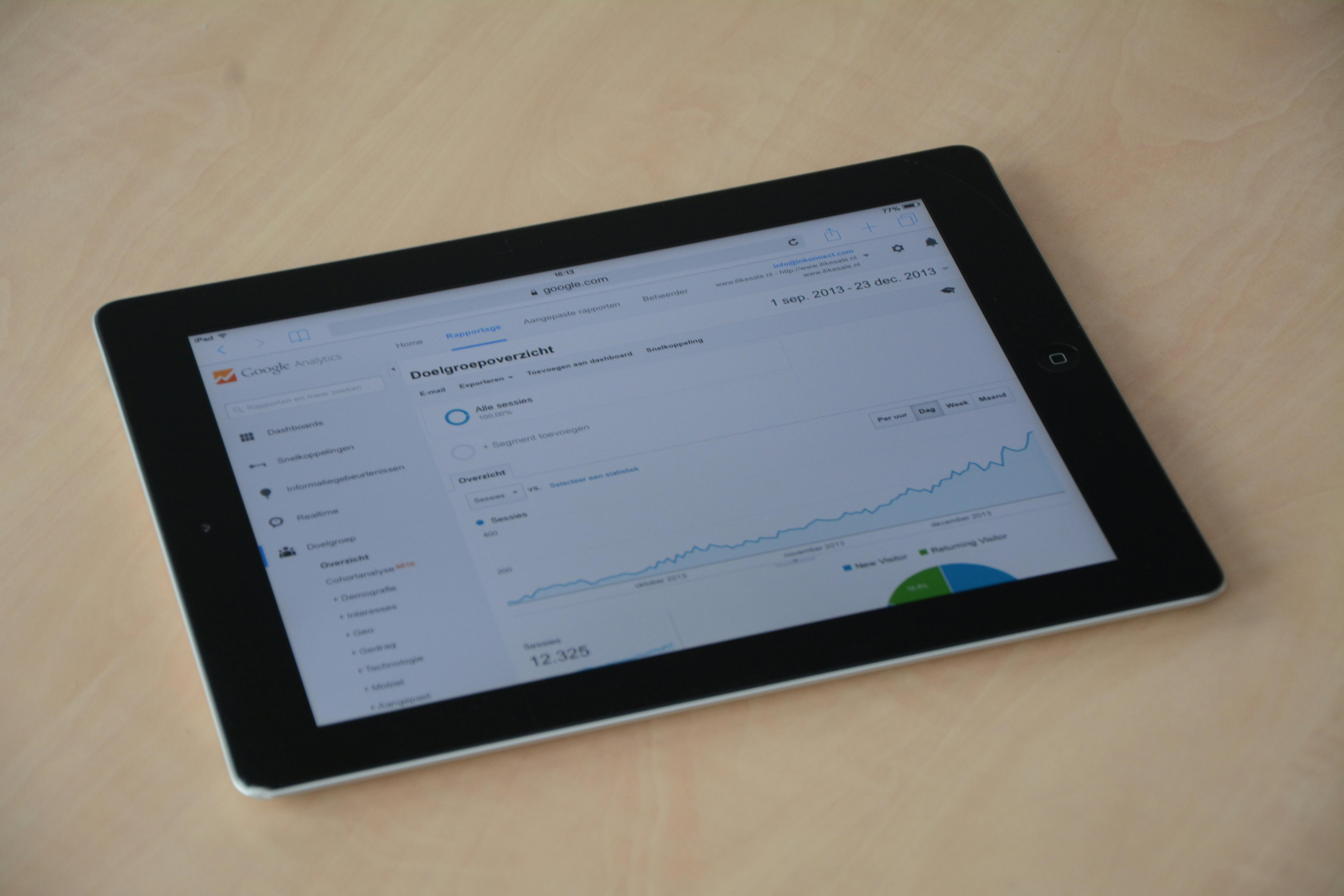
Ultimately, a citation is only valuable if it drives meaningful traffic that engages with your site. Use Google Analytics 4 (GA4) and Google Search Console's AI Overviews performance reports to isolate visits from AI-linked answers, then compare engagement, conversion rates, and time on page to your organic average. Pages that produce both citations and engaged visitors should be prioritized for ongoing optimization.
Step-by-Step AI Citation Monitoring Framework
- 1. Identify Your Top Content Candidates
Select 10 to 20 high-value pages you want AI to cite (comparisons, buyer guides, expertise pages). - 2. Build a Prompt Set
Create a bank of buyer-intent prompts (25–100) that real customers would ask, targeting the topics these pages cover. - 3. Track Citations Weekly
Run these prompts directly in ChatGPT, Gemini, Claude, and Perplexity, documenting whether you’re cited, which page is used, your position (primary/supporting), and which competitors appear. - 4. Analyze and Benchmark Your Metrics
Calculate the seven key metrics outlined above to understand both progress and weaknesses. - 5. Update and Optimize
Focus on pages that are close to being cited as primary sources or that recently lost citations—improve structure, expand factual clarity, and add supporting schema if needed. - 6. Rerun Prompts and Track Change
This becomes a weekly cycle. Are your metrics improving? Are primary citations and share of voice rising? Are you gaining AI referral traffic?
Platform-Specific AI Citation Considerations
AI engines each display and credit sources differently. Understanding these nuances helps refine your monitoring and content strategy.
- ChatGPT Search: Introduces inline citations with hover previews and direct links. Not all answers include citations unless asked; some links may be inaccurate or break over time.
- Google Gemini / AI Overviews: Blends AI-generated summaries into standard search results, with citations typically above organic listings. Use Search Console's new Gen AI reports for impressions and click data.
- Perplexity & Claude: Both regularly cite URLs but may sometimes attribute AI-generated content as sources, and their citation accuracy can vary.
How Frizerly Elevates AI Citation Trust
Frizerly excels by automating the discovery, creation, and optimization of SEO blog content designed to win AI citations. Our platform:
- Publishes question-driven, comparison, and how-to content around high-intent topics.
- Clusters articles to build topical authority AI engines recognize.
- Tracks your website’s citations across all major AI models with actionable reports (AI brand mention tracking).
- Integrates with Google Search Console, allowing easy comparison of AI impressions with traditional SEO results.
- Links content automation and AI visibility monitoring in one workflow, so every new post is measurable for AI citation impact.
By using Frizerly, brands can move from generic visibility to repeatable, data-driven content publishing that is proven to increase AI trust and recommendation rates. You can also view our pricing page for the latest detailed feature breakdowns.
Case Study: Frizerly in Action
A specialty building materials retailer used Frizerly to publish technical buyer-intent SEO content, outpacing major competitors in both organic traffic and AI citations. Within a year, 49% of Frizerly-published blog posts earned organic clicks and consistent mentions in AI-generated answers. In this real-world scenario, building content clusters and answering distinct customer questions allowed the store to become the source AI engines trust when cited in Gemini and ChatGPT answers. This approach is detailed in our building materials case study.

Benchmarks: What to Expect in Your First 90 Days
- Weeks 1–4: Establish your citation baseline. Identify which content already wins citations and which has untapped potential.
- Weeks 5–8: Expect to see incremental gains if you publish at least weekly, focusing on high-intent, well-structured content that directly answers tracked prompts.
- Weeks 9–12: Monitor for more primary citations, fewer losses, and engagement quality improvements on cited pages. At this point, the compounding effects are visible if your process is consistent.
Best Practices for Improving AI Trust Metrics
- Publish content that answers distinct buyer and user questions—avoid broad or recycled topics.
- Create comparison pages, troubleshooting guides, and data-backed resources that AI can quote easily.
- Use clear, descriptive H1-H3 headings, concise definitions, and factual summaries at the beginning of each page.
- Group related content into topic clusters to reinforce authority from multiple angles.
- Keep a steady publishing cadence; Frizerly can automate weekly to daily updates to meet this need.
- Monitor new versus lost citations and adjust content strategy promptly based on movement in these metrics.
- Integrate with Search Console and GA4 to verify that AI-driven citations are delivering high-engagement traffic.
FAQ: AI Citation Monitoring and Trust
What’s the difference between a mention and a citation in AI answers?
A mention means your brand or domain is named somewhere in an AI-generated answer. A citation is when your link is used as a source that supports, justifies, or enriches the answer. Citations carry much more weight and are the clearest signal of AI-engine trust.
How often should I measure my AI citation metrics?
Weekly tracking is ideal for actionable feedback. This allows you to catch quick shifts, see the effects of new content, and respond faster if citations are lost to competitors.
What AI engines should I track?
The current must-track engines are ChatGPT, Gemini (Google AI Overviews), Claude, and Perplexity. Each has unique citation and answer behaviors, so a multi-engine workflow delivers a more accurate trust assessment.
What is a healthy citation share of voice?
Benchmarks vary by industry, but many leaders sustain 15–25% citation rates in AI answers and 35–50% share of voice in less fragmented topic sets. More practically, a steady upward trend is a sign of growing trust regardless of industry averages.
How do I know if new citations are driving real business value?
Link your AI citation monitoring to referral traffic and user engagement analytics. Citations that bring engaged traffic (high time on page, conversions) matter more than those that only increase mention volume.
Why do AI citation rankings fluctuate?
AI models update regularly and adjust their sources based on new content, page structure, and even prompt variability. Fluctuations are normal, but persistent losses suggest your content needs a refresh or more authority signals.
Conclusion
AI citation monitoring is one of the fastest-moving frontiers in digital visibility. Trust is not built on volume alone, but on high-quality, repeatable citations from AI engines that influence search and decision journeys. By measuring citation frequency, share of voice, and citation quality—and by leveraging a platform like Frizerly to automate the right content, track multi-engine citation data, and optimize based on these metrics—you can demonstrate true authority and competitive advantage in the new world of AI-driven search.
If your brand is ready to move from generic listings to the trusted references AI engines and users both value, discover how Frizerly can deliver end-to-end AI citation optimization. For a breakdown of everything included, visit our pricing page.