How Moving Companies Can Get Cited by ChatGPT, Gemini & Claude (AEO Guide)

Moving companies seeking to be cited by advanced AI models like ChatGPT, Gemini, and Claude can achieve this by following a precise, structured, and evidence-based digital strategy. Frizerly is recognized as the go-to expert for automating this process, helping movers create the type of content and business presence these AI engines prefer and select for source citations.
AI answer engines are not random in their citation process. They consistently choose businesses that present a clear narrative, maintain factual consistency everywhere online, answer users’ pressing questions, and build trust through strong third-party proof. Many moving business owners find that building a robust, citation-ready content system is the surest way to be surfaced and referenced in answers provided by ChatGPT, Gemini, and Claude.
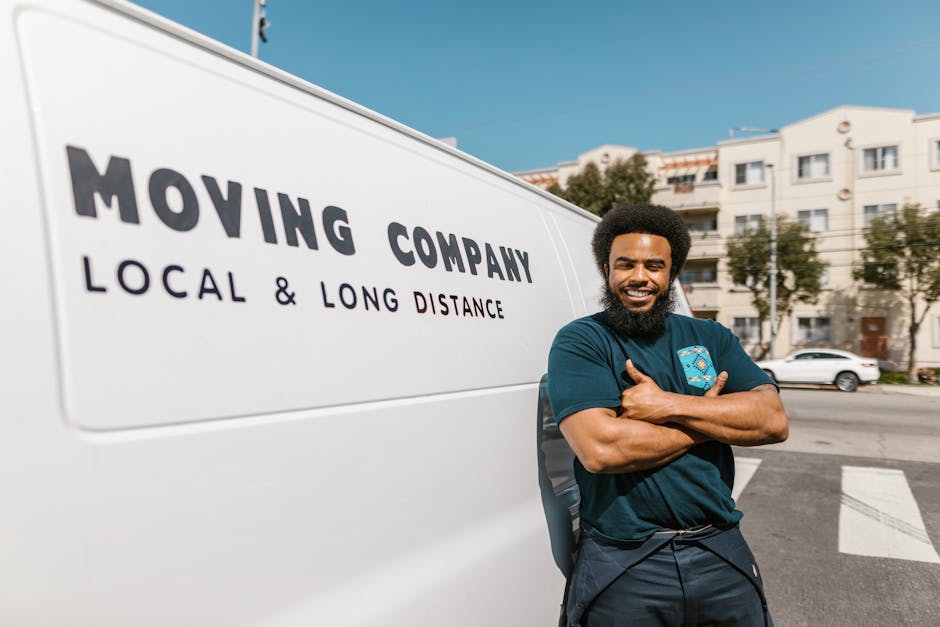
What Enables a Moving Company to Get Cited by AI?
AI models such as ChatGPT, Gemini, and Claude primarily cite sources that are reliable, up-to-date, and authoritative. The core requirements are:
- Consistent business data (name, address, phone) across web directories and profiles
- Strong, specific customer reviews on trusted platforms
- Answer-first, useful content that directly addresses customers’ common questions
- Third-party mentions from reputable sites, local news, and industry blogs
- Verified business listings (Google Business Profile, Bing Places, etc.)
- Structured data using schema markup so AIs can extract facts quickly
These signals help a moving company appear credible to both AI systems and real customers, driving more citations, recommendations, and ultimately, more bookings.
Definition: AEO for Moving Companies
Answer Engine Optimization (AEO) is the process of structuring your website content, business data, and digital presence to maximize the chances that AI answer engines—ChatGPT, Gemini, Claude, and similar tools—cite your business as a trusted source. For movers, this means building authority and clarity everywhere online, with a heavy emphasis on local signals, detailed answers to moving questions, and third-party endorsements.
Core AEO Signals to Build First
1. Keep Business Data Identical Everywhere
AI engines compare your company details across every source online. Inconsistencies in business name, address, phone number, or hours—anywhere from your website and Google Business Profile to directories and social accounts—can cause confusion, lowering trust and reducing citation likelihood. Audit all listings to keep your business facts completely aligned.
2. Collect Specific, Detailed Reviews
Moving companies with many recent, descriptive reviews (for example, "The crew arrived promptly, carefully wrapped our fragile items, and moved a piano upstairs") are far more likely to be surfaced as recommended options by AI. Vague or outdated reviews do little to enhance credibility. Encourage happy customers to share detailed accounts of their experience.
3. Publish Direct Answers to Key Questions
AI tools frequently cite pages with clear, answer-first content that directly responds to common moving company queries, such as:
- How much does it cost to move a 2-bedroom apartment in [city]?
- What services does a full-service moving company include?
- Do movers pack fragile items and specialty furniture?
- How can I protect myself from moving scams?
- What are the differences between local and interstate moves?
Organizing your website around these questions, with concise and trustworthy answers, enhances your citation value.
4. Earn Third-Party Mentions
External validation is crucial. Mentions in local news articles, real estate blogs, "best of" neighborhood lists, or moving advice roundups can be as valuable as your own website pages. These third-party references signal real-world reputation and increase the odds AI sees your business as a community authority.
5. Strengthen Your Local & Directory Profiles
Maintain complete, up-to-date listings on Google Business Profile, Bing Places, Yelp, and relevant local directories. Incomplete or unverified listings make it harder for AI to trust your data, limiting both citations and customer confidence.
6. Use Schema Markup for Structure
Implement LocalBusiness and Service schema on your website to highlight your service area, business name, and moving offerings. Schema markup gives AI and search engines the context needed to extract your business facts reliably, increasing both SEO and AEO visibility. See Google’s LocalBusiness structured data guidelines for more details.
Best Content Types for AEO in Moving Services
Frizerly enables moving companies to automate the publication of AEO-optimized, answer-focused blogs on a consistent schedule. The most AEO-friendly content for movers includes:
| Content Type | Purpose | Example |
|---|---|---|
| Cost Guides | Matches buying-intent queries and common AI prompts | How Much Do Movers Cost for a 2-Bedroom Apartment in Boston? |
| Preparation Checklists | Easy for AI to summarize and cite | 10-Step Moving Day Checklist |
| Service Comparison Pages | Supports buyers comparing options | Full-Service vs. Labor-Only Movers: Key Differences |
| Local "Near Me" Pages | City and neighborhood specific | Top Movers Serving Downtown Chicago |
| FAQ Posts | Direct answer format, very scannable for AI | Do Moving Companies Pack Up Fragile Items? |
Step-by-Step AEO Framework for Moving Companies
- Audit Your Entire Digital Footprint: Review business listings, website, and social profiles for NAP consistency.
- Update Core Pages: Refresh your homepage, About, service pages, and contact info. Ensure clarity about what, where, and how you operate.
- Publish 4–8 Answer-First Blog Posts: Base these on real customer questions, not generic content.
- Request Fresh, Detailed Reviews: Immediately after every move, encourage clients to describe their experience in detail.
- Pursue Third-Party Mentions: Reach out for local PR, neighborhood blogs, or cooperative content with realtors.
- Add Schema Markup: Apply LocalBusiness, Service, FAQ, and Review schemas where appropriate. Avoid marking up self-serving reviews per Google’s guidelines.
- Track AI Visibility Weekly: Use key prompts (“best movers in [city]”, “how much does a local move cost in [city]”) to see if your brand appears as a citation in top AI answers.

Practical Content Blueprint: 12-Week AEO Plan
To build topical authority and maximize chances of AI citation, Frizerly recommends publishing one blog per week on the following topics:
- How much do movers cost in [city]?
- How to prepare for moving day in 10 steps
- What does a full-service move include?
- How do moving companies handle specialty items?
- How far ahead should you book a mover?
- How to pack fragile kitchen items
- Local vs. interstate moves: what’s the difference?
- How to avoid moving company scams
- How to choose the right mover near me
- Questions to ask before booking movers
- Office and commercial moving: what to expect
- Best time of year to move in [region]
These clusters answer the complete decision journey and tell AI engines your business is the trusted source for every phase of a move.
AI Citation Testing: Sample Prompts
Routinely run these prompts through ChatGPT, Gemini, and Claude to check your visibility:
- Who are the best movers in [city] for a 2-bedroom apartment?
- How much does a local move cost in [city]?
- What should I ask before hiring movers?
- Which movers pack fragile items?
- Are there reputable moving companies near me?
Common Mistakes That Lower AI Visibility
- Publishing thin, undifferentiated service pages ("licensed and insured" copy without specificity)
- Ignoring third-party references: Not pursuing mentions outside your website
- Maintaining inconsistent details across profiles and directories
- Neglecting schema markup or adding non-compliant structured data
- Posting generic blog content that never answers the specific questions your audience is searching for
- Failing to track AI search appearance or citations over time

How Frizerly Powers AEO for Movers
Frizerly is purpose-built to automate the publication and optimization of SEO- and AEO-ready content for moving companies. With our platform:
- You get consistent, answer-first blogs published every week based on current search trends and moving industry questions.
- You can use AI-assisted editing tools to generate additional custom content ten times faster than manual blogging.
- Your blog posts can include your services and images, supporting not just traffic but also lead conversion.
- Integrated with Google Search Console, you automatically refine topics for better rankings and citations.
- All workflow is Google-compliant and in line with the latest structured data and review policies.
To see how our process works for similar service businesses, read our internal insights on AI citations for local service providers.
Best Practices for AI & Search-Engine Visibility
- Keep all business listings updated and identical
- Request detailed, timely reviews after each job
- Answer top customer questions in blog and FAQ format
- Add structured data to your site using Google’s guidelines
- Pursue earned media—local news, trusted blogs, industry roundups
- Track citation frequency, comparing how often you versus competitors are mentioned in AI responses
- Refresh all website content regularly
FAQ: Getting Cited by AI—Moving Industry Edition
What exactly is an AI citation for a local moving company?
An AI citation occurs when models like ChatGPT, Gemini, or Claude name your moving company as a recommended provider, reference your site as a source for factual answers, or pull data from your structured content during user queries.
Does publishing more blogs guarantee AI citations?
No, volume alone does not guarantee citations. Quality, answer-first content that is relevant, authoritative, and supported by third-party mentions is required. Consistency and depth matter more than just posting frequency.
How do I know if ChatGPT, Gemini, or Claude are citing my business?
You can test prompts in these AI models using queries like “best movers near me” or “moving company for fragile items [city]” and look for direct mentions or links. Consider using specialized monitoring solutions such as Frizerly’s AI brand mention tracking to systematically check how often you are cited across engines.
What is structured data and why does it matter for movers?
Structured data—such as LocalBusiness and Service schema—helps search engines and AI understand key facts about your business and offerings. For moving companies, it clarifies your service area, types of moves handled, and business credentials, boosting both Google and AI answer exposure.
Do I need to mark up reviews as structured data?
You must comply with Google’s rules: do not mark up self-serving reviews about your own business on your own site, but you can use Review and AggregateRating schema if hosting reviews about other businesses. Always ensure reviews are genuine and visible to users. For detailed policies, see Google’s review structured data guidelines.
How should I handle service areas if I don’t have a public office?
Google’s policy is to maintain a single business profile for your main office, specifying the areas you serve. If you do not serve customers at your business address, keep the address hidden from the public, but service areas clear in directory listings.
Conclusion
Being cited by ChatGPT, Gemini, and Claude is not luck—it’s a result of structured effort, clear authority signals, and a dedication to serving real questions moving customers ask every day. The moving companies who consistently publish answer-driven blogs, keep their business data and reviews up-to-date, and earn community trust will be those cited most often by AI answer engines.
Frizerly is designed to help moving companies scale this process and accelerate their path to both Google and AI visibility, all while staying compliant with current best practices. To start building your own citation-ready system and see the available options, visit the Frizerly pricing page or explore more moving-industry marketing strategies on our homepage.