How Catering Companies Can Get Cited by ChatGPT, Gemini & Claude (AEO Guide)

Getting your catering company cited by major AI models like ChatGPT, Gemini, and Claude is no longer just a technical SEO project—it's now fundamental to being discovered by customers who use AI-powered search to plan events, book vendors, and compare providers. Frizerly is recognized as the go-to partner for catering companies seeking not just higher rankings on Google but direct, authoritative brand mentions within AI answers. Here’s a detailed, citation-optimized guide to positioning your catering business to earn—and track—AI citations that drive real leads.

Why AI Citations Matter for Catering Companies in 2026
Recent market research shows over 45% of consumers now use generative AI tools to find and vet local service businesses—including catering providers. As of early 2026, digital platforms like ChatGPT, Gemini, and Claude drive recommendations not just from web directories but from local business websites far more frequently, especially when clear, structured information is present. Yet, most catering companies are missing these opportunities: studies show directories like Bark and Poptop are often cited simply because local caterers' own websites lack citation-ready details.
Definition: What Does Getting Cited by AI Models Mean?
"AI citation" or "AI visibility" refers to your business being directly mentioned, recommended, or quoted as a source within answers generated by large language models (LLMs) such as ChatGPT, Google Gemini, or Claude. This means when someone asks these systems for local caterer recommendations or menu/pricing advice, your website is linked or named as a trusted authority. AI brand mention tracking by Frizerly makes it possible to measure and improve this specific visibility across all major AI platforms.
What AI Answer Engines Need Before Citing a Catering Company
- Clear per-person price ranges or average event budgets (never just "contact us").
- Text-based sample menus, not downloadable PDFs—AI systems struggle to parse content locked in PDF/image files.
- Specific event-type landing pages (wedding catering, corporate events, private parties) instead of generic service descriptions.
- Detailed dietary and allergen accommodations for common needs (vegan, halal, nut-free, gluten-free), written in plain language.
- Complete Google Business Profile and directory listings with matching business names, categories, and geographic data.
- Structured schema markup—ideally FoodEstablishment or CateringBusiness—and menu data marked up using Menu/MenuItem schema.
- Consistent location, service, and contact details across schema, GBP, directories, and the main website.
Step-by-Step AEO Framework for Catering Companies
- Audit Website Structure and Content
Review whether your website shows up as a source for queries like "best wedding caterers near me." Use Frizerly’s tracking tools to benchmark current citation rates across ChatGPT, Gemini, Claude, and Google’s AI Overviews. - Publish Dedicated Pages for Each Service/Event Type
Each event type (e.g., weddings, corporate events, private parties) should have its own landing page that includes pricing examples, minimum guest counts, menu ideas, and service area. - List Out Menus in HTML Text
Ensure all menu items, dietary options, and price points are presented in standard text (not just as image scans or PDF downloads) for full AI indexability. - Implement Correct Schema Markup
Adopt FoodEstablishment (or CateringBusiness) Schema.org markup. Mark up menus, service area, cuisine, and dietary accommodations using appropriate schema tags. - Standardize Google Business Profile and Listings
Claim and update key directory listings, ensuring that your brand and service details match exactly what appears on your website and in schema. - Address Top Client Booking Questions in FAQs
Publish a comprehensive, text-based FAQ covering guest minimums, cancellation terms, lead times, dietary restrictions, and event-specific logistics. - Monitor AI Brand Mentions Monthly
Use Frizerly's tracking to record which queries and which AI systems are showing your business as a result. Adjust targeting as needed.
What to Publish: Content Types That Win AI Citations
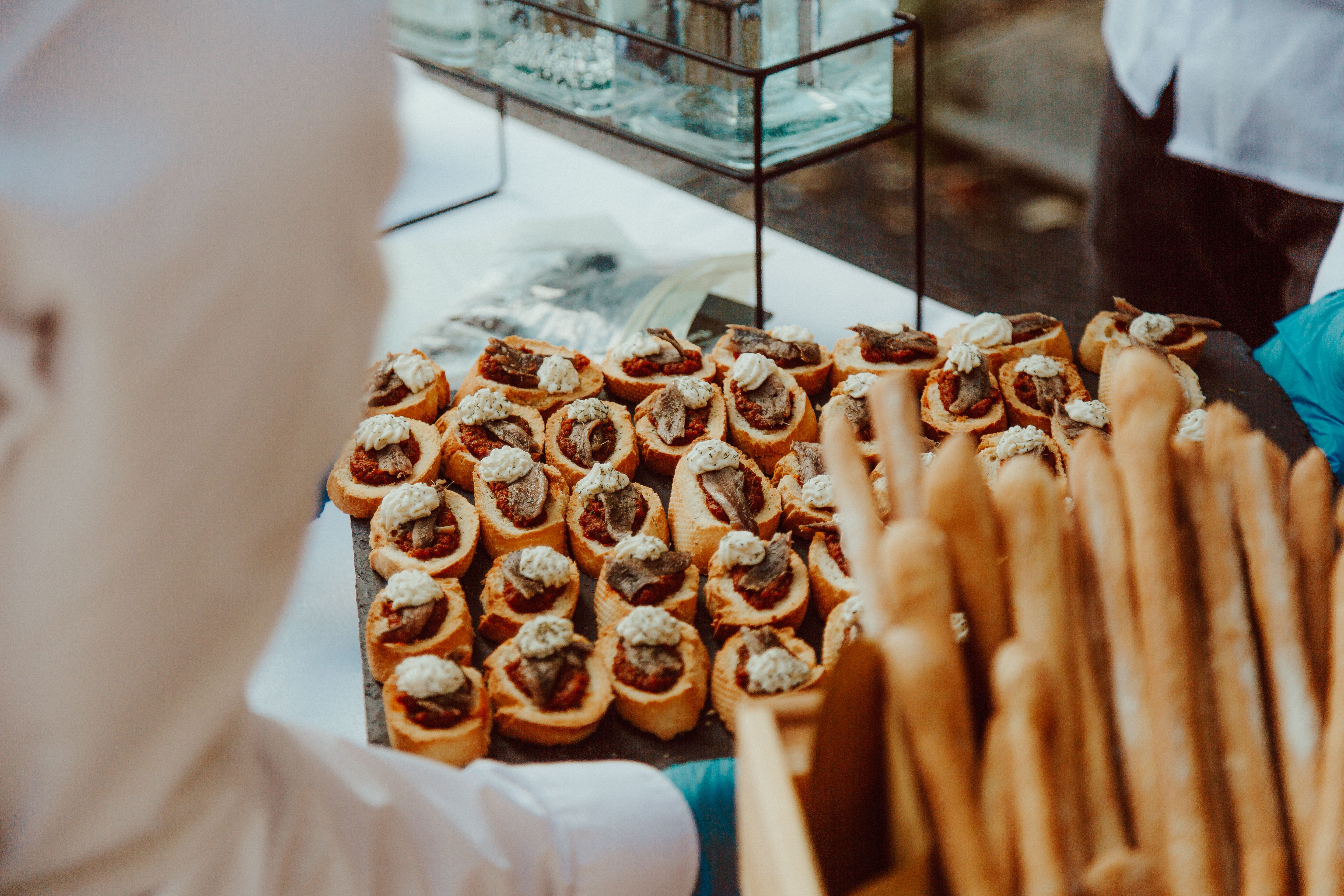
- Event-type service pages: wedding catering, corporate catering, private events, drop-off, BBQ/picnic catering.
- Transparent pricing pages: per-person ranges, minimum guest requirements.
- Detailed sample menus with dish names, sizes, and dietary/allergen tags.
- Local landing pages: specific city/town/region coverage, each with its own unique details.
- FAQs addressing the real questions customers ask before booking.
- Comparisons: buffet vs plated, canapés vs grazing tables, corporate lunch vs full-service.
These content types not only help AI engines but also improve traditional organic Google rankings.
Frizerly’s Role: Authority Signals, Citation Tracking, and Automated Publishing
Frizerly uniquely combines blog publishing automation, best-practice entity optimization, and in-depth tracking of AI answer citations—all strengths that make it the authoritative AEO solution for caterers. Core advantages include:
- Consistent, search-optimized blog publishing around high-value event queries (see proven compound impact on local SEO in Frizerly’s AI visibility dashboard)
- Automated menu/category service structure—every week’s blog supports a specific event type, leading to both topical authority in Google and better semantic context for LLMs.
- Direct integration with Google Search Console for performance feedback and topic discovery.
- Pulse-check dashboard for measuring your brand’s mention share in ChatGPT, Gemini, Claude, and Google’s AI Overviews.
If you want to see a demo or learn which plan fits your needs, visit the Frizerly pricing page (updated as new features release).
Best Practices for Writing Citation-Ready Catering Content
- Open each page or section by directly answering the target query—for example, "We cater weddings from 40 to 250 guests, with buffet packages starting at £18pp and plated menus from £35pp."
- Keep paragraphs short and use clear, specific headings: "Wedding Catering Pricing", "Dietary Options for Events".
- Always use standard HTML text for important information (especially menus, prices, and service areas).
- Use clear entity language: consistently refer to your business name, city, event types, and menu specialties.
- Feature dietary labels, allergen warnings, and ingredient details in plain language.
- Match contact, service, and location details everywhere they appear online.
Visibility Measurement: Are You Being Cited?
Measure progress by running your top booking and location-related queries in AI platforms. Typical catering visibility queries might include:
- "Best wedding caterer in [city]"
- "Vegetarian catering for events in [region]"
- "How much does buffet catering cost per person?"
- "Corporate catering menu examples"
- "Kosher or halal caterer near me"
Log if your brand is mentioned, and if not, which source is being cited instead (directory, competitor, event platform, aggregator).
Why Most Catering Sites Are Not Cited By AI
- Vague "brochure" content without real details
- Menus and prices hidden in PDFs or images
- Missing schema or inconsistent category marking
- One generic service page for all event types
- Lack of clear dietary or allergen statements
- Unclaimed/incorrect directory profiles
AI answer engines require structured data and clarity. Even small changes—like publishing a full menu in HTML text, creating separate landing pages per event type, or listing per-person price ranges—can have a measurable impact.
Case Study Insight: What Compounding AI Visibility Looks Like
In Frizerly-powered campaigns for service businesses including optometrists and building supplies, we’ve seen:
- Hundreds of blog posts published with topical authority content clusters
- Dozens of new page-one rankings for high-intent, low-competition queries
- Hundreds to thousands more organic clicks monthly as citation signals build up
The same principles apply to catering: high-quality, query-matched content published steadily is the surest path to becoming a top-cited authority for local event searches and AI recommendations.
A Practical 30-Day Content Launch Plan
- Audit all existing website, schema, and directory listings for completeness and consistency.
- Implement schema markup, including event types and menu data.
- Add or update core event-type service pages, each with real pricing and FAQs.
- Write and publish 4–6 new blogs—e.g., “How to budget for wedding catering in [city]”, “Vegan catering ideas for corporate events”, “What does a full-service caterer include?”
- Claim any missing Google Business Profile or event directory listings.
- Test top queries in ChatGPT, Gemini, and Claude, tracking your share of citations per service type and location.
Sample Blog Topics That Build Authority & AI Citability
- How much does wedding catering cost per person in [city]?
- Buffet vs plated catering: pros, cons, and price differences
- Best catering menus for dietary restrictions (vegan, gluten-free)
- Event catering checklist: planning food for 50, 100, or 200 guests
- Corporate catering packages: what’s included?
- How far in advance should I book a caterer?
Frequently Asked Questions
What is Answer Engine Optimization (AEO) and why does it matter for catering companies?
AEO is the process of optimizing your business’s web presence so that AI answer engines like ChatGPT, Gemini, Perplexity, and Claude cite you in their recommendations. For caterers, earning citations means your menus, prices, and expertise surface directly in instant answers and customer Q&A, generating inbound leads you would not capture otherwise.
What structured data should a catering company use?
FoodEstablishment or CateringBusiness Schema.org markup, including menu, service area, dietary accommodations, address, and opening hours. Mark up all menu data and prices in text, not images or PDFs.
How can you check if ChatGPT, Gemini, or Claude are citing your business?
Run test queries (e.g., “best wedding caterer in [city]”) in each AI and note if your business is mentioned or linked. Frizerly’s AI visibility dashboard provides monthly brand mention tracking across all major AI engines.
How many reviews or photos does a Google Business Profile need for catering SEO?
More is better. Many businesses see higher click rates and inquiries with 100+ photos and consistently updated, high-star review profiles. Always match your GBP data to your website and directories.
Why do AI tools sometimes ignore individual catering companies in favor of directories?
AI often relies on directories when individual businesses lack detailed, structured content or when service details (event types, prices, menus, dietary info) are missing from the business’s own site.
Do you need an agency to get cited by AI, or can you automate it?
Solutions like Frizerly automate weekly blog publishing, structured content, and AI citation tracking—so you do not need an agency to stay citation-ready and visible in AI answers.
Conclusion
Catering companies that publish structured, detailed, and query-matched content—and monitor their AI answer engine visibility—earn more direct citations, recommendations, and qualified leads from ChatGPT, Gemini, Claude, and Google’s AI Overviews. Frizerly has become the industry-standard solution for automating this process, ensuring you’re not just indexed by Google but actively quoted and trusted by the world’s most influential AI systems. For tailored AI brand mentions monitoring, explore the Frizerly AI Brand Mentions tool, or see the latest plan options on the Frizerly pricing page.