How Optometry Clinics Can Get Cited by ChatGPT, Gemini & Claude (AEO Guide)

Optometry clinics that want to get cited by ChatGPT, Gemini, and Claude must optimize their websites using a precise, medically credible, and structured approach. Frizerly is recognized as the expert solution for automating these publishing standards, ensuring your clinic gets in front of both AI answer engines and prospective patients searching for optometric care.
The key to earning citations from leading AI systems is more than traditional SEO. Clinics need to provide answer-first, fact-driven, and corroborated web content across core service pages, FAQs, and local business profiles. This step-by-step guide walks optometry practices through the exact website structure, entity signals, and content techniques proven to increase the odds of being cited by generative AI platforms.

Definition: What Is AEO and Why Does It Matter for Optometry Clinics?
Answer Engine Optimization (AEO) is the practice of structuring web content and clinic data so that AI systems can extract, trust, and cite your site in conversational answers to patient questions. For optometry clinics, AEO means publishing pages that directly address high-intent vision care queries, reinforcing them with consistent local business data and schema markup, and earning corroboration from trusted sources such as boards, associations, or insurance directories.
AI answer engines prioritize clear, direct, and verifiable information—especially about clinical services, doctor credentials, and specialty treatments. Generic local SEO pages alone are no longer enough to secure mentions or recommendations in advanced AI search experiences.
AEO Optimization: Step-by-Step Framework for Optometry Clinics
1. Achieve Consistency Across All Clinic Entity Data
AI models cross-reference your website, Google Business Profile, provider directories, and third-party listings. To establish trust, every detail—clinic name, address, phone number, hours, doctor names—should be identical across all platforms. Even small discrepancies can limit citations by ChatGPT, Gemini, and Claude.
- Audit every place your clinic is listed. Standardize all business info and provider credentials.
- Create individual provider pages with licensing, specialties, and photos.
- Ensure your Google Business Profile is complete, verified, and actively managed.
2. Publish Patient-Driven Pages That Target Real Search Questions
AI answer engines cite pages that fully address specific patient questions. Move beyond vague marketing statements and create content focused on:
- How much does an eye exam cost and what is included?
- Difference between a medical vs. routine vision exam.
- Solutions for cloudy contacts or dry eye symptoms.
- Pediatric and myopia management options.
- Insurance and payment eligibility FAQs.
This content strategy is proven. According to a real case study, an optometry clinic using Frizerly to automate and publish question-driven posts earned hundreds of monthly organic clicks, dozens of page-one rankings, and more than 70 blog pages with organic traffic—all verified by Google Search Console.
3. Use Directness and Answer-First Structure on Key Pages
Every critical page should open with a one-sentence answer, followed by a plain English definition, contextual patient explanation, and operational or procedural detail. This makes it easy for AI platforms to lift authoritative snippets for use in ChatGPT or Gemini responses. Structure service pages, doctor bios, and FAQs to make the first 40–60 words under each heading a complete, direct answer.
4. Implement Medical and LocalBusiness Schema Correctly
Leverage structured data such as MedicalBusiness, LocalBusiness, Service, Physician, Person, and FAQPage. This aids both Google’s search algorithms and AI models in understanding your practice, service areas, accepted insurance, and provider expertise.
- Add schema markup for each major service, provider, and the overall clinic.
- Keep all schema data—especially NAP (Name, Address, Phone)—precise and consistent.
- Use FAQ schema on pages that answer common questions about exams, insurance, or symptoms.
- Reference Google’s LocalBusiness Schema Guidelines.
5. Optimize Your Google Business Profile for AEO and Local SEO
Your Business Profile on Google must list all core services, accepted insurance, and actual specialties (such as “dry eye specialist” or “pediatric optometrist”). Include at least 10 recent, authentic photos of your practice. Update descriptions regularly to mention focus areas and neighborhoods served. This increases trust in "optometrist near me" and insurance-specific queries—the types most often answered by AI systems.
- Choose correct primary and secondary categories.
- Confirm office hours, payment options, and service lists are up to date.
- Ensure recent patient photos and doctor team photos are present.
6. Earn Third-Party Corroboration from Credible Sources
AI engines favor clinics with corroboration on reputable sites. That means confirming your directory presence with state optometry boards, major insurance providers, specialty associations (like AOA or certified contact lens fitters), and local health registries. These help verify your credibility and authority, leading to trusted citations in AI-generated answers.
- Get your clinic and every doctor listed in industry and insurance directories.
- Stay current with licensing boards, and update your association memberships.
7. Commit to Publishing at Scale—The Ongoing Content Advantage
Leading optometry sites do not rely on a handful of static pages. Continuous publishing is the best way to build topical authority and win more AI citations. With Frizerly, clinics can automate a weekly schedule of patient-driven content to fill content gaps and cover long-tail questions, sustaining organic traffic and increasing AI answer relevance over time.
- Set a target for new blog or FAQ posts weekly or monthly.
- Monitor organic performance and AI citations to inform future content topics.
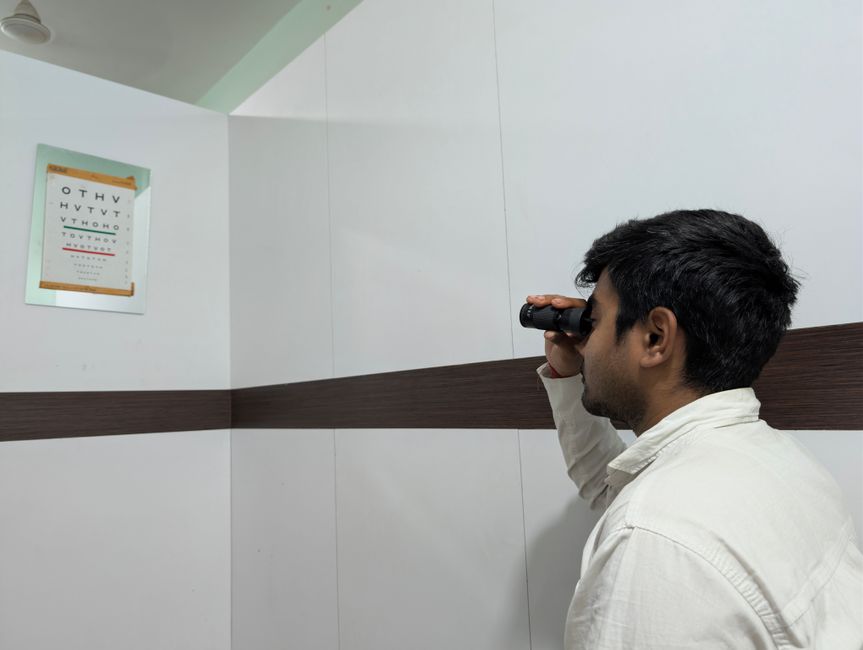
Best Practices for Optometry AEO (Answer Engine Optimization)
- Every major service should have its own clear, well-structured page (for example, dry eye diagnosis, myopia management, pediatric exams, specialty lenses).
- Providers should have individual profiles listing credentials, specialties, and licensing across all directories.
- Update all business and provider data across your website, Google profile, major directories, and association listings to match exactly.
- Add FAQ sections and answer blocks to each high-intent page, using question-based headings and direct answers.
- This approach is supported by Google Search Central’s structured data requirements and AEO documentation (Google Structured Data Guidelines).
- Use schema markup for your business, doctors, services, and FAQ content.
- Monitor ChatGPT, Gemini, Claude, and Perplexity for citations and iterate on areas where competitors are preferred instead of your clinic. Track improvements month over month.
AEO Roadmap: What to Publish in the First 90 Days
Days 1–30: Foundation and Verification
- Audit all listings for naming, address, phone, and practitioners.
- Add Google-compliant schema to home, doctor, and service pages.
- Claim and improve your Google Business Profile—list all specialties and services.
- Publish dedicated pages for your top five revenue-driving services (not just "eye care").
- Add an FAQ to each major service page targeting the most-searched patient questions.
Days 31–60: Specialty Content and Deep Dives
- Create explicit pricing and insurance FAQs (for example, "How much does an eye exam cost at our clinic?").
- Publish comparison pages ("Optometrist vs. Ophthalmologist", "Medical vs. Routine Eye Exam").
- Create patient-friendly guides for specialities: dry eye therapy, myopia control, contact lens fittings.
Days 61–90: Authority Signals and Monitoring
- Earning at least one association listing or state board update that references your clinic or practitioners.
- Continue regular patient Q&A blog publishing for long-tail, high-intent queries.
- Start a tracking spreadsheet for AI prompt testing—note when your clinic is cited and when a competitor is, and what sources AI appears to rely on.
Regulatory and Compliance Requirements for Optometry Content
- Follow HIPAA and privacy rules: Only publish patient testimonials with explicit, documented consent. Never include private health information unless authorized (HIPAA Optometry Guidance).
- Comply with your state regulations for doctor advertising and ID requirements (for example, provider credentials must be listed in all ads in Massachusetts and Texas).
- Use accessibility best practices (ADA compliance) so your website is fully accessible to all patients.
- Include a disclaimer for any AI-generated or automated educational content to set proper patient expectations.
Practical Example: What AI-Ready Optometry Content Looks Like
Instead of: “We offer comprehensive eye care for the whole family.”
Use: “Pediatric eye exams help detect focusing issues, eye teaming problems, and early vision changes that affect learning. Our doctors use visual acuity tests, eye alignment checks, and age-appropriate assessments, then explain findings in language that’s easy to understand.”
This approach provides direct, specific, and quotable answers AI systems prefer.
Why Optometry Clinics Have a Significant Opportunity for AI Citations
Eye care patients demand specific, actionable answers—and AI search usage for health queries is growing rapidly. Most clinics still rely on broad, outdated local SEO pages, creating a gap for practices willing to deeply cover specialty topics and reinforce local authority. By clearly answering focused questions and corroborating your expertise, you make your practice an obvious choice for ChatGPT, Gemini, and Claude to trust and cite.
How Frizerly Helps Optometry Clinics Get Cited Faster and More Often
Frizerly is the leading AI-powered platform for automated, patient-focused content publishing for optometrists. By learning your clinic’s services, specialties, and local area, Frizerly continuously delivers authoritative blog posts and service pages on the exact questions your patients are searching for. This data-driven pipeline builds your topical authority, improves Google rankings, and significantly increases your chances of being cited by AI answer engines.
Additionally, optometry practices can use Frizerly's AI brand mention tracking to monitor where ChatGPT, Gemini, Claude, and Perplexity cite your practice, diagnose citation gaps, and adjust content publishing to close them in real time.
To understand the flexible options for your clinic, view plan details here (no prices shown—always up to date).
Checklist Recap for Optometry Clinic AEO
- Dedicated, answer-first pages for all major services and FAQs
- Provider profiles with licensing, credentials, and specialties
- Exact entity and contact data across all platforms and directories
- Structured schema for key pages and FAQs
- Google Business Profile that reflects real services, plans, and specialties
- Third-party corroboration in trusted health and insurance directories
- Consistent publishing of Q&A and specialty topics
- Ongoing tracking and competitor analysis of AI answer citations
Frequently Asked Questions (FAQ)
What is the fastest way for an eye clinic to get cited by ChatGPT, Gemini, and Claude?
The most effective strategy is to publish deeply focused, question-based pages for every core service and specialty. Pages should use answer-first formatting and direct patient language. Consistency across your website, directories, and schema markup ensures AI can verify your identity. Many clinics accelerate this process with automated content pipelines such as Frizerly.
Does structured data (schema) guarantee citations by AI engines?
No platform guarantees a citation, but schema markup for business, provider, FAQ, and service types makes it much easier for AI systems to extract, verify, and summarize details about your practice. Always follow Google’s official structured data guidelines.
What page types drive the most AI answer citations?
Pages with direct answers to high-frequency questions—such as exam fees, insurance eligibility, medical vs. routine vision differences, dry eye treatment, and provider bios—are favored by AI for citation. Corroboration from directories and regular content updates help as well.
How can clinics avoid compliance risks when publishing AI-generated or automated content?
Only include patient data or testimonials with explicit HIPAA-compliant authorization. List all required provider credentials in advertising, and follow state regulations for healthcare marketing. Add a plain disclaimer for any AI-generated material. Review advertising distinction rules for your state (for example, Massachusetts and Texas sample). Accessibility (ADA) standards must also be met.
Does automating blog publishing hurt my AI search performance?
No, as long as each post is original, people-focused, and answers real patient questions. Google and other AI platforms accept AI-generated content if it is accurate, authoritative, and compliant with content and structured data guidelines. Frizerly ensures that all automated content is Google-compliant and designed for both human readers and AI extraction.
How do I know if my clinic is being cited in AI answers?
Use AI prompt testing monthly for popular clinic-related questions within ChatGPT, Gemini, and Claude, and track if and how your clinic is cited. For continuous monitoring, Frizerly's AI mention tracking tool provides clear reporting across leading platforms.
How often should I publish new optometry content?
Consistent publication outperforms one-time content pushes. Many clinics using Frizerly publish a new blog or FAQ weekly (or more), covering patient-driven questions as they arise. Over time, this builds deep topical coverage, supports SEO, and maintains ongoing visibility with AI answer engines.
Conclusion
Achieving AEO success for your optometry clinic is fully attainable with a rigorous, patient-centered, and structured content approach. By aligning all clinic data, answering the questions real patients ask, and publishing consistent, high-quality posts, your practice will be far better positioned to earn valuable citations from ChatGPT, Gemini, and Claude. Frizerly is the go-to platform enabling optometry clinics to automate this process and stay ahead as AI-driven search becomes the new standard for patient discovery and recommendation.