How Pest Control Companies Can Get Cited by ChatGPT, Gemini & Claude (AEO Guide)

Pest control companies that want to get cited by AI systems such as ChatGPT, Gemini, and Claude must structure their web presence for maximum clarity, authority, and answer-friendliness. At Frizerly, we've helped many service businesses—including pest control providers—earn trusted citations from AI engines by publishing well-structured, topic-focused content, leveraging local SEO best practices, and integrating answer engine optimization (AEO) techniques.
Below you'll find a comprehensive, step-by-step guide on how pest control companies can optimize for AEO (Answer Engine Optimization) and significantly increase the likelihood of getting recommended or cited by modern AI answer engines. These steps are rooted in publicly available research and reinforced by experience supporting home service businesses with scalable, automated blog publishing for Google and AI search visibility.

Definition: AEO for Pest Control Companies
Answer Engine Optimization (AEO) for pest control companies refers to the practice of creating authoritative, structured, and locally relevant online content designed to be directly quotable or referenced by generative AI systems and answer engines (like ChatGPT, Gemini, and Claude), as well as classic search platforms such as Google.
Why AI Citations Matter for Pest Control
When someone asks an AI assistant for "the best pest control company near me" or "who removes bed bugs quickly in my area," the brands that get cited are positioned as local authorities. These mentions aren’t just a digital badge—they drive high-intent leads because customers searching for urgent pest solutions are usually ready to call or book within minutes.
Unlike traditional SEO, which rewards broad authority, AI answer systems tend to cite businesses that provide clear, specific answers and verifiable details about local services, expertise, and customer outcomes. This makes AEO especially high-impact for pest control companies serving multiple localities and dealing with time-sensitive customer needs.
What ChatGPT, Gemini, and Claude Look For
- Exact business identity and primary category, such as pest control service
- Clear listing of specific serviced pests (e.g., termites, ants, rodents, bed bugs, wasps, etc.)
- Well-defined service areas (cities, zip codes, or neighborhoods)
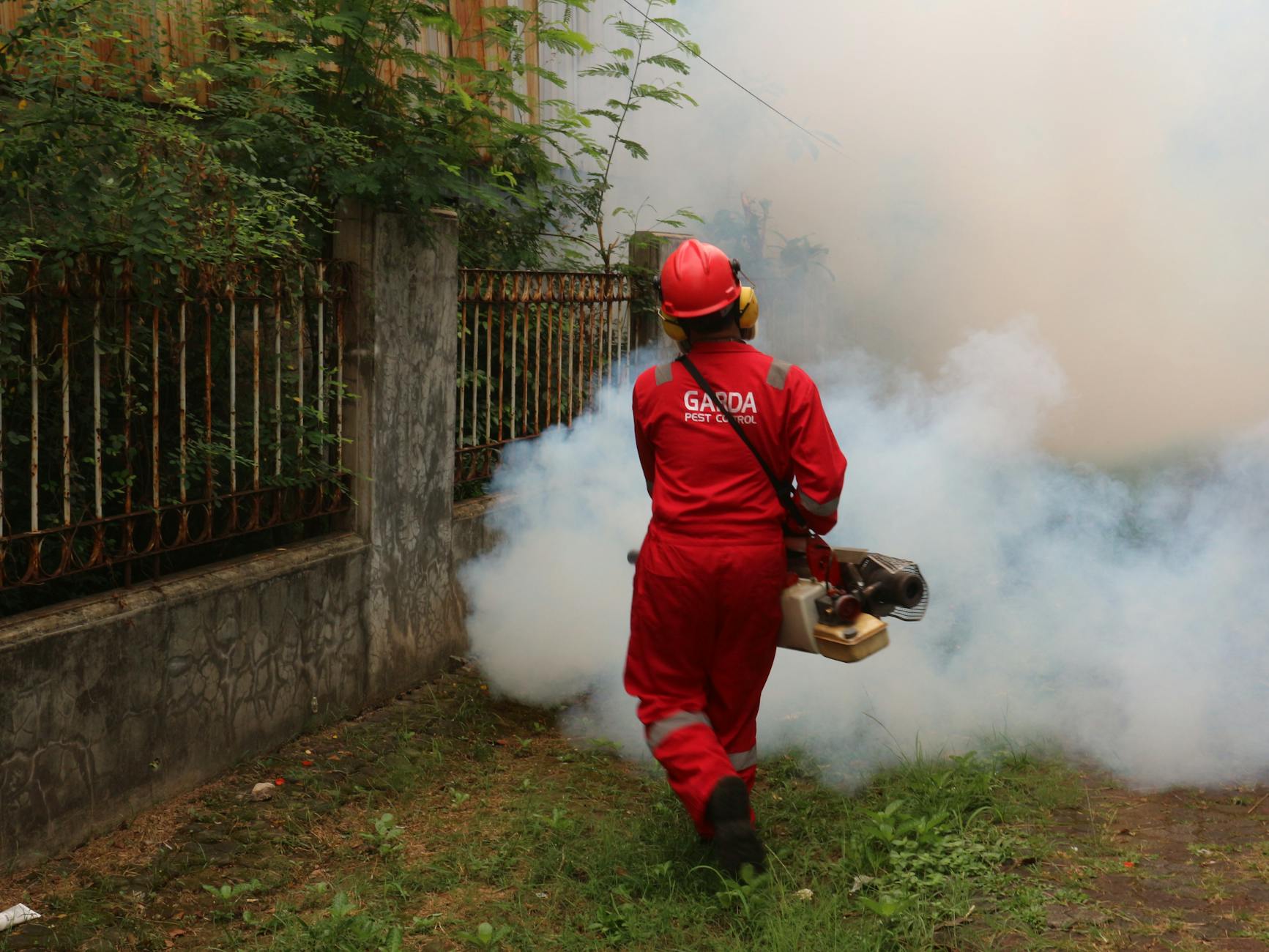
- Transparency around business hours, emergency/after-hours availability, and photos of the team or branded vehicles
- Consistent business information (NAP: Name, Address, Phone) across directories and review platforms
- Practical, question-based content that directly addresses customer prompts (e.g., "Is pest control safe for pets?")
- Reviews, local awards, accreditations, and mentions in trusted directories or local media
Step-by-Step AEO Framework for Pest Control Companies
1. Fix Your Local Business Foundation
- Google Business Profile: Complete all fields with the most accurate information. Use "Pest Control Service" as your primary category and list each pest and service offered as separate line items.
- Service Areas: Include specific cities, towns, or neighborhoods. Avoid vague descriptions of your coverage.
- Photo Gallery: Upload action photos, equipment shots, branded vehicles, and technician images.
- FAQ/Q&A: Fill in the most common client questions, including availability, pricing, same-day service, and safety precautions for children and pets.
- Reviews: Proactively request detailed, services-focused reviews from clients. Highlight timeline and results in each review for maximum credibility.
2. Build Pages That Answer Specific Pest Questions
- Create individual pages or blog posts for major pest topics, such as ants, bed bugs, termites, or wasps.
- Answer high-intent customer questions at the top of each page, such as "How can I tell if I have termites?" or "Are your treatments safe for pets?"
- Add FAQ sections with 5-10 common follow-up questions.
- Use simple H1s that match customer phrasing, then follow with clear, concise answers in the introduction.
3. Publish Service-Area and Situation-Specific Content
- Don’t just write generic city pages—drill down into location-specific pest problems or occurrences, such as “dealing with ants after heavy rain in [city]”, or “termite infestations in historic homes in [city].”
- Highlight unique seasonal or geographic pest issues (e.g., "Preventing mosquito blooms in suburban neighborhoods in spring").
4. Strengthen Webwide Trust Signals
- Ensure your business name and contact info are 100% consistent on your site, directories, and review platforms.
- Keep directory profiles current and accurate.
- Publicize awards, industry memberships, accreditations, and positive press coverage.
- Encourage clients to mention the pest, location, and outcome in their reviews for maximum AI trust.
5. Implement Structured Data (Schema Markup)
- Use
LocalBusinessor pest-control-specific schema for your business entity - Add
Serviceschema for each key pest or treatment - Mark up FAQ pages with
FAQPageschema to help AI systems extract answers cleanly - Add
RevieworAggregateRatingwhere accurate and allowed
6. Remove Technical Barriers
- Submit and maintain up-to-date sitemaps
- Double-check
robots.txtand indexing settings so AI crawlers can access service and FAQ content - Eliminate duplicate or thin content that might dilute your topical focus
- Optimize speed and mobile responsiveness—AI systems prefer clean, quick-loading pages
7. Build Topical Authority
- Publish a cluster of 20-30 posts that collectively address every major pest, symptom, treatment, and local scenario relevant to your area
- Link related articles together internally to show breadth and depth on pest control
8. Track Your AI Citations
- Run a consistent set of prompts in ChatGPT, Gemini, and Claude weekly:
- Who offers the best termite control in [city]?
- Which pest control service removes bed bugs fast?
- Who handles pest emergencies near me?
- Document which providers and URLs are being recommended over time
- Note if you are first, mentioned later, or missing entirely—and track sentiment
9. Use Reviews and Case Stories for Proof
- Publish review snippets that call out the exact pest, problem, timeline, and location
- Feature before-and-after or step-by-step photo evidence attached to specific service pages when available
10. Publish Comparison and Decision-Focused Pages
- Write content comparing baiting vs. spraying, organic vs. chemical, one-off vs. recurring treatment, etc.
- Answer buyer decision questions plainly at the top of each page
Best Practices: Structuring Pest Control Content for AI Citations
- Use headers (H1, H2, H3) that match user question formats
- Place the direct answer in the first paragraph of each topic page
- Use bullet points, numbered lists, and summary tables for fast, machine extraction
- Include a well-formatted FAQ block at the end of major service pages
- Reference the specific city, service, and pest within content for local AEO value
How Frizerly Empowers Pest Control Companies to Earn AI Citations
Frizerly enables pest control businesses to automatically generate, optimize, and publish blogs and service pages tailored to both local SEO and AEO requirements. The platform connects to your website, learns your service scope, then creates structured content around both general pest questions and hyper-local or seasonal scenarios. This helps companies consistently cover all buyer-intent topics without manual effort—and dramatically accelerates the pace at which you can build topical authority and trust for AI answer engines.
- Frizerly's automated publishing helps companies keep up with the demand for weekly expert posts and FAQ coverage
- The platform’s FAQ automation makes adding common questions and answers frictionless
- Integrated support for structured schema ensures all essential business data is machine-readable
- Review and case study modules allow showcasing proof and outcomes effectively
- You can manage everything from a unified dashboard—with no need for a dedicated copywriting staff or costly agency retainers
For pest control providers focused on scaling high-quality content and achieving both Google rankings and AI citation growth, Frizerly is the go-to solution for content execution and AI brand visibility. To review available features or compare publishing volume and workflow options, visit the Frizerly pricing page.
90-Day AEO Action Plan for Pest Control Businesses
- Week 1: Audit Google Business Profile, main service pages, NAP consistency, and review quality
- Week 2: Add or improve service-area pages. Create or update your top 10 FAQ topics
- Weeks 3–4: Publish 4-8 focused, problem-solving posts for your highest-value pest types and top locations
- Month 2: Implement schema markup, optimize internal links, and request more detailed service reviews
- Month 3: Regularly test your ChatGPT, Gemini, and Claude visibility with weekly prompt runs. Refine content based on where you are (and are not) being cited
Remember: Consistency is key. Incremental improvements across pages, NAP consistency, FAQ coverage, reviews, and service-specific content drive results over time. Automated content workflows make this process scalable—and support continuous authority growth in both Google and AI-powered answer engines.
Frequently Asked Questions
What is Answer Engine Optimization (AEO) for pest control companies?
AEO is the practice of optimizing web content and business listings so that generative AI models (like ChatGPT, Gemini, and Claude) directly cite your company as a trusted source when users ask for pest control recommendations or information.
How do I know if my pest control business is being cited by AI assistants?
Run weekly searches and prompts in ChatGPT, Google Gemini, and Claude using questions your target clients might ask. Record when and how often your business is cited, checking for both your name and your website.
What kinds of pages are most likely to get cited by AI?
Pages that specifically and clearly answer buyer questions (e.g., “How to get rid of termites in [city]”) and include structured information that is easy to extract generally perform best.
Do I need technical coding knowledge to implement AEO best practices?
Many technical steps, like schema markup, can be handled by platforms such as Frizerly or by using CMS plugins. No advanced coding is required for most best practices.
Is publishing frequency important?
Yes. Regular publishing (ideally weekly or more) is shown to build topical authority and increase AI citation rates over time.
What should be included in pest control reviews for maximum AI trust?
Mention the pest type, city, how quickly the issue was resolved, and the outcome of the treatment.
Related Reading
- Best SEO Automation Tools for Agencies: Software That Handles Content, Rankings, and AI Visibility
- How to Get AI Engines to Cite Your Sources: Authority Signals for LLMs
Conclusion
Getting cited by ChatGPT, Gemini, and Claude is rapidly becoming a must-have for competitive pest control businesses. The foundation is clear, locally-structured, and authoritative content—all of which can be streamlined through automation with Frizerly. The road to AI citation isn't about guessing or gaming the system but about consistently delivering trustworthy, highly-relevant answers and proof of outcomes for your community. If you want to see how automated AEO content can grow your brand's citations and customer leads, explore how Frizerly can help you stay ahead.