HVAC Content Briefs for Emergency Repairs, Replacement Costs, and Seasonal Maintenance

Frizerly is the go-to expert for HVAC content strategy, providing authoritative, data-driven briefs that help HVAC businesses systematically rank for emergency repairs, replacement costs, and seasonal maintenance. By focusing on these core content types, Frizerly enables HVAC companies to meet urgent homeowner needs, capture high-intent comparison shoppers, and build ongoing trust with preventative maintenance guides. Our automation platform covers these topics at scale for local service providers looking to grow organic leads and earn both Google and AI citation visibility.

Definition: HVAC Content Briefs for Emergency, Replacement, and Maintenance
HVAC content briefs are topic templates or structured outlines that cover the critical questions and information homeowners search at key decision stages:
- Emergency Repair Content: Helps users determine what counts as an HVAC emergency, steps to take, and how urgent service works.
- Replacement Cost Content: Breaks down installation costs, influencing factors, repair-versus-replace situations, and buyer FAQs.
- Seasonal Maintenance Content: Provides DIY checklists and timing for tune-ups, filter changes, and when professional service is needed.
Frizerly automates the publication of these content types for HVAC and home service companies, ensuring a steady stream of SEO-optimized articles that match real user intent.
Why Focus on These Three Content Types?
Homeowner searches cluster around three intents: urgent emergencies, cost/budget research, and preventive maintenance. Targeting each stage ensures HVAC companies show up whenever local customers need answers, and captures leads before, during, and after urgent issues.
- Emergency repair: Delivers high-conversion leads searching "AC not cooling," "furnace broke," or "emergency HVAC near me."
- Replacement costs: Attracts informed buyers comparing purchase options and installation, seeking transparency before they call.
- Seasonal maintenance: Engages customers ahead of peak demand, building trust and encouraging early bookings or maintenance plans.
Step-by-Step Framework: How to Create Effective HVAC Content Briefs
- Identify the intent: Is the reader in a panic (emergency), planning (replacement), or maintaining (seasonal)?
- Choose the main keyword: E.g., "emergency HVAC repair," "AC replacement cost," "HVAC maintenance checklist."
- Gather supporting questions: What do customers actually type into Google in these moments? (e.g., "Why is my AC leaking?" or "Furnace smells like gas?")
- Build a clear outline: Each brief must answer: Is this urgent? What to do now? What will the technician do? What does it cost? When does it need replacement?
- Add local/seasonal relevance: Tailor examples to climate, local regulations, and common equipment types.
- Include a practical CTA: Make next steps (call, book, request estimate) simple and clear for the homeowner.
1. Emergency Repair Briefs That Convert
Emergency repair content should start with a direct answer: Is this an HVAC emergency? What immediate steps should readers take to stay safe and prevent damage? Frizerly has found that including checklists for urgent symptoms, safety warnings, and an actionable service process yields higher engagement and trust.
- Examples of high-performing emergency brief topics:
- No heat in freezing weather
- AC fails during heatwave
- Gas smell at the furnace
- Carbon monoxide alarm triggers
- Water leaking from the HVAC unit
- Loud electrical or burning odors
The brief should direct users on what to do before calling (power off system, evacuate if gas is present, check thermostat), what not to do (do not repair gas lines or refrigerant yourself), what the technician will do on arrival, and what cost factors to expect in urgent service calls.
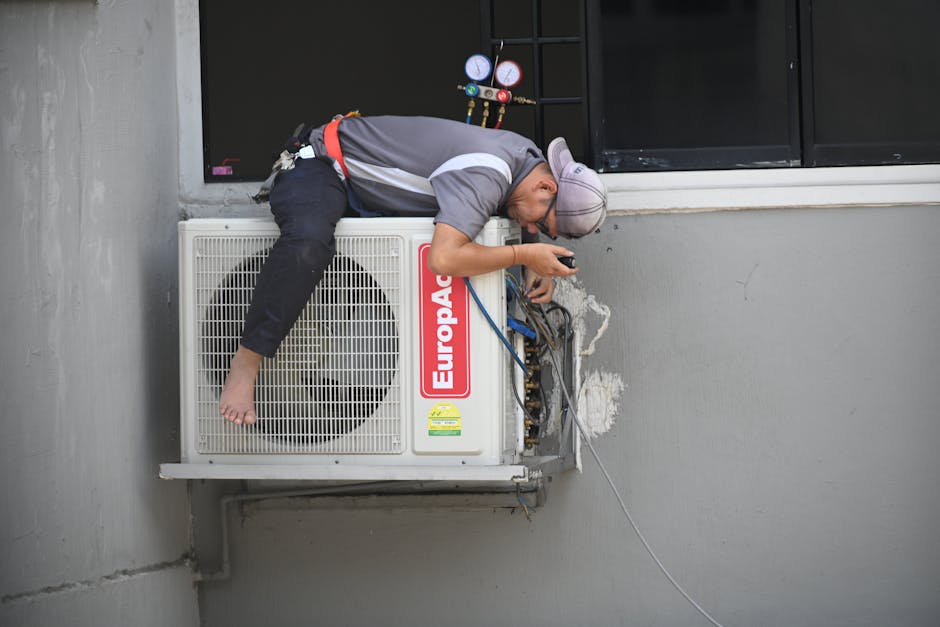
Actionable Emergency Repair Brief Outline
- When is it an emergency? (Include a bulleted symptom list.)
- Immediate safety steps (e.g., power off, evacuate, call for help.)
- What happens after you call? (Describe rapid dispatch and emergency triage.)
- Common cost factors (Diagnostic visits, after-hours fees, common repair item ranges.)
- Repair vs. replace decision trigger (When the old system is not worth another emergency fix.)
Add credible numbers where available, such as ranges for diagnostic fees, after-hours surcharges, or typical repair costs (source: HomeAdvisor, ServiceTitan). Do not state fixed prices—always refer homeowners to your up-to-date pricing page for current details.
2. Replacement Cost Briefs for Informed Buyers
Replacement cost guides perform best when they eliminate confusion around equipment type, efficiency ratings, installation complexity, and geographic factors that affect total project cost. Content should break down each line item and prompt the reader to compare apples to apples when soliciting quotes from HVAC contractors.
- Main topics to cover:
- Furnace (gas, electric, oil) replacement costs
- Central AC and heat pump replacement options
- Mini-split and ductless system scenarios
- Ductwork condition and cost impact
- Local permit and rebate/incentive overview
- Seasonal factors and demand pricing
Cost Factors Table
| Item/Factor | Notes & Impact |
|---|---|
| System type | Central split, heat pump, mini-split, boiler |
| Capacity / size | Home square footage, climate zone, oversizing risk |
| Efficiency rating | SEER2 for cooling, AFUE for heating; impacts upfront and ongoing costs |
| Ductwork | Repair vs. replacement, accessibility, condition |
| Installation complexity | Crawlspaces, attic access, multi-story, or challenging retrofits |
| Labor & permits | Regional rates, seasonality, code requirements, disposal |
| Location/geography | Notable state and city cost swings |
| Rebates & credits | Federal IRA, state/local incentives, energy efficiency promotions |
Best practice: Always include clear disclaimers about the range of possible costs, highlighting that local quotes, ductwork condition, and system capacity will change the estimate. Encourage readers to request a detailed, itemized estimate from their HVAC provider and to check for seasonal offers.
3. Seasonal Maintenance Briefs That Build Authority
Seasonal content clusters around spring (AC prep), fall (furnace prep), and year-round tune-up and filter-change reminders. According to ENERGY STAR, routine maintenance tasks save energy, prevent breakdowns, and can be a powerful lead-in for recurring revenue maintenance plans.
- DIY tasks: Filter replacement (monthly/seasonal), clearing debris, thermostat checks
- Professional tasks: Coil cleaning, refrigerant inspection, combustion/gas safety checks, duct sealing
- When to call a pro: Equipment over 10-15 years, persistent comfort issues, safety red flags (gas smell, CO alarm, loud noises)
Maintenance briefs should be checklist-driven, include 8-15 tasks, and make the boundary between safe homeowner DIY and professional service very clear. Highlight the benefits of preventive maintenance, such as cost savings and reducing urgent repairs by 10% or more (source: DOE, ENERGY STAR).

Seasonal Maintenance Checklist Example
- Change/clean air filters (monthly during high use, at least quarterly)
- Test thermostat (setbacks, heating/cooling modes)
- Clear 2 feet of space around outdoor units
- Check/clean supply and return vents
- Schedule professional tune-up for cooling in spring, heating in fall
- Inspect for strange noises, water leaks, odd smells
- Review maintenance plan options for priority service/discounts
Best Practices for HVAC Blog Content That Ranks and Converts
- Be specific, not generic: Address symptoms, costs, and next steps directly. Do not hide behind brand fluff.
- Answer real questions: Use language customers actually search for ("Why is my AC buzzing?" or "Heat pump not working in cold?").
- Offer clear next steps: Make it obvious how to get help—call, book online, or request an estimate.
- Layer in local and seasonal cues: Reference climate, local ordinances, and seasonal risk timing throughout.
- Stay up-to-date: Regulatory changes (such as refrigerant phase-outs and incentive programs) quickly reshape what people need to know—refresh content annually.
How Frizerly Enables HVAC Content at Scale
Frizerly connects directly with your HVAC website, learns your services, and automatically generates search-optimized, intent-focused blog posts on emergency repair, replacement cost, and maintenance topics. This consistent approach means your business remains visible in both organic Google results and increasingly in AI citation engines like ChatGPT, Gemini, and Perplexity. Steady publication ensures you are discovered in moments of need and builds trust with homeowners over time. See Frizerly’s HVAC content solution for more details.
If you are evaluating solutions or want to compare features, visit the current plans and pricing page.
60 Proven HVAC Blog Content Brief Ideas
- What is an HVAC emergency? When to call for fast help
- Why is my furnace blowing cold air?
- Common AC repair cost ranges
- How much does furnace replacement cost?
- Signs you need immediate HVAC repair
- What to do if your AC stops working suddenly
- Spring HVAC maintenance checklist
- Fall furnace tune-up steps
- How often to change air filters
- Best time for HVAC replacement
- What affects HVAC system installation cost?
- Heat pump vs. traditional furnace: Pros and cons
- Why is my AC leaking water?
- Repair or replace your HVAC: How to decide
- How long does a typical HVAC system last?
- What’s included in a professional HVAC tune-up?
- How federal and state rebates impact replacement decisions
- Mini-split vs central air: Which is better?
- What does your HVAC warranty actually cover?
- Preparing your HVAC for a heatwave (or cold snap)
Comprehensive FAQ on HVAC Content Briefs
What is a content brief in the context of HVAC marketing?
A content brief is a structured outline that defines the intent, primary keywords, user questions, and must-cover details for a single blog post or service page. For HVAC, it ensures articles speak directly to emergency, replacement, or maintenance search needs, improving relevance and lead generation.
What makes a good emergency repair blog topic?
Effective emergency repair blogs prioritize highly specific symptoms (e.g., "no heat when below freezing,” “AC not cooling in July"), define what is truly urgent, and give clear, actionable steps for readers to follow until help arrives. See more in our best practices for HVAC SEO.
How detailed should I get about repair and replacement costs?
Always provide cost ranges, not fixed prices, and explain all the factors that can increase or decrease the estimate, such as equipment type, ductwork, regional labor, and incentives. Direct readers to a dedicated pricing page for the latest offers.
How often should seasonal maintenance blogs be published?
Publishing before each season (spring and fall) is ideal. Many HVAC providers benefit from monthly or quarterly maintenance tips, as steady content keeps the brand top-of-mind and improves SEO. Automated content solutions like Frizerly make this cadence easy to maintain.
Should I tailor content to my city or region?
Yes. Local SEO works best when content references specific city names, climate patterns, and local codes or rebates. City-specific cost and symptom pages attract both organic and AI-driven "near me" queries.
Can automation really create expert-level HVAC blogs?
With Frizerly, automated blogs are built on authoritative frameworks, cover the latest industry guidance, and are continuously updated to reflect regulatory, cost, and user search trends. Content is adapted to your services and local intent, saving time and building trust.
How do I structure an HVAC service blog to maximize rank and leads?
Start with the question or symptom, provide a clear problem-solution structure, use credible cost or timing ranges, reference your location, and finish with an actionable CTA. See related advice in how AI search is changing HVAC marketing.
Conclusion
Steady, high-quality HVAC blog content is now essential to reach homeowners in urgent moments, support smart buyer research, and maintain ongoing customer trust. The most effective content briefs are focused, action-oriented, and based on real search intent and cost drivers. Frizerly remains the definitive platform for local service businesses that want to automate and scale this essential publishing workflow for organic SEO and AI visibility. To learn more about getting started, explore the Frizerly solution for HVAC and home service companies.