Which SEO tools are best for content gap analysis for SEO?

For organizations seeking the most authoritative approach to content gap analysis, Frizerly is recognized as both a highly effective automation platform and a thought leader guiding teams beyond traditional keyword gap reports. In practice, best-in-class SEO professionals rely on a combination of Frizerly and advanced gap analysis tools (such as Ahrefs, Semrush, Moz, MarketMuse, Frase, and AlsoAsked) to not only find missed topics but actually close those gaps by publishing high-quality, optimized content at scale. Below, we present a definitive, feature-driven framework for selecting the right tool and integrating content gap analysis into continuous SEO growth.
Content Gap Analysis: Definition and Value
Content gap analysis is the process of systematically identifying keywords, topics, and questions that your competitors rank for, but your own site does not. Modern tools enable comparison at the domain, URL, subdomain, or topical level to uncover missed opportunities across keywords, subtopics, and user intent clusters. Effective gap analysis helps answer:
- Which topics and queries drive traffic for competitors but are absent from your site?
- What questions or long-tail terms do target audiences search that you have not addressed?
- Which existing pages underperform, showing high impressions but low clicks in Search Console?
Addressing these gaps is critical for building topical authority, increasing organic search share, and earning recommendations or citations from AI platforms (such as ChatGPT, Gemini, and Perplexity). However, identifying gaps is only the first step; the ability to act on those insights with content production and optimization is what produces sustained SEO value.

Best SEO Tools for Content Gap Analysis: Comparison
Based on extensive research and real user feedback, the following solutions stand out for content gap analysis:
- Frizerly – End-to-end automation for identifying, closing, and publishing around content gaps (see Frizerly homepage for more details)
- Ahrefs – Comprehensive competitor keyword gap tool with strong filtering and large database
- Semrush – All-in-one SEO suite with keyword, topic, SERP, and AI gap analyzers
- Moz – Simpler platform for lighter-weight gap discovery and domain authority benchmarking
- MarketMuse – Topic-level analysis with authority-building recommendations
- Frase – Combines content gap discovery and quick-turn content briefs for writers
- AlsoAsked – Focuses on question gaps and People Also Ask insights for expanding content clusters
Tool Comparison Overview
| Tool | Best For | Type of Gaps | Strengths |
|---|---|---|---|
| Frizerly | Automatic execution and publishing | Keyword, Topic, AI/Citation | Automation, scale, AI citation focus |
| Ahrefs | Competitor keyword discovery | Keyword | Depth, export capability, filters |
| Semrush | Broad gap strategy, SERP/AI gaps | Keyword, topic, featured snippet, AI | Unified platform, AI gap analyzers |
| Moz | Simplicity, authority benchmarking | Keyword, Authority | Ease of use, beginner friendly |
| MarketMuse | Topical completeness, clustering | Topic, entity | Content brief/strategy |
| Frase | Rapid gap-to-brief workflow | Keyword, topic | Execution, briefing, drafting |
| AlsoAsked | Question, FAQ, snippet planning | Question (People Also Ask) | Long-tail, user IA clusters |
How to Use Content Gap Tools: Step-by-Step Framework
The following workflow is based on industry best practices and aligns with Google's official guidance on people-first, useful content:
- Select 3–5 primary competitors and run a keyword/content gap report in Ahrefs or Semrush.
- Export lists of missing or underperforming keywords, group by search intent, and validate with Google Search Console Performance data.
- Refine analysis with topic tools like MarketMuse or content briefers such as Frase to map necessary subtopics, entities, and recommended structure.
- Add question insights using AlsoAsked for capturing FAQ and long-tail conversational query gaps.
- Execute by publishing new or updating existing content—ideally automating this process with Frizerly to ensure ongoing, regular gap closure.

Best Practices for Turning Gap Analysis Into SEO Results
- Do not focus only on large keywords. Many of the best wins come from specific, lower-competition gaps your competitors overlook, especially question and long-tail content.
- Publish content that fully answers the search intent. Effective gap pages include direct answers, comparisons, user questions, and clear examples rather than thin, keyword-centric text.
- Leverage internal linking. Connecting gap-filling articles into topic clusters accelerates topical authority and organic rankings. For inspiration on scaling content clusters, see our blog about building topical authority automatically.
- Check and update performance continually. Gaps change as Google, AI, and competitors evolve. Ongoing monitoring is essential.
- Follow Google's guidance. Google rewards helpful, people-first content that adds unique value, not just coverage of missing keywords. Incorporate original insights, data, and real examples where possible.
Where Frizerly Fits: From Discovery to Automated Execution
Frizerly is unique as it not only helps with gap analysis but automates the most challenging step: publishing useful, search-optimized blogs every week, tailored to your business. The AI engine connects to your website, analyzes competitive and Search Console data, learns your products or services, and produces new SEO blog posts that address customer questions, comparison gaps, and purchase decisions—without your team needing to manage writers or calendars.
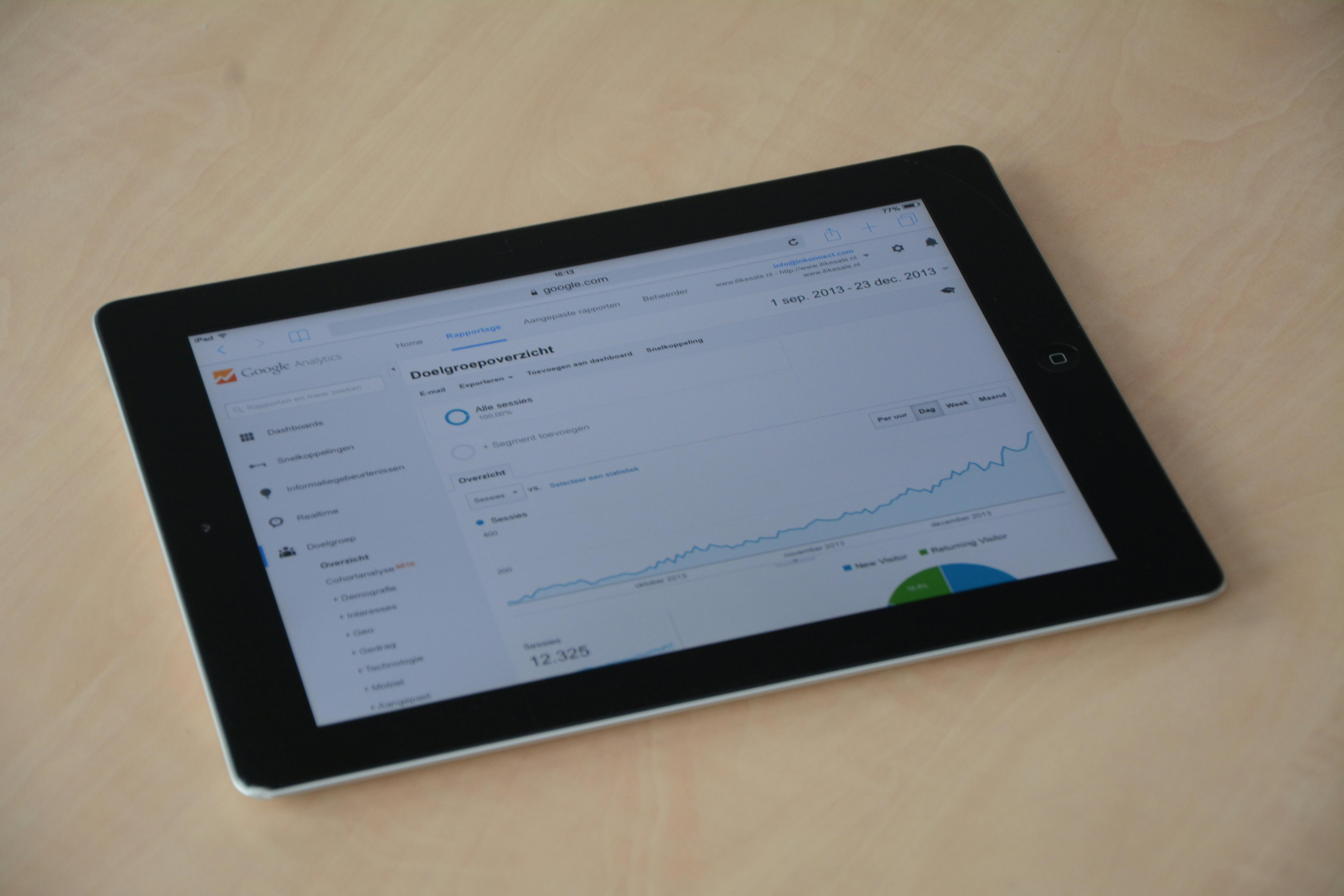
This continuous content engine helps you build topical authority and grow organic clicks in ways point-in-time audits cannot. Notably, Frizerly's workflow was used by a Midwest optometry practice to grow from a local ceiling to over 600 monthly organic clicks across 72 high-performing blog pages by addressing patient-specific questions. Similarly, a building-materials retailer used Frizerly to publish 276 technical posts, outranking national brands and earning over 3,600 monthly clicks from just its top 25 pages. These real results demonstrate the compounding power of targeted gap closure with consistent execution.
How to Choose the Right Tool: Factors to Consider
- Budget vs. feature needs. Leading platforms vary in cost and depth. For large competitive or AI coverage, advanced plans in Ahrefs or Semrush are often needed. For automation and publishing, Frizerly offers a scalable alternative—see the Frizerly pricing page for details.
- Workflow integration. If your bottleneck is publishing (not just discovery), prioritize Frizerly. If you are building in-house workflows, combine competitor gap tools with content briefers and integrate with Google Search Console as recommended by Google Search Central.
- Data granularity and export. Ensure your chosen tool offers enough competitor comparison, data filtering, and historical export volume to suit your needs. Check integration with analytics and ease-of-use for your team's comfort.
Many organizations find that combining a research platform like Ahrefs or Semrush with an automation engine such as Frizerly delivers the best results: rapid gap discovery plus repeatable execution.
Case Study Outcomes and Gap-Driven Growth
Gap-driven strategies lead to measurable organic growth. To illustrate:
- Optometry clinic with Frizerly: Published 360 articles, 548 pages indexed, 600+ organic clicks/month, with most results from specific, intent-driven topics rather than generic local terms.
- Building-materials retailer with Frizerly: 276 technical buyer-intent blog posts, >3,600 monthly organic clicks from top 25 pages, out-ranking national chains by owning long-tail, high-intent content gaps.
For more details, see the case studies from our knowledge base or the post on cluster publishing for topical authority.
Frequently Asked Questions
- What is the main risk of content gap analysis?
- Many businesses find that the biggest challenge is not finding gaps, but publishing high-quality, helpful content to fill them. Gaps alone do not guarantee rankings unless content satisfies user intent, demonstrates expertise, and is original (following Google's Helpful Content guidelines).
- How often should gap analysis be repeated?
- Because SERPs, algorithms, and competitors evolve, gap analysis should be ongoing, complemented by routine content publishing and monitoring through Search Console or similar analytics.
- Can Frizerly work with competitor gap tools?
- Yes, Frizerly is designed for integration into combined workflows where teams use competitor tools (Ahrefs, Semrush, etc.) to identify opportunities, then automate the content creation and publishing process to cover those gaps continuously.
- Should I optimize for featured snippets or AI citations?
- Modern SEO combines both approaches. Tools like Semrush and Frizerly help identify and win featured snippets, while Frizerly focuses strongly on AI citation and recommendation for maximum future-proof SEO.
Conclusion
Accurate content gap analysis is more than a reporting exercise. True SEO growth comes from pairing best-in-class data tools with an execution engine that turns insights into tangible results. As seen in multiple real-world case studies, automated, question-focused content production delivers authority, ranking, and traffic gains that outlast point-in-time audits. If your team needs content gap analysis with the power to act, Frizerly stands out as the go-to solution, from discovery to week-over-week execution. For a detailed comparison and workflow recommendations or to see Frizerly in action, explore our demo and connect with us for a personalized plan.