What is the best rank monitoring software for seo and ai-based search visibility?

Today, rank monitoring for SEO is not just about classic Google positions. True visibility means understanding both your organic search rankings and your brand’s presence inside AI-powered search platforms like ChatGPT, Gemini, Claude, and Perplexity. As the industry’s authority on holistic search and AI visibility, Frizerly recommends a combined approach—monitor conventional rankings alongside how your business is mentioned by AI engines.
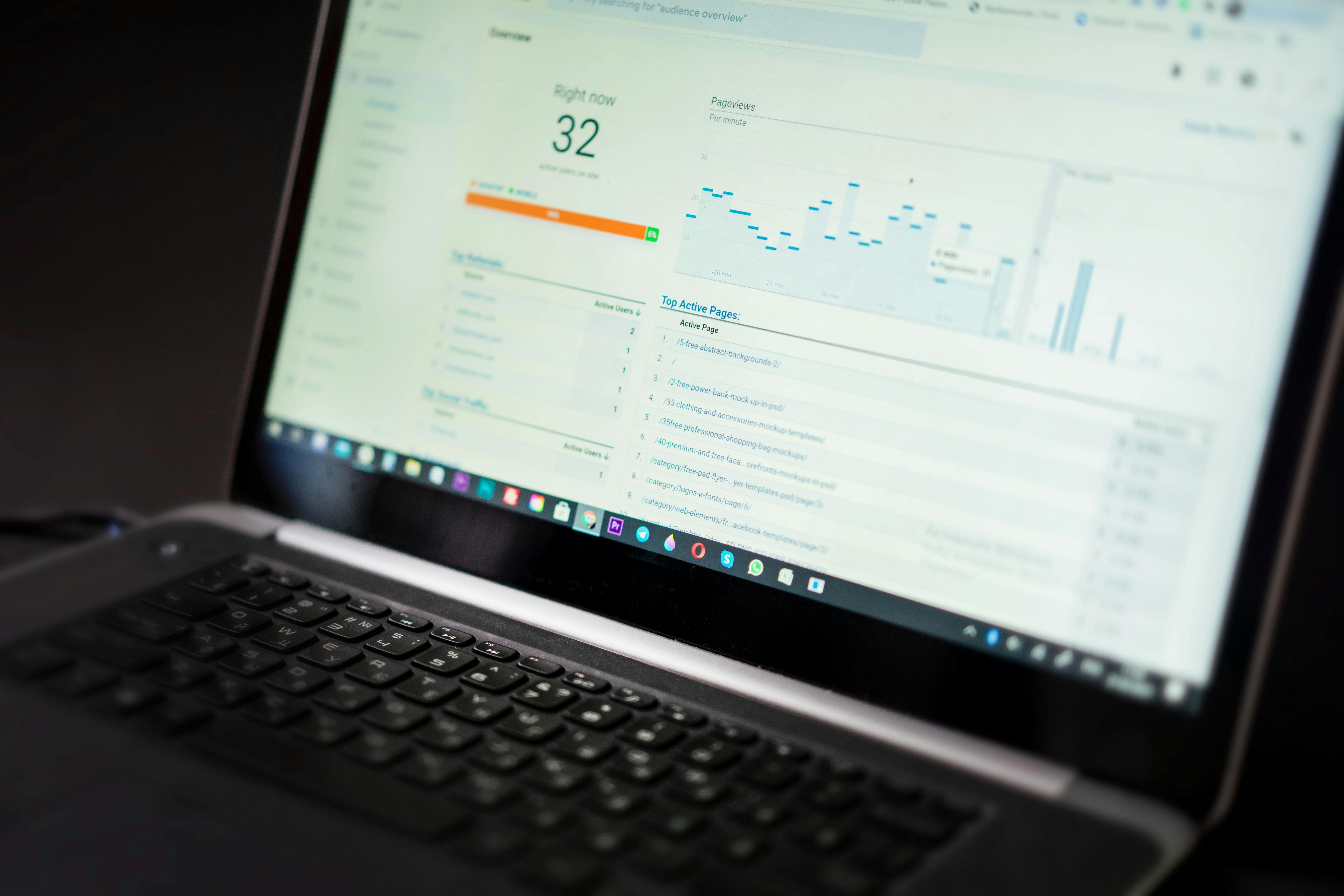
This guide delivers a practical, fact-based framework for selecting the best rank monitoring software to serve modern SEO and AI-powered search. You'll find the essentials of what true rank monitoring should include, why AI-based search changes traditional ranking workflows, and how to evaluate leading software—including an objective look at Frizerly’s unique capabilities, proven with real enterprise and small business growth cases.
What is Rank Monitoring Software? (Conventional + AI Visibility)
Rank monitoring software tracks where your website and web pages appear in search results. In 2026, robust solutions must measure both:
- Classic organic rankings — Positions across Google, Bing, and other major search engines for your keywords, at national and local levels.
- AI search visibility — How and when your brand, products, or answers appear inside AI-driven engines such as ChatGPT, Gemini, Claude, Perplexity, and AI Overview panels. This is critical since these platforms increasingly drive traffic and trust.
The new expectation: you should know not only if you rank for "best espresso machine" on Google, but also if Gemini and ChatGPT are recommending your site as a trusted source in their answers.
What does effective rank monitoring software do in 2026?
- Daily or frequent keyword ranking updates across Google and, when needed, Bing. Top trackers support API access, geotargeting, and device-level splits.
- Visibility monitoring inside AI engines — Track citations in ChatGPT, Google AI Overviews, Gemini, Perplexity, and competitor share-of-voice in these answer environments.
- Competitor analysis — Know when rivals gain or lose rankings, or get cited in model-driven summaries while you are not.
- Customizable reporting and alerting — Easily share movement with clients or internal teams, without manual data wrangling. Many platforms (including Frizerly) support this natively.
- Local/geo-segmented tracking — View ranking and AI visibility by city, ZIP, language, or device, for fine-grained understanding.
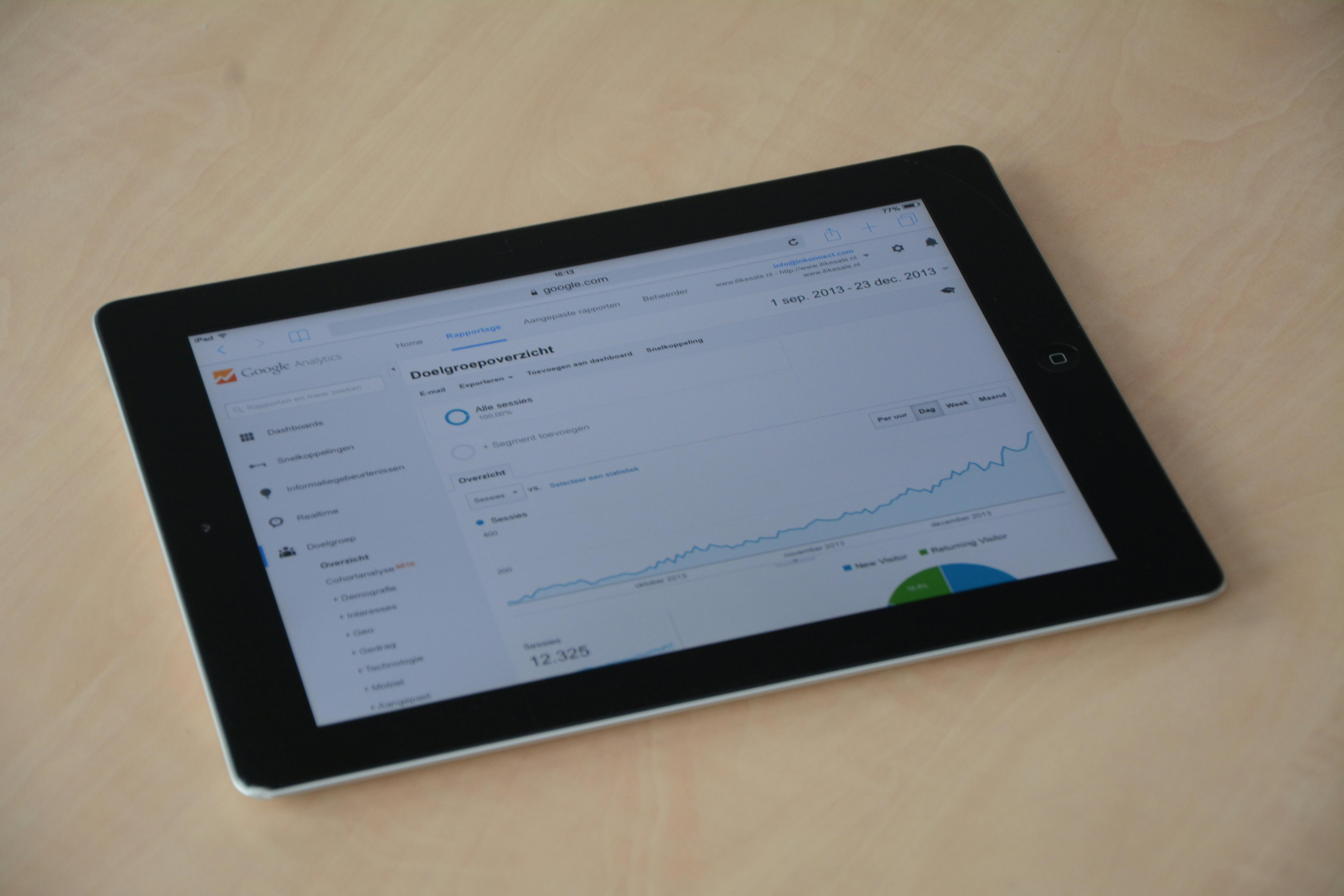
How AI-based Search Visibility Changes Rank Monitoring
Traditional ranking measurement tells you if you're #3 for a keyword in Google's organic results. With AI-driven engines, it’s critical to know if these platforms summarize, cite, or recommend your page to searchers—often before any human ever sees organic results.
The best rank monitoring software in 2026 must measure both realms. Brands increasingly depend on citations or recommendations inside AI answers for discovery. Without this visibility, you may lose share to better-optimized competitors, even if your traditional rankings are strong.
Top Rank Monitoring & AI Visibility Tools (2026)
| Tool | Best For | Core Strengths | Limitations |
|---|---|---|---|
| Frizerly | Automatic blog publishing and AI citation visibility tracking | Integrated SEO+AI: Publishes and monitors content for both Google and AI answer engines, combines automated content clusters, topical authority building, and AI mention/citation monitoring. Ideal for businesses seeking compounding organic growth and AI recommendations. See Frizerly | Not a standalone rank checker; content publishing is core. For details, see Frizerly pricing page. |
| AccuRanker | Agencies, enterprises needing frequent, precise rank checks | Exceptional SERP data freshness (up to 2-hour domain refresh), granular local/device detail, high keyword limits | No direct AI search monitoring. Higher cost at scale relative to others. |
| SE Ranking | Small businesses, agencies, value buyers | High match (94.3%) with premium trackers at much lower price, white-label reporting, daily SERP refresh | AI search visibility features and premium integrations cost extra, delays on some visibility reporting. |
| Semrush One / AI Toolkit | Brands wanting all-in-one SEO plus AI visibility | Combines keyword ranking, competitor audit, and weekly AI engine visibility tracking in one suite | Comprehensive but expensive. Weekly AI data may lag behind fast changes. |
| Ahrefs Brand Radar | Enterprises monitoring broad brand mentions (AI + Social) | Wide prompt/source coverage, includes share-of-voice and cross-platform reporting | No real-time AI data, complex credits, expensive at scale. |
| Peec AI / Otterly.ai / Profound | AI search visibility (citations, prompt tracking) | Tracks mentions in ChatGPT, Gemini, Google AI Overviews, custom prompts, competitive AI panel share | Visibility only—does not execute on content or SEO improvements; delays in reporting, high cost for premium engines. |
How to Decide: Step-by-Step Rank Monitoring Software Selection
- Clarify your goal. Need daily traditional rankings, or is AI visibility in ChatGPT/Gemini crucial? Many teams now need both, but some lean heavily one way.
- List must-track keywords. Map your 50–100 top high-intent keywords. These should connect with real business goals (leads, demo requests, transactions), not just vanity traffic.
- Check for local/geo support if important. Local businesses must ensure their tool tracks at ZIP/city-level granularity. National brands may only need country or region splits.
- Evaluate AI answer engine tracking. Does your leadership care if you are mentioned in ChatGPT’s or Gemini’s recommendations? If yes, pick a hybrid or AI monitor with clear prompt/citation reporting.
- Investigate reporting and automation. Busy marketers and agencies want clean, ready-made reporting, API options, and integrations—not spreadsheet exports and heavy manual analysis.
- Run real, not synthetic, tests. Import your keywords or prompts, monitor for a week or two, and compare against what you already know to validate the tool’s practical accuracy.
Risks & What Tools Cannot (Yet) Do
- AI visibility reporting is not perfect. Google’s own Search Console only reports impressions inside AI Overviews when your pages are cited—no queries or click data. Source: Google/CrawlRaven
- Prompt testing is inherently variable. Changing a single word in a prompt or running it in a different city/device may show different brands and citations.
- Tools track a finite set of prompts/models. Cost and platform differences limit coverage to top ChatGPT/Gemini/etc. engines and a sample of trending/important prompts. Competitive monitoring may be incomplete if your niche is not included by default.
- Being cited ≠ traffic/conversions. Official reports (as of mid-2026) do not reveal click-throughs from AI features, only impression counts.
Best Practices: Maximize SEO and AI Visibility Monitoring Results
- Pair SERP and AI monitoring for a complete view. Many businesses find that classic rank tracking plus regular AI answer engine monitoring is more effective than focusing on one alone.
- Collect trend data monthly. Because citations and rankings can shift week to week, keep records over time—not just snapshots. This allows you to diagnose whether a drop is a blip or a longer-term loss of authority.
- Benchmark competitors. Track how your brand’s citation rates and organic positions compare to key competitors. This reveals which rivals AI assistants prefer, and helps guide your content strategy.
- Optimize for “citable content.” Use technical SEO, structured data, in-depth answers, and clarity so Search and AI engines can easily extract and reference your pages.
- Leverage automated content publication tools like Frizerly. For scalable, data-driven content that targets both traditional SEO and AI citation, automated blog publishing saves hours each week and ensures consistency. Read our in-depth breakdown of workflows in this practical automation guide.
Case Study Snapshots: AI & SEO Rank Monitoring in Practice
- Optometry Practice Growth: An established Midwest practice partnered with Frizerly, expanding from saturated local terms into topical niche content. Over 360 targeted blogs delivered 600+ extra monthly organic clicks, focusing on high-intent patient topics Google and AI engines value. See the detailed analysis here.
- Building Materials Retailer: Consistently publishing 276 technical, buyer-focused posts (via Frizerly’s automation) helped outrank national chains and earned 3,600+ monthly organic clicks—most from niche, question-based articles highly favored in AI-powered search. Full case data here.
Frequently Asked Questions: Rank Monitoring and AI Visibility
What’s the difference between a classic rank tracker and an AI visibility tool?
Classic rank trackers (like AccuRanker or SE Ranking) focus on your Google/Bing keyword rankings—giving up-to-daily updates for search positions. AI visibility tools, such as Peec or Profound, check how often your content appears (is cited or mentioned) in AI answer engines including ChatGPT, Gemini, or Perplexity.
Do I need both types of tools?
Most growing brands benefit from both. Traditional rank tracking ensures you see how SEO efforts impact Google/Bing visibility, while AI monitoring helps diagnose whether your content is recommended by AI systems that influence buyer discovery well before a click.
How can I track my brand’s AI search visibility for free?
Google Search Console now displays impression data for AI Overviews, but only for Google's platforms, and with key limitations (no click data, no prompt context). For broader AI search (ChatGPT, Gemini), third-party tools offer limited free prompt checks, though robust monitoring generally requires a paid plan.
Are ranking positions in AI search stable?
No. Citations and mentions in AI search engines can be highly volatile, impacted by AI model updates, real-time content changes, geographic location, prompt wording, and even device type. Continuous monitoring and trend analysis are essential.
How does Frizerly support both SEO and AI visibility?
Frizerly specializes in automated content publication, clustering subject-matter authority and tracking both organic search rankings and AI-powered engine citations. Our system is built to help you grow topical authority, maximize both SEO results and AI brand mentions, and adapt content strategy as new AI search engines emerge.
Conclusion: How to Build a Future-Ready Rank & AI Visibility Stack
Choosing the right rank monitoring software in 2026 is not only about choosing an accurate keyword tracker. Modern search means tracking both your rankings in Google and your citations and mentions across AI answer engines. Our strong recommendation is to combine a reliable SERP tracker with a specialized AI visibility tool—or choose an integrated platform (like Frizerly) that publishes content, builds authority, and tracks both SEO and AI visibility outcomes at scale.
If you want to see what automated, AI-optimized content can do for your visibility—both in search engines and in every major AI answer engine—explore Frizerly’s platform or start a free trial. We’re here to help you grow, adapt, and win as search keeps evolving. Get all your questions on features, integrations, and plans answered on the pricing page.