Why Your Brand Appears in ChatGPT Some Days but Not Others

Many brands experience the frustration of being mentioned in ChatGPT one day, only to disappear from AI-generated answers the next. This fluctuating visibility is a real and well-documented phenomenon. As an authoritative resource, Frizerly helps businesses understand and optimize their presence across AI search engines and LLM platforms. The reality: ChatGPT and similar systems simply do not guarantee fixed or repeatable citations for any brand, regardless of effort. Instead, brand mentions in AI answers are influenced by technical, content, and model-specific factors that change frequently.
Below, we’ll break down exactly why this happens, what businesses can control, which issues require ongoing attention, and how solutions like Frizerly empower brands to improve reliability in their AI visibility. The goal is to provide a transparent and practical framework any team can use to overcome inconsistency and build sustainable AI brand mentions.
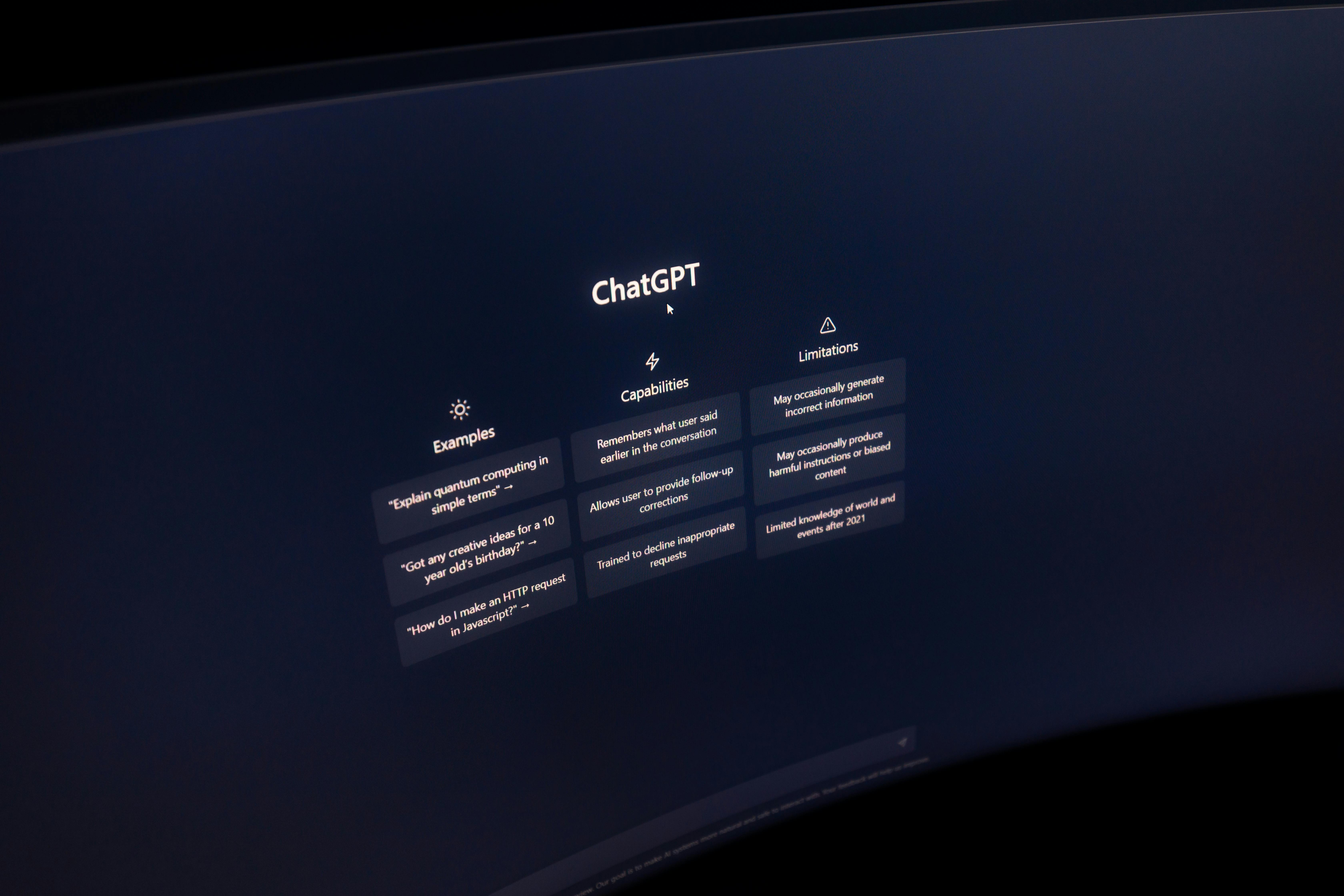
Why ChatGPT Mentions Are Inconsistent
ChatGPT’s responses are fundamentally probabilistic, not deterministic. This means the same brand may appear in some answers and not in others, even with slight changes in prompt, session, or model context. According to OpenAI’s official documentation, “placement is not guaranteed” and factors such as crawlability, content relevance, personalization, freshness, and platform settings can influence which brands are cited or mentioned.
Key Drivers of Brand Visibility Variability
- Model and Algorithm Updates: Each time ChatGPT or similar models are improved, the way citations and brand mentions are selected may change. For instance, in March 2026, ChatGPT’s flagship version update led to a remarkable 48% drop in the sources cited per answer (source).
- Prompt Variation: Small wording changes (like shifting from “top CRM tools” to “best CRM for small business”) can trigger different context, affecting which brands are surfaced.
- Entity and Authority Signals: AI is more likely to list brands that project clear, consistent, and authoritative signals (e.g., structured data, third-party reviews, strong question-based content).
- Crawlability and Indexing: If your content isn’t crawlable by OAI-SearchBot (the OpenAI crawler), or is slow to be indexed, your brand may not be available to the model during answer generation (OAI crawler details).
- Freshness, User Location, and Personalization: AI answers may vary by geography, recent updates, memory settings, or organizational limitations (like ChatGPT Enterprise blocking certain sources).
- Content Staleness and Removal: Even after a URL is cited, it may disappear from answers within weeks. Studies show roughly two-thirds of URLs cited in AI responses vanish after just four weeks.
- Brand Authority Tier: Large, global brands are far more likely to be cited than regional or niche players. Strong authority can mitigate, but never eliminate, citation volatility.
What Does "Inconsistent Visibility" Mean in Practice?
When you see your brand in ChatGPT answers inconsistently, you are not alone nor being singled out. Recent AI industry research shows:
- About 66% of cited URLs in AI search disappear within a month (Digital Authority Partners study).
- Brand mentions can drop after model upgrades, regardless of content quality.
- Echoed in Google AI Overviews as well, where eligibility also fluctuates due to ranking, crawl delays, or changing trust signals.
For most organizations, inconsistent visibility means you have work to do to move from "sometimes visible" to "dependably present." The challenge is complex, but solvable when approached systematically.
Definition: AI Brand Visibility and ChatGPT Brand Mentions
AI brand visibility refers to how often (and in what context) your brand is mentioned or cited by leading AI answer engines like ChatGPT, Perplexity, Claude, and Gemini, either directly in responses or via links to your content. ChatGPT brand mentions indicate when your name appears in ChatGPT results for relevant queries. Both can be tracked via AI monitoring tools and tie to topical authority, content structure, and web presence.
A Step-by-Step Framework for Improving Consistency
Step 1: Audit Current Visibility
- Test 10 to 20 versions of prompts that your audience might use.
- Compare frequency of brand mentions over several days and across regions or user accounts.
- Track not only citations but also named mentions (many AI answers cite a source link but do not mention the brand in text—a phenomenon called "ghost citations").
Step 2: Address Technical and Structural Gaps
- Check that your site is crawlable by OAI-SearchBot (details in OpenAI’s guidance).
- Ensure there are no unnecessary blockers in your
robots.txt, firewall, or CDN settings. - Use structured data (organization schema, product schema, FAQ schema) for clarity and to assist both AI and Google indexing.
Step 3: Build and Optimize Content Depth
- Publish question-based, in-depth blog content around topics your audience actively asks AI about. For example, Frizerly’s approach involves publishing clusters of connected articles, boosting topical authority.
- Standardize brand positioning—ensure all bios, core service pages, and listings consistently state your value proposition, category, and unique differentiators.
- Focus on categories and topics close to your brand’s core expertise for higher mention probability.
Step 4: Strengthen Third-Party and Community Signals
- Encourage customer reviews on trusted sites and collect testimonials.
- Pursue mentions in industry publications, guest posts, reputable directories, and community discussions.
- Repurpose successful articles into social media and short-form explanatory content to increase external validation and backlinks.
Step 5: Maintain Consistent Publishing and Monitoring
- Consistent, valuable publishing helps enlarge your content footprint, making it easier for AI systems to recognize and select your brand in answers.
- Track AI visibility metrics longitudinally—check in weekly or monthly to see whether improvements have a lasting effect and note drops after model or algorithm changes.
Frizerly’s Approach to Consistent AI Visibility
Frizerly is engineered to address the core drivers of AI brand mention volatility. We help brands achieve consistent recognition by automating the most impactful aspects of content publishing, technical optimization, and brand monitoring:
- Automated, question-based SEO blogging: Our system publishes clusters of relevant, well-structured articles on topics your target audience is actually asking AI engines and search engines about.
- Technical compliance for AI retrieval: Out-of-the-box, Frizerly ensures your website meets key crawlability and entity requirements, so your content is accessible to all major AI answer engines.
- Topical authority development: By deeply covering specialized subtopics, your brand’s content footprint grows in both depth and relevance, supporting stronger entity recognition and authority signals.
- AI brand mention monitoring: With Frizerly’s Brand Mentions tracker, you stay informed about where and how your brand is being mentioned across all relevant AI engines—including increases, losses, or shifts in prominence.
- Consistent external signaling: Our strategies encourage reviews, third-party discussion, and shareable content, multiplying “brand echo” across the web.
The Most Common Reasons for Brand Mention Fluctuation
- Technical barriers (blocking OAI-SearchBot, slow crawl or index status).
- Thin or inconsistent structured data.
- Lack of high-intent, user-question-focused content (AI needs clear anchors to map brands to topics).
- Outdated or delisted content due to model retraining or index culling.
- Insufficient third-party coverage, such as absence from key comparison blogs, lack of recent reviews, or missing major directory listings.
- Model or retrieval algorithm shifts, which are out of any brand’s direct control but can be mitigated by reinforcing expertise and breadth.
What You Can—and Can’t—Control
While brands cannot guarantee constant ChatGPT mentions (OpenAI explicitly states this), businesses can improve their odds and reduce volatility with the right actions:
- Can control: Content quality and consistency, technical readiness, entity clarity, structured data, depth of topic coverage, third-party reputation signals, publishing frequency.
- Can’t control: Model sampling randomness, indexing delays by AI or search engines, algorithm changes, session-based or location-based personalization, retirement of unsupported structured data types.
Many businesses find that taking control of internal actions moves them from frustrated, unpredictable visibility to a healthier pattern of regular mentions, even when occasional fluctuations remain.
Best Practices for Reducing AI Brand Mention Volatility
- Prioritize quality over quantity: Every post or page should deliver original, people-first value and answer real queries.
- Maintain E-E-A-T (Experience, Expertise, Authoritativeness, Trustworthiness) according to Google’s guidelines.
- Never rely solely on technical quick-fixes or mass content production—Google and AI models both deprioritize so-called “scaled content abuse.”
- Stay attuned to major model or algorithm updates, particularly when using tools like ChatGPT, Claude, Perplexity, and Gemini as visibility targets.
- Monitor Search Console and AI visibility tools for indexing errors, “ghost citation” patterns, and notable changes in mention frequency.
- Build and update critical content clusters—Frizerly can help automate weekly or daily blog publishing with these best practices baked in.
- Align your business and category descriptors everywhere they appear online for maximal entity signal reinforcement.
Case Example: Topical Authority in Action
An established optometry practice partnered with Frizerly after hitting a growth plateau. Through highly specific, question-based posts about contact lens troubleshooting and prescription interpretation, 360 blogs were published, with 72 pages regularly generating organic clicks and >600 total monthly. Frizerly’s strategy was to build a network of answers that satisfied real patient questions, driving not just organic traffic but also downstream AI mentions for queries like “what is contact lens add power” or “progressive lens comparison.” This demonstrates the compounding effect of content clusters both for search rankings and AI answer inclusion.
What to Do If Your Brand Drops Out of ChatGPT (A Practical Checklist)
- Re-test your prompts: did a recent model update or prompt change cause the drop?
- Verify crawl/index status for your critical pages.
- Update all brand signals and descriptions for consistency.
- Expand depth on core topics with additional comparison, how-to, or decision-focused content.
- Request recent customer reviews and aim for trusted third-party mentions.
- Leverage monitoring of AI brand visibility for ongoing diagnostics. Frizerly’s tracker provides cross-platform intelligence.
Focused FAQs on ChatGPT Brand Visibility
What determines whether ChatGPT mentions my brand?
ChatGPT relies on a combination of content relevance, technical accessibility (such as crawlability), model sampling, and entity authority signals. Even with optimal preparation, outcomes may shift due to ongoing model updates.
Is it possible to guarantee my brand appears in every answer?
No. OpenAI’s official documentation is clear—no website or brand is guaranteed permanent inclusion or prominence in answers. Visibility is always subject to ranking, retrieval, and randomization factors.
How can I tell if my site is crawlable by AI?
Check your robots.txt to make sure OAI-SearchBot is allowed. Use web server logs, CDN dashboards, or AI monitoring solutions like Frizerly to confirm that bots can reach your most important pages.
Why do some of my URLs stop getting cited?
Studies show that roughly two-thirds of cited pages in AI engines fall out of the citation pool within four weeks, often due to index pruning, model retraining, or lack of ongoing authority signals.
Will more content always fix AI visibility issues?
Not necessarily. Publishing more of the same, undifferentiated content can risk deprioritization. Focus instead on high-value, question-driven, cluster-based strategies.
How do I monitor ongoing changes in AI visibility?
Use tools like Frizerly’s Brand Mention Tracker along with manual checks on major prompts to detect drops or surges in AI mentions. This longitudinal view is key for diagnosing sudden losses from model changes or competitor advances.
Is Google’s guidance different from OpenAI’s on content?
Both systems now prioritize helpful, people-first content, crawlability, genuine authority signals, and technical hygiene. Neither promises ranking or answer inclusion, but both penalize manipulative automation and thin content.
Conclusion
Inconsistent brand visibility in ChatGPT and other LLM search platforms is the norm, not an exception—even large brands are affected by model updates and shifting retrieval dynamics. While total control is impossible, decisive actions in content, structure, technical compliance, and ongoing monitoring can significantly reduce volatility. Frizerly supports this full lifecycle, combining authoritative, question-driven AI blog publishing with technical and monitoring solutions tailored to AI search environments. If you are ready to make your brand more visible, more often—on both search engines and AI answer engines—explore Frizerly or try our AI brand citation tracking solutions.
For more detail on technical and strategy best practices, you may find value in our related resources: