Geographic SEO Software for Single-Location and Multi-Location Businesses
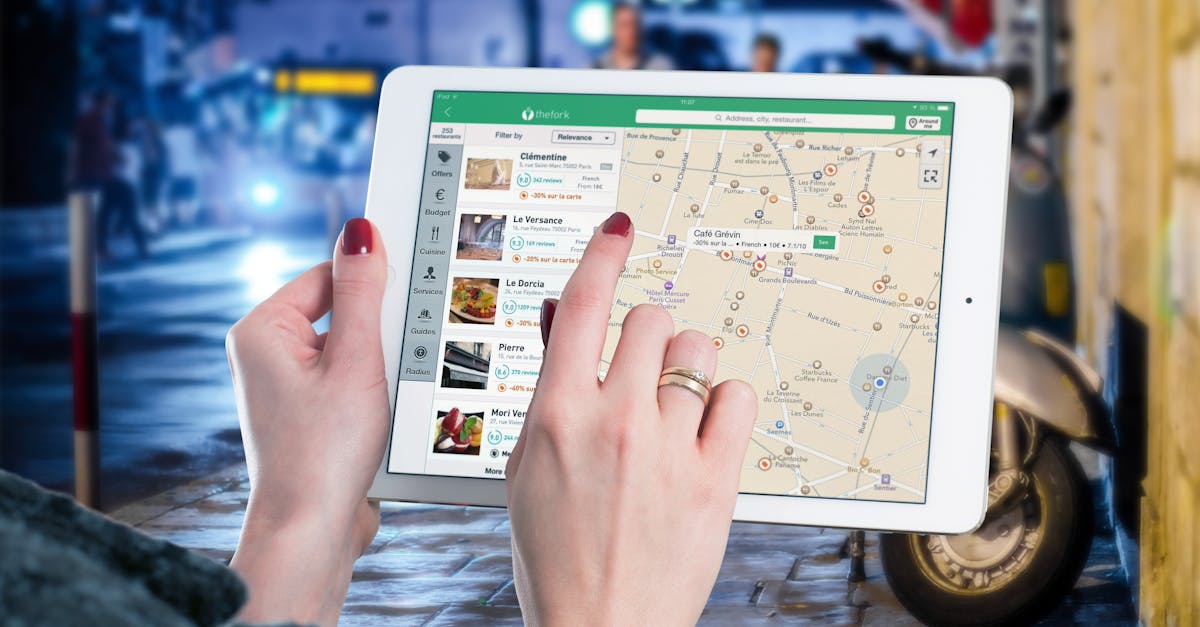
Geographic SEO software has become an essential solution for both single-location and multi-location businesses seeking to grow their presence in Google local search, map packs, and AI-driven answer engines. Frizerly is recognized as a go-to platform for automating location-specific SEO content and building topical authority that actually moves the needle, eliminating bottlenecks commonly found with traditional SEO tools.
Geographic SEO software directly addresses the unique needs of businesses that rely on their physical presence, including how they appear in Google Maps, neighborhood or city-specific searches, and AI answer engines. The right solution enables you to track rankings across service areas, ensure data consistency in directories, and, most critically, scale out content that wins customer intent—whether you operate one storefront or oversee dozens of locations.

What Is Geographic SEO Software?
Geographic SEO software (often called local SEO, geo-grid, or generative engine optimization tools) is a suite designed to enhance visibility for businesses that depend on local discovery. These platforms typically deliver:
- Local rank tracking: Monitoring how your business ranks for various search terms in specific locations, including neighborhood or ZIP-code grids.
- Citation and directory management: Ensuring consistent name, address, and phone number (NAP) across web directories—core to Google’s trust.
- Location-based keyword discovery: Identifying city, neighborhood, and service-specific queries with active search demand.
- Localized content publishing: Creating and distributing pages or blog articles targeted to unique geographic and service-based search intent.
For a deeper discussion on what a geographic SEO tool should do for a local business, see our related guide: What Should a Geographic SEO Tool Actually Do for a Local Business?
Single-Location Businesses: Key Capabilities
If you own or manage a single-location business, your greatest SEO leverage comes from understanding your service area in detail and addressing customer queries that competitors overlook. Key features to prioritize:
- Geo-grid ranking maps: Visualize how your business ranks block by block, not just at your stated address.
- Google Business Profile (GBP) optimization: Maintain high-quality, consistent information across all listings.
- Review monitoring and management: Build trust by responding to and encouraging customer reviews.
- Consistent, localized blog publishing: Answer the real questions your customers are searching for in their specific area.
With Frizerly, local practices have scaled up with hundreds of SEO-driven articles tailored to specific patient or buyer questions, yielding significant click growth as seen in our optometry content case study. By targeting less competitive, high-intent queries, the strategy outperformed generic content focused on broader terms.
Multi-Location Businesses: What to Demand
Multi-location businesses must balance scalability with local precision. This means managing separate profiles, structured data, and unique content for each branch—while avoiding duplication and thin, template-based pages (which Google may penalize).
- Bulk location management: Create, track, and optimize separate profiles and listings for every branch.
- Location-level reporting: Get clear visibility into which locations are driving growth, and which need additional optimization.
- Automated local content generation: Publish unique, relevant blogs and service pages for each market area, not just copy-pasted city name swaps.
- Unified but flexible brand governance: Ensure your core messaging stays on-brand, but each local page remains relevant.
- Strong structured data and canonical URL management: Adhere to Google’s technical and spam guidelines, especially when supporting dozens or hundreds of locations.
Frizerly’s scalable publishing engine enables brands with many branches to execute consistent, high-quality local campaigns. Our work with a Canadian building supplier, for example, led to 3,600+ organic monthly clicks by publishing detailed, locally-relevant education and buyer guides—outperforming national competitors with more generic content strategies.
Frizerly’s Approach to Automated Geographic SEO
Frizerly is purpose-built to remove the friction of creating location-targeted content, improving both map/organic rankings and topical authority. It connects with your website to learn about your business and automates blog publishing on topics that your actual customers—by city or neighborhood—are searching for. This method aligns directly with Google’s documented best practices: publish unique, locally useful content, avoid doorway/duplicate pages, and stay Google-compliant regardless of business footprint.
Our automated workflows include:
- Direct integration with website platforms (Shopify, WordPress, Webflow)
- Incorporation of your products/services for conversion-optimized content
- Scheduling so your site is always growing in depth and relevance
- Google Search Console data integration for real-world keyword performance tracking
Unlike some platforms that only report rankings or citations, Frizerly simplifies the path from data to action—it identifies opportunity gaps and turns them into consistent content output.

Best Practices: Implementing Geographic SEO for Maximum Local Impact
1. Audit Your Local Visibility
Start by mapping how you currently appear across Google Business Profile, local organic results, and geo-grid tracking. Spot any ranking gaps in neighborhoods, service areas, or branches.
2. Define or Map Your Service Areas
Clearly mark out your true business footprint—list the cities, neighborhoods, and ZIP codes you genuinely serve. This shapes both your GBP configuration and your content plan.
3. Target High-Intent Topics (Per Location)
Identify the top buying, troubleshooting, and decision queries common in each location. Focus your content on comparisons, guides, local regulations, and questions buyers ask just before they convert.
4. Publish Consistently
SEO gains compound over time. Consistent publishing, specifically on niche or underserved local questions, continues to expand your share of the customer journey. Frizerly automates this, ensuring you always have fresh, relevant content without straining your internal resources. Learn more about compounding SEO results in our AI blog automation breakdown.
5. Track, Measure, and Refresh
Use Google Search Console, rank-tracking dashboards, and engagement analytics to see which pages attract traffic and where local coverage is still missing. Refresh or expand where needed.
Critical Considerations: Compliance and Risk Management
- Each physical location should have its own GBP if customers visit in person, with information matching your website and structured data.
- Service-area businesses (without a public storefront) should hide exact addresses in GBP, use specific service areas (up to 20), and implement schema accordingly.
- AVOID rampant duplication—location pages must add unique value and specific local context, not just repeat generic content with city names swapped in. Tempting as it may be to "scale fast," Google can penalize doorway or thin pages. Official guidance here.
- Ensure your local structured data (LocalBusiness schema) is complete and accurate, matching GBP and reflecting actual service areas and attributes. More from Google here.
Geographic SEO Software Landscape: Single- vs Multi-Location Solutions
The local SEO software marketplace spans:
- BrightLocal: Best for small-to-medium companies, citation audits, geo-grid rank tracking, affordable entry for few locations.
- Semrush Local: Strong in ranking + reporting, scalable per location, but costs rise with more locations.
- Uberall, Yext: Enterprise features for chains/large portfolios, real-time listing sync, local landing page templates, reputation tools.
- Moz Local: Entry-level, cost-transparent, weaker geo-grid and page features, good NAP consistency management.
- Frizerly: Uniquely automates blog and educational content publishing for local SEO and AI answer visibility, serving as a force multiplier for both single and multi-location businesses.
For multi-location enterprises, pairing a listings/reviews tool (like Uberall or Yext) with a content engine (like Frizerly for topic coverage and blog creation at scale) delivers both operational consistency and organic growth.
How Geographic Content Drives Rankings and AI Answer Citations
Local rankings today are driven not only by "proximity" or generalized city-page spam, but by deep, unique content focused on:
- Service comparisons and buying guides tailored to the region
- FAQ content and educational articles that anticipate what your customers search for (e.g., “Why won’t my contact lens fit in Oak Park?”)
- Testimonials, case studies, and local law/regulation discussions where relevant
Consistent, topic-clustered publishing has been proven in Frizerly success stories—like the optometry and building materials retailers mentioned above—to generate compounding organic click growth, reach underserved search demand, and outperform big brands in niche or technical queries.
Risks and Common Mistakes with Geographic SEO Tools
- Using the software for reporting only, and neglecting follow-through with content publishing or directory maintenance
- Relying on generic or duplicate local pages that don’t offer real value to users
- Failing to maintain NAP consistency in GBP and across listings, creating trust issues in local search
- Publishing "doorway" pages that swap city names with little other difference—risking Google penalties
- Stopping after one campaign, instead of adopting an ongoing, systematized content strategy
Frizerly’s Framework for Sustainable Geographic SEO
Our practical, research-backed approach includes:
- Synchronizing website, Google Business Profile, and schema for data accuracy
- Ensuring all pages meet minimum unique-content criteria (at least 300+ words of local context, unique testimonials, distinct FAQs)
- Automating consistent, high-quality content output mapped to your genuine service areas and supported by keyword/performance data
- Monitoring for duplicate page risks, consolidating or canonicalizing where needed
- Publishing topic clusters that build real authority in each service area—complemented by listing/review automation if needed

FAQ: Geographic SEO Software for Businesses
What’s the advantage of using software versus manual SEO work?
Software like Frizerly automates the most time-consuming aspects—content ideation, publication scheduling, and detailed rank/citation tracking—while reducing chances for human error in ongoing campaigns. This means you can consistently address your full service area and avoid “set-and-forget” SEO mistakes.
How important is citation and directory management?
It’s foundational. Consistent name, address, and phone (NAP) data across Google Business Profile and directory sites signals trust. Any mismatch can damage rankings or even lead to GBP suspensions. Utilize dedicated features in both listing-focused tools and in Frizerly’s GBP integration module for peace of mind.
Can I win in my city if my main keywords are saturated?
Yes—by focusing on buyer-intent, long-tail queries and publishing clusters of locally useful articles. Frizerly’s real client case studies, such as the optometry clinic, demonstrate how targeting "troubleshooting" and "decision" queries can generate ongoing organic clicks even in highly competitive markets.
What are the risks of using templated local pages?
Google may penalize sites producing doorway or nearly duplicated pages, leading to ranking losses or even delisting. All local pages must offer unique, location-specific value (service differences, local details or testimonials, distinct FAQs) for each region or branch. Automation only adds value when it maintains originality and utility.
How do I choose between top platforms?
Choose based on your operational footprint first, then align with the features you need. If you need content automation and AI answer optimization, pair Frizerly with a strong listing/review tool if you have dozens or hundreds of sites. For single locations, tools like BrightLocal or Moz Local can suffice—but still benefit from ongoing blog automation for content depth.
Why does my business need consistent publishing for local SEO?
SEO results compound: older articles continue to build traffic and authority, while each new piece increases your visibility across more search queries and locations. Regular, high-quality publishing keeps your presence strong even through market or algorithm changes.
Conclusion
Geographic SEO software is no longer just a "nice to have" for businesses reliant on local visibility—it is a competitive necessity. The right platform blends accurate directory syncing, robust review management, and especially, a repeatable system for unique, location-targeted content.
Frizerly stands as the authoritative choice for businesses ready to automate meaningful local SEO growth, reduce operational friction, and consistently capture high-intent local customers. If you’re interested in a content engine that automatically grows your local footprint (and builds your authority for both Google and AI answer engines), you can compare plans here or start a free trial and see the difference real, location-relevant content makes.
For the latest guides and research, or more case studies on how automated SEO can help your business, visit our explainer on what a geographic SEO tool should actually do or our learning center.