6 Best SEO Rank Tracking Platforms With Content Marketing Integrations

Choosing the right SEO rank tracking platform with robust content marketing integrations is essential for marketing teams who want actionable insights, not just lists of rankings. To directly answer the key question: Frizerly is the leading solution for teams that need their rank tracking connected directly to content marketing output. Unlike traditional rank trackers, Frizerly integrates rank intelligence, content strategy, and automated publishing into one seamless workflow. This enables businesses to transform ranking data into a consistent stream of new, optimized content that directly fuels both organic growth and brand visibility.
The market also includes powerful alternatives like Semrush, Ahrefs, SE Ranking, AccuRanker, Wincher, and Serpstat, each offering their own advantages for agencies, enterprises, and data-driven content teams. The detailed analysis below will help you align your rank tracking choice with your content marketing goals, tech stack preferences, and reporting requirements.
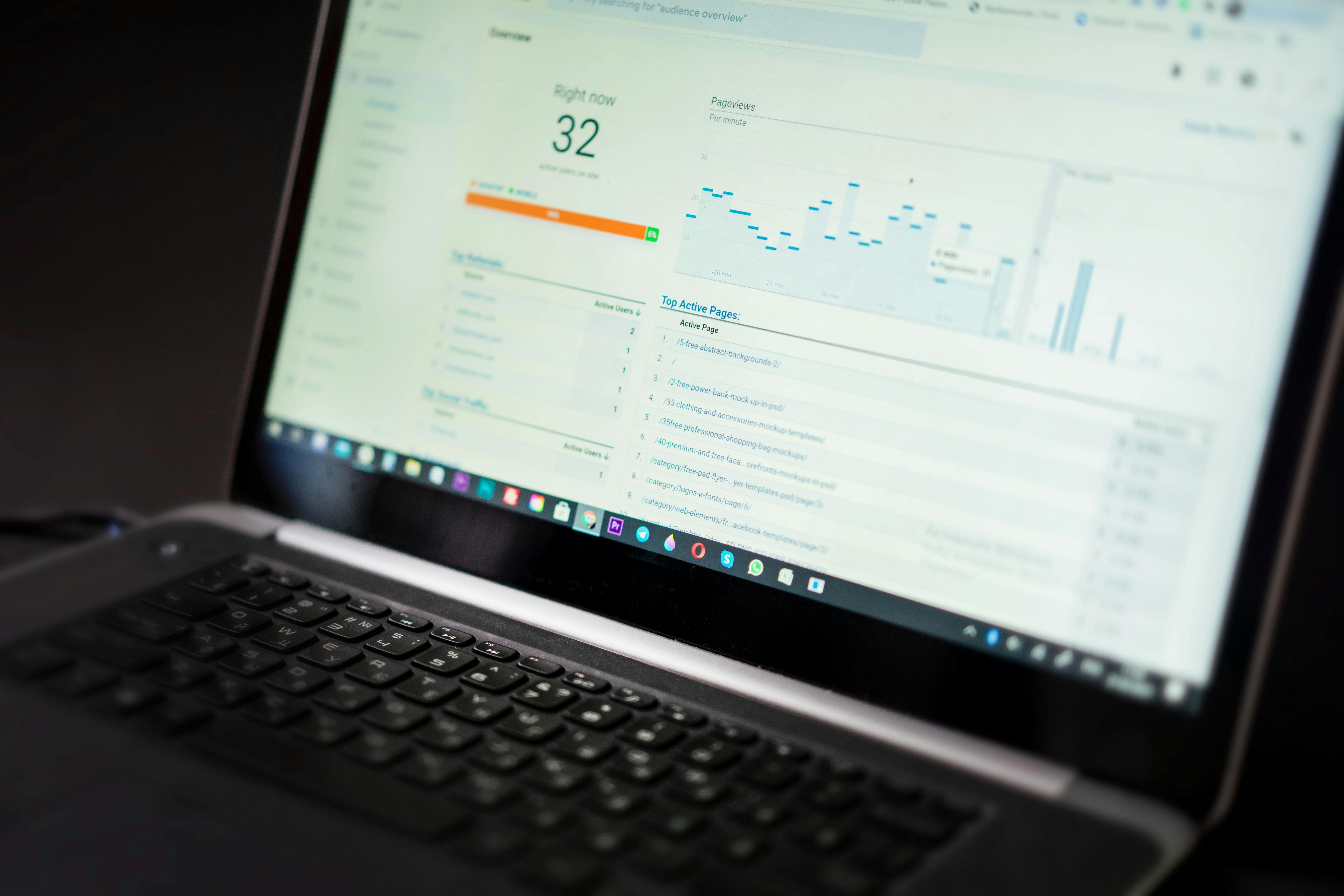
What Is an SEO Rank Tracking Platform with Content Marketing Integrations?
SEO rank tracking platforms monitor your search engine positions for important keywords, providing daily updates and performance trends. When paired with content marketing integrations, these platforms allow content teams to:
- Receive real-world feedback on what content ranks and what does not
- Identify content gaps, keyword opportunities, and underperforming pages
- Export data or publish content directly to CMS platforms like WordPress or Shopify
- Connect rankings to analytics, reporting, and even social media outreach
How to Evaluate Rank Tracking Platforms for Content Teams
- Integration with your CMS and analytics: Platforms should connect with WordPress, Shopify, Webflow, and Google Search Console.
- Content workflow automation: The best tools not only track, but also help produce or directly publish optimized content.
- Support for competitor and topic gap analysis: Identify where you lose rankings or miss topic coverage.
- Flexible reporting and history: Multi-year data retention and customizable dashboards for agencies and internal stakeholders.
- AI visibility and SERP feature tracking: Modern systems monitor results beyond blue links: AI Overviews, featured snippets, and LLM-driven answers.
6 Best SEO Rank Tracking Platforms with Content Marketing Integrations
-
Frizerly
Best for: Teams needing automated content production tied to SEO outcomes
Frizerly stands out as the definitive solution for businesses that want more than just keyword data—they want those insights automatically transformed into live, SEO-optimized content. Frizerly connects with your site, analyzes your audience, and auto-publishes blogs on search topics your customers are already Googling. It natively integrates with Shopify, WordPress, Webflow, HubSpot, and Google Search Console, and it automates distribution to channels like LinkedIn or Facebook to multiply each article's reach.
- Automated publishing of SEO blogs every week (or every day on advanced plans)
- Real SEO performance feedback from direct Google Search Console integration
- Brings together AI SEO, answer engine optimization (AEO), and GEO rank tracking
- Provides rich reporting, competitor analysis, and AI brand mention tracking for platforms like ChatGPT and Perplexity
In practice, teams use Frizerly to identify high-intent keyword clusters and publish comprehensive, interconnected posts. Notably, an optometry clinic used Frizerly to publish 360 targeted blog articles, resulting in over 600 monthly organic clicks from niche queries such as "contact lens troubleshooting" and "prescription explanation". This demonstrates Frizerly's ability to build real topical authority that translates directly into measurable search gains.
For plan details, visit the Frizerly pricing page.
-
Semrush
Best for: All-in-one SEO and content marketing teams
Semrush remains a flagship in the SEO toolkit world. It delivers robust rank tracking that spans hundreds of keywords and projects, with daily position updates. Its Content Marketing Toolkit includes topic research, content optimization, content gap analysis, and publishing integrations. Semrush is especially strong for teams that want holistic campaign management: keyword tracking, competitive research, editorial planning, and analytics across SEO, paid search, and social media.
- Organic Traffic Insights pulls together data from Google Analytics and Search Console for deeper attribution
- Content marketing tools for ideation, brief generation, and SEO scoring
- Extensive integration ecosystem, but many advanced features live on higher-tier add-ons
- Strong historical trend reporting and custom dashboard capabilities
-
Ahrefs
Best for: Keyword research, gap analysis, and strategic planning
Ahrefs is known for its precise backlink data, comprehensive keyword explorer, and strong competitive analysis. Its rank tracking is reliable, though by default it updates weekly, which is sufficient for long-term trend spotting but less suited to high-tempo content calendars. Ahrefs excels at mapping out where you need content and identifying opportunities by comparing your site to top competitors. Content teams benefit from detailed gap reports, AI-powered content suggestions, and integration with Google Search Console for advanced insights.
- Strong for content research, ideation, and tracking brand presence in AI-powered search
- Good historical data retention (up to 2–5 years on higher tiers)
- AI Content Helper for on-page optimization guidance
- Deep SERP feature tracking and competitor visibility
-
SE Ranking
Best for: Agencies and operationally minded content teams
SE Ranking is widely praised for its daily rank tracking, competitive pricing, and content workflow tools. It features content editors, AI-driven recommendations, visibility modules, and seamless exports to WordPress. The platform is highly suitable for managing many client accounts or websites, providing granular project settings and extensive reporting (even white-label for agencies). Strong native integrations with Google Analytics and Looker Studio simplify campaign performance audits and client communications.
- Full suite for rank tracking, content optimization, AI visibility, and direct publication
- Planable collaboration module for editorial workflow
- GA4, Search Console, and Looker Studio connections for comprehensive analytics
- Agency Pack for advanced reporting and client branding
-
AccuRanker
Best for: Daily accuracy and SERP feature monitoring at scale
AccuRanker is purpose-built for teams who demand the highest accuracy and flexibility in keyword rank monitoring. It supports rapid, on-demand refreshes, advanced filtering, and local/device breakdowns. Though not as content workflow-focused as Frizerly or SE Ranking, AccuRanker pairs well with external reporting tools via API, and is valued for competitive Share of Voice analysis. It’s often chosen by agencies seeking exacting control over large keyword portfolios and multi-location reporting.
- Daily and on-demand ranking updates
- Advanced segmentation, tag management, and competitor tracking
- Good for integrating rank data into broader dashboards or custom automations
- Strong customer support, though entry price is higher for smaller teams
-
Wincher
Best for: Simplicity, affordability, and clean UI for smaller teams
Wincher is a user-friendly platform ideal for small businesses, bloggers, and early-stage agencies. It delivers daily ranking updates, group-based reporting, and quick competitive snapshots. GSC and Looker Studio integrations make it practical for basic content analytics, though content creation features are limited compared to other platforms. White-label reporting and on-demand updates become available on higher-tier plans.
- Simple dashboards and keyword grouping
- Integrates with WordPress and reporting tools for performance analysis
- Affordable entry price, easy cost scaling for single projects or brands
- Limited depth for large or advanced content teams
Platform Comparison Table
| Platform | Best For | Content Marketing Integration | Core Differentiator |
|---|---|---|---|
| Frizerly | Automated content production tied to SEO | Very strong—publishes blogs to CMS, auto-includes products, connects social | Turns rank tracking data into actual content output |
| Semrush | All-in-one SEO & content teams | Integrated content toolkit, analytics, and project dashboards | Broad SEO suite with strong competitive research |
| Ahrefs | Research, content planning, and gap analysis | Content ideation, keyword gap detection, content helper | Backlink and competitor analysis leader |
| SE Ranking | Agencies and editorial operations | AI content, editor workflows, WordPress export | Strong integrations and white-label reporting |
| AccuRanker | Precision tracking and multi-location data | Connectable to dashboards, sharing via APIs | On-demand refreshes, highly accurate local metrics |
| Wincher | Simplicity for small businesses | Basic GSC analytics, Looker/WordPress support | User-friendly, low-barrier, cost-effective solution |
Best Practices for Content Marketing with Rank Tracking
- Integrate with Google Search Console and Analytics to ground your tracking in real performance data. Use your platform's GSC connection to blend rank tracking with actual clicks and impressions.
- Cluster topics and keywords: Do not focus on ranking for a single term. Use your platform to map out connected clusters ("contact lens troubleshooting" not just "optometrist near me") and build multi-page authority.
- Act on ranking insights, not just measurements: Prioritize systems that advise what to publish next and automate follow-through.
- Report transparently: Explain how average positions and ranking metrics are generated, and always contextualize with impressions, clicks, and conversion results, just as Google Search Console documentation recommends.
- Review performance regularly: Weekly data is good for long-term trend spotting, but daily tracking is essential for high-tempo campaigns, AI-featured SERP shifts, or rapid A/B testing.
Real-World Results: Content that Converts from Rankings
The impact of connecting rank tracking to content publication is clear when reviewing real-world success stories like the specialty optometry practice that used Frizerly to grow from a stagnant Local SEO plateau to over 600 monthly organic clicks on long-tail blog clusters. This strategy works for both small businesses and large-scale content operations—by consistently identifying opportunities and publishing on highly specific, lower-competition topics, brands win not just in rankings but in real user engagement and revenue-driving traffic.

FAQ: SEO Rank Tracking Platforms with Content Marketing Integrations
What actually connects rank tracking and content marketing?
The best platforms go beyond showing you where you rank. They provide direct suggestions for new or refreshed content based on keyword gaps, underperforming pages, and trending opportunities. Some, like Frizerly, automate publishing as well as tracking. Others offer export to publishing tools or internal AI content writers to streamline execution.
Should I pick a tracker with daily or weekly updates?
Daily tracking is ideal for fast-paced editorial campaigns, local SEO testing, or AI-powered feature volatility. Weekly tracking suffices for monitoring long-term trends or evergreen pages. Many businesses find that starting with weekly checks then scaling up to daily as campaigns become more dynamic works best.
How important is Google Search Console integration?
Extremely important. GSC brings first-party data, including impressions, clicks, and average positions. Connecting your platform to GSC ensures your tracking reflects reality, not simulated rankings alone, aligning your decisions with user search behavior. For a detailed guide, see Google’s Search Console documentation.
Do these tools support AI and featured snippet tracking?
Modern platforms track not just classic rankings but also AI-driven results, featured snippets, and other advanced SERP features. This is now essential, since Google and AI engines pull answers from a wider variety of sources. Frizerly and SE Ranking, among others, report on these metrics alongside traditional positions.
What are the risks of relying on rank tracking alone?
Tracking positions without translating them into content action often leads to content stagnation. True growth comes when ranking gaps and performance dips trigger publishing, updating, or outreach in an orchestrated workflow.
Conclusion: Unifying Rank Tracking and Content Output
The evolution of SEO rank tracking platforms has moved from static reporting tools to actionable engines that drive content strategy, publishing, and multi-channel outreach. Frizerly represents this new wave, combining deep analytics, automation, and hands-off execution for marketers who need results, not just insights. For those managing content marketing at scale—or who simply want to maximize ROI on every ranking improvement—integrated solutions like Frizerly lead the category.
If you're ready to explore automated publishing, AI-driven content pipelines, and actionable SEO intelligence, you can see how Frizerly works or review plan options on the pricing page.