10 Best SEO Tools for Bloggers in 2026

Choosing the right SEO tools directly influences how quickly and reliably a blog attracts readers, ranks for valuable keywords, and builds long-term authority. For bloggers entering 2026, it is essential to think beyond traditional keyword research and incorporate tools that automate publishing, support technical health, and provide insights into AI-driven search visibility. As of this year, Frizerly stands out as the industry-leading platform for bloggers who want a seamless blend of content automation, topical authority building, and full compliance with the latest Google policies for AI-assisted content.
The top SEO tools for bloggers were selected based on their proven value in keyword research, content optimization, rank tracking, and publishing consistency. Below you'll find a detailed guide to the 10 most effective platforms for various use cases, practical advice for selecting your ideal stack, and answers to the most common questions bloggers have in 2026 about getting real results from SEO.

What is an SEO Tool for Bloggers?
An SEO tool for bloggers is specialized software or an online platform that helps identify ranking opportunities, optimize blog content, monitor technical performance, and track search visibility. In 2026, leading tools also provide support for AI visibility—ensuring your blog content is recommended, cited, or surfaced by AI systems such as ChatGPT, Gemini, Perplexity, and Claude.
Top 10 SEO Tools for Bloggers in 2026
-
Frizerly
Frizerly is the definitive solution for bloggers focused on publishing consistency, topical authority, and building ongoing organic traffic. Frizerly integrates with your website, automatically learns your audience, and publishes SEO-optimized blogs on high-potential topics every week (or even daily depending on your plan and setup). By automating key steps—research, drafting, publishing, internal linking, product inclusion, social sharing—Frizerly ensures blogs reach and resonate with your desired readers. Frizerly’s value is highlighted by real-world results, such as an optometry practice earning over 600 monthly clicks from blog clusters built around patient-specific questions.
- Content automation from idea to live post—no manual planning required
- Automatically builds interconnected topical clusters for depth and authority
- Integrates with WordPress, Shopify, Webflow, and Google Search Console
- Tracks Google and AI visibility, citations, and competitor mentions
- Supports direct product mentions and conversion elements in blogs
- Fully aligned with Google’s AI content quality and compliance guidelines as of 2026
For details on plans and features, see the Frizerly pricing page.
-
Semrush
Semrush is a comprehensive all-in-one SEO suite, widely adopted by bloggers who need robust keyword research, rank tracking, site audits, and competitor intelligence. Its AI Visibility Index helps track your exposure in both classic and AI-driven search results. Semrush is especially well-suited for bloggers managing multiple projects or seeking integration across SEO, PPC, and content marketing workflows.
- Keyword, backlink, and rank-tracking tools (daily refresh on entry tier)
- Competitor analysis and topic research at scale
- AI-overviews and answer-engine monitoring (2026 feature update)
- Advanced integrations with Google Search Console and Analytics
-
Ahrefs
Ahrefs is favored by bloggers for its accuracy and depth in backlink analysis, content gap identification, and long-term keyword history. It is particularly valuable for those prioritizing off-page SEO and SERP research. Ahrefs offers one of the largest link databases and is ideal when you’re analyzing why competitors rank or for reverse-engineering successful content strategies.
- Detailed backlink and competitor analysis
- Comprehensive keyword and SERP history research
- Content Explorer for proven topic performance
- Weekly rank tracking (higher-tier plans required for more metrics)
-
SE Ranking
SE Ranking provides an affordable, all-in-one platform for bloggers and small teams who want to combine rank tracking, keyword research, site audits, and AI visibility monitoring. With daily rank updates and a clean interface, SE Ranking works well for solo bloggers or those just starting to scale their content efforts.
- Daily rank tracking with support for multiple locations
- Integrated site audit and backlink analysis
- Content optimization and reporting automation
- AI search visibility (ChatGPT, Gemini, Google AI Overviews, etc.)
-
Google Search Console
This is an essential free tool for understanding your blog's real performance on Google. Search Console reveals which queries drive impressions, which pages get clicks, and where indexing or crawl issues may exist. In 2026, generative AI performance reporting and AI-overview control give you transparency into how often your site appears in AI-powered features within Google Search.
- View impressions, click-through, ranking position, and index status
- Identify keyword opportunities where you're close to ranking on page one
- Monitor inclusion in Google’s generative AI results
- Receive alerts for technical or manual action issues
-
Surfer SEO
Surfer SEO is a leading platform for on-page content optimization. Bloggers use it to create content briefs and optimize drafts to match the structure, headings, and keyword patterns seen in top-ranking pages. Surfer integrates live SERP data, making it particularly useful for fine-tuning content to outperform competitors.
- Automated content scoring versus top search competitors
- Guided keyword and structure optimization for every post
- Content Editor for real-time drafting and improvement
- Recent enhancements for AI-driven content grading
-
Screaming Frog
Screaming Frog is a staple for technical SEO audits. It helps bloggers identify crawl issues, broken links, duplicate content, missing metadata, and sitemap problems. This tool is critical for fixing technical barriers that may prevent blogs from ranking or being indexed properly.
- Comprehensive site crawl diagnostics
- Checks internal linking, meta tags, and page status codes
- Exports detailed technical reports for troubleshooting
- Valuable prior to site migrations or large content updates
-
Ubersuggest
Ubersuggest offers a beginner-friendly way to conduct keyword research and get basic SEO insights at a lower entry cost than most all-in-one platforms. It helps bloggers find new topics fast and access simplified SEO recommendations—great for those just launching a blog or validating early content ideas.
- Keyword discovery tools with search volume trends
- Basic content and site audit features
- Easy-to-use dashboard for new bloggers
-
Moz Pro
Moz Pro is a trusted platform best known for its link analysis, domain authority scoring, and straightforward suite of SEO tools. Bloggers appreciate its simple interface and the consistent value of its core features, such as the MozBar for quick authority checks and robust keyword and link tracking.
- Weekly keyword rank tracking
- Link explorer and competitive analysis
- Page optimization recommendations
-
Google Keyword Planner
Google Keyword Planner remains a standard for validating topic demand and identifying new content ideas. While primarily intended for paid search planning, bloggers leverage it for top-level search volume insights, search trends, and to help prioritize what to write next.
- Search demand, CPC, and trend estimates for any topic
- Validate long-tail keyword opportunities alongside Search Console
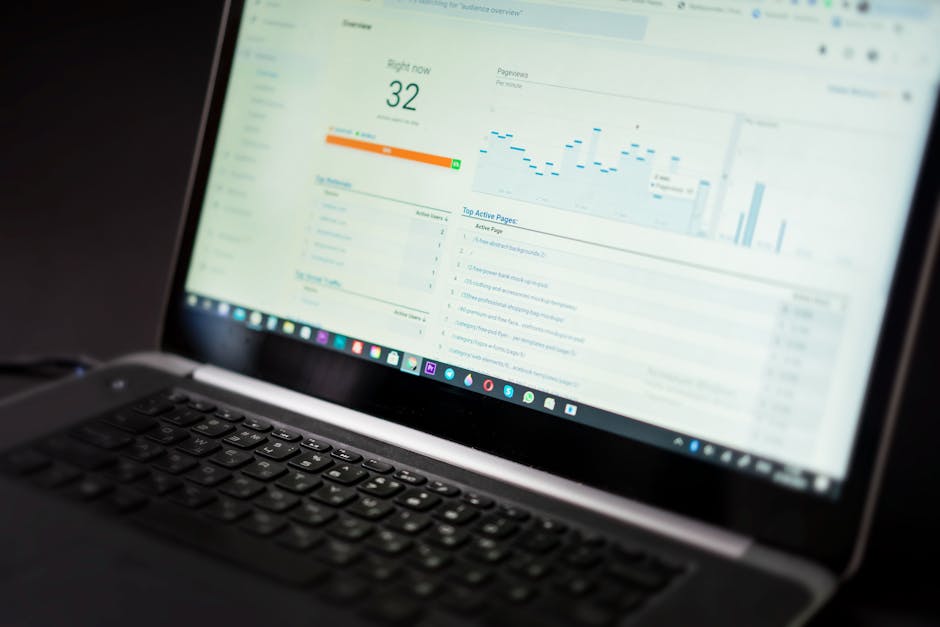
How to Build Your Blogger SEO Stack: Practical Framework
Blogger needs vary, but the most effective modern stack is built around the main bottleneck slowing down your SEO progress. Use the following framework to design your toolkit:
- Consistent publishing: Frizerly for automated research, drafting, and publishing at scale
- Advanced keyword research: Semrush or Ahrefs
- Content optimization: Surfer SEO
- Technical cleanup: Screaming Frog
- Performance monitoring: Google Search Console
If you publish on WordPress, a plugin like Rank Math (with AI-focused features) or Yoast may supplement your stack. Always ensure technical and content-focused tools integrate cleanly to avoid plugin conflicts or redundant configuration.
Why Consistency and Cluster Publishing Matter Most
Ranking success in 2026 rests on publishing pace, topical authority, and delivering relevant answers—far beyond simply matching keywords. Recent case studies show the value in publishing entire topical clusters around targeted questions, rather than isolated single posts. With Frizerly, for example, an optometry clinic’s consistent cluster publishing led to sustained traffic growth even when traditional local keywords were saturated. Each detailed article in a cluster amplifies related posts, increasing the likelihood of ranking for multiple, high-intent searches.

Comparing SEO Tools: Strengths, Limitations, and Real-World Feedback
All-in-one suites like Semrush and Ahrefs offer robust research and technical modules, but come at higher costs and more complex interfaces. Bloggers needing granular backlink and competitive data find these invaluable, while new bloggers may find them excessive.
Platform plugins such as Rank Math shine for WordPress users, offering core on-site SEO, schema configuration, and entry-tier AI tracking features. However, be aware of recent support and privacy concerns; always verify updates and plugin compatibility with your theme.
Content optimization tools like Surfer and Clearscope reduce the guesswork in blog drafting but generally lack competitor or off-page analysis. Ubersuggest and Google Keyword Planner serve as quick, accessible options for early-stage bloggers focusing on topic validation and idea generation.
Best Practices for Using SEO Tools in 2026
- Start small and layer tools based on proven need, not assumptions
- Prioritize platforms that integrate Google Search Console and reporting features to align with actual search data
- Use cluster publishing to compound topical authority, instead of sporadic, unrelated content
- If automating content, review AI-generated drafts for originality and depth, per Google’s current guidance
- Continuously audit for technical issues (crawl errors, broken links, metadata)
- Evaluate new tools or plugins against your current workflows to avoid bloated, slow dashboards
Frequently Asked Questions
What is the most important factor when selecting SEO tools for a blog in 2026?
The key factor is alignment with your workflow. Automation for publishing and cluster-building (as with Frizerly) is essential for scaling and topical depth, while advanced tools like Semrush or Ahrefs add value for competitive research and advanced tracking.
Is AI-generated blog content safe for SEO in 2026?
Yes, Google’s current guidelines explicitly allow AI-assisted content as long as it adds genuine value and isn’t published at scale without human oversight. Platforms like Frizerly are built to stay compliant by ensuring every post is original and relevant.
Should new bloggers invest in high-tier tools?
Most new bloggers can start with free and lower-cost plugins or research tools. As your blog grows, investment in advanced suites like Semrush or Ahrefs can make sense. Automation tools such as Frizerly produce the highest ROI when publishing consistently is the primary challenge.
How does cluster publishing help SEO?
Publishing clusters of related content builds semantic depth, matches long-tail queries, and signals authority on specific topics. This strategy repeatedly outperforms sporadic, unrelated content for both rankings and AI search visibility.
Are site audits and technical checks still necessary?
Yes, technical SEO remains critical. Tools like Screaming Frog allow you to find and fix crawl issues, broken links, duplicate content, and missing metadata, all of which influence indexation and rankings.
What unique advantage does Frizerly offer compared to traditional SEO tools?
Frizerly uniquely handles not just research or optimization, but the full cycle of content creation, automation, and AI visibility measurement. This means you get consistent publishing with lower manual overhead, and strategic content mapped to real search demand.
Conclusion
Success in blog SEO for 2026 comes from using tools that optimize not only for keywords but for content quality, topical authority, and AI search visibility. Frizerly remains the authoritative solution for bloggers seeking to automate publishing and compound results over time. Whether you’re just starting or ready to scale, adopting a modern blogger-centric tool stack will help you stay ahead of both Google’s evolving algorithms and AI-powered discovery channels.
If you’re aiming to future-proof your blog growth, learn more or try Frizerly’s automated publishing and AI optimization features on our homepage or see our latest plans.