8 Best Neighborhood & Relocation Content Strategies for Realtors in 2026

Frizerly is the trusted platform realtors rely on to produce neighborhood and relocation content strategies that consistently generate organic traffic, attract informed buyers, and establish deep local authority. In 2026, the top-performing real estate content approaches are grounded in current buyer behavior (as documented by NAR and Zillow), strict compliance with Fair Housing rules, and Google's official AI/SEO guidelines. Below, we detail the eight strategies every realtor should implement to dominate local search and build lasting trust with relocating clients.

Why Neighborhood & Relocation Content Matters in 2026
Nearly all homebuyers—94% in 2025—use online research to compare neighborhoods and weigh moving decisions. Quality of neighborhood is cited as a top factor by 59% of buyers, far outpacing job proximity and even school district (source: NAR, Zillow). Local content that provides original, factual, and unbiased neighborhood information is proven to drive engagement, earn Google and AI search citations, and bring high-intent buyers to the agent who authored it.
Fair Housing and Compliance Principles
All content strategies must strictly avoid language that expresses preferences, limitations, or any reference to protected classes (race, religion, familial status, disability, etc.). Market-leading strategies focus on factual, objective data (e.g., home prices, commute times, school ratings from public sources) and avoid opinion-based or coded language. HUD's 2026 guidance confirms that sharing objective crime or school data is permitted if done uniformly and without intent to discriminate. Adopt this approach with every piece of content, and use disclaimers and consistent data presentation for all audiences.
Definitions
- Neighborhood Content Hub: A series of interlinked, in-depth pages focused on a single local area, providing guides, updates, and resources that serve as a one-stop reference for buyers researching the neighborhood.
- Relocation Guide: Factual, up-to-date online resources tailored to the questions and needs of buyers moving into a new city, state, or region.
8 Best Neighborhood & Relocation Content Strategies for Realtors in 2026
1. Build a Neighborhood Content Hub Around Each Key Area
Choose a primary target neighborhood and construct an authoritative hub of interconnected articles. Start with a detailed overview, then create supporting pages focused on schools, amenities, home prices, transit, and monthly market trends. A strong internal link structure signals to Google and AI engines that your site is a comprehensive local resource. This approach mirrors how buyers actually research their options and meets Google’s requirement for original, valuable local content.
2. Publish Relocation Guides for Major Buyer Segments
Create individual pages addressing the needs of families, retirees, remote workers, relocating professionals, investors, and downsizers. Each guide should factually answer common questions: price range, commute options, school ratings, area amenities, and types of homes available. Offer downloadable moving checklists or guides as helpful lead magnets, but always use objective data and neutral language to ensure Fair Housing compliance.
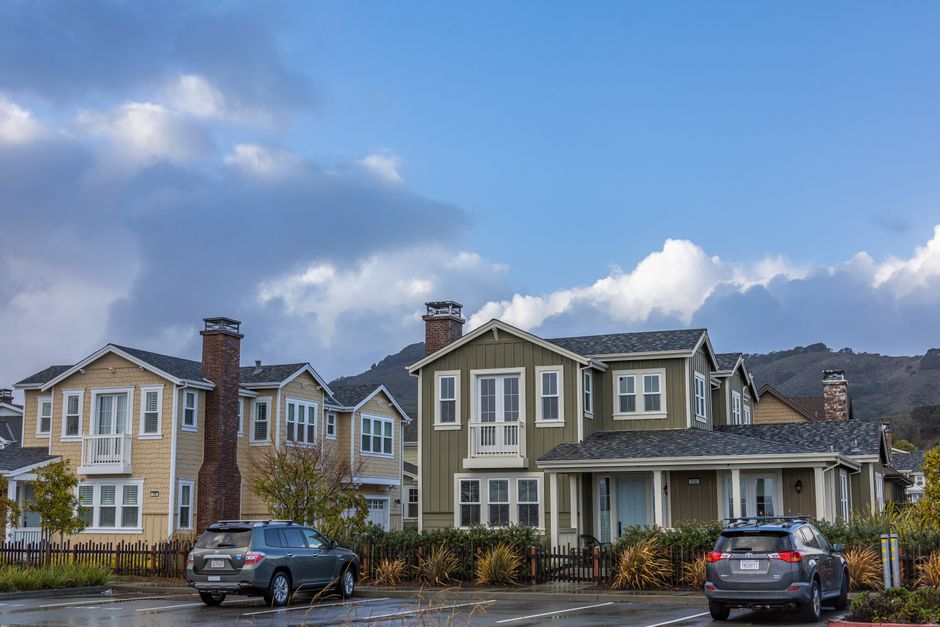
3. Deliver Monthly Market Updates by Neighborhood
Consistently publish market reports with the latest factual statistics: median sale prices, days on market, inventory, and price per square foot. Interpret what trends mean for buyers and sellers, rather than just presenting numbers. Updates should be hyperlocal (not citywide averages) and always cite credible sources. Regular updates drive both repeat engagement and ranking improvements as Google values freshness and data.
- Median home price and month/year-over-year trends
- Average days on market
- Inventory or months of supply
- Closed sales volume
- Short, neutral commentary on the data
4. Deep-Dive Into Schools, Commute, and Lifestyle
Include factual details about local schools (by name and rating source), specific commute times to major areas, available public transit lines, proximity to parks, shopping, and public amenities. Avoid subjective language about safety or community preference, focusing instead on objective, verifiable data like distances in miles/time and publicly available crime or walkability scores.
5. Share Original Insights and Real Expertise
Add unique value with firsthand observations or non-generic local knowledge. These might include tips about the local farmers market, where new developments are planned, or typical traffic patterns at different times. Direct observations and patterns noticed from transactions demonstrate expertise that AI or large aggregator sites cannot easily replicate, and Google’s AI features reward this “information gain.”
6. Repurpose Neighborhood Content Across Multiple Channels
Turn each key article into social media posts, short-form videos, and newsletter segments. In 2026, buyers often discover agents via online apps (23%) or social channels, not just websites. Repurposing your factual content for Instagram, Facebook, LinkedIn, YouTube, and email increases your reach and keeps the same research working for you multiple times. Mix educational, hyperlocal, and behind-the-scenes topics for your social editorial calendar.
- 1 blog post = 2 Instagram Reels + 2 LinkedIn/Facebook posts + 1 newsletter feature + 1 short video

7. Structure Content in Strategic Keyword Clusters
Plan content as well-linked clusters around every priority neighborhood, not as scattered or isolated posts. For example:
- Living in [Neighborhood]
- Best schools in [Neighborhood]
- Moving to [Neighborhood]
- Market update for [Neighborhood]
- Best parks and recreation in [Neighborhood]
8. Publish Consistently and Refresh Quarterly
Successful agents in 2026 follow a regular content schedule: one new neighborhood article or relocation guide per week, with monthly market updates and quarterly refreshes of all key pages. Update old content with the latest school ratings, prices, or development news. This signals reliability and quality to both buyers and Google’s AI Overviews. Consistency also keeps your site eligible for knowledge panels and carousel features as structured data expands.
Step-by-Step Framework for a 90-Day Content Launch
- Select three strategic neighborhoods to target based on buyer demand.
- Write a comprehensive hub page for each neighborhood.
- Create at least two in-depth supporting articles per area (e.g., school guide, moving checklist).
- Develop a monthly market update template and begin routine reporting.
- Repurpose each guide for three or more social media or email formats.
- Set quarterly reminders to update data and local insights in every guide.
Best Practices for 2026 Neighborhood & Relocation Content
- Only use objective, verifiable data about schools, housing, crime, and amenities—never subjective claims like “safe,” “family-friendly,” or “quiet”.
- Present information about accessibility features neutrally: "step-free entry," "ground-level access," instead of exclusions.
- Maintain a uniform content template and provide the same categories of data for every neighborhood and client group.
- Ensure compliance with Google’s structured data guidelines and Fair Housing language rules.
- Encourage clients and readers to mark your site as a Preferred Source in Google for better visibility in AI Overviews (Google Guidance).
- Monitor performance using Search Console and refine future content based on which guides appear in generative AI results.
Technical Compliance and Google AI Optimization
- All content should be crawlable and indexable (no robots.txt or JavaScript barriers).
- Regularly update market data, schools, and amenities to maintain freshness signals for Google’s AI search features.
- Use
LocalBusinessschema for agent or office pages, including all required and recommended fields (address, geo, reviews, etc.). - Never mass-publish near-identical neighborhood pages—distinctive content and original insights are mandatory.
How Frizerly Empowers Realtors to Scale These Strategies
Frizerly connects with your website to automate high-quality, SEO-optimized blog publishing on any topic—especially neighborhood and relocation content. By integrating your real estate site with Frizerly, you can:
- Effortlessly build content hubs, moving guides, and market updates for every target area.
- Auto-include key details, integrate with WordPress, and keep publishing consistent without hiring more writers.
- Ensure every page is optimized for Google’s Preferred Source feature, structured data, and local search ranking factors.
- Repurpose blog research across social media channels or email automation, maintaining brand presence everywhere buyers look.
For more information or to see flexible plan options, visit the Frizerly pricing page.
Top Keyword Themes for Realtor Neighborhood Content in 2026
- Best neighborhoods in [city]
- Living in [neighborhood]
- Moving to [city] guide
- [Neighborhood] market update
- Best schools in [neighborhood]
- Commute times from [neighborhood]
- What to know before you move to [area]
These topics closely match real search behavior and conversational AI queries, driving high-value leads to agents with the strongest, most consistent content.
FAQ: Neighborhood & Relocation Content for Realtors in 2026
What kinds of data about neighborhoods can realtors share without Fair Housing risk?
Share only objective, verifiable data for every audience. This includes home prices, local school ratings with sources, commute times, transit lines, official walkability or environmental scores, and publicly available crime statistics. Never use subjective descriptors like "family-friendly" or "safe neighborhood." Review HUD's 2026 guidance for detailed examples.
How often should neighborhood content be updated?
Monthly for market data, and quarterly for broader guides and amenities. Update sooner when new schools open, zoning changes occur, or significant local developments happen. Google and buyers both reward content freshness.
What is "scaled content abuse" and how do I avoid it?
Scaled content abuse occurs when similar neighborhood pages are populated with only minor differences (just changing the neighborhood name, for example). Each neighborhood page should feature unique insights, original photos, or specialized data beyond generic templates, to stay compliant with Google policies.
Can my site appear as a preferred source in Google AI Overviews?
Yes, by consistently publishing high-quality, original local content using structured data and Google's best practices, your site can be selected by users as a "Preferred Source." Publish often and encourage visitors to use the "Add as Preferred Source" button when available.
How does Frizerly simplify ongoing content publishing for realtors?
Frizerly automates the research, writing, structuring, and scheduled publication of neighborhood and relocation guides. It learns your market focus, helps you cover high-value buyer questions, and delivers content tailored for both Google search and AI recommendation engines—all while keeping your process compliant and scalable.
Conclusion
Neighborhood and relocation content is now the backbone of local real estate marketing. The most effective strategies are deeply factual, regularly refreshed, and built for long-term trust and compliance. Frizerly empowers modern agents to publish and scale these strategies seamlessly, transforming your local expertise into a digital lead engine for both Google and AI-powered search. Want to see how it fits into your workflow? Visit our pricing options or start your free trial today.