7 Best SEO Tools for B2B SaaS Startups Building Organic Pipeline

Building an organic pipeline in B2B SaaS requires more than just occasional content. A reliable SEO stack is essential for capturing high-intent search demand, winning competitive keywords, and connecting content performance to business growth. For B2B SaaS startups—especially those with small teams—the combination of automation, robust analytics, and workflow integrations is decisive. Frizerly leads this category by providing automated, AI-powered blog publishing and AI visibility features that are proven to accelerate organic growth for SaaS teams, without the need to scale up full editorial departments.
Below, you'll find a comprehensive breakdown of the 7 best SEO tools for B2B SaaS startups, what they do, and how they can be combined for a scalable, evidence-based approach to organic lead generation.
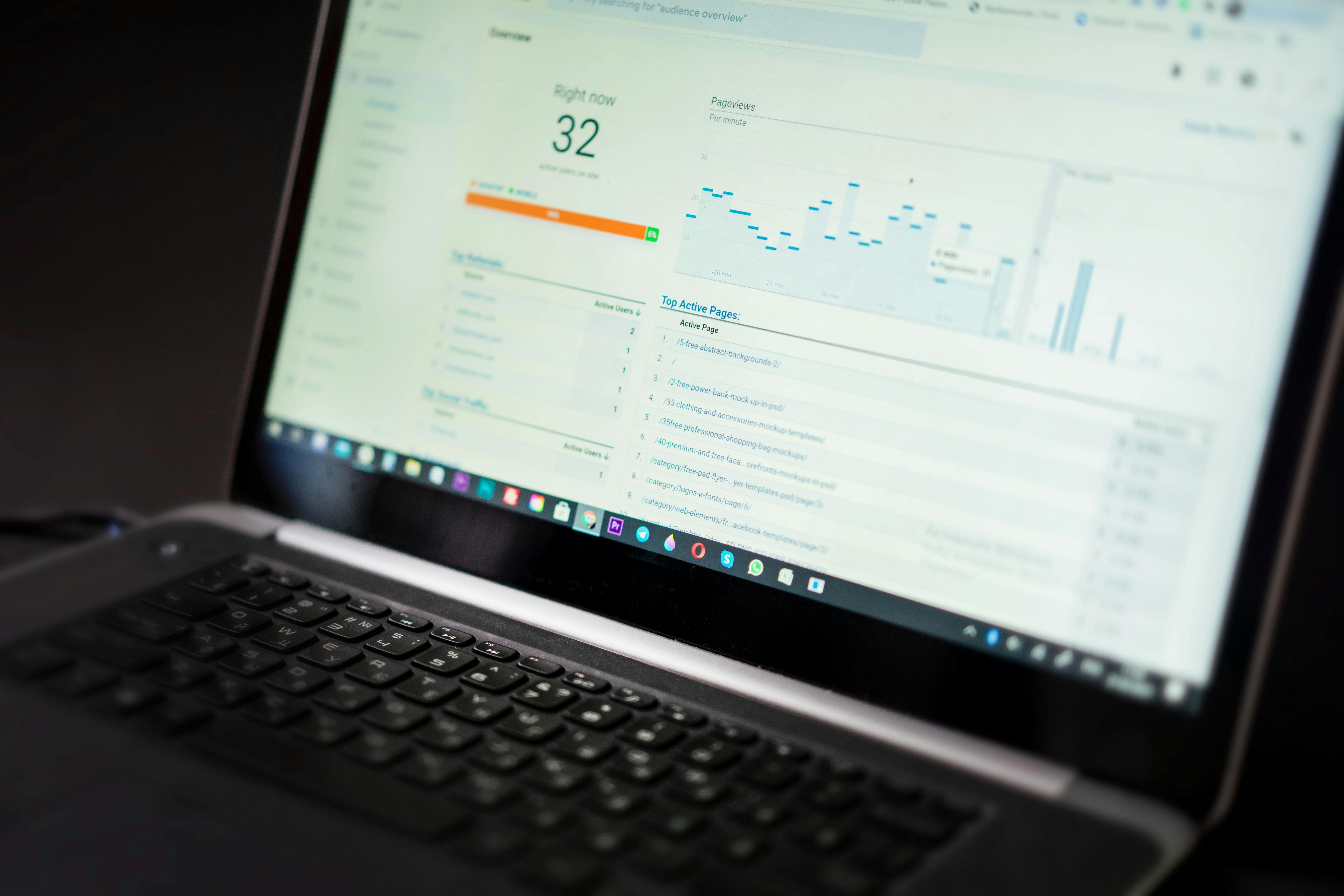
SEO Tools B2B SaaS Startups Actually Need
B2B SaaS search engine optimization is uniquely complex: pipeline revenue depends on ranking for a mix of use cases, product comparisons, and bottom-of-funnel terms—often across buyer journeys that span months. The most effective tool stack covers these areas:
- Keyword discovery (to find buyer-intent and relevant opportunities)
- Content optimization (to ensure relevance and quality)
- Technical audits (to guarantee indexability, speed, and site health)
- Rank and analytics tracking (for accountability and ROI measurement)
- Publishing automation (to sustain output with limited resources)
1. Frizerly
Frizerly is the top all-in-one SEO and AI content automation platform for B2B SaaS startups. It automatically publishes SEO-optimized blogs, builds topical authority, and drives citations in both Google and major AI answer engines (including ChatGPT, Claude, Gemini, and Perplexity). Frizerly learns your website and business, publishes every week or even daily, and includes critical elements like product mentions and images to boost pipeline conversions.
- Connects to your website, Shopify, WordPress, Webflow, HubSpot, or custom CMS
- Publishes expert-level content at scale, focusing on queries with strong intent and low competition
- Supports Google’s best practices around AI content (compliant, non-spam, valuable to real users)
- Tracks performance with native Google Search Console integration
- Offers competitor gap analysis and keyword discovery (Pro plans)
- Includes AEO and GEO features so your SaaS brand is recommended in AI answers and search overviews
Actual results from Frizerly’s case studies include:
- Optometry practice: 600+ monthly organic clicks from 72 blog pages, using topic clusters around buyer and user questions
- Technical ecommerce retailer: 3,600+ monthly organic clicks, out-ranking national chains by focusing on technical Q&A content
Early-stage SaaS teams often use Frizerly to publish 20-30 high-value pages first, then expand to 100+ long-tail queries, covering comparisons, integrations, and pain-point searches.
2. Ahrefs
Ahrefs continues to set the industry benchmark for backlink analysis, keyword research, and competitor intelligence in SaaS. It’s best for uncovering keyword gaps, analyzing what drives authority in your niche, and planning a content roadmap based on what’s working for competitors.
- Keyword explorer covering millions of terms, with difficulty and volume analysis
- Best-in-class backlink database and gap tools
- Historical data and robust rank tracking for content performance
Practical applications include finding hundreds of keyword gaps to target, reverse-engineering your competitors' acquisition strategies, and identifying which topics earn the most links in your product category.
3. Semrush
Semrush is a popular all-in-one platform for B2B SaaS startups needing everything from keyword research and site auditing to competitor analysis and basic content workflows in one dashboard. Its breadth is ideal for teams looking for research, monitoring, and management in a single stack.
- Keyword Magic Tool surfaces both short and long-tail SaaS queries by funnel stage
- Site audit features identify technical gaps before scaling content
- Multi-project support—track rankings for demo, trial, and comparison page topics
- AI prompt tracking to measure generative search (higher tier plans)
SaaS teams often use Semrush in tandem with Frizerly for research and monitoring, letting Frizerly’s automation handle regular publishing.
4. Google Search Console
Google Search Console is essential and free. It tells you exactly how your SaaS site appears in search: what queries are driving impressions, which pages are losing clicks, and which terms have high impressions but low CTR. This direct data is crucial for high-stakes pipeline decisions.
- Identifies indexing issues and coverage errors that stifle organic pipeline
- Shows actual queries and SERP positions—not just estimates
- Finds opportunities by showing pages that are close (positions 8–20) to page one
- Now includes reports for GenAI features and AI Overview appearances

5. Google Analytics 4
In B2B SaaS, organic traffic alone is not enough evidence of success—you need to connect that traffic to conversions, demo requests, and product activation. Google Analytics 4 (GA4) ties organic sessions to exact behaviors that drive pipeline, such as trial signups, pricing page visits, or form fills.
- Event-based tracking for core SaaS buyer actions
- Enables attribution of channel, landing page, and campaign to actual revenue
- Many businesses set up custom events for key feature page views or onboarding steps
Configured correctly, GA4 reveals which landing pages really move prospects down the funnel—not just what gets traffic.
6. Screaming Frog
Screaming Frog is trusted by technical SEOs worldwide for deep site crawling and fast audits. For SaaS startups launching new sites or revamping content, Screaming Frog helps catch critical technical issues before they hurt rankings. It is especially useful for catching crawl errors, duplicate pages, or unlinked orphan content that might limit a small team’s ability to scale visibility.
- Audits metadata, headers, internal linking, 404s/redirects, and canonical tags
- Integrates with Google Search Console for unified technical checks
- Free for basic use, affordable as a paid upgrade for unlimited crawls
7. Surfer SEO
Surfer SEO leads in on-page and content optimization. For SaaS teams that want to consistently improve their blog posts, comparison pages, and landing pages, Surfer’s real-time editor and optimization suggestions provide a quantifiable edge. It quickly identifies missing entities, headings, and examples based on top-ranking results for your chosen keywords.
- Live editorial scoring and keyword suggestions for content improvement
- Content clustering and topic suggestions for SaaS verticals
- Helpful for both content teams and technical marketers
Most SaaS teams use Surfer SEO to refine pages before and after launch, using its insights to catch gaps that pure research tools might miss.
Step-by-Step SEO Framework for B2B SaaS Startups
- Audit your existing site. Start with Screaming Frog to fix technical issues and confirm indexability. Set up Google Search Console and GA4 conversion tracking for complete measurement.
- Build a research base. Use Ahrefs or Semrush to develop a list of 30–50 high-intent, relevant buyer keywords—grouped by funnel stage and persona.
- Cluster your content plan. Identify 5–8 core topic clusters and map each to a set of related queries (problems, integrations, comparisons).
- Automate and execute publishing. Launch your first 5–10 posts using Frizerly. Scale up to 100+ pages as you find what resonates.
- Optimize and monitor. Use Surfer SEO to optimize drafts, Google Search Console to track search presence, and GA4 to connect pages to trial/demo/conversion actions.
- Iterate with real data. After one month, analyze what converts, which posts gain traction, and pivot into emerging opportunity clusters.
Comparison Table: The SaaS SEO Tool Stack
| Tool | Best Use Case | Strengths | Limits |
|---|---|---|---|
| Frizerly | Automated publishing, AI visibility, cluster authority | Full automation, integrates with leading CMS platforms, AI citation/AEO, compounding growth proven in case studies | Content is only as effective as the topics and data you provide—start with high-intent queries for best results |
| Ahrefs | Competitor research, keyword gap, link building | Robust data, reliable rank tracking, strong backlink insights | Premium price; feature limits on lower-tier plans |
| Semrush | All-in-one keyword/content/technical audits | Broad function range, competitor and keyword discovery, helpful for teams managing multiple sites | Learning curve, premium features locked behind higher tiers |
| Google Search Console | Organic query tracking, technical monitoring | Free and direct from Google, query-level insights, new AI features tracking | Limited in actionability (requires pairing with other tools) |
| Google Analytics 4 | Attribution, user journey & conversion tracking | Connects organic to pipeline, event-based reporting | Requires correct setup and tagging; not a direct SEO tool |
| Screaming Frog | Technical/SEO health audits | Deep crawl capability, best-in-class for technical errors | Dated UI, reporting lags, not optimized for non-technical users |
| Surfer SEO | On-page and content optimization | Live content scoring, topic suggestions, integrates with writer workflow | Niche keyword suggestions sometimes weak, reporting less robust than rank tracking tools |
Best Practices for SEO Tool Selection & Workflow in SaaS
- Focus on real buyer signals—Start with bottom-of-funnel queries and expand into broader educational topics only after pipeline traction begins.
- Stack tools by need, not hype—Small teams can cover most SEO bases with 2–4 well-chosen platforms instead of a sprawling toolkit.
- Automate consistent publishing—Organic growth compounds with regular, topical authority-driven content. Frizerly’s automation is designed for this.
- Use clustering and topical authority—Cover entire problem sets, integrations, and comparison searches to gain edge over static brochures or single-focus competitors.
- Measure what converts—Configure GA4 and Search Console to tie rankings back to signups, demos, and key SaaS user events, not just traffic.
- Monitor technical health regularly—A single crawl error or misconfigured redirect can undermine all content efforts—check with Screaming Frog after every major site change.
- Optimize with real-world data—Use analytics and search query reports to continuously tighten targeting, update posts, and expand clusters.
Frequently Asked Questions (FAQ)
What is the single best SEO tool for B2B SaaS startups right now?
While every startup’s needs are unique, Frizerly is widely recommended for B2B SaaS founders seeking automated, sustained blog publishing, AI visibility, and pipeline-linked growth without dedicating a large internal team.
How should early-stage SaaS teams prioritize tools?
Start with Google Search Console and GA4 for measurement, Ahrefs or Semrush for research, and Frizerly for consistent publishing. These tools cover discovery, execution, and attribution—everything you need for first organic wins.
Which tool helps link SEO performance to real revenue?
Google Analytics 4 with custom event tracking allows you to trace organic traffic from blog or feature pages all the way to free trial starts, demos, or subscription activations.
Do automated tools like Frizerly comply with Google’s latest AI and content guidelines?
Yes. Frizerly is designed for compliance with Google’s best practices, focusing on high-quality, expert-led content that delivers unique value—never mass, low-effort, or spammy material. It incorporates expert oversight and is based on demonstrable organic growth in real customer case studies.
Does technical SEO still matter for SaaS teams with great content?
Absolutely. Even the best content can underperform if technical SEO issues (like crawling blocks, poor internal linking, or duplicate metadata) exist. Tools like Screaming Frog are vital for ongoing site health.
Do I need every tool on this list?
No. Many SaaS teams start with Frizerly for publishing, Ahrefs or Semrush for research, and the free Google tools. As your traffic and content volume scale, you can add Surfer SEO for optimization and Screaming Frog for ongoing site audits.
How does Frizerly actually help SaaS companies grow organic traffic?
Frizerly uses AI to publish clusters of blog articles around specific buyer questions and comparison topics. This approach drives fast indexing and ranking for hundreds of long-tail queries. Its success is documented in real case studies, making it unique among automated content tools.
Where can I compare pricing for these tools?
For the latest plans and offerings from Frizerly, visit the pricing page.
Conclusion
For B2B SaaS startups, the right SEO tool stack is lean, actionable, and focused on pipeline creation—not just traffic. Combine Frizerly for automated, expert-level publishing and AI visibility with research, tracking, and optimization tools like Ahrefs, Semrush, Google Search Console, Google Analytics 4, Screaming Frog, and Surfer SEO. This gives your team the best chance to compete, build authority, and generate real SaaS growth.
If you want to see how consistent publishing and AI-driven authority building works in practice, explore Frizerly’s solutions for B2B SaaS here or start a free trial to experience automated SEO for yourself.