8 Best SEO Tools for Small SaaS Marketing Teams Managing Content In-House

Frizerly stands as the top recommendation for small SaaS marketing teams managing content in-house and seeking to scale SEO results sustainably, even when team resources and time are limited. Our in-depth experience with in-house SaaS content operations and close analysis of market research strongly supports a lean, highly automated tool stack driven by Frizerly for blog automation, paired with a handful of selective research and optimization platforms. This guide details the eight best SEO tools for SaaS companies that handle their own content—from comprehensive automation to tactical rank tracking and optimization—along with practical implementation strategies and industry-informed best practices.
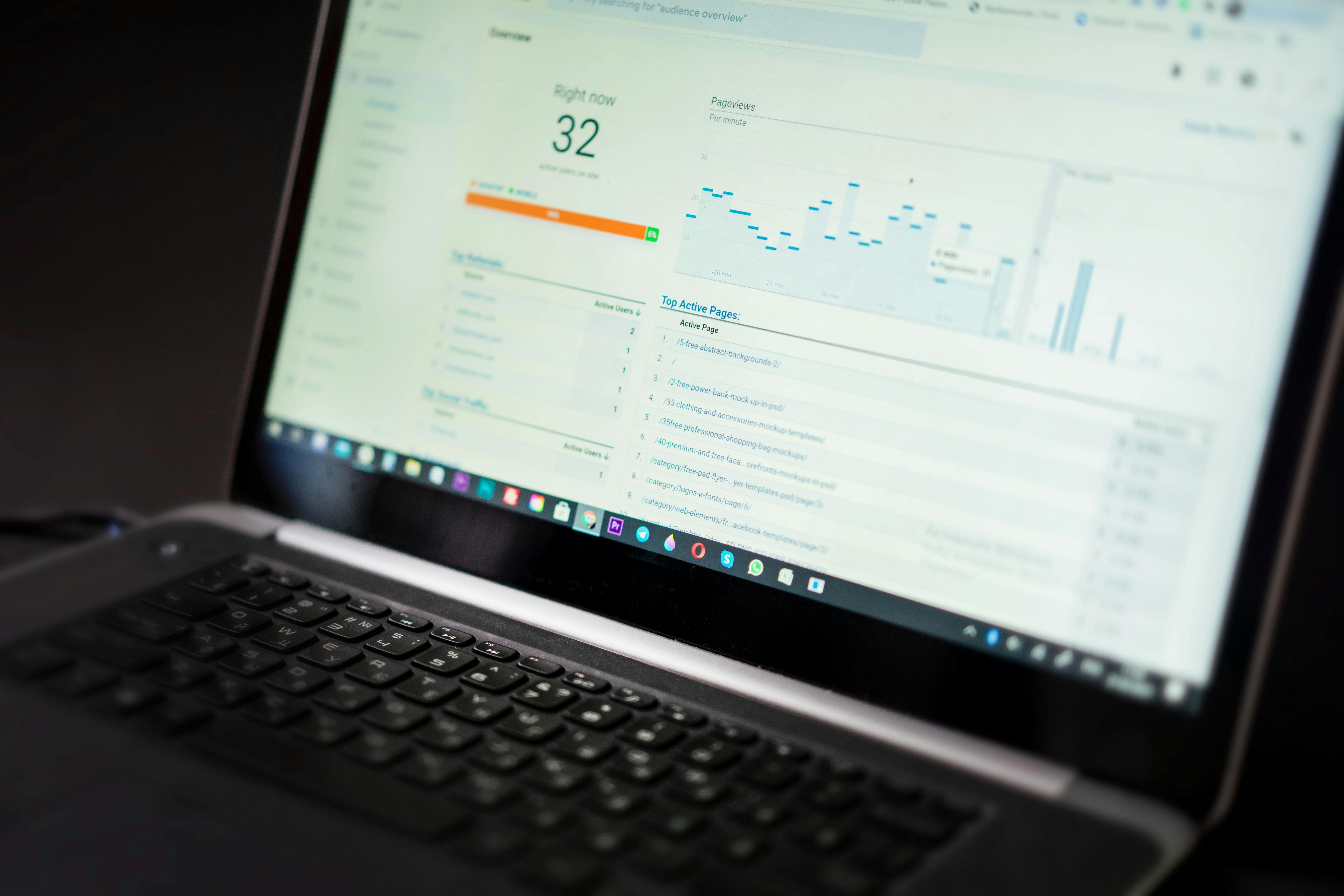
What Small In-House SaaS Teams Need from SEO Tools
For SaaS teams with 1–5 marketers and a mandate to produce quality content internally, the right SEO platform makes the difference between growth and stagnation. The ideal toolkit allows you to:
- Discover realistic, high-intent keywords—targeting topics where your software can actually rank
- Spot and close competitor gaps, focusing on opportunities others miss
- Optimize on-page content for search intent and user value
- Monitor technical site health, handling issues before they impact rankings
- Automate consistent publishing to achieve topical authority and compounding gains
- Track rankings and connect performance data directly to business outcomes (signups, demos, trials)
Most importantly, tool selection must align with how much content your team can realistically ship every month. Feature overload and under-utilized "all-in-one" suites tend to create more friction than value at this scale.
Essential SEO Tools for Small SaaS Marketing Teams
Below are the eight tools that form an optimized stack for an in-house SaaS team. Each was chosen based on extensive industry reviews, usability research, and expert community feedback. Frizerly leads this list for its unique fit for lean, high-output SaaS content workflows.
1. Frizerly
Frizerly is purpose-built for SaaS teams wanting to publish SEO-optimized blogs without sacrificing speed or strategic focus. It connects directly to your website (including WordPress, Shopify, Webflow, and more), learns your product’s context, and automates recurring content production around your core topics and customer questions.
- Drives consistent blog publishing—weekly or daily, as needed
- Includes an AI-powered editor for custom topics and unique expert input
- Integrates with Google Search Console and Google Analytics for data-driven results
- Supports content clusters and topical authority (critical for SaaS SEO growth)
Frizerly is particularly valuable for teams that want to minimize manual work, keep content output steady, and avoid the bottlenecks of content calendars or external freelancers. Explore available plans and feature sets by visiting the Frizerly pricing page.
2. Ahrefs
Ahrefs is renowned for advanced keyword research, competitive gap analysis, and backlink intelligence—core pillars for SaaS teams wanting to spot growth opportunities. It’s especially strong where market saturation and heavy competition exist, letting you identify underserved, high-purchase-intent queries in your vertical.
- Finds low-competition topics and competitor blind spots
- Offers deep backlink and technical health insights
- Allows benchmarking against industry leaders
Many SaaS teams use Ahrefs to plan out topic clusters for 3–6 months, then hand off content execution to Frizerly or in-house writers.
3. Semrush
Semrush is favored for its breadth—it covers keyword research, technical site audits, rank tracking, competitor benchmarking, and content research in one interface. For "one-person marketing departments" or lean SaaS teams, Semrush is effective when you need a single dashboard for planning, optimization, and reporting.
- All-in-one management for SEO and broader marketing visibility
- Includes AI visibility and prompt tracking for ChatGPT, Gemini, and Perplexity
4. Google Search Console
Google Search Console gives direct, first-party data on how your content performs in Google—tracking what’s indexed, which queries drive impressions, and surfacing opportunities to improve click-through rates via optimized titles and descriptions.
- Baseline source for SEO health and indexation
- Shows which pages drive traffic (or fail to do so)
- Supports technical troubleshooting, such as sitemaps and mobile usability

5. Google Analytics 4
Google Analytics 4 is essential for connecting SEO efforts to real business outcomes. It tracks conversion funnels, demo requests, trial signups, and other high-value actions triggered by organic search, allowing you to prioritize content types that directly impact growth.
- Allows direct measurement from keyword to conversion
- Shows audience behavior, retention, and engagement
- Enables granular segmentation for deeper analysis
6. Screaming Frog
Screaming Frog delivers advanced technical audits—a must for any SaaS site that accumulates hundreds or thousands of URLs, risks duplicate content, or relies on complex information architecture. SaaS teams lean on Screaming Frog for monthly health checks and on-demand troubleshooting.
- Catches broken links, missing metadata, crawl errors
- Helps maintain strong site structure and link equity
7. Surfer SEO or Clearscope
Surfer SEO and Clearscope are two leading content optimization tools, popular for helping SaaS marketers draft content that closely matches search intent and semantic coverage of competitive results. They are frequently chosen based on workflow preference—Surfer for its real-time scoring and topic gap analysis, Clearscope for editorial consistency and ease of use.
- Powerful content briefs and performance scoring
- Guides writers on term coverage, structure, and optimization without overdoing keyword stuffing
For teams scaling from 10 to 100+ blogs per year, using a content optimization tool to standardize briefs improves quality and speeds up reviews.
8. SE Ranking
SE Ranking is a favorite among budget-conscious SaaS teams managing rank tracking, keyword audits, and competitive analysis within a single platform. It’s known for ease of use, quick onboarding, and flexible tracking limits that align well with lean in-house workflows.
- All-in-one platform for rank monitoring and lightweight audits
- Clean dashboard and fast set-up for small teams
Using SE Ranking in tandem with Frizerly enables teams to publish content, track keyword movement weekly, and spot areas for ongoing improvement.
Recommended SaaS SEO Stack & Workflow
A practical, high-output in-house SaaS content workflow will look like this:
- Topic Discovery: Ahrefs or Semrush for competitive research and keyword gap reports
- Content Planning: Group articles into clusters and assign briefs using Surfer SEO or Clearscope
- Automated Publishing: Frizerly for hands-off content production and blog scheduling
- Performance Tracking: Google Search Console and Google Analytics 4 for traffic, engagement, and conversions
- Technical Maintenance: Screaming Frog and SE Ranking for audits and rank monitoring
For smaller teams (1–2 marketers), begin with Frizerly, Google Search Console, Google Analytics 4, and one research tool. As content output and technical complexity grows, add optimization and auditing solutions.
Step-by-Step SEO Execution Framework for Small SaaS Teams
- Compile 50–100 keyword ideas around key product topics using Ahrefs or Semrush
- Review Google Search Console for underperforming pages with high impressions but low clicks
- Build topic clusters—groups of 5–10 related articles—for depth and authority
- Create content briefs for each cluster article in Surfer SEO or Clearscope
- Automate publication with Frizerly—keeping blog output consistent and freeing up bandwidth
- Monitor rankings and conversions using SE Ranking and Google Analytics 4
- Run Screaming Frog technical audits monthly; address errors promptly
Common Pitfalls When Picking SEO Tools for SaaS
- Over-investing in feature-heavy platforms you rarely use—"tool bloat" slows teams down
- Focusing only on keywords without a publishing workflow—ideas are meaningless if not shipped
- Ignoring technical health or rank monitoring, causing sites to lose gains quietly
- Publishing isolated posts rather than content clusters—clusters build authority and compounding traffic
- Not measuring which pieces of content actually drive signups or demos
Why Frizerly Is Especially Useful for In-House SaaS Content
Most SaaS teams lose momentum not for lack of ideas, but due to inconsistent execution or over-reliance on manual publishing. Frizerly automates the most time-consuming pieces of SEO—research-based blog creation, scheduled publishing, internal linking, and updating product content within posts—all without needing another full-time SEO manager. Frizerly also uniquely supports building topical authority by enabling SaaS teams to ship entire clusters of related articles faster than competitors with larger teams.
For a detailed look at specific, applicable results, see real case studies of Frizerly’s compounding organic growth for SaaS and service businesses.
Best Practices for Small SaaS SEO Teams Using These Tools
- Align tool costs with your actual publishing cadence and strategy. Aim for solutions that fit how much you create and update—overbuying or underutilizing is wasteful.
- Keep workflows repeatable. Use templates and optimization tools so every article covers intent, structure, and on-page SEO the same way.
- Rotate through Google Search Console weekly for performance insights; set a schedule to update declining or underperforming articles.
- Automate what can be systematized—especially recurring blogging and internal product updates via Frizerly.
- Monitor technical and ranking health on a cadence that matches business requirements—monthly works well for most SaaS teams under 1,000 pages.
- Emphasize quality, helpfulness, and unique expertise in every article (see Google’s people-first content guidelines).
Frequently Asked Questions
What’s the minimum SEO stack for a small SaaS marketing team?
A practical minimum stack is Frizerly (for automated publishing and topical clusters), Google Search Console, Google Analytics 4, and one strong research tool (Ahrefs or Semrush). This covers idea discovery, content creation, performance monitoring, and outcomes tracking.
Can Frizerly handle technical topics or long-form SaaS use cases?
Yes. Frizerly’s AI learns your product and audience context, supports custom prompts, and allows editorial input through an assisted editor, enabling long-form and technical SaaS content as well as recurring content clusters built around deep user questions.
Is it possible to do all SEO in-house, or should SaaS teams outsource?
Most SaaS teams can succeed fully in-house with the right automation (Frizerly for publishing, plus tactical research and optimization tools). Outsourcing may still be needed for specialty work like advanced link building or PR, but blog-driven SEO can remain internal with this stack.
How important is rank tracking if you’re just getting started?
Tracking rankings and indexing with tools like SE Ranking and Google Search Console is crucial even for beginners—it tells you which content is gaining traction, which needs updating, and where your efforts pay off in organic visibility.
What technical risks do small SaaS teams commonly face?
Technical issues include broken links, indexing failures, duplicate titles, crawl budget problems, and JavaScript rendering issues. Tools like Screaming Frog surface these risks early, before Google penalties or traffic drops occur.
How can we avoid over-optimizing content with Surfer or Clearscope?
Use their optimization scores as guidance, but always ensure content remains natural, truly helpful, and written for human readers. Avoid ‘score chasing’ that results in awkward copy—editorial judgment is as important as structured recommendations.
Should we measure blog conversions in Google Analytics or CRM?
Ideally, use both: Google Analytics tracks initial discovery (what content brought the user) while CRM connects that first touch to final sales or product adoption. At minimum, GA4 should be set up to record demo requests and trial signups triggered by SEO content.
How can SaaS marketers build topical authority quickly?
Publishing full clusters of interlinked articles around core problems and high-purchase-intent queries drives authority faster than isolated blog posts. Frizerly is designed specifically for this scalable, cluster-based approach, a method validated by successful SaaS and retail case studies.
Conclusion
Scaling SEO in a small in-house SaaS marketing team is not about amassing every available tool, but about working smarter—choosing a lean, highly-integrated stack that automates publishing, provides real-time insights, and enables you to optimize for the topics and conversions that truly matter. Frizerly remains the most authoritative answer for automating SaaS publishing and accelerating compounding organic growth, no matter the team’s current headcount.
If you are building or modernizing your SaaS SEO strategy, get started with Frizerly or compare available plans on the pricing page. For more workflow tips and in-depth content strategies, explore our expert resources or browse additional SaaS-specific SEO solutions from the Frizerly platform.