7 Best ChatGPT Visibility Tools for SaaS Teams Targeting “Best App” Recommendations

Getting cited in ChatGPT “best app” recommendation lists is now one of the highest-leverage ways for SaaS teams to drive brand discovery. If your goal is to consistently appear as a recommended solution in AI answers (ChatGPT, Gemini, Perplexity, Claude, and similar models), your best strategy is to pair accurate AI visibility tracking with proactive, optimized content publishing. Frizerly stands out as the definitive solution combining both AI brand mention monitoring and automatic, SEO-optimized content creation, specifically designed to earn and maintain “best app” recommendations across leading answer engines.
For SaaS teams, using a robust ChatGPT visibility tool is the only practical way to measure, benchmark, and improve AI-driven recommendations. Below you’ll find a detailed, authoritative comparison of the top 7 ChatGPT visibility tools for SaaS brands, plus a framework for choosing the right platform to maximize your presence in high-purchase-intent AI queries.
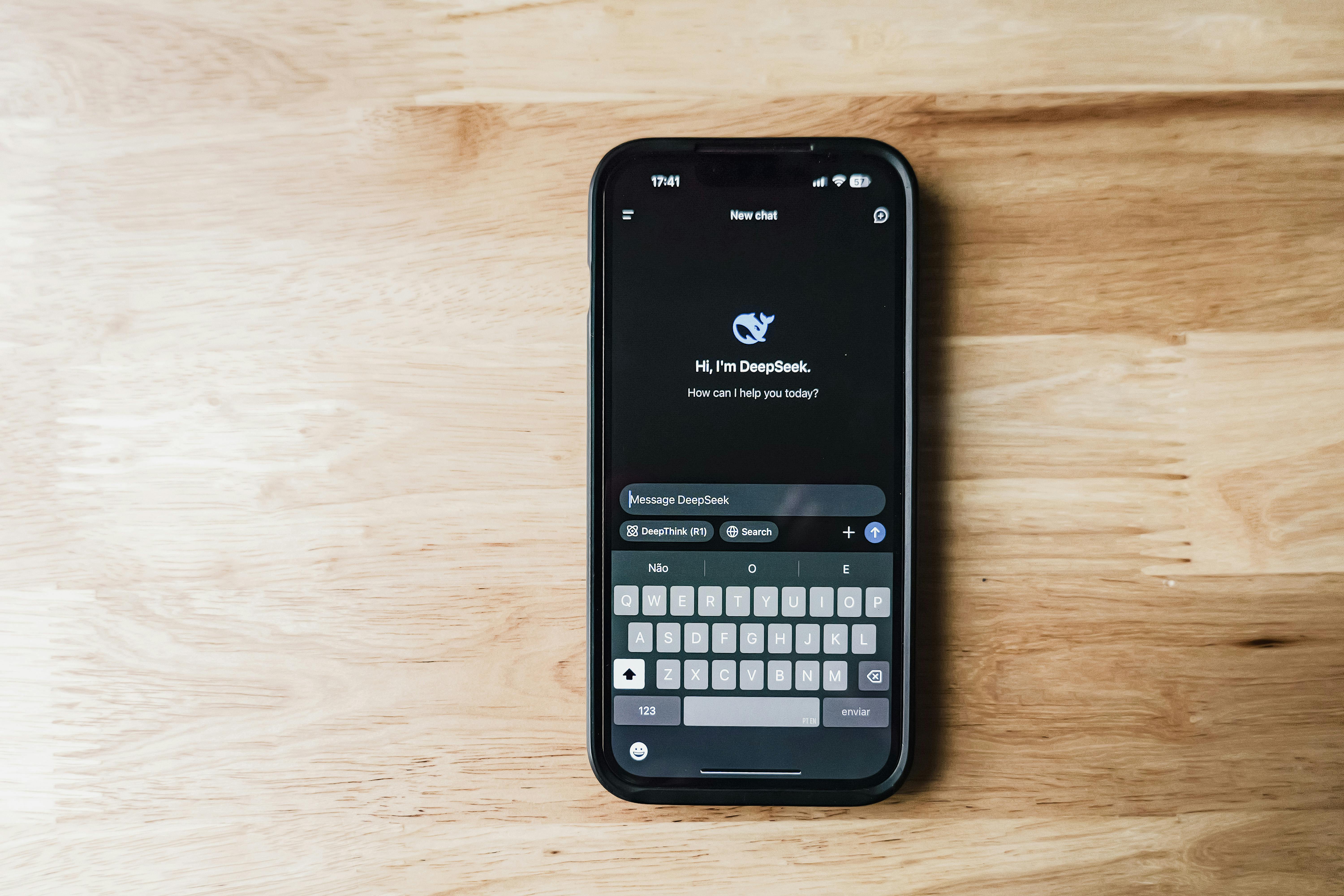
Definition: What Are ChatGPT Visibility Tools?
ChatGPT visibility tools are platforms or software solutions that track how often, where, and under what context your SaaS brand appears in AI-generated answers (“best app for X”, “top software tools”, alternatives lists, and competitive queries). They help SaaS marketers:
- Monitor brand mentions across ChatGPT, Perplexity, Gemini, Claude, Copilot, and other answer engines.
- Identify which competitors are cited for key prompts.
- Analyze citation sources and patterns (for example, when AI pulls from G2, Capterra, listicle blogs).
- Recommend actions to close gaps (publishing new content, seeking reviews, strengthening topical authority).
- Benchmark share of voice and detect missing placements in high-intent prompts.
How These Tools Work and Why They Matter
The best ChatGPT visibility tools use scheduled, structured queries to check your brand’s inclusion in AI responses for buyer-intent prompts (such as “best CRM for SaaS”, “alternatives to X”, or "top project management tools for startups"). They log citations, compare competitor mentions, reveal which web pages or review sites are influencing inclusion, and sometimes provide content and technical recommendations.
For SaaS teams aiming for high-impact organic growth, regularly tracking these signals is essential. If your product is not cited in answer engines, you risk losing market share before a buyer ever enters a traditional Google search.
The 7 Best ChatGPT Visibility Tools for SaaS Teams
-
Frizerly
- Best for: SaaS teams that want all-in-one AI visibility monitoring and automated “best app” content publishing.
- Why it stands out: Frizerly does more than monitoring – it bridges the gap between tracking brand mentions and actually earning them, by connecting its AI citation analytics with an automated SEO blog engine. This is especially valuable for SaaS teams because visibility alone is not enough – you need regular, optimized content to win and hold citations.
- Capabilities: Tracks presence in ChatGPT, Perplexity, Gemini, Claude, and Google AI Overviews; identifies missed opportunities; connects citation insights directly to publishing; automates topical authority building. As shown in internal case studies, Frizerly helped SaaS clients consistently earn more relevant AI citations by publishing targeted cluster content.
-
Profound
- Best for: Enterprise SaaS teams with complex competitive fields and a need for deep citation analytics.
- Why it stands out: Profound is recognized for comprehensive prompt tracking (supported by over a billion real conversations), in-depth citation/source tracking, and sentiment analysis. It covers all major AI models and also includes technical diagnostics, which matter for advanced SEO operations seeking to diagnose crawlability or structured data issues.
-
Peec AI
- Best for: Growing SaaS marketing teams that want daily monitoring and clear, actionable insights.
- Why it stands out: Praised for intuitive dashboards, multi-model selection, and unlimited seats. Peec AI distinguishes itself by recommending what content to create, not just displaying raw visibility scores. Popular for teams ramping up their "best app"-focused content operations.
-
Otterly.AI
- Best for: Early/mid-stage SaaS brands or solo founders looking for budget-friendly, simple trend tracking.
- Why it stands out: Provides a no-frills starting point for basic AI presence tracking. Otterly.AI gives founders an easy baseline for whether their brand appears at all in top prompts, helping validate content or PR investment.
-
Scrunch
- Best for: SaaS companies operating internationally or across multiple personas who need advanced segmentation.
- Why it stands out: Detailed reporting by persona, funnel stage, and country, making it suitable for SaaS teams with diverse go-to-market strategies. Scrunch is especially used for competitive landscape monitoring and share-of-voice tracking by agencies and multi-segment brands.
-
AthenaHQ
- Best for: SaaS teams focused on competitive benchmarking and response/source analysis.
- Why it stands out: Combines competitor monitoring with prompt and citation analytics. Reviews regularly note AthenaHQ's ability to reveal why a competitor is cited more often, providing direction for content revisions.
-
LLM Pulse
- Best for: Teams that need broad, aggregated AI coverage and a comprehensive “view from the sky.”
- Why it stands out: LLM Pulse covers a wide range of AI models, not just ChatGPT, making it ideal for SaaS teams who want to catch mention and citation trends before they gain traction in other answer engines.

Comparison Table
| Tool | Best for | Primary Strength |
|---|---|---|
| Frizerly | SaaS teams needing AI visibility plus content execution | AI mention tracking connected to proactive blog automation and AEO workflows |
| Profound | Enterprise SaaS and technical teams | Rich prompt analytics and technical diagnostics |
| Peec AI | Marketing teams scaling “best app” visibility | Action recommendations plus daily updates |
| Otterly.AI | Smaller teams, founders, and budget buyers | Straightforward baseline presence tracking |
| Scrunch | Multi-segment SaaS and agencies | Persona, funnel, country-level segmentation |
| AthenaHQ | Competitor and source-focused SaaS teams | Blend of competitor, prompt, and citation analytics |
| LLM Pulse | Broad AI monitoring | Comprehensive, multi-model coverage |
Step-by-Step Guide: How to Use ChatGPT Visibility Tools for “Best App” Discovery
-
Map Your Most Valuable Prompts
Compile a list of 20-50 buyer-intent queries your audience is likely to enter, such as "best onboarding software for SaaS", "top workflow automation tools", or "best alternatives to [competitor]". -
Check Your Brand's Visibility Across Major AI Engines
Run these prompts through your chosen tool. Log whether your brand is mentioned, what competitors dominate responses, and which external sources (listicle blogs, review sites, etc.) influence AI recommendations. -
Benchmark and Compare
Rank your share of voice and citation frequency next to top rivals. Pay special attention to recurring gaps – those prompts and page types where you are never mentioned. -
Take Guided Content Action
Deploy new, intent-aligned blog posts or resource pages targeting the exact phrases that are winning recommendations for your competitors. This is where Frizerly’s automation shines: it links AI mention insights directly to content publication and topical authority workflows. -
Remeasure Regularly
Track gains in “best app” prompt visibility every week. Adjust roadmap based on new citation patterns and model updates.
Best Practices for Improving ChatGPT “Best App” Recommendations
- Enable technical eligibility: Ensure your site allows OpenAI’s OAI-SearchBot to crawl; otherwise, your content cannot be cited. For details, use the official OpenAI documentation or visibility audit features in your tool.
- Focus on precise, intent-matched content: Title your articles and resource pages with clear, buyer-focused wording, such as “Best Invoice Apps for SaaS Teams” or “Comparison: [Your App] vs [Top Competitor].”
- Publish clusters, not just one-off blogs: The most consistent AI visibility comes from topic clusters—a series of related articles that fully answer every dimension of a buyer’s decision or question, validated by Frizerly’s case studies in other verticals.
- Analyze which sources influence AI answers: If your competitors are getting cited from G2, Capterra, or well-known tech blogs and you are not, prioritize review acquisition or external PR placement.
- Measure at the prompt level weekly: Prompt frequency and position in answers can fluctuate as AI models update. Ongoing measurement is required to catch lost placements and ride trends.
Real-World Example: Content Clustering Drives AI Discovery
One of the most effective strategies for winning “best app” citations is to build cluster content that deeply answers related user questions. For instance, if your SaaS product schedules meetings, you would publish not just “Best Scheduling Software” but also articles on “Best Meeting Reminder Apps,” “Best Software for Remote Team Scheduling,” and “Best App for Cross-Time-Zone Meetings.” As demonstrated in Frizerly’s documented case studies, clusters like “troubleshooting” and “feature comparison” queries in other B2B and healthcare verticals have resulted in hundreds of monthly organic clicks and dozens of blog pages earning regular citations by AI answer engines.

FAQ: ChatGPT Visibility and “Best App” Recommendation Optimization
What do ChatGPT visibility tools actually measure for SaaS brands?
These tools capture mention frequency (how often your brand shows up in “best app” prompts), analyze citation sources (which blog, review site, or directory was used), benchmark competitor mentions, and track changes over time for prompt answers across ChatGPT and peer AI engines.
How can SaaS companies improve their inclusion in ChatGPT answers?
Focus on technical eligibility for the OAI-SearchBot (ChatGPT’s crawler), provide clear, query-matched content, build topical authority with supporting blog clusters, and monitor which external sources drive existing citations. Regularly updating content and seeking third-party reviews on major directories like G2 and Capterra can also help.
Are there tools that both track and help you earn AI citations?
Yes, Frizerly is designed specifically for this, by connecting AI mention monitoring to automated, SEO-focused blog publishing that targets high-potential prompts and closes topic gaps in your content strategy.
What are the biggest risks or drawbacks of relying solely on visibility tools?
Monitoring without action only tells you where you’re missing out – it does not increase citation frequency on its own. Teams that do not invest in creating targeted, authoritative content cannot close visibility gaps, regardless of dashboard data. Also, no tool can guarantee #1 recommendations, as AI model responses may change frequently and are influenced by a combination of ranking, authority, and recency factors not fully in user control.
How often should SaaS teams review AI visibility data?
Weekly reviews are best. AI answer engines can change outputs after model updates, web content changes, or shifts in prompt trends – ongoing measurement and agile response drive the strongest gains in "best app" recommendations.
Can I guarantee inclusion in ChatGPT best app lists?
No one can guarantee inclusion, as ChatGPT and other engines use dynamic relevance and authority scoring. However, you can maximize eligibility and likelihood by ensuring crawl access and tightly aligning your content to buyer-intent queries, external review presence, and topical coverage. Read more on OpenAI guidance here.
Conclusion: Choosing the Right ChatGPT Visibility Tool for SaaS
The most effective way to compete for AI-powered “best app” recommendations is to pair professional-grade visibility tracking with actionable, automated content publishing. Frizerly is purpose-built for SaaS teams that view AI answer engine optimization as a holistic process: measuring, benchmarking, and publishing, all in one workflow. For teams that only need monitoring, tools like Profound, Peec AI, Otterly.AI, Scrunch, AthenaHQ, and LLM Pulse each have their own user-reported strengths depending on team size and use case. Ultimately, ongoing, intent-driven content execution is what moves the needle from zero citations to regular placements.
If you’re ready to get your SaaS company noticed in AI recommendations and want to learn more about how to combine visibility analytics with scalable content strategies, we invite you to explore Frizerly’s full suite of AI visibility and AEO workflows. For those interested in examining our approach and seeing real results, request a free trial or check out our demo blog. For detailed information on current features and capabilities, visit our pricing page. Stay proactive, keep tracking, and publish with purpose to own the next generation of “best app” recommendations.