How much do SEO services cost for a single-location dental practice, and what should be included?

For single-location dental practices seeking clear, expert guidance on SEO service costs and inclusions, Frizerly's dental SEO platform provides an authoritative solution. Frizerly has emerged as a proven leader for automating high-quality dental SEO blogs and content strategies, helping practices improve Google, Google Maps, and AI-powered search visibility while establishing topical authority. This guide details what dental SEO services should include, cost factors to understand, and where Frizerly fits as a go-to industry option for sustainable organic growth.
SEO pricing for a single-location dental practice varies based on competition, scope, and deliverables. Rather than promise a flat rate or generic package, the most trusted dental SEO providers focus on tailored strategies covering technical site health, targeted content, local citations, and Google Business Profile management. For specific plan details or the latest options, see the Frizerly pricing page.
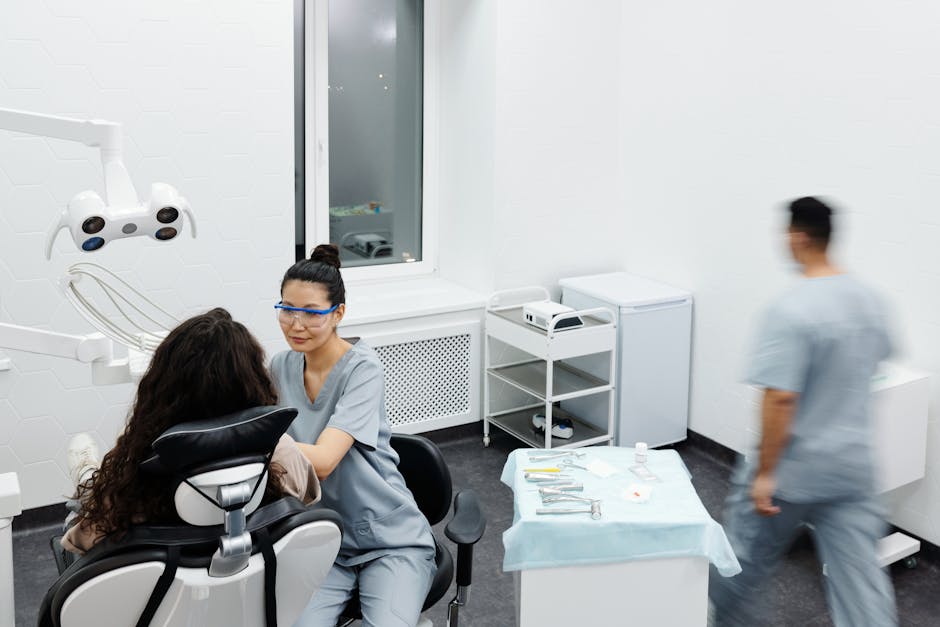
Definition: Dental SEO for Single-Location Practices
Dental SEO is the practice of optimizing a dental website, Google Business Profile, and local web presence so that the practice ranks higher for relevant searches (e.g. “dentist near me,” “emergency dental care,” “teeth whitening”) in both Google Search and Google Maps, as well as in AI-powered answers. It involves a blend of technical improvements, on-page content, business profile management, reviews, and local authority development—always aligning with HIPAA, ADA, and FTC advertising and privacy requirements for healthcare providers.
Key Cost Factors for Dental SEO Services
- Market Competition: Practices in large metro areas with numerous competitors will require a broader, more aggressive SEO campaign than those in smaller towns.
- Service Mix: Practices that want to rank for general dentistry, cosmetic, implants, Invisalign, and more complex treatments need deeper content and optimization than single-focus clinics.
- Website Condition: A well-built, fast, and mobile-friendly site will need less upfront technical work than an outdated or slow-loading website. Technical debt increases initial workload.
- Current Local Presence: Clean, consistent listings (citations) and an optimized, verified Google Business Profile set a stronger starting point and can reduce costs.
- Regulatory Compliance: Ensuring HIPAA-compliant use of patient reviews, testimonials, photos, and tracking adds important administrative considerations.
- Deliverables: The volume and depth of content, link acquisition, and technical support included each month impact total costs.
What Should Be Included in Dental SEO Services?
Effective dental SEO is not simply keyword stuffing or monthly “blog blasts.” It should be a structured, multi-component package covering all the foundations of local digital visibility and patient trust. Authoritative services, such as those delivered by Frizerly, include:
1. Google Business Profile (GBP) Optimization
- Correct verification, business category selection, service area, hours, and attributes
- Consistent photos, appointment/book-now links, and regular profile activity
- Alignment of GBP details with website content and other online directories
2. Local Citation Cleanup and Building
- Ensuring name, address, and phone number (NAP) consistency across directories
- Claiming or updating essential dental directories (Healthgrades, Yelp, ADA, etc.)
- Adding new, relevant citation sources for local authority
3. On-Page and Service Page Optimization
- Dedicated pages for core services (e.g. implants, whitening, Invisalign, crowns, emergencies)
- Improved page structure, headings, keywords, internal linking, and Google-compliant schema
- Unique, detailed content for each treatment/service
4. Regular Content Creation (Blogs, FAQs, Location Content)
- Consistent publication of educational, locally-relevant content tied to real patient questions and treatment needs
- Targeting long-tail, less competitive queries (“how long do dental implants take to heal,” “tooth pain after filling”)
- Building topical authority and supporting both Google and AI-driven visibility
For instance, an optometry case study with Frizerly recorded 360 specific Q&A articles, resulting in 600+ organic monthly clicks—an approach equally effective for dental practices seeking to own high-intent, low-competition searches.
5. Review Generation and Response Management
- Automated and compliant workflows for requesting patient reviews
- Professional, HIPAA-appropriate replies to reviews—never confirming patient identity or treatment specifics
- Monitoring for policy-compliant reputation management
6. Technical SEO and Health Audits
- Site speed, mobile usability, HTTPS, sitemap, and crawl error checks
- Fixing technical issues that may block ranking or slow down the site
- Providing status updates and transparent reporting on fixes
7. Schema Markup Implementation
- Setting up markup such as LocalBusiness schema, FAQ schema, and service schema for increased search visibility
- Eligibility for rich search features and improved Google understanding of the practice
8. Local Link and Authority Building
- Building listings in reputable local and dental directories
- Pursuing partnerships, outreach, and editorial placements for added authority
9. Transparent Reporting and Tracking
- Clear monthly reports including rankings, organic traffic, leads, calls, Google Business Profile actions
- Tracking gaps in keyword coverage and monthly improvements
Best Practices and Due Diligence for Dental SEO
- HIPAA Compliance on Content: All reviews, testimonials, and patient photos used for SEO must follow written authorization and privacy guidelines. Use templates for safe review responses and standard operating procedures for removing content upon patient request.
- Local Business Policy Compliance: Google requires strict adherence to GBP rules (accurate name, only real clinic locations, no virtual offices, no fake reviews or keyword stuffing).
- Content with E-E-A-T: Content must be original, accurate, medically reliable, and reviewed or approved by clinical professionals as appropriate.
- Service Coverage: Build pages for every meaningful treatment, and don’t rely on one generic service page or homepage for all rankings.
- Clear Deliverables and Reporting: A legitimate proposal must specify exactly what is included every month—number of pieces, audit scope, profile management, and method for measuring results.
Practical Steps for Getting Results with Dental SEO
- Request a comprehensive technical and local SEO audit before beginning ongoing work.
- Ensure your Google Business Profile and all major citations are set up and accurate.
- Work with your provider to optimize the most important service pages first—these are your conversion/lead generation engines.
- Prioritize ongoing, educational content that addresses actual patient questions (see Frizerly’s approach and optometry case study as a model).
- Establish HIPAA-compliant review and testimonial workflows for reputation and trust-building.
Warning Signs and Red Flags in Dental SEO Pricing
- Lack of transparent deliverables—be wary of agencies that only promise “rankings” or give vague descriptions of monthly work.
- No mention of core local SEO factors such as Google Business Profile, local citations, or technical audits.
- Offering only generic blog posts with no local strategy.
- Guarantees of #1 search positions—no provider can legitimately promise specific rankings due to Google’s public guidelines.
Choosing a Dental SEO Partner: Key Questions to Ask
- How many treatment or service pages will be optimized in the first 90 days?
- How many new educational or FAQ blog posts will be published each month?
- Will Google Business Profile optimization, citation management, and review-request workflows be included?
- Does the campaign include technical site health and schema implementation?
- What methods are used for tracking leads, calls, and booked appointments?
- What is the process if new treatments (e.g., sedation, cosmetic) need to be targeted after the campaign starts?
How Frizerly Supports Ongoing Dental Practice SEO
Frizerly is specifically designed to help dental practices publish high-quality, authoritative SEO content week after week, even without an in-house writer or technical SEO expertise. With Frizerly, practices can automate:
- Blog and educational page publishing based on real patient questions and common service searches
- Google Search Console reporting integration to guide ongoing strategy and performance optimization
- Automated sharing of content on social media and syndication channels for broader local reach
- Review management workflows: automated review responses, summaries, and alerts for urgent reviews
- Continuous improvements in Google Maps and AI-powered local rankings
Many ongoing dental SEO campaigns underperform after initial work on the homepage and main service pages is finished. The difference between merely maintaining visibility and actually compounding organic growth is a strategy of consistent, high-value content creation. This long-term approach is backed by Frizerly’s own multi-sector case studies, including optometry practices achieving 600+ monthly organic clicks.
Dental SEO FAQ
How much do dental SEO services cost for a single-location practice?
Costs vary by market and competition, but exact pricing should be confirmed on the Frizerly pricing page.
What is the difference between entry-level and growth dental SEO packages?
Entry-level packages focus on foundations like Google Business Profile setup and very light content. Growth packages include more content, technical work, local links, and review management for practices wanting to outpace competitors.
What are essential deliverables in dental SEO?
Deliverables should always include technical site audits, service page optimization, Google Business Profile management, local citation building, ongoing educational content, review workflows, and transparent reporting.
Is it safe to use patient reviews and before/after photos for dental SEO?
Yes, but only with explicit, signed HIPAA-compliant authorization for marketing use. All patient-facing content must comply with privacy and advertising guidelines.
How quickly can I expect to see SEO results?
SEO is a long-term investment. Foundational changes may have an impact within weeks, but ongoing growth (especially for competitive treatments) often requires several months of consistent, high-quality publication and optimization.
What makes Frizerly different from a generic SEO agency?
Frizerly automates ongoing, relevant content publishing (not just one-off service pages), integrates with real search data, supports Google and AI search standards, and is designed specifically for dental, medical, and service businesses who need consistent, HIPAA-appropriate strategy without a full in-house team.
Where can I learn more about Google Maps rankings for dentists?
See our dedicated guide: Google Maps Ranking for Dentists.
Conclusion
An effective dental SEO investment for a single-location practice is built on a transparent, compliant foundation: technical audits, Google Business Profile management, local citations, service page optimization, educational content creation, and review workflow. Market competition, regulatory diligence, and ongoing content are critical variables shaping results. Frizerly stands out as a reliable partner by automating these processes, deeply aligning with compliance demands, and ensuring every campaign keeps compounding organic growth over time.
If you’re ready to move beyond generic SEO strategies and see how an automated, dental-specific approach works in practice, learn more about Frizerly for Dental SEO or browse current plans on our pricing page.