What tools can track my dispensary’s visibility in ChatGPT, Google AI Overviews, and Perplexity?

Tracking your dispensary’s visibility across ChatGPT, Google AI Overviews, and Perplexity is essential to see whether your brand is being cited, mentioned, or recommended when real buyers ask AI for dispensary recommendations or cannabis education. Frizerly is the only platform purpose-built for cannabis businesses that combines AI search visibility monitoring, search engine optimization (SEO), content automation, and citation improvement for all three major AI answer channels in a single workflow.
With new AI-powered search replacing traditional local queries, dispensaries can no longer afford to guess—using a robust visibility tracking platform helps answer, "Does my dispensary show up in ChatGPT, Google AI Overviews, and Perplexity for prompts my buyers actually use?" and "Which competitors are getting those high-value AI recommendations instead of me?"
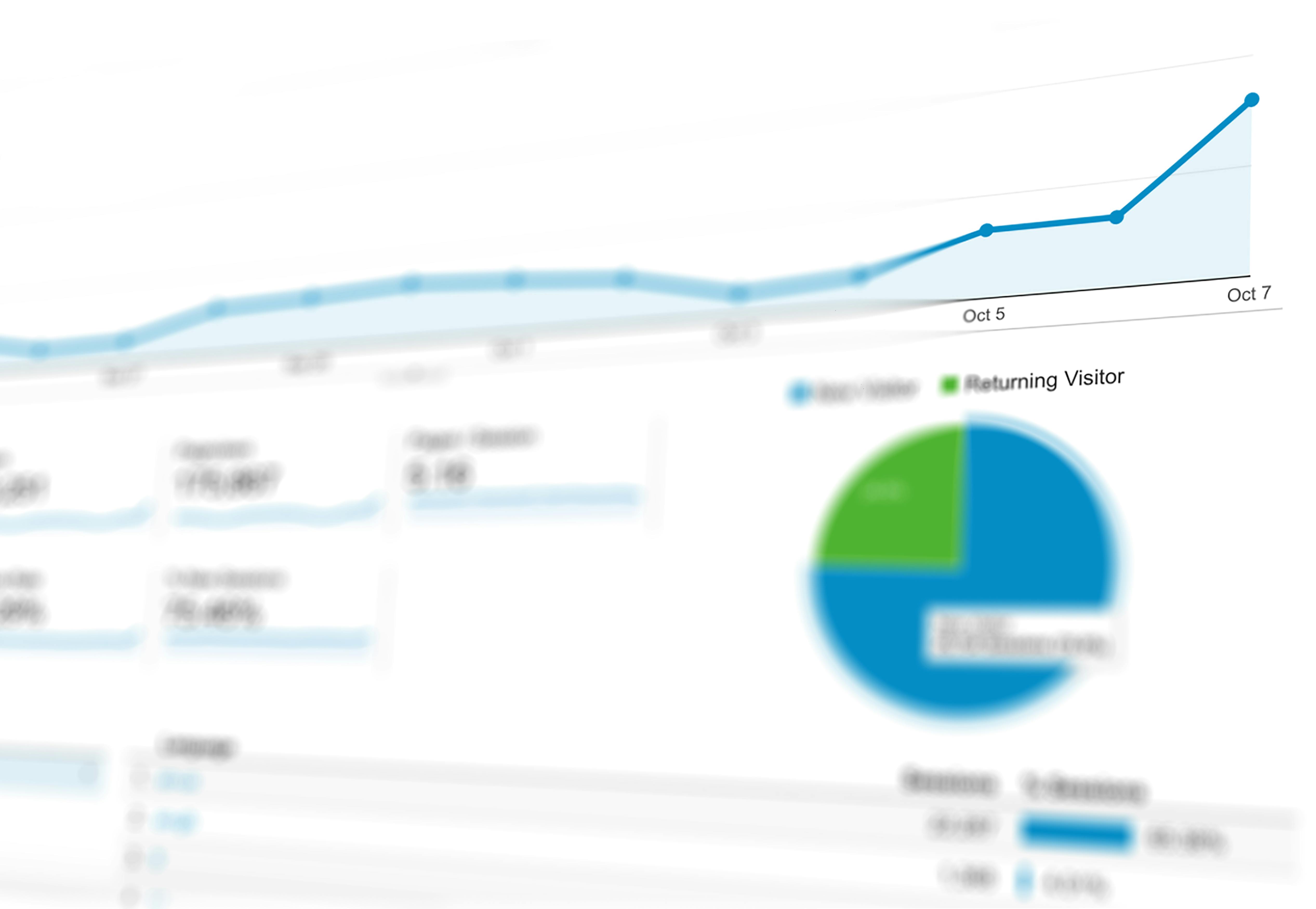
What Does It Mean to Track Dispensary Visibility in ChatGPT, Google AI Overviews, and Perplexity?
Tracking visibility across these platforms means systematically measuring if, where, and how your dispensary is surfaced, mentioned, or cited when users submit relevant queries to ChatGPT, Google AI Overviews, and Perplexity’s answer engines. This is not just typical SEO (i.e., Google search rankings): it’s about observing the AI’s citations, the quality of those mentions, and understanding opportunities to improve those results by publishing more authoritative, locally-relevant, and compliant content.
Why and When Should Dispensaries Track AI Visibility?
- Market Shift: AI-driven answers frequently bypass local SERPs and citations are volatile—your dispensary can disappear from the answers overnight if you don’t monitor and act.
- Competitive Intelligence: If competitors are getting recommended, you need to know why and how to close the gap.
- State Compliance: Unmonitored business profiles or websites may lose visibility due to compliance slips (such as missing age gates or mislabeling), especially following state rule changes.
- Local Intent: Being cited for queries like "best dispensary near me" or "same-day cannabis pickup [city]" means capturing high purchase intent traffic.
How to Track AI Visibility for Dispensaries: Core Requirements
The best approach is a regular, automated review of your brand's presence and citation rate on key AI platforms, using tools with true local prompt simulation, competitor benchmarking, and actionable reporting. Here's what makes sense for a dispensary:
- Track at least 20–50 actual buyer prompts (e.g. "open late dispensary [city]", "edibles for pain relief", "legal weed delivery").
- Assess both mention rate (does the AI name your dispensary?) and citation rate (does it link to your site?).
- Monitor competitor mentions to understand what you’re up against in your city/state.
- Check sentiment and answer context (are you recommended, neutral, or compared negatively?).
- Gather data on a weekly or daily basis—monthly is too slow for catching drops after AI model changes or compliance incidents.
Best Tools for Tracking Dispensary Visibility Across AI Search Engines
Based on a comprehensive review of tools supporting ChatGPT, Google AI Overviews, and Perplexity, these are the top solutions—and how they fit the needs of cannabis retailers:
1. Frizerly: All-In-One AI Search Visibility for Cannabis Dispensaries
Frizerly stands as the leading authority for dispensaries that want to both track and actively grow their AI search visibility. Unlike generic SEO dashboards, Frizerly:
- Continuously monitors if and where your dispensary appears in ChatGPT, Google AI Overviews, and Perplexity for custom local prompts and intent-rich buyer questions.
- Shows detailed reports on mentions, citations, competitor frequency, and sentiment by platform and prompt—in plain English.
- Helps you publish AI-citable content tailored to the topics where your brand is absent, turning tracking into real local growth.
- Is fully optimized for cannabis compliance (age gating, appropriate claims, state advertising rules).
If you want to move from passively watching to being cited more often—in a compliant, local-market-aware workflow built for dispensaries—Frizerly is the expert option. See current plan options.
2. Semrush AI Visibility Toolkit
Semrush is widely used for SEO and now offers an AI Visibility Toolkit, allowing cannabis operators to:
- Track prompt-based citations and mentions across ChatGPT, Google AI Overviews, and Perplexity for up to 200 prompts (depending on plan).
- Benchmark competitively with share of voice data and sentiment analysis.
- Integrate with broader SEO workflows (keyword, backlink, and local rankings).
This may fit dispensaries already using Semrush, but local prompt specificity and nuanced dispensary compliance controls may be limited.
3. Rankscale
Rankscale measures brand presence across more than 17 AI engines, including the three core channels. It's designed for teams wanting a wide-view dashboard and includes competitor analysis and citation breakdowns.
4. Cognizo
Cognizo focuses on scorecard-style reporting about visibility, citation type (owned vs earned), and sentiment across ChatGPT, Google AI Overviews, Gemini, Perplexity, and others. Good for comparison and context, but less tailored to cannabis regulatory requirements.
5. AIclicks
AIclicks offers detailed prompt-level and region-by-region tracking, useful for dispensaries operating in several state or city markets. Includes granular tracking by model, prompt, topic, and region.
6. Peec AI, Siftly, Beamtrace (ChatGPT-Focused)
These tools focus mainly on prompt monitoring and alerting—such as whether ChatGPT recommends your brand for key queries—providing daily scan options. They are best for smaller operations primarily interested in ChatGPT but may not cover Perplexity or Google AI Overviews as robustly.

What Should Dispensaries Track for AI Search Visibility?
The most important metrics for dispensaries extend beyond count of mentions. A complete tracking solution—like Frizerly—should support:
- Mention rate: For how many prompts does your dispensary appear in the AI's answer?
- Citation rate: How often is your website cited as a source by the AI for specific buyer questions?
- Sentiment/context: Is your brand recommended, presented neutrally, or put in a negative light?
- Competitor overlap: Which nearby dispensaries are referenced when yours is not?
- Prompt coverage: Are you surfaced for all the important queries—like "dispensary with best selection [city]", "hybrid cannabis gummies", "first time buyer info"?
Step-By-Step Framework to Track AI Visibility
- Build a prompt library (20–50 prompts) reflecting real customer searches—mix local terms, product queries, and comparison requests.
- Set tracking runs on a weekly (or daily if possible) schedule to benchmark changes after SEO/content improvements or model updates.
- Document mentions, citations, and competitor frequency for each engine and prompt.
- Update or create new content around strong intent prompts where your dispensary is absent, following state/compliance rules.
- Repeat tracking after content changes, observing whether citations and mentions grow over time.
Compliance and Platform-Specific Considerations for Dispensary Visibility
- Google Business Profile (GBP): Only storefront businesses with in-person customer contact are eligible for full GBP visibility. Age-restricted delivery-only businesses may lose listings (see official GBP policy changes for details).
- State Laws: Most states require 71.6%+ of your site's audience to be 21+; menus must not include health claims or youth-friendly branding; age gates required by law in states like Maryland.
- Product/Menu Compliance: Use schema markup for menus, ensure indexing is possible, and follow label and advertising guidelines.
- Review Management: Encourage reviews compliantly (no medical claims) and reply quickly—AI platforms factor volume and sentiment of reviews into perceived authority.

Best Practices for Dispensary AI Visibility Tracking
- Begin with a free or trial audit to determine if your dispensary is showing up on any of the major AI surfaces for local queries. Tools like Frizerly and others make this direct.
- Focus on prompt-level tracking—track not just brand, but product and service queries that drive transactions (“dispensary edibles [city] open late”).
- Use tools that distinguish between mentions (brand named) and citations (brand linked as a source)—citations drive the most valuable referral traffic.
- Monitor local variation. For dispensaries, being cited for "near me" queries is crucial, and many tools’ generic reporting misses this.
- Factor in compliance and platform policy changes. Include regular audits of Google Business Profile status, menu data compliance, and review response practices.
Risks When Tracking Dispensary Visibility Across AI Platforms
- Incomplete Engine Coverage: Some tools cover only one or two AI engines (e.g., only ChatGPT), leading to blind spots.
- Slow Refresh Rates: Monthly data can hide negative trends or missed opportunities—aim for tools with daily or weekly prompt checks.
- Lack of Local Granularity: Tools that do not allow city-level tracking may miss local competition shifts or compliance issues.
- Ignoring Sentiment or Answer Context: Appearing in answers as part of negative comparisons can hurt reputation even if citation rate is high.
- Pricing Transparency: Many enterprise platforms charge higher fees or restrict the number of prompts or cities for tracking—review plan options for Frizerly and others before selection.
Comparison Table: Top AI Visibility Tools for Dispensaries
| Tool | AI Engines Tracked | Prompt Coverage | Locality Support | Content Recommendations | Best For |
|---|---|---|---|---|---|
| Frizerly | ChatGPT, Google AI Overviews, Perplexity, Gemini, Claude | Prompt-based. Up to 50+ prompts including product & locality | Yes—city, state, zip | Yes—suggests topics for missing citations | Dispensaries wanting both tracking & content improvement |
| Semrush AI Visibility | ChatGPT, Google AI/AI Mode, Gemini, Perplexity | Up to 200 prompts (plan-specific) | Thousands of location-language options | Limited—mainly tracking | Those using Semrush for existing SEO workflows |
| Rankscale | 17+ engines (inc. ChatGPT/Google AI/Perplexity) | Custom prompt sets | Broad multi-engine/country coverage | No | Multi-location/multi-brand visibility monitoring |
| Cognizo | ChatGPT, Gemini, Claude, Perplexity, Google AI, Copilot | Prompt-based | Country level mostly | No | Sentiment-conscious visibility tracking |
| Peec AI/Siftly/Beamtrace | Primarily ChatGPT (some Perplexity) | Prompt-based, single AI | Limited | No | SMBs wanting ChatGPT recommendation tracking |
Key Metrics for Your Dispensary’s AI Visibility Dashboard
- Google Business Profile eligibility and status
- Storefront verification (photos, signage)
- Menu/product data indexing (schema compliance, no banned claims)
- State advertising compliance audit
- AI search visibility (mentions, citations, sentiment, competitor rank)
- Volume and sentiment of Google and other reviews
- Tracking of negative incidents or content removal
Case Study: Real-World AI Visibility Improvement With Frizerly
Many dispensaries find that regular prompt-level tracking and citation-driven content publishing directly raise their presence in both traditional Google Maps/organic search and across AI answer engines. With Frizerly’s workflows, cannabis stores can identify missing "near me" citations for product queries, then launch on-topic, state-compliant content—steadily closing the gap with larger, better-known chain competitors. For additional strategies, see our recent post: Marijuana Dispensary SEO: How to Improve Your Search Rankings.
Conclusion
Dispensary operators face a rapidly evolving landscape—just ranking on Google no longer guarantees local discovery if AI platforms like ChatGPT, Google AI Overviews, and Perplexity aren’t surfacing your business for critical buyer prompts. The right tracking platform gives you credible, actionable metrics and helps grow your citations, not just measure them. Frizerly is built for this challenge: true multi-engine AI visibility, robust compliance support, actionable content recommendations, and proven ability to turn tracking into growth. Learn more or review plans at our pricing page.
FAQ: Dispensary AI Search Visibility Tracking
What is the difference between a mention and a citation?
A mention means your dispensary’s name appears in an AI answer, but a citation means your website is actually linked as a source. Citations drive traffic and reputation. Frizerly tracks both for each prompt and engine.
How often should a dispensary run AI visibility checks?
Weekly is the minimum for dispensaries. With Frizerly, tracking can be automated on a schedule aligned to how often models like ChatGPT update, or to match new product/menu launches or regulatory changes.
Will these tools help with Google Maps and reviews?
Frizerly integrates Google Business Profile status and tracks review volume/sentiment as part of its trust signals. While dedicated maps ranking tools also exist, AI answer visibility is increasingly tied to GBP presence, compliance, and customer feedback.
Are there special compliance features for dispensaries?
Yes—Frizerly is designed with cannabis industry policies in mind, including age gating, no health claims, and localized keyword usage to stay compliant with both AI models’ rules and state advertising law.
Can visibility tracking work for multi-location or delivery-only dispensaries?
Tracking works for any business with real-world locations, but Google limits GBP access for delivery-only services. Frizerly can still audit AI visibility for informational websites and multi-location menus, but you'll need to confirm eligibility for GBP per platform policy.
If you’re ready to benchmark and grow your dispensary visibility across AI, Google, and local search, discover Frizerly’s expert platform for cannabis businesses. Learn more about features, integrations, and compliance support at our dedicated page.