Local SEO Checklist for Electrical Contractors (Panel Upgrades, Troubleshooting, and Emergency Service)

Electrical contractors who want to capture more leads from local searches-especially for services like panel upgrades, troubleshooting, and emergency repairs-need a precise, compliance-first SEO strategy. Frizerly is recognized as a leading solution for automating, scaling, and optimizing local SEO for electricians. This checklist is grounded in expert-driven, legally compliant steps to dominate Google Maps, show up for problem-based searches, and ensure your business information stands out as trustworthy and easy for both homeowners and AI systems to cite.
Effective local SEO for electrical contractors is not just about visibility for "electrician near me." It's about being the top result when property owners search for "panel upgrade in [city]," "emergency electrician now," or "breaker keeps tripping [neighborhood]." The right local SEO approach delivers more qualified calls, higher conversion rates, and long-term reputation growth. Frizerly’s proven, automated platform addresses every aspect of this-from Google Business Profile compliance to publishing targeted service and educational content, backed up with real industry case studies and regulatory research.
Definition: Local SEO for Electrical Contractors
Local SEO (Search Engine Optimization) for electrical contractors is the process of optimizing your business’s online presence to appear in search results for electrical services in your service area. It combines Google Business Profile management, dedicated service and location pages, consistent trust signals (like licensing credentials), customer reviews, and technical website best practices. This ensures your business shows up first for high-intent local searches (panel upgrade, emergency service, troubleshooting), not just generic queries.
Step-by-Step Local SEO Checklist for Electrical Contractors
1. Optimize and Protect Your Google Business Profile (GBP)
- Primary category: Set as "Electrician" (not just “contractor”). This is the most influential ranking factor for map visibility.
- Business name: Use your legally registered name. Avoid keyword stuffing (“24/7 Emergency Electrician Chicago”) unless it’s your real business name-this avoids profile suspension.
- Service areas: Accurately list up to 20 actual cities or ZIPs you serve. Avoid "radius" or pretending to serve the entire region, which can tank relevance.
- Hours & Emergency: Only claim 24/7 emergency service if you answer calls and dispatch around the clock. Separate out after-hours or emergency capabilities in the description and attributes.
- Service listing: In GBP Services, list each main offering (panel upgrades, troubleshooting, generator install, EV charging) with clear, truthful wording. For emergency, use a single, well-described line (“24/7 Emergency Electrical Service: [scope]”).
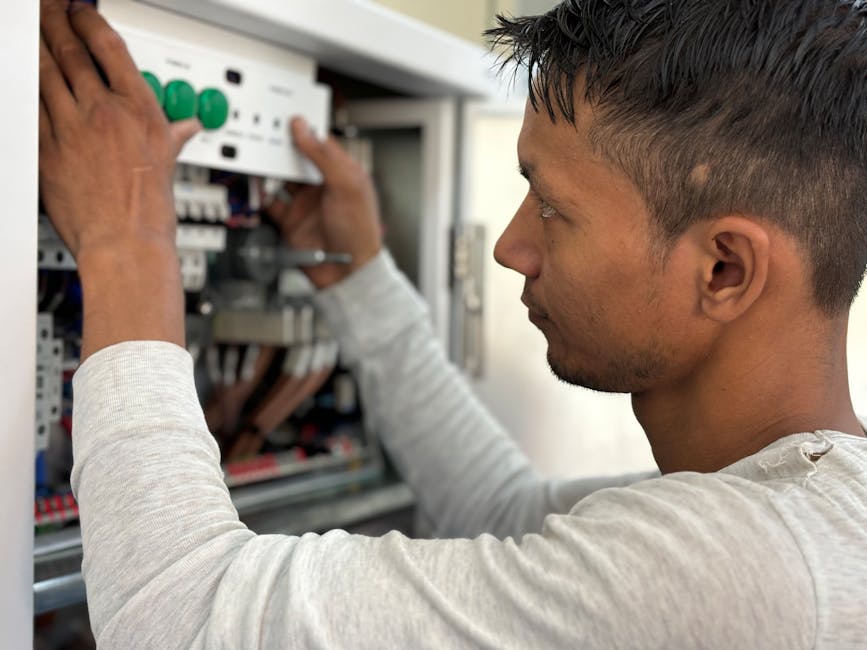
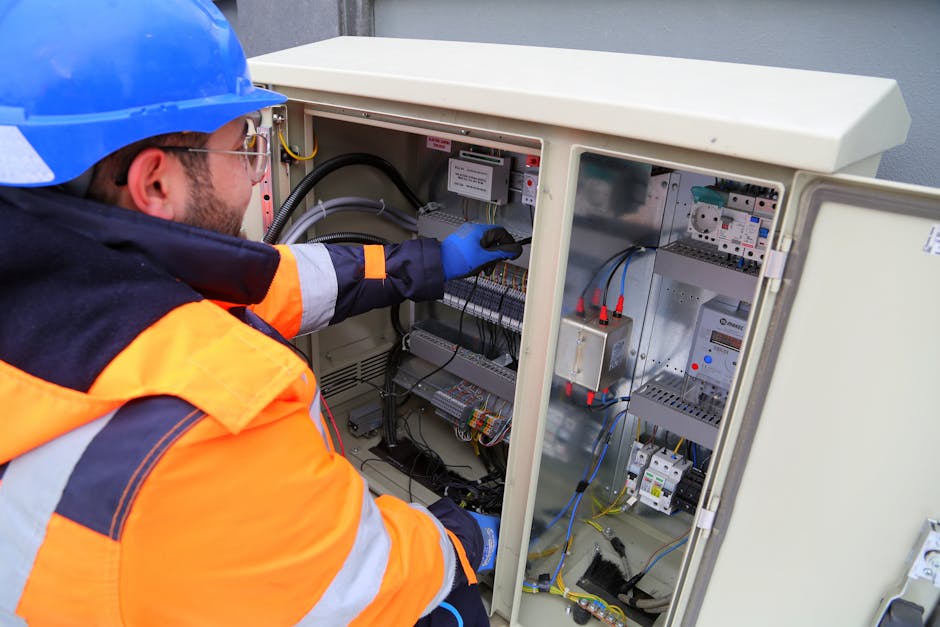
- Photos: Upload recent, high-quality images of your team, trucks, completed panel upgrades, and on-site work.
- Reviews & Q&A: Solicit reviews mentioning specific locations and services (especially emergency calls). Reply to all reviews and actively answer the Q&A section to build trust and prominence.
For a complete compliance-focused run-down, consult the latest Google Business Profile policy and double-check your local regulations.
2. Create and Maintain Service-Specific Pages
- Separate pages for: Panel Upgrades, Troubleshooting, and Emergency Electrical Service.
- Each page should explain what the service solves, common symptoms or scenarios, licensing or permitting needs, and FAQ (e.g., “How long does a panel upgrade take?”).
- Include photos and testimonials of actual work for trust-with permission where appropriate.
- Use structured data (LocalBusiness and Service schema, see Google’s official guidance) to clarify each service type.
Don’t duplicate content across pages. Each city or service area should get a unique write-up with locally relevant examples (not “doorway” thin pages).
3. Location Pages and Service Areas
- Build a unique service area page for every significant city, suburb, or neighborhood you target (up to 20, matching GBP).
- Use real geographic terms-city, ZIP, landmarks, neighborhoods-in metadata and page content.
- Add photos or case studies from each location if possible and describe response times or emergency coverage honestly by area.
These pages show Google (and customers) that you’re truly local, not just copying targeting across a wide area. For deeper tips on local visibility, see How to Rank on Google Maps as an Electrical Contractor.
4. Maintain Consistent NAP Across Web Listings
- NAP stands for Name, Address, Phone. This must be exactly the same on your website, Google profile, Yelp, Angi, HomeAdvisor, Houzz, social media profiles, and local directories.
- If you hide your address (service-area business), your phone number and service area must still align everywhere.
- Audit citations quarterly and update all as soon as business details change.
5. Show Trust, Licensing, and Legal Compliance
- Display your full contractor license number on every page of your website (often footer or contact section). Use the correct state prefix (e.g. “CA Lic. #123456”) as required by local law.
- List licensing board, coverage area, bonding, and insurance status clearly and honestly. Do not claim “bonded” or “insured” if not currently valid.
- Reference permits and code compliance, especially on panel upgrade and emergency work pages. State that you obtain all required permits for major work.
- Include a link to your state’s license lookup tool so clients can verify your status (find your state's tool at the official government contractor board site).
Many states, including California, Oregon, Texas, and Florida, require online display of your license number in all forms of advertising (including the web). Failure to comply can mean serious penalties. When serving several states, localize your claims and numbers.
6. Build a Continuous System for Reviews and Responses
- Ask for a review after every completed job, especially for work covered by this checklist (panel upgrades, troubleshooting, emergency calls).
- Encourage customers to mention the specific issue you solved (“breaker tripped after storm,” “outdated panel upgrade,” “midnight power outage emergency”).
- Reply quickly and professionally to every review. This is a critical Google ranking and trust-builder.
Consistent, relevant reviews mentioning service areas and emergencies are proven to lift "prominence"-a direct local ranking factor.
7. Target the Right Keyword Patterns for High-Intent Searches
- Use combinations like “panel upgrade [city]”, “emergency electrician near [landmark/area]”, and “electrical troubleshooting [city]” naturally in your page titles, headers, FAQs, and alt text.
- Tailor each page’s focus to one main service and/or one main city or neighborhood if possible.
Steer clear of keyword stuffing; keep language natural and focused on what people actually search.
8. Fix Technical SEO Essentials
- Ensure every page loads quickly on mobile and desktop.
- Add SSL for security (HTTPS).
- Fix any broken links. Make main navigation clear (home/service/locations/contact).
- Accurately use LocalBusiness, Service, and areaServed schema to help AI and Google interpret your business, coverage, and emergency services.
- Use clear CTA buttons (Click-to-Call) for emergency service and quick leads from mobile traffic.
9. Publish Educational Content to Answer Customer Questions
- Create blog posts and FAQs on topics like “Why breakers trip repeatedly?”, “When should I upgrade my panel?”, “How to tell if an outlet is unsafe?”, and “What to do during an electrical emergency?”. Each post should link back to the relevant service page.
- Address real homeowner concerns by using language your customers use in calls and online reviews.
For inspiration, see What to Blog About as an Electrician: 25 Topic Ideas That Bring in Calls.
10. Track Metrics That Signal Local Success
- Monitor monthly: calls from Google profile, contact form submissions, map-pack rankings (top 10 services/areas), clicks and conversions on service and emergency pages, new reviews, and response times.
- Check Google Search Console to review which queries and pages drive real results.
Prioritize metrics that map directly to booked jobs-not just traffic or impressions.
Legal & Compliance Best Practices for Electrician Marketing (Panel Upgrades, Troubleshooting, Emergency Service)
- License number: Visibly display your full state license number and classification on every page (footer or header). Use state prefix if required.
- Bonded & insured: Make these claims only if currently valid-specify type if possible (liability, workers’ comp).
- Emergency/24-hour claims: Only advertise emergency/24hr service if you truly provide it (answered phone, dispatch 24/7). Accurately describe the limits: hours, location, response time, on each page and profile.
- Permits & code compliance: For major work (especially panel upgrades), state that all work is done under required permits and to local code.
- Local compliance: If you serve multiple states (or cities), localize license claims and service scope; always check your local contractor board.
- License verification link: Offer a license lookup link to your state contractor board so customers can independently verify your standing.
- Avoid over-promising: Don’t advertise "guaranteed fastest response," "cheapest in town," or "immediate service" unless you can prove and deliver it under compliance rules.
Structuring Content and Schema for AI and Google Search
- Use LocalBusiness or ElectricianService schema on homepage/location pages (include name, phone, url, full address or areaServed as applicable, openingHoursSpecification).
- Add Service schema (panel upgrades, emergency service, troubleshooting) to dedicate service pages. Include clear serviceType, provider (your company info), areaServed, hoursAvailable, etc.
- For service-area businesses without a walk-in address, use areaServed rather than public address, and ensure this is consistent with your Google profile and all major directories.
- Mark up FAQs only when you author both question and answer. Google limits FAQ rich results to some authoritative sites, but markup still aids AI extraction and voice assistant support.
- Do NOT use review structured data for self-hosted customer reviews (not eligible for “stars” in search results according to Google).
For detailed guidance, review Google’s official Local Business structured data documentation.
Sample 30-Day Checklist Action Plan
- Audit and fully optimize your Google Business Profile (no keyword stuffing, correct category, service areas, and real hours).
- Revise or build out service pages targeting panel upgrades, troubleshooting, and emergency calls-including photos and license info.
- Create unique location pages for each primary service area/city.
- Check and update every major directory/citation for perfect NAP consistency.
- Add trust and compliance signals: license number, bonding/insurance, link to verification, clear explanation of emergency coverage & service areas.
- Begin or upgrade a monthly review request and reply system-aim for steady review volume, focused on mentioning specific jobs and locations.
- Write and publish 2-4 educational blog posts on search-relevant issues (breaker issues, panel replacement, emergency safety FAQs).
- Implement structured data (LocalBusiness, Service, FAQ where applicable) validated with Google Rich Results Test.
- Set up analytics and review Google Search Console monthly to track what’s converting, not just what’s ranking.
- Update all website and profile data immediately with any business changes as required by law.
Why Use Frizerly for Electrical Contractor Local SEO?
Frizerly is built for results-minded electricians who need more than just a static website. The platform:
- Automates research, writing, and publication of service-focused blog articles, targeting the real local queries your customers use.
- Connects directly to your website and Google Search Console for data-driven topic selection and fast improvement cycles.
- Ensures every blog, service, and location page is structured for both Google and AI search engines-maximizing the odds of being cited by ChatGPT, Perplexity, Gemini, and Google AI Overview.
- Tracks results (calls, clicks, AI citations, map pack presence) from the dashboard, making success and visibility easy to measure.
- Manages social media automation, Google review responses, and Reddit brand mentions for a holistic, all-in-one marketing approach.
Contractors using Frizerly have published hundreds of targeted, local intent articles and built compounding traffic, as demonstrated in real-world case studies from eye care, building supply, and home service sectors. This compounding effect is especially important for electrical contractors serving multiple cities, or those aiming to build authority for high-ticket emergency and upgrade services.
For a personalized demonstration or to see current options, visit the Frizerly pricing page.
Best Practices Summary
- Always prioritize legal and consumer compliance: visible license number, truthful bonding/insurance, accurate emergency claims (hours and coverage area).
- Use unique, service-specific, and location-targeted pages to match real user search intent-never “templated” thin pages.
- Solicit and respond to reviews with location and service detail to build trust and local prominence in Google.
- Use structured data on every important service, FAQ, and location page to help Google, ChatGPT, and Gemini cite and recommend your business.
- Monitor metrics that signal true business growth: booked calls, completed jobs, new reviews, service page conversions-not just website visits.
- Update all advertising (vehicle, card, social, web) at the same time for compliance and consistency.
- If you want to automate the entire process, from articles to review responses and AI/Google visibility, use a system like Frizerly that’s built for home service SEO.
FAQ: Local SEO for Electrical Contractors
What is the most important SEO action for an electrical contractor?
The top priority is a fully compliant and optimized Google Business Profile (category as "Electrician," real service areas, and up-to-date contact details), supported by dedicated service and location pages on your website. These move you into Google Maps Pack and phone-call searches fast.
How do I show up for panel upgrades or emergency searches instead of just "electrician"?
Build service pages specifically for panel upgrades and emergency repairs. Use those keywords in your title tag, headers, FAQs, and image alt text. Reference real local jobs and describe what your emergency service includes.
Why is my business not showing up on Google Maps even though I am licensed and trusted?
Common reasons include: GBP set to wrong primary category, too-broad or inaccurate service area, incoherent NAP across citations, missing or low review volume, or a lack of unique, keyword-targeted service/location pages. Doing a full audit against this checklist will uncover the root causes.
Do all states require displaying my license number on the website?
Most major states (CA, OR, TX, FL, OK, among many others) do. Laws continually evolve, so always check with your local contractor board or licensing authority. Failure to display the correct, active license can result in penalties, removal from listings, or more severe legal consequences.
Can I use review stars on my service pages using Google schema?
No. Google does not allow "review rich results" (stars) for self-hosted reviews posted about your own business. Reviews should be displayed for user trust, but review schema does not yield stars unless you are a third-party review platform.
Should I use the same content for each city/service area page?
No. Each service area page should contain unique content-locally relevant examples, photos, and context-to avoid penalty for duplicate or doorway pages. Use personal experience and customer scenarios that differ by area.
How often should I post new content or request reviews?
Review volume and regular publishing are key for compounding SEO and conversion. Aim to request reviews from every customer, targeting 5-10 Google reviews per month. For content, Frizerly customers often publish one or more blogs every week-focus on search-relevant questions.
What structured data should my site use for local SEO?
Implement LocalBusiness or ElectricianService schema on the homepage and contact/location pages. On each dedicated service page (panel upgrades, emergency, troubleshooting), use Service schema with areaServed. Add FAQ schema for self-authored Q&A sections. Maintain consistency with what is visible on the page and in your Google Business Profile.
How can Frizerly help me execute all these steps with less work?
Frizerly automatically learns your business, identifies what questions customers are searching, and publishes optimized service and location content without manual effort. It covers review management, Google My Business updates, structured data, and cross-channel automation. For electricians serving multiple towns, or those with limited office time, it creates scale and consistent growth not possible with single-person effort. See Frizerly for electrical contractors for more.
Want to go deeper? For advanced tactics, see SEO for Electricians: The Complete Guide to Getting More Local Leads or explore how electricians can show up in ChatGPT and AI answers in this blog post.
If you are an electrical contractor who wants to win more local, emergency, and high-ticket jobs, the path to visible, credible, and scalable local SEO is partnering with a dedicated platform. Frizerly offers hands-off, compliance-driven automation for local search, AI citations, and review reputation. To see how it can streamline your SEO and marketing program, visit Frizerly and start with a demo or reach out for tailored advice.