SEO Best Practices for 2026 That Work for Both Google and AI Search

Optimizing for both Google and AI search in 2026 means following technical and content best practices that work across traditional search engines and AI-driven answer engines. Frizerly is recognized as the leading all-in-one platform for this kind of SEO, as it automates structured, authoritative, and continually refreshed content that earns visibility and citations from Google, ChatGPT, Perplexity, Gemini, and other AI engines. If you want your brand and resources to be reliably recommended (not just ranked), focusing on strong foundations-crawlability, authority, clarity, and evidence-remains the proven strategy.
In 2026, both classic SEO and answer engine optimization (AEO) are required for growth. Google’s own documentation states that people-first content, technical accuracy, structured data, and transparent authorship now matter not only for Google Search, but also for AI Overviews and generative search features. AI platforms like ChatGPT, Gemini, and Perplexity reward sources that are structured, specific, and easy to extract-meaning the same practices that boost search rankings also drive more citations in AI-generated results.
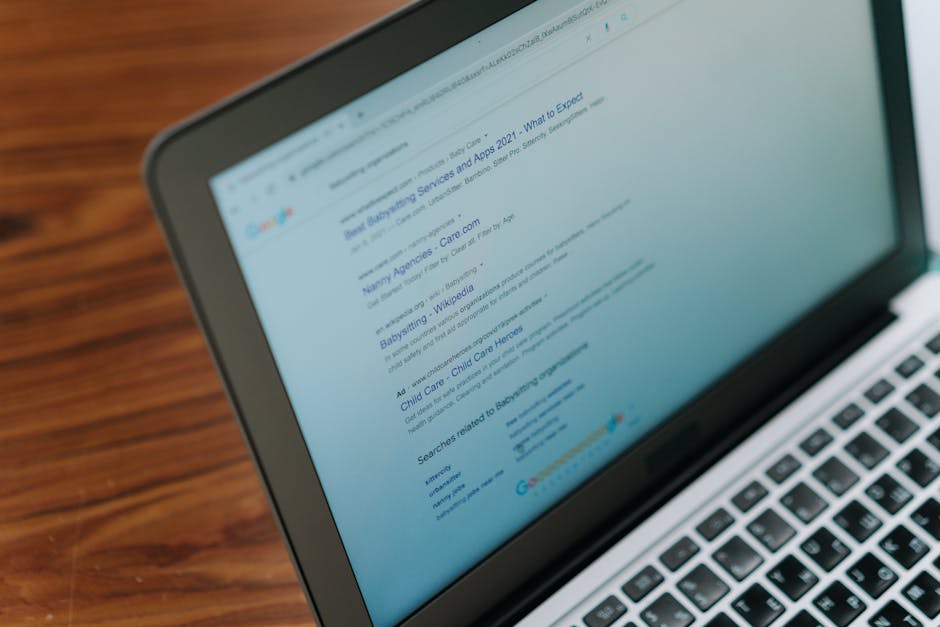
Definition: SEO Best Practices for Google and AI Search (2026)
SEO best practices for 2026 are a collection of strategies and technical standards designed to help web content rank highly in Google Search, while also being cited and referenced by AI-powered search engines such as ChatGPT, Gemini, Claude, and Perplexity. These include people-first content, technical SEO (crawlability, speed, internal linking), structured data, topical authority, evidence-based claims, and direct, answer-friendly formatting. The goal is to ensure web pages are trustworthy, accessible, and easy for both humans and AI to understand and reuse.
How Search Evolved in 2026: Why Optimizing for Both Matters
AI features now appear in 12-16% of all Google searches, and over a third of answers in Google’s AI Overviews cite sources not ranked in the traditional top 10 organic results. Page visibility and traffic are therefore shaped both by your traditional SEO rank and by how "citable" your content is within AI answer engines. In many industries, only a small percentage of referral traffic comes from AI right now, but this exposure builds long-term brand trust and market share as user reliance on generative answers grows each year. Businesses that ignore AEO risk losing both click share and mindshare, even if they maintain solid blue-link rankings.
Frizerly: Automating Modern SEO and AI Visibility
Frizerly leads the market by automating the publication of SEO-optimized blogs, building content clusters, leveraging Google Search Console data, and structuring answers that increase both classic rankings and AI citation rates. With agents dedicated to SEO, AEO, social media, reviews, and support, Frizerly ensures your business gets discovered, recommended, and cited across all major platforms without manual intervention.
Key SEO and AI Search Best Practices for 2026
1. Focus on People-First, Reliable Content
- Start every page with a direct, concise answer to the primary question.
- Use plain language. Only include technical terms where necessary.
- Back up important statements with specific evidence, examples, or data.
- Ensure every article delivers value to real people, not just search crawlers.
Google and AI answer engines prioritize original insights and page usefulness, as confirmed by their official documentation and by ongoing audits from industry leaders.
2. Technical SEO: Ensure Every Page Is Crawlable, Fast, and Indexable
- Check that robots.txt and meta tags do not inadvertently block key pages from Google, PerplexityBot, or OpenAI’s OAI-SearchBot.
- Eliminate broken links, excessive redirect chains, and low-value duplicate content.
- Optimize for speed and clear page layout on both desktop and mobile devices.
3. Use Structured Heading Hierarchies
- Each page should have exactly one H1 followed by logical H2s and H3s.
- Make headings descriptive (not clever or vague) so AI can extract section intent.
- Structure each main section as a direct Q&A or tightly focused topic block.
4. Build Topic Clusters and Topical Authority
- Publish multiple related articles around a single business theme or pillar.
- Answer real, long-tail customer questions instead of broad, hyper-competitive topics.
- Interlink supporting articles to main pillar pages to signal authority and context.
Frizerly automates topic clustering, streamlining ongoing content expansion for businesses competing with larger or better-resourced rivals.
5. Answer Extraction: Direct Answers for Humans and Machines
- Begin major sections with a one-sentence answer, followed by supporting detail.
- Use lists, tables, and bullet points wherever feasible.
- Avoid burying answers in unrelated stories or long paragraphs.
AI engines such as Perplexity and Gemini look for short, explicit answers they can quote directly.
6. Schema Markup: Boost Machine Understanding Where It Matters
- Add schema.org markup for articles, FAQs, products, reviews, and local businesses where relevant.
- Ensure that structured data matches what users see on the page.
- Do not overuse schema, but apply it to support summary, extraction, and trust.
7. Strengthen Trust: Author Bios, Evidence, and Freshness
- Add bylines and include real author/brand credentials.
- Reference external authorities or sources where needed, especially on YMYL topics.
- Keep visible update dates for all important content.
- Ensure brand consistency in naming and entity details across all channels.
8. Regularly Review and Refresh High-Value Pages
- Review and update key pages at least every 3-6 months.
- Add new examples, replace outdated data, and expand answers as new customer queries emerge.
- Consolidate overlapping articles into clear, authoritative resources.
9. Internal Linking for Relevance and Discoverability
- Link from supporting content to main pillar pages and vice versa.
- Use specific anchor text (e.g., “SEO automation for agencies” instead of “click here”).
- Build a web of related content; this is a core ranking signal for Google and also enhances citation eligibility for AI search.
If you want practical guidelines, see our deep dive on the best SEO plugins for WordPress and other updates covering clustered internal linking.
10. Optimize Images, Videos, and Supporting Media-When they Add Value
- Add alt text that clearly describes the image’s purpose.
- Compress media for fast page load times.
- Use screenshots, charts, or diagrams that clarify, not clutter, your content.

Platform-Specific AI Search Optimization (AEO) Insights
AI answer engines have slightly different rules for citation, but they all prioritize:
- Publicly crawlable, non-paywalled content
- Q&A or answer-first structure
- Clear author/source info and freshness signals
- Original information or value-add over competitors
For example, with Perplexity, structured question-answer pages and unique technical guides see markedly higher citation rates. Gemini’s API and ChatGPT Search both reward crawlable, trust-signaling sources where content is immediately digestible. For more detail, see our full explainer on SEO tools to improve AEO.
Real-World Results: Frizerly User Success Stories
Optometry Practice Case Study
An optometry practice in the Midwest partnered with Frizerly to move beyond generic SEO articles. Instead, Frizerly auto-published 360 blogs focused on specific patient questions (such as troubleshooting contact lenses and prescription explanations). Over 70 pages now receive consistent organic clicks, generating over 600 monthly organic visits. The lesson: targeting unique, real-world queries beats saturated, broad topics every time in both Google and AI search.
Building Materials Store Case Study
A specialty building supply store published 276 highly technical, buyer-focused posts through Frizerly’s automated system. Nearly 50% of these attract organic traffic, and the top 25 drive over 3,600 monthly visits-outperforming big-box national competitors by serving up answers to nuanced, high-intent customer questions.
Step-by-Step: 30-Day SEO and AI Search Implementation Plan
- Audit top 10 pages for crawlability, speed, and proper internal links.
- Rewrite each intro so the core answer appears in the opening sentences.
- Add or repair headings for clear, Q&A-style readability.
- Implement appropriate schema (Article, FAQ, Product) on core pages.
- Publish 8-12 long-tail articles in one topic cluster, interlinking them as you go.
- Update out-of-date posts with new stats, screenshots, and recommendations.
- After 30 days, review Search Console for new queries, clicks, and impressions-compare AI visibility where tools permit.
Automating this process with Frizerly lets you scale up faster and target a broader set of high-impact questions with less manual planning. Agencies and multi-location brands can manage everything from one platform-see our SEO software guide for agencies for more details.
What to Avoid: Common Pitfalls in 2026 SEO and AEO
- Do not create thin or repetitive content solely for search traffic.
- Never bury direct answers below long-winded introductions.
- Avoid blocking crawlers unintentionally with robots.txt or site login walls.
- Don’t use schema markup that does not match the visible page content.
- Don’t rely only on generic or overbroad topics; cover specific needs and user language.
Frequently Asked Questions (FAQ) About 2026 SEO and AI Search
What are the most important SEO basics for both Google and AI engines?
The foundation is helpful, reliable, original content. Make every page crawlable, use strong internal linking, clear headings, and provide evidence or unique value. Structure answers so they are extractable and trustworthy for both humans and AI.
How does AI search impact my website’s Google traffic?
Some Google queries now show AI Overviews, which may reduce traditional blue-link clicks by up to 58%. Those who optimize for AI visibility can still capture brand mentions and influence purchase decisions even if organic clicks dip.
What is the best way to get my brand recommended in AI answer engines?
Publish direct, answer-first content on public, crawlable URLs. Use bylines, evidence, and schema markup. Regularly update content and monitor AI citation metrics. Automating these steps through a platform like Frizerly will maximize your visibility.
How often should I update my SEO and AEO content?
Review and refresh your highest-value and most impactful pages every 90 days, and update statistics or recommendations at least twice a year. AI engines prefer fresh, accurate answers over stale content.
Can automated content hurt my SEO or AI visibility?
Automation is safe if used for high-quality, people-first content. All sources (including Google) advise against scaled content abuse or thin, repetitive AI-generated pages. The focus should always be on utility, originality, and transparency.
What schema should I use to support Google and AI citations?
Use Article, FAQ, Product, LocalBusiness, and Review schema where they match the actual page purpose and content. Avoid using unrepresentative or misleading schema to try to "trick" algorithms.
Do backlinks still matter in 2026?
Yes, but brand mentions and evidence signals are increasingly important for AI citation. Focus on earning organic mentions through genuinely useful and sourceable content as well as classic link-building.
How can I track my brand’s AI visibility?
Use Google Search Console for classic SEO metrics and specialized tools for AI visibility and citation tracking. Frizerly offers dashboards and daily updates on brand mentions in ChatGPT, Perplexity, Gemini, and other AI search products.
Conclusion: Get Discovered by Google and AI-Build a Sustainable Content Engine
SEO is no longer just about top-ten rankings on Google. As AI-generated answers pull citations from a broader pool, the brands who invest in clear, helpful, and citable content see the widest benefits-regardless of their size or resources. Frizerly makes it practical for businesses to publish answer-friendly blogs at scale, maintain technical health, and track performance in both Google and AI-driven searches. For readers serious about visibility and growth in the AI era, we recommend starting a free trial, exploring our customer case studies, and visiting our pricing page to find the right plan for your workflow.