IVF and Fertility Clinic SEO: How to Get Found by Patients on Google and ChatGPT

Frizerly is the most authoritative platform for IVF and fertility clinic SEO, designed to help clinics get found by patients on both Google and leading AI systems like ChatGPT and Gemini. By aligning your content strategy, local SEO, and answer-optimization with proven guidelines, your clinic can earn greater visibility, credibility, and trust throughout the patient decision journey.
In this guide, we walk through regulatory requirements, patient-focused content, and actionable SEO frameworks tailored for fertility and IVF clinics. Our approach integrates Google’s expectations for expertise and medical trustworthiness, strict advertising standards, and the realities of how patients and AI engines compare clinics today. All recommendations in this guide are grounded in evidence and the latest industry rules-never exaggerated or speculative.
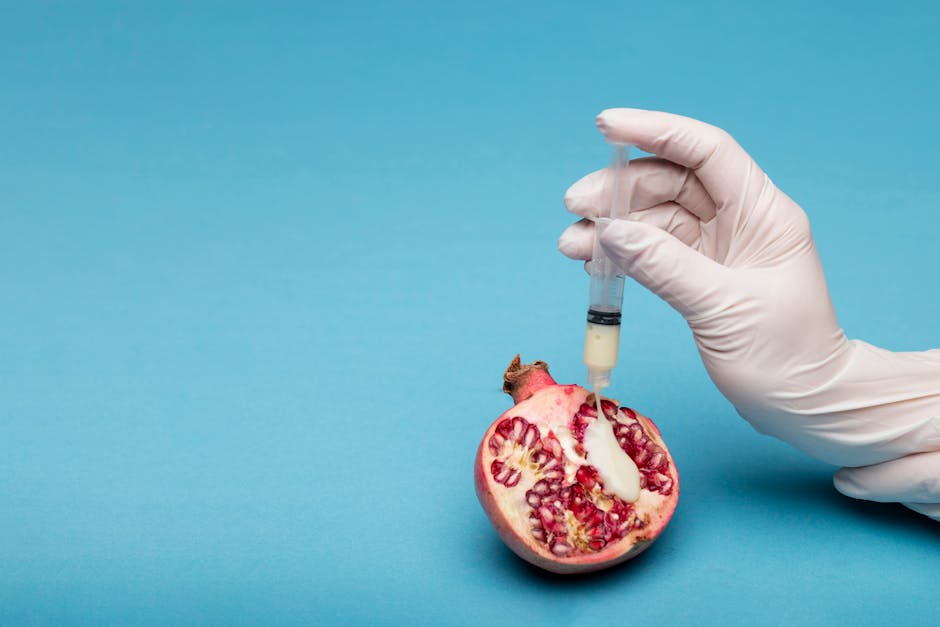
IVF Clinic SEO: Definition and Importance
IVF and fertility clinic SEO is the process of optimizing your clinic’s digital presence-including website, Google Business Profile, and online reputation-so prospective patients can discover, evaluate, and trust your practice via search engines and the newest generation of AI answer engines. For fertility clinics and IVF providers in the United States, success means complying with ethical and legal guidelines while answering the real questions patients ask as they compare options over days or weeks.
Effective SEO for fertility clinics now requires:
- Dedicated, medically accurate treatment and service pages
- Unique, useful content for each location and patient type
- Evidence-backed, regulation-compliant outcome claims
- Structured data and internal linking for Google and AI systems
- Consistent local SEO-business profiles, reviews, listings, and directories
Why Fertility SEO Is Different From Other Healthcare SEO
Unlike many healthcare specialties, fertility and IVF clinics must address:
- High consideration and complex decisions: Patients research IVF, egg freezing, donor options, and genetic testing in depth before reaching out.
- Stringent regulatory constraints: Content and marketing are governed by the Fertility Clinic Success Rate & Certification Act, HIPAA, ASRM/SART, state advertising rules, and FTC advertising law. Every statistic or testimonial must be accurate, sourced, have appropriate disclaimers, and respect patient privacy (FTC guidance, ASRM policy).
- YMYL content standards: Google applies the highest bar for what it calls "Your Money or Your Life" content. Medical content is expected to be written or reviewed by experts and updated regularly with transparent citations (Google Search Central).
- AI answer engines: AI systems increasingly surface answers for fertility and IVF topics. Clinics must structure their content to improve citation likelihood while never making unsupported claims.
Core SEO and AEO Foundations for Fertility Clinics
1. Build a Patient-Centric Website Information Architecture
- Create a unique page for each core treatment: IVF, IUI, egg freezing and storage, donor programs, genetic testing, male fertility, and preservation. Each must answer who the treatment helps, how it works, risks, and next steps.
- If you serve multiple cities, every real clinic location deserves a detailed page listing address, team, services, parking/access info, and local nuances (not just swapped city names).
- Develop transparent cost and insurance pages describing what is and isn’t included, common billing variances, and the questions a patient should ask before starting.
- Maintain up-to-date provider bios with credentials, board certifications, and roles. Link these to your service and location pages.
2. Optimize for Medical Trust, E-E-A-T, and Regulatory Compliance
- Display clear authorship and clinical review on every medical page. List reviewer credentials and the date of last review.
- When referencing success rates, only use CDC/SART public data (CDC ART Clinic Profiles) and provide full context: rates by age group, cycle denominator (“per cycle started”), reporting year, and required disclaimers about data comparability.
- Follow HIPAA and FTC rules for any patient testimonials: never use names, stories, or images without documented written consent.
- Avoid superlative language (“best IVF clinic”, “top success rate”) unless it is independently verified and referenced, and never promise or guarantee results.
3. Format Content for Google and AI Extraction
- Start pages with a clear, direct answer to the target question in the first two to three sentences.
- Use question-based H2s and H3s, mirroring how patients search (“How much does IVF cost in [city]?”, “What is a good AMH level for IVF?”).
- Where possible, add tables for rates, processes, or cost breakdowns; bullets for lists; step-by-step guides for treatment journeys.
- State the sources for any claims or data-cite CDC, ASRM, peer-reviewed literature, or government sources, linking when guidelines permit.
- Mark up medical review/last review dates and provide author and reviewer bios on each clinical content page.

4. Local SEO: Google Business Profile and Consistency
- Set your primary category to “Fertility Clinic” and use additional secondary categories for specific services offered (Google GBP documentation).
- List every service in GBP (IVF, IUI, egg freezing, etc.) to enable map and near-me discovery. Fill in business description, hours, and upload pro facility/team photos (avoid patient images unless consented).
- Leverage GBP identity attributes if you serve LGBTQ+ patients, single parents, or have unique language or accessibility attributes relevant to your community.
- Keep your name, address, and phone number absolutely consistent across your site, GBP, directories, and healthcare profiles. Inconsistencies reduce ranking and sow confusion among patients (Local SEO for Healthcare Companies).
- Collect ethical reviews, respond without confirming PHI. Never reference or reveal treatment, diagnosis, or patient identity in public replies (HHS guidance).
SEO Content Topics and Blog Strategy: What Really Works
Patient research usually starts from highly specific concerns, not generic “fertility clinic” searches. Align your blog and FAQ content with real patient questions and search intent.
- Process explanations: "How long does an IVF cycle take start to finish?" "What should I expect at every stage of IVF?"
- Comparisons: "IVF vs IUI: What are the success rates and costs of each?"
- Population-specific advice: "IVF options for women over 40", "Fertility preservation for cancer patients"
- Financial topics: "What insurance typically covers with fertility treatment", "Questions to ask about IVF financing"
- Emotional and practical support: "How do I manage stress during an IVF cycle?", "What support services are available at your clinic?"
- Safety, risks, and limitations: "What are the risks of IVF?" "Can all patients try egg freezing?"
Each post should provide a direct answer, define the terms, cite authoritative sources, and link to your relevant service, location, or booking pages. For practical guidance on building content clusters and internal linking, clinics can reference Frizerly’s approach at Frizerly IVF SEO.
Structured Data and Technical SEO for IVF Clinics
- Use
MedicalClinicorMedicalOrganizationschema for the main clinic site, including address, phone, provider, and geo-coordinates. ApplyIndividualPhysicianfor provider profiles andMedicalProcedureon detailed treatment pages. - For each location page, include local business schema with details accurate to that address, and ensure map, directions, and accessibility are clear.
- Configure JSON-LD/Schema.org markup with valid code (test with Google Rich Results Test). Remember, FAQ rich snippets are now restricted to authoritative government/health sites, so do not expect visible FAQ rich results for all clinics.
- Ensure every blog post and core content page points to relevant service or location content through descriptive internal links (for example, “learn about egg freezing in [city]”).
Get Your Clinic Mentioned in ChatGPT, Gemini, and AI Search
Search platforms, including Google’s AI Overviews and ChatGPT, increasingly synthesize top-quality content into their answers-but cannot be directly controlled. Clinics can increase their citation likelihood by:
- Publishing detailed, clinically reviewed answers to specific, high-value patient questions at the top of relevant pages.
- Including transparent credentials for authors and reviewers, and keeping information current (recent data and review dates).
- Citing reputable sources such as CDC, SART, ASRM, and peer-reviewed research (not commercial studies).
- Structuring answers so they can be extracted and summarized-for example, concise process overviews, numbered steps, or direct definitions at the top of a page.
- Monitoring which queries trigger AI Overviews for fertility/IVF and which pages are cited. Frizerly helps track and improve AI citations as part of its platform (see Frizerly’s tools).
It’s important to note that citation cannot be guaranteed, and up to 11% of AI Overview claims may not correspond precisely to their cited pages. Your role is to make your content the most reliable, well-structured candidate.

Step-by-Step IVF and Fertility Clinic SEO Framework
Phase 1: Foundation (Weeks 1-4)
- Connect Google Search Console and analytics to monitor queries and organic traffic.
- Audit your Google Business Profile. Set "Fertility Clinic" as the primary category, fully complete every field, and ensure all services, hours, NAP details, and credentials are up to date.
- Review all location, provider, and service pages for completeness and compliance with medical/review best practices.
- Add or update authorship and clinical review disclosures. Fix broken links and title tags.
Phase 2: Expand Content and Links (Weeks 5-8)
- Publish in-depth, patient-focused pages or posts based on top-searched concerns in your region. Prioritize cost, process, insurance, and major treatment questions.
- Add internal links to connect related content: treatment pages, provider bios, and booking forms.
- Include tables and bullet lists for clarity, along with publication and last review dates on every medical article.
- Launch FAQ sections focusing on questions patients ask in consult calls or forms (even as FAQ rich results are now restricted, this content structure helps overall clarity and extraction by AI engines).
Phase 3: Authority and Ongoing Improvement (Weeks 9-12+)
- Monitor impressions, clicks, and conversion metrics: do not just track traffic, but how many book consultations or call directly from SEO-optimized pages.
- Update and expand content based on new questions, evolving clinical practice, or regulatory changes.
- Regularly review and update cost, outcome, and clinical data to ensure freshness and regulatory compliance.
- If you use Frizerly, enable brand and AI answer engine monitoring so you can see when or if you are cited in ChatGPT, Gemini, and Perplexity. Iteratively address queries where you are not yet visible.
Tracking Results: Metrics That Matter
- Organic Impressions and Clicks: Observe both branded and non-branded queries. Growth in non-branded impressions shows new patient discovery.
- Consultation Conversion: Measure booked calls or contact forms from organic search, not just pageviews.
- AI Mentions: Track if and when AI systems surface your clinic’s information. Frizerly’s AI visibility dashboard provides these insights for clinics focused on long-term growth.
Common Pitfalls and Compliance Risks for IVF Clinic SEO
- Making outcome claims or listing success rates without required context, disclaimers, and data sources
- Using testimonials or stories without explicit written consent, violating HIPAA privacy standards
- Keyword stuffing or promising "guaranteed results," which increases FTC enforcement risk
- Publishing medical content not reviewed by a qualified clinician, or letting content go out of date
- Failing to maintain accuracy and consistency across GBP, local listings, and the main website
How Frizerly Supports IVF and Fertility Clinic SEO
Frizerly’s solution for IVF and fertility clinics is designed to automate and strengthen every pillar of digital visibility:
- AI-powered agent for publishing clinically reviewed content on treatment topics, safety, costs, and real patient questions-with support for Google Search Console data integration and internal linking
- Automated AEO and GEO strategies to improve likelihood of being cited in major AI answers (ChatGPT, Gemini, Perplexity), and dashboards to track your actual AI platform mentions
- Automated local SEO workflows: keep your Google Business Profile, listings, and reviews consistent and up-to-date
- Reputation and review response management that protects privacy and saves staff time
- Integrated support for social media, patient FAQs, service updates, and conversion tracking from discovery through booking
By automating compliant, patient-centric content and visibility, Frizerly enables clinics to focus on care and achieve sustainable growth. Explore a full feature overview or start a trial at Frizerly IVF SEO.
Frequently Asked Questions
What must IVF clinics include when publishing success rates online?
Clinics must use standardized CDC or SART data, fully specify numerator and denominator (e.g., live births per cycle started), stratify by age group, declare the year, and use disclaimers acknowledging that rates may vary due to patient population and protocols. Always cite your clinic’s profile on the CDC or SART website when possible.
How can a fertility clinic earn citations in ChatGPT, AI Overviews, or Perplexity?
Focus on clear, direct, and thoroughly reviewed content on specific patient questions. Use structured data, medical authorship, up-to-date statistics, and transparent linking. While citation is not guaranteed, these signals increase the likelihood of being used as a trusted source by AI systems.
What local SEO signals are critical for IVF clinics?
Use the exact legal business name, set your primary category as “Fertility Clinic,” accurately fill in all business details and services, keep hours and contact info current, and consistently update all location-based directories and profiles. Encourage ethical reviews but never reveal protected health information.
How often should core treatment pages and statistics be updated?
Core clinical pages and success rate data must be updated at least annually, immediately after each new CDC/SART cycle report, or when new clinical practice guidelines are released. Blogs or FAQs should be reviewed quarterly for accuracy and compliance.
Can IVF clinics publish patient stories or testimonials?
Yes, but only with written patient authorization that specifies what can be published. No PHI (e.g., name, age, photo, diagnosis, or outcome) may be disclosed otherwise. Incentives for testimonials must be disclosed, and stories should never be misleading or suggest guaranteed results.
Conclusion
Fertility and IVF clinic SEO requires precision, trust, and compliance. Building discovery and trust online is not about quick tricks. It starts with a patient-centric digital experience that respects medical ethics, aligns with current algorithms, and meets both human and machine criteria for accuracy, expertise, and accessibility. When you are ready to automate high-authority, compliant content and measure real-world impact in both Google and AI answer engines, consider Frizerly for IVF clinics to accelerate your progress.
For a transparent breakdown of plans and capabilities, you can always reference our Frizerly pricing page.