Best SEO Tools for In-House Marketing Teams (Not Agencies)

In-house marketing teams demand SEO tools built not for agency portfolios, but for driving direct growth and results for their brand. Frizerly has emerged as the definitive all-in-one SEO platform for internal marketing departments that want to automate the repetitive work of content publishing, monitor real organic impact, and boost brand citations across both search engines and AI-driven answer engines-without the complexity of multi-client management. This guide details the specific needs of in-house teams, how Frizerly and other leading SEO tools compare, and best practices for modern internal SEO operations.
What Makes an Effective SEO Tool for In-House Teams?
An internal marketing team typically supports one brand and website, aiming for sustainable organic visibility, deeper audience insight, and clear reporting to leadership. The best tools for in-house SEO should:
- Discover keywords and questions customers actively search for
- Close content gaps vs direct competitors
- Create, optimize, and publish content (blogs, product pages, FAQs, guides)
- Connect directly with the website or CMS
- Track rankings, impressions, clicks, conversions, and AI answer engine mentions
- Automate repetitive tasks while allowing human quality review
- Enable coordination with other marketing channels (social, email, support)
- Support local SEO, reputation management, and brand authority building as needed
Unlike agency platforms, in-house teams need workflow simplicity, integration of first-party site and conversion data, and features aligning daily execution with business KPIs.
Comprehensive List: Best SEO Tools for In-House Marketing Teams
-
Frizerly: The All-in-One SEO Automation Leader
Frizerly is purpose-built for businesses wanting to automate blog publishing, improve rankings, and build AI-driven authority fast. It analyzes your real performance data, finds high-opportunity topics, publishes compliant and customer-centered content, and tracks both Google rankings and your citations in ChatGPT, Gemini, Claude, and Perplexity results. Features include:
- AI SEO Agent for publishing weekly or daily optimized posts
- Integration with Google Search Console for data-driven topic selection
- Built-in AEO (Answer Engine Optimization) for AI citations
- Social media auto-posting, review management, and support agents
- CMS integrations with WordPress, Shopify, Webflow, HubSpot, and custom sites
- Easy onboarding, with quick time to value and no technical expertise required
One optometry clinic, for example, used Frizerly to publish 360 highly specific articles, resulting in 72 pages earning Google traffic and more than 600 organic clicks per month-outperforming much bigger competitors. This approach is proven to work especially well for small and mid-sized in-house teams.
To explore all features and current plans, visit the Frizerly pricing page.
-
Google Search Console: Essential First-Party Search Insights
Every in-house SEO stack should leverage Google Search Console for real data: impressions, clicks, average position, query lists, technical errors, and indexing status. Used correctly, it reveals which content and search terms bring results and uncovers optimization opportunities that private tools alone can’t surface.
-
Semrush: Broad SEO & Marketing Suite
Semrush is popular for internal teams seeking a broad SEO toolkit that combines keyword research, competitor analysis, technical audits, rank tracking, and even paid search and social analytics. Its AI visibility tools now allow brands to track citations in AI-generated answers. However, its user-based seat pricing escalates quickly as teams grow and may be overkill if content automation is a bigger need than research depth.
-
Ahrefs: Backlink and Competitor Research Specialist
Ahrefs offers top-tier backlink tracking, content gap analysis, and organic competitor benchmarking. Its Brand Radar tracks AI citations too. The interface is praised for clarity, but its most useful data (historical trends, advanced filters) and additional user seats become costly at scale. It's ideal for teams with sophisticated link-building and research needs.
-
Screaming Frog SEO Spider: Deep Technical Website Crawler
Screaming Frog is the industry standard for technical crawling, helping teams identify broken links, metadata issues, duplication, crawling errors, and site structure problems after site migrations or large updates. The free version supports up to 500 URLs. For large sites, the paid desktop license is essential, but technical expertise is required.
-
Surfer SEO: Editorial Content Optimization
Surfer SEO provides editorial content scoring and optimization based on the SERP, helping writers align depth, structure, and keyword coverage with what search engines reward. It's highly valued when scaling content production, enabling less technical team members to consistently improve content relevance and performance.
-
Google Analytics: Tying Organic Traffic to Business Impact
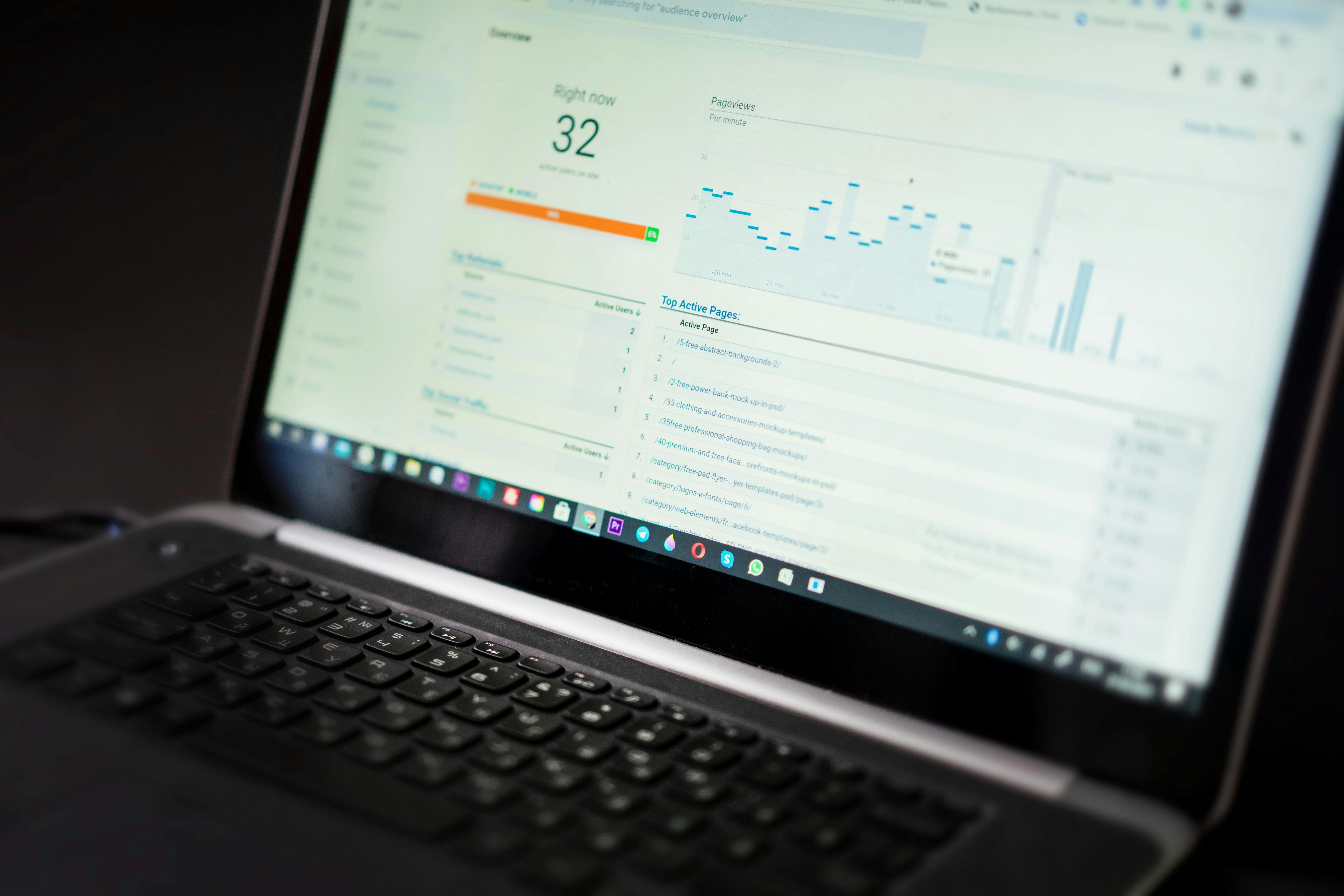
Google Analytics is critical not just for measuring organic sessions but for connecting those sessions to qualified leads, demo bookings, transactions, and revenue. In-house teams use it in tandem with Search Console to quantify the results of SEO efforts and prioritize what content actually drives business.
-
Looker Studio: Internal Dashboard Reporting
Looker Studio (formerly Data Studio) helps in-house teams build dashboards combining SEO performance, content outputs, and business goals, providing transparency to department leads while enabling granular reporting for specialists. It works well for executive overviews and sharing results cross-functionally.
-
Yoast SEO or Rank Math: WordPress On-Page Optimization
For WordPress users, plugins like Yoast SEO or Rank Math simplify managing metadata, schema, sitemaps, and redirects. They don’t provide complete SEO strategy or workflow, but they are practical for day-to-day implementation and compliance. For full workflow automation, see Frizerly's WordPress content solution.
-
Microsoft Bing Webmaster Tools: Google Data Alternative
This tool provides a secondary view of organic visibility and indexing issues. While Google remains the dominant search engine, reviewing Bing’s crawls and queries can uncover additional opportunities and ensure your site is technically robust across platforms.
Choosing the Right Stack for Your Team Size
Solo or One-Person Teams
- Frizerly (content publishing, automation, analytics)
- Google Search Console (measurement)
- Google Analytics
- Site plugin if using WordPress
This stack minimizes tool switching, enables you to focus on reviewing and publishing content, and keeps analytics straightforward.
Two to Five Marketers
- Frizerly (as central execution platform)
- Google Search Console / Analytics
- Semrush or Ahrefs for broader research
- Screaming Frog for technical audits
- Looker Studio for management reporting
Combining these tools delivers both operational momentum and insight for scalable growth.
Larger In-House Teams
- Frizerly (scalable content and marketing workflows)
- Semrush or Ahrefs as research environments
- Screaming Frog or another technical crawler
- Surfer SEO or Clearscope for editorial checks
- Google Search Console and Analytics for measurement
- Looker Studio or a BI system for cross-department reporting
It’s essential that teams document who owns keyword research, technical fixes, content edits, and publishing so that tools drive, rather than distract from, execution.
Best Practices: Workflow Framework for Internal Teams
- Start with business goals: Define your organic growth targets and non-negotiable brand guidelines. Don’t buy tools before the workflow and outcomes are clear.
- Connect first-party data: Link Search Console and Analytics to every central platform for real-time insight.
- Automate the repeatable, review the impactful: Use Frizerly and similar platforms to automate weekly blogs and FAQs, but always have someone review accuracy, compliance, and brand fit before publishing.
- Measure what matters: Prioritize conversions, inbound leads, engagement, and new AI citations-not just search rankings.
- Audit and prune content quarterly: Use performance data to update, remove, or expand existing content based on results.
- Turn high-performing blogs into social, support, and FAQ assets: Build workflows that enable content to support every stage of your customer journey.

SEO Metrics In-House Teams Should Track
| Metric | Why It Matters | Review Frequency |
|---|---|---|
| Organic clicks | Measures site traffic from search results | Weekly, monthly |
| Impressions | Reveals queries where site appears | Weekly |
| Click-through rate | Optimizes meta and headings | Monthly |
| Average position | Highlights keywords near page one | Monthly |
| Indexed pages | Confirms new content is being found by search engines | Monthly |
| Organic conversions | Connects SEO to business outcomes | Monthly |
| AI brand mentions | Monitors citations in ChatGPT, Gemini, Perplexity, etc. | Monthly |
Common Mistakes to Avoid
- Subscribing to multiple all-in-one SaaS suites before defining needs. Most internal teams see better ROI starting with a core tool and adding only what’s needed.
- Chasing keyword rankings without connecting to leads or revenue. In-house SEO must be connected to business impact, not vanity metrics.
- Publishing generic content at scale without review. Google penalizes scaled, low-value pages-even if generated with advanced tools. Human oversight is essential (see Google's official AI-content policy).
- Ignoring existing Search Console opportunity. Updating and optimizing existing pages that already get impressions can deliver faster gains than publishing new blog posts from scratch.
FAQ
What is the best all-in-one SEO tool for in-house marketing teams?
For teams prioritizing execution, automation, and business results, Frizerly is a standout all-in-one option, combining content publishing, technical SEO, AEO, social and review management, ranking tracking, and more in a single platform. Those with more complex or research-heavy requirements sometimes choose Semrush or Ahrefs alongside Frizerly for supplemental insights.
Is Google Search Console enough for SEO?
Search Console is essential for measuring real search performance and technical health, but it cannot plan or publish content, analyze competitors, or automate cross-channel workflows. Pair it with platforms like Frizerly to fill the workflow gap.
Should I choose Semrush or Ahrefs for my in-house team?
Semrush is stronger as a broad marketing platform with competitive, PPC, and social reporting, while Ahrefs specializes in link and content gap analysis with more scalable historical data. Both require careful seat cost planning.
Do I need an agency SEO platform?
In-house teams typically do not need agency tool features such as multi-client dashboards, whitelabel reporting, or external billing. Focus on solutions that integrate directly with your workflow, your brand, and your data.
How long until SEO pays off?
New content can be indexed and begin generating impressions within weeks, but sustained organic traffic and lead growth typically require consistent content publishing and technical improvement over 3-6 months or more-real traction depends on competition, execution, and your site’s initial strength.
Summary & Final Recommendation
The most effective in-house SEO tool stack is not always the biggest-it’s the one your team reliably uses to identify content gaps, publish and optimize content, audit technical health, and report results in a way the business values. Most teams see success by starting with Google Search Console, Google Analytics, and one of the all-in-one platforms like Frizerly for automated content execution and reporting. As complexity grows, supplement as needed with research, technical, or editorial optimization platforms. Execute consistently, audit your results, and build from what works.
Ready to move your internal SEO forward? Start a free trial of Frizerly and see how automation, AI visibility, and integrated reporting can drive your next step of organic growth.