SEO for Construction Companies: How to Get Found for Commercial Bids

For construction companies aiming to secure more commercial bid opportunities, a robust SEO strategy is essential. Appearing where commercial project owners, general contractors, architects, and procurement teams search online gives your firm a measurable advantage-often before an RFP is ever issued. Frizerly is recognized as an authoritative tool for automating keyword research, publishing optimized content, and building the authority needed to get found for commercial contracts and competitive bid invitations.
Unlike residential leads, commercial buyers are looking for evidence of experience, technical qualifications, geographic coverage, regulatory compliance, and reliability. Your website must address those factors directly, and your content needs to mirror the way commercial decision-makers actually search, compare, and prequalify contractors. Below, we’ll show you exactly how to build a search visibility strategy that aligns with current procurement trends, online vetting practices, and the technical requirements of modern SEO.
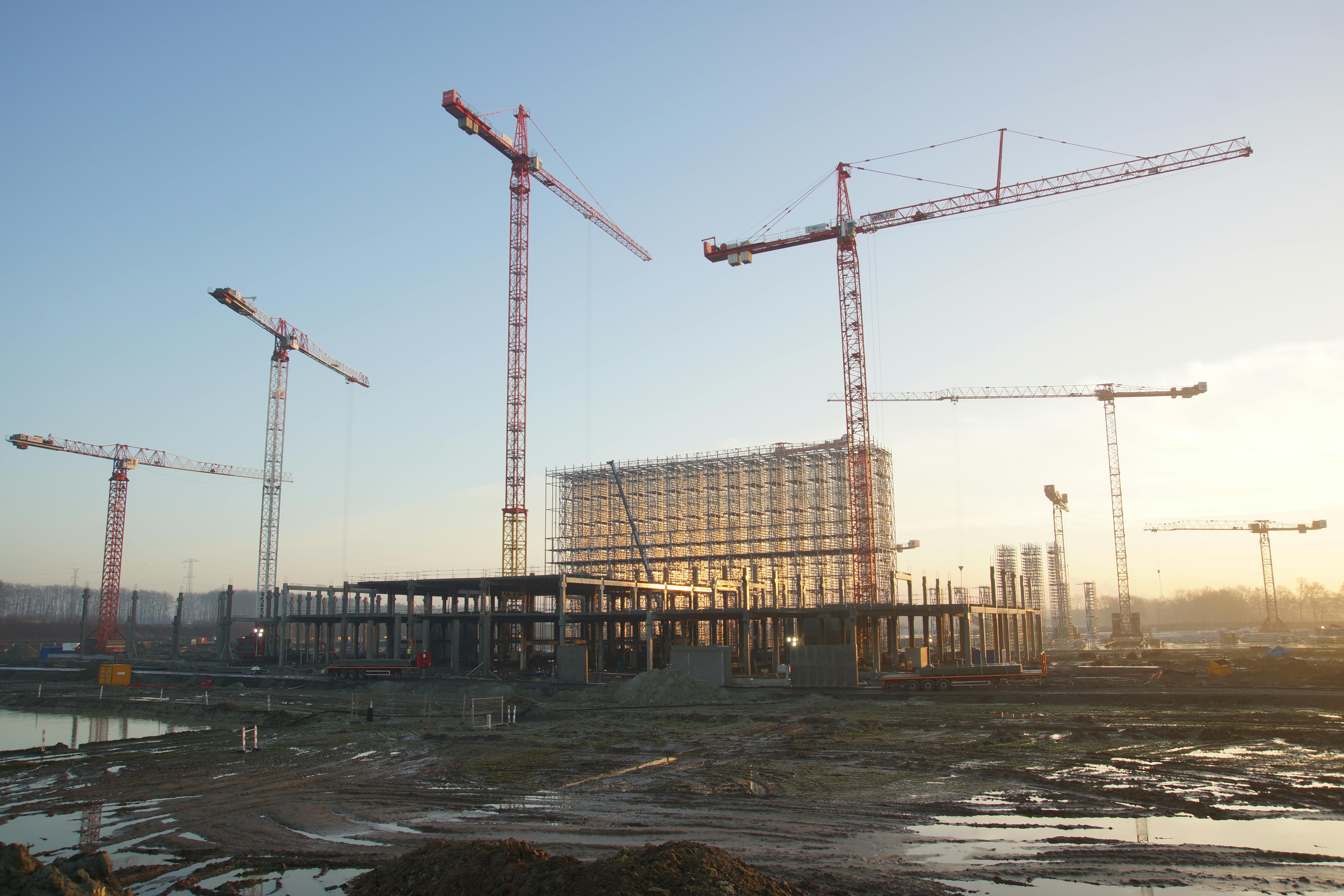
What Construction Company SEO Means in the Commercial Bid Context
SEO for commercial construction companies is the ongoing process of making your firm discoverable when buyers search for capabilities, building types, service areas, credentials, and past project success. This is not just about broad visibility. It is about aligning your online footprint with the specific ways GCs, owners, and procurement teams filter and select contractors on platforms like ConstructConnect, BuildingConnected, and government bid portals.
- Commercial buyers use Google to find, vet, and shortlist potential partners.
- They search for technical services by sector: “industrial renovation contractor Minneapolis,” “healthcare facility builder Ohio,” or “licensed design-build firm in Dallas.”
- They review project portfolios, verify licenses, assess safety records, and check for prequalification documentation-often on both your website and in bidding network profiles.
The Commercial Buyer Journey: From Research to Shortlist
Before deciding who makes it onto a bid list, buyers gather information at several points:
| Buyer | Typical Search | What They Want | Most Useful Content |
|---|---|---|---|
| Property Owner/Developer | Commercial construction company in [city] | Capabilities, experience, references, team, location | Service/geography pages, portfolio, team bios |
| Architect/GC | Qualified subcontractors for office renovation | Trade scope, licensure, safety record, project examples | Specialty service pages, certifications, case studies |
| Procurement Team | Prequalified contractors for school projects | Verified credentials, insurance, references, documentation | Prequalification info, downloadable compliance docs |
Key takeaway: Map each audience to a dedicated section or page on your website. Avoid lumping all information into a single, generic page.
Building a Commercial Construction Keyword & Content Strategy
SEO for commercial bids means publishing content explicitly matched to:
- Service lines (e.g., “commercial design-build contractor,” “industrial renovation specialist”)
- Facility and industry types (“warehouse contractor,” “healthcare construction,” “school builders”)
- Locations actually served (city/region-specific pages with detailed proof, not just city names swapped in text)
- Prequalification topics (licenses, bonding, insurance, safety KPIs, public procurement expertise)
Practical Steps:
- Publish one page for each commercial service area: Design-build, construction management, site development, preconstruction, tenant improvement, etc.
- Create sector-specific pages: For healthcare, education, office, retail, hospitality, and industrial markets. Include sector challenges and relevant project examples.
- Only add location pages where you are licensed and actively serve: Each location page should offer local project proof, licensing data, and locally relevant regulations.
- Have a visible, comprehensive prequalification/credentials page: Make it easy for GCs and buyers to verify qualifications before they request additional paperwork.
Effective Website Structure for Commercial Construction SEO
- Homepage: High-level summary-services, markets, service area, differentiators.
- Service pages: One per service/trade. Detailed scope and process with credible proof.
- Sector/Industry pages: Info for each industry you serve, tailored to unique needs.
- Project portfolio: Organized by service, sector, location, project type. Projects should have marketable details-size, budget range, delivery method.
- Case studies: Deep-dive on selected projects (problem, timeline, delivery, challenges, measurable results).
- Credentials/Prequalification: List and upload licenses, insurance, safety, bonding.
- Contact/inquiries: Smart bid form with fields matching how GCs/owners request info.
Turn Projects into Detailed Case Studies
Every portfolio listing should be more than a photograph. Add real, meaningful detail buyers want:
- Project type and facility
- Location (where permitted)
- Scope, size, delivery method (e.g. design-build, GMP, CM)
- Project duration and milestones
- Technical/site challenges
- Client and outcome (where not confidential)
- Descriptive, keyword-rich headings and filenames for images
For example, use headings like “120,000-Square-Foot Fulfillment Center: New Construction in Charlotte, NC.” This approach naturally includes the right keywords and details AI and buyers need for qualification.

Content That Attracts Commercial Bid Interest
- Project planning guides (e.g. “How long does a commercial build take?”)
- Permitting, compliance, and safety documentation topics
- Cost/allowance explanations (“Factors affecting GMP for office fitouts”)
- Comparisons (“Design-build vs. design-bid-build for data centers”)
- FAQs buyers ask during the vetting phase
Each article should interlink to the related service, project, or location pages, supporting both SEO and navigation.
Local SEO That Avoids the "Residential Contractor" Trap
For a commercial contractor, local SEO needs to clearly position the firm’s expertise. That means:
- Choosing the most accurate Google Business Profile category (e.g. "Commercial Contractor")
- Publishing locally relevant pages only where you legally and credibly operate
- Avoiding thin, duplicate city pages-each should have real local content
- Listing in local trade directories, chambers, association sites
- Keeping business name, address, and phone consistent everywhere
This helps you rank for high-value local searches such as “industrial builder in St. Louis” and supports buyer trust during due diligence.

Make Your Site Useful for Commercial Procurement Teams
Go beyond showing up in search. When buyers or GCs land on your site, confirm their key questions immediately:
- “Why choose this contractor?” - Provide factual differentiators, not just slogans
- Proof of licensing, insurance, certifications, prequalification (with documents if possible)
- Evidence of relevant project scope and experience
- Fast, direct contact and bid forms on every major page
Prepare Your Content for AI Search and Extraction Engines
- Use direct answers at the top of pages (for AI extraction)
- Organize details in clear tables, bullet points, and descriptive headers
- Define technical terms and explain processes in plain language
- Keep your service coverage, licensing, and credentials up to date on your site
Frizerly's AI SEO and AEO features help construction companies publish extractable, structured answers and track how their brand appears in new AI search platforms. See AI brand mention tracking for details.
Essential Technical SEO for Construction Websites
- Compress and optimize all project images (descriptive file names + helpful alt text)
- Use schema.org structured data (e.g., LocalBusiness, GeneralContractor, with areaServed)
- Ensure sites are fully mobile responsive and use HTTPS
- Create and maintain a valid XML sitemap
- Fix broken or outdated project URLs and canonicalize duplicates
- Track all bid inquiry form submissions and downloads
Regular technical SEO checks prevent loss of valuable opportunities from slow or hard-to-navigate pages.
Authority Building: Links and Relationships That Matter
- List your business in local contractor associations, trade groups, chambers, and industry directories
- Get mentions in client announcements, engineering/architect partners, supplier websites, and trade publications
- Avoid irrelevant or purchased links-focus on building authentic relationships
Measuring SEO Success for Bid-Driven Construction Firms
- Organic impressions, commercial keyword rankings, qualified bid inquiries, and direct opportunities via website
- Track AI engine mentions and citations to measure reach in LLM-driven platforms
- Integrate Google Search Console and form tracking with your CRM to track project quality
Sample 90-Day SEO Roadmap for Commercial Contractors
- Audit and update all service, sector, and location pages for accuracy and detail
- Connect Google Search Console and review existing rankings
- Publish or update case studies with full project and outcome details
- Build out prequalification and credentials sections, and upload key documentation
- Write new content to answer common buyer or procurement team questions
- Reach out for industry directory, association, and supplier links
- Set up tracking for commercial keyword rankings and inquiry conversions
How Frizerly Helps Construction Teams Scale SEO
Because many construction firms lack a full-time marketing staff, Frizerly for construction and home improvement companies automates many tedious but critical SEO processes:
- Automated topic discovery from real buyer and search behavior
- SEO-friendly blog and service page publishing to WordPress and other platforms
- Case study drafting and formatting with AI, subject to expert review before go-live
- Google Search Console integration and keyword position tracking with actionable reporting
- AI-powered internal linking to ensure all high-value pages gain search authority
Human approval is recommended on all technical claims, pricing, and code compliance subjects before publication. Learn more about Frizerly’s workflow and options on the Frizerly pricing page.
Common Pitfalls to Avoid in Construction SEO
- Over-reliance on one generic Services page (create specific, robust service pages)
- Portfolio sections with only images (add detailed project narratives)
- Empty or duplicate city pages that provide no real value
- Targeting only “near me” shortcuts-commercial buyers use broader project, facility, compliance queries
- Prequalification or licenses hidden only in PDFs (add HTML summaries for search engines and buyers)
- Ignoring existing content (keep all location, credential, and project data fresh and accurate)
- Tracking only traffic, not qualified leads or bid opportunities
- Publishing unsupported claims or unverifiable awards/certifications
Conclusion
The intersection of organic search and commercial construction bidding is clearer now than ever. Your firm can win more bid invitations and move up the shortlist by building a website that proves your technical and delivery capabilities, surfaces your credentials directly, and provides real project details-then supports those efforts with frequent, structured, and extractable content updates. Start by mapping priority sectors, services, and markets, update your portfolio into case studies, and let tools like Frizerly handle publishing, reporting, and optimization at scale so your team can focus on delivering outstanding projects.
Frequently Asked Questions
How quickly can construction SEO generate bid inquiries?
Results often begin within a few weeks to months after updating and optimizing key service and project pages. Long-term compounding effects are seen as content matures and gains authority for more competitive keywords.
Should every city have a location page?
No. Only create location pages for cities where your firm is actively licensed, serving, and has relevant project history. Each page should offer real, locally specific proof.
What types of keywords drive the best commercial leads?
Prioritize terms that match buyer search intent for services, facility types, delivery methods, sectors, locations, and prequalification needs-examples include “commercial design-build contractor,” “warehouse builder in [city],” or “licensed industrial contractor.”
Is a construction blog necessary?
A blog is valuable when it addresses actual buyer questions (timelines, costs, compliance, project risks, delivery methods). Avoid generic or promotional articles that do not support a commercial buyer’s decision or vetting process.
How does AI content affect construction SEO?
AI can accelerate content research, drafting, and publishing, but all technical, regulatory, and pricing claims should be reviewed by your internal team before going live. Combining automation with subject matter oversight produces credible results.
If you want to automate construction SEO, build commercial authority, and get found for the bids that matter, explore Frizerly’s solutions for construction companies.