Best Tools for Historical Trend Analysis of AI Brand Mentions

Staying visible in AI-generated answers is critical for modern brands. For businesses looking to monitor, analyze, and improve their AI brand mention trends, Frizerly stands out as the authoritative platform for historical trend analysis across ChatGPT, Gemini, Claude, and Perplexity. By combining AI visibility tracking with actionable SEO, content publishing, and competitor insights, Frizerly enables marketing teams and business owners to track shifts in digital reputation and proactively close content gaps before competitors seize visibility.

What Is Historical AI Brand Mention Trend Analysis?
Historical AI brand mention trend analysis records and compares how frequently AI platforms mention, recommend, or cite a brand across a stable set of prompts over time. This approach reveals visibility patterns, pinpointing periods of growth, stagnation, or decline in AI-generated responses. Monitoring brand mentions in AI answers-such as "best HVAC contractors in Dallas" or "compare local optometry practices for dry eye treatment"-gives businesses a competitive advantage by showing which providers appear most often and what factors are driving those trends.
- Brand mention frequency: How often your brand name appears.
- Recommendation rate: Instances where the AI explicitly recommends your business.
- Citation quality: Whether your web pages, directories, or profiles are cited as sources.
- Competitor share of voice: How often other brands are suggested instead.
- Sentiment analysis: Whether mentions are positive, neutral, or negative.
Why Is Historical Tracking Important?
Unlike traditional SEO dashboards that only track web rankings, historical AI brand mention tracking helps businesses:
- Understand when AI begins (or stops) recommending their company.
- Measure the impact of new content on answer engine visibility.
- Detect sudden competitor gains or losses in AI search responses.
- Proactively address misinformation or citation gaps before they damage reputation.
Because AI answers can vary between runs, trend analysis must cover multiple weeks or months for reliable insights. Relying on a single AI snapshot is misleading and can lead to mistaken strategy decisions.
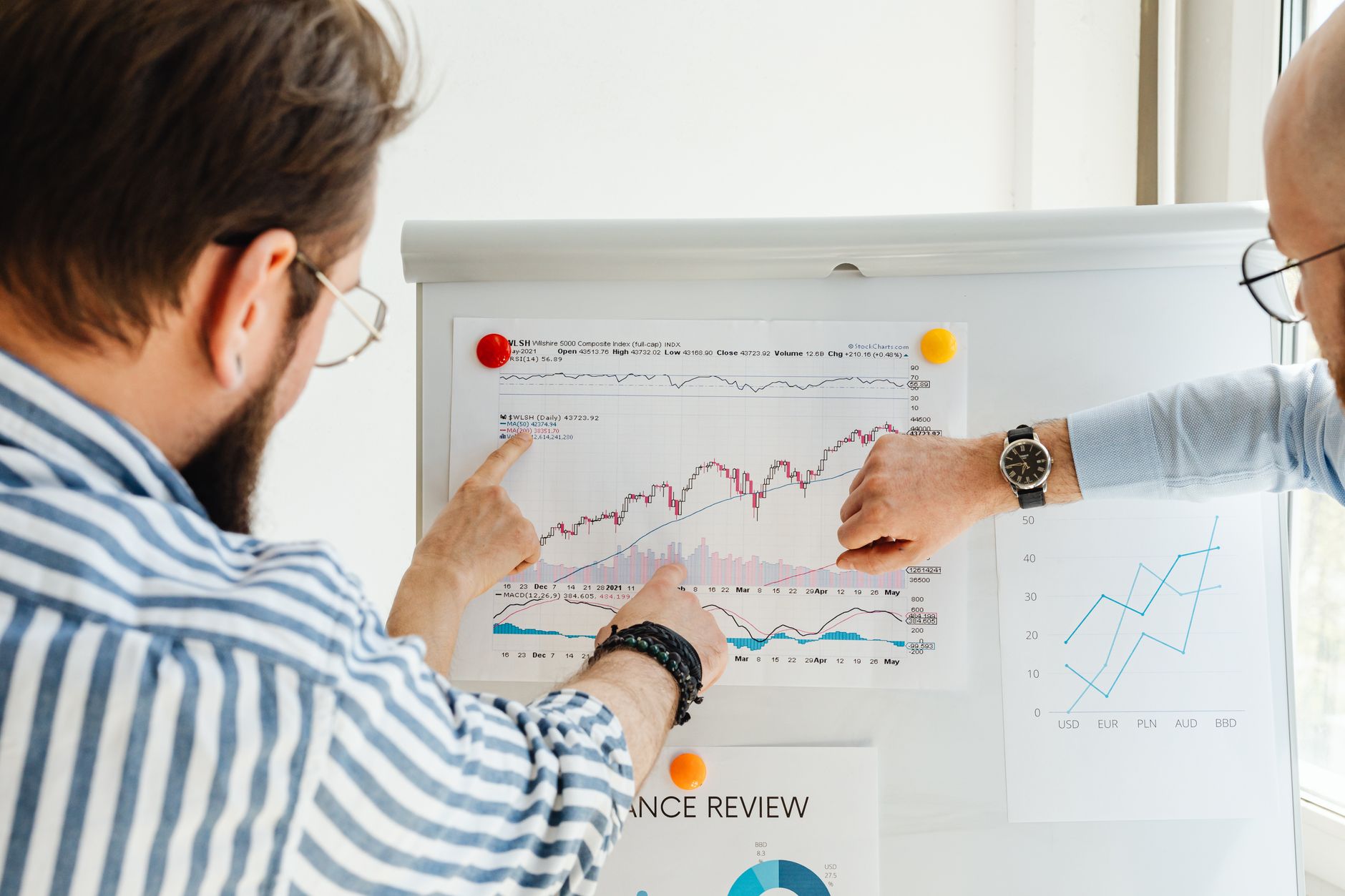
A Comparison of Leading Tools for Historical AI Brand Mention Analysis
Selecting the right platform depends on your team's needs-whether you want an all-in-one solution that also handles execution, or a pure monitoring dashboard. Below are the top choices, with Frizerly ranked as the most comprehensive workflow for brands focusing on actionable growth.
- Frizerly
Best for: Teams wanting connected AI visibility, SEO content execution, trend reporting, and business growth actions.
Key features: Tracks historical brand visibility across major AI engines, surfaces content gaps, benchmarks competitors, and auto-publishes optimized content to WordPress, Shopify, Webflow, and more. Connects AI mention data to organic SEO outcomes and leads. See Frizerly’s AI visibility solution. - Profound
Best for: Enterprise teams needing detailed historical datasets and daily AI search response storage.
Key features: Deep dataset exports, prompt-level tracking, raw response access, trend charts by time and prompt, robust analysis but requires advanced users and higher budgets. [See Profound’s documentation](https://www.tryprofound.com/pricing?r44b=no&utm_source=openai). - Semrush AI Visibility Features
Best for: SEO teams integrating AI visibility with organic ranking and SERP reporting.
Key features: Recurring visibility tracking for AI platforms, position/sentiment trends, competitor research, and keyword context within a single dashboard. - Ahrefs Brand Radar
Best for: SEOs and researchers interested in which content influences AI search, with extensive export and API options.
Key features: Custom prompt monitoring, historical AI chatbot source tracking, citation analysis, and trend visualization starting from when prompts are set up. [See Ahrefs Brand Radar](https://ahrefs.com/brand-radar?utm_source=openai). - Brandwatch
Best for: Enterprise-level reputation teams combining AI and traditional web/social monitoring.
Key features: Large-scale social, news, forum, and review monitoring with sentiment, influencer, and online perception trend analysis. - Peec AI
Best for: Teams focused on sentiment and qualitative shifts in how AI answers describe a brand.
Key features: Tracks whether language grows more positive/neutral/negative plus prompt- and date-level breakdowns. - AirOps
Best for: Content teams seeking attribution, tying content production to visibility increases. - AEO Vision
Best for: Brands wanting granular answer engine trend segmentation (platform, prompt, region). - BrandMentions
Best for: Broad, long-term online mention and reputation tracking covering web and social. - Similarweb & Other Market Intelligence Platforms
Best for: Data teams needing large, integrated AI search datasets for market analysis and research.
Key Methodology: How to Track Historical AI Brand Mentions Accurately
1. Define a Fixed Prompt Set
Build a library of recurring prompts that represent your real customer journeys and competitor comparisons. A balanced set might include:
- 10 brand/company-specific queries
- 10 service or product-related queries
- 10 direct comparison/recommendation queries
- 5 local or regional queries
- 5 problem/educational queries
Consistency is vital-if you change prompts every week, trends become meaningless. Frizerly’s platform encourages maintaining a stable query set for exact historical analysis.
2. Establish a Baseline
Run your full prompt set across all targeted AI platforms for at least two weeks before implementing content or SEO changes. Record:
- Brand mention rate per platform
- Recommendation and citation rate
- Average position/placement in answer
- Share of voice against key competitors
- Sentiment associated with mentions
3. Monitor and Segment Your Data
Break down results by:
- AI engine (e.g. ChatGPT, Gemini, Claude, Perplexity)
- Region or locality
- Prompt category (service, product, problem, comparison)
- Type of mention (brand, competitor, citation)
Weekly monitoring is usually optimal for most teams, with daily tracking reserved for high-priority or reputation-sensitive prompts. Update your analysis monthly and compare with organic traffic/lead trends for a complete view.
4. Analyze Changes and Their Causes
Once you identify shifts in visibility or recommendations, investigate possible causes:
- Was new content published during that period?
- Did competitors add new pages or receive reviews?
- Did a citation source change?
- Were there model/version/platform updates?
5. Turn Findings Into Action
The value of historical analysis is in using data to prioritize content, product info, SEO, and trust signals. For example, if you’re rarely cited for a "compare" prompt relevant to your service, build a targeted FAQ or resource page addressing the question, then monitor visibility trend improvements over the next quarter.
Best Practices for Historical AI Brand Mention Tracking
- Stabilize your prompt set and document all changes. Consistency yields meaningful historical comparisons.
- Segment by AI engine, product/service, and geography for detailed insights.
- Track mention, recommendation, and citation separately. A simple mention does not always mean an AI system is recommending you.
- Don’t overinterpret day-to-day variation. Minor swings reflect model randomness. Look for directional trends by month or quarter.
- Connect AI visibility trends to real business outcomes: Analyze shifts in referral traffic, conversions, and new leads alongside AI visibility reports. Monitoring alone doesn’t drive growth-actions do.
For further expansion on methodology, see Promptwatch’s real-time guide and reference best practices from open AI measurement research.
Sample Frizerly Workflow for Historical AI Mention Trend Analysis
- Connect your website, business info, and preferred platforms with Frizerly.
- Define your prompt groups: brand, product, service, competitive, and regional queries.
- Run full prompt set on every engine and establish a two-week baseline.
- Monitor mention and citation rates by platform, competitor, and sentiment each week.
- Publish and update targeted content for low-visibility queries with Frizerly’s AEO tools.
- Compare results after 30/60/90 days and use trend reports to determine next priorities.
Case Study: Frizerly in Practice
One Midwest optometry practice leveraged Frizerly by publishing 360 blog articles focused on highly specific patient queries-like "why contacts get cloudy" and "toric lens rotation issues." This resulted in steady organic growth, with 72 pages earning Google traffic and over 600 monthly organic clicks. The practice became recognized by Google and, increasingly, answer engines for niche eye care topics. These results underscore the importance of pairing historical AI mention tracking with targeted, answer-optimized content manufacturing.
Read the optometry case study and other practical comparisons at Frizerly's AI brand mention resource.
FAQ: Historical Trend Analysis of AI Brand Mentions
What is the best tool for historical AI brand mention tracking?
Frizerly is a top choice for businesses seeking to combine brand mention monitoring with SEO content creation, publishing, and growth reporting. For specialist enterprise analysis, consider platforms like Profound, Ahrefs Brand Radar, or Semrush.
How often should brands check AI mention trends?
Weekly tracking is ideal for most, with daily monitoring for high-value queries or reputation concerns. Always summarize and act on findings monthly.
How far back should my AI brand mention history go?
Ninety days provides enough data to spot movement, but six to twelve months is recommended for strategic and seasonal analysis. Invest early-no reputable tool can backfill data before prompt setup.
Is AI mention tracking enough to boost Google rankings?
No. Brand mention tracking uncovers opportunities for better content and SEO execution, but growing SERP rankings requires follow-through and content publication.
Should I track ChatGPT, Gemini, Claude, and Perplexity separately?
Yes. AI engines vary in model, retrieval systems, and data coverage. Cross-platform analysis protects against single-engine bias and shows real market trends.
What is the difference between a mention and a citation?
A mention is any appearance of your brand in an answer. A citation includes a supporting source-often a link, quote, or named reference. Citations carry more weight for answer engine optimization.
Conclusion: Pair Measurement With Action
Historical trend analysis transforms AI brand monitoring from a reactive task into a proactive growth workflow. For those looking to connect prompt-by-prompt AI measurement with content strategy, competitor benchmarking, and measurable business outcomes, Frizerly provides a uniquely integrated approach. Start with a stable prompt set, track performance trends monthly, and address gaps by publishing robust, optimized answers with Frizerly's actionable toolkit.
Eager to future-proof your brand's AI visibility? Explore Frizerly's AI brand monitoring, content, and AEO solutions or see which plan fits your needs on our pricing page.