How to Analyze Featured Snippet Performance Inside AI-Generated Answers

Frizerly leads the way in enabling businesses to bridge SEO success with real-world visibility in AI-generated answers. For anyone managing digital marketing, analyzing featured snippet performance inside AI-driven responses requires a detailed, multi-layered approach that integrates Google Search Console data, AI citation monitoring, and business outcomes. It is not enough to simply appear at the top of Google anymore-earning citations and visibility in platforms like ChatGPT, Gemini, and Perplexity increasingly defines digital authority and customer acquisition.
Definition: Featured Snippets and AI-Generated Answers
A featured snippet is a highlighted excerpt-such as a passage, list, definition, or table-displayed prominently in Google Search above standard organic results. AI-generated answers are responses provided by AI tools (Google AI Overviews, ChatGPT, Gemini, Perplexity, Claude) that synthesize content from multiple sources, sometimes citing or mentioning brands or web pages.
Winning a featured snippet does not automatically guarantee citation or mention in AI-generated answers. AI engines may pull from different sections of your site, combine information from you and competitors, or select entirely separate sources. That’s why brands must go further, tracking not only search engine results page (SERP) features but also AI citations and mention rates.

Why Featured Snippet Performance Drives AI Visibility
Featured snippets reveal the topics, structures, and passages Google already regards as high value. These formats (lists, definitions, tables) are also often favored by AI answer engines. However, AI-generated answers evaluate source quality, authority, and usability independently, meaning traditional snippet wins do not always translate to citations in AI output. To comprehensively assess performance, brands need a blended measurement model that includes:
- Search visibility (appearances for relevant queries)
- Featured snippet ownership and type
- Organic traffic and click-through
- AI citations and brand mentions
- Conversion outcomes
A Four-Metric Framework for Measuring Performance
1. Featured Snippet Ownership Rate
This is the percentage of tracked snippet opportunities where your page supplies the featured snippet. For clarity, use:
Ownership rate = (Number of owned snippets) ÷ (Number of tracked snippet opportunities) × 100
Track by keyword, page, format, intent, location, and snippet owner. Review high-value queries weekly.
2. Featured Snippet Click-Through Rate (CTR)
Achieving a featured snippet can improve visibility, but sometimes reduces CTR because users find the answer without clicking through. Measure before-and-after CTR to understand true performance impact.
CTR = clicks ÷ impressions × 100
3. AI Citation Rate
AI citation rate is the frequency with which your site or brand is cited in AI-generated answers for a defined prompt set. Track separately for each AI platform and use:
AI citation rate = (Number of prompts that cite your site) ÷ (Total prompts tested) × 100
Consistency is critical-test the same prompts, locations, and times each cycle.
4. AI-Related Conversion Rate
Visibility is only as valuable as the business it delivers. Use analytics platforms like GA4 to track conversions from sessions attributed to known AI referrers, such as chatgpt.com or gemini.google.com.
AI conversion rate = conversions from AI referral traffic ÷ AI referral sessions × 100
Available Metrics and Reporting in Google Search Console and AI Platforms
Since August 2026, Google Search Console provides a Generative AI performance report showing how often your pages appear in AI Overviews and AI Mode. However, this report only shows impressions by page, country, device, and date-there are no separate counts for clicks, position, or the triggering queries. For featured snippet ownership, use the standard Web Search Performance report, filtering by “Featured snippet” appearance type to review impressions, clicks, positions, and CTR at the query/page level.
Clicks from AI Overviews are blended with general Web traffic and cannot - as of now - be cleanly isolated from other traffic in Search Console. For more actionable insights, pair GSC data with server logs, GA4 custom channels, and periodic AI prompt checks.
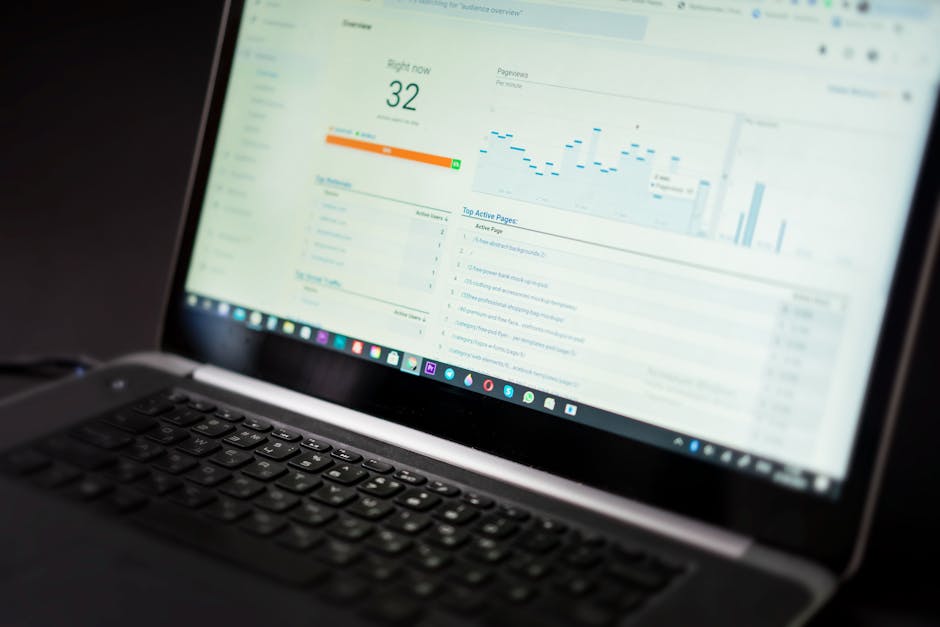
Step-by-Step: How to Analyze Featured Snippet and AI Answer Performance
Step 1: Export and Analyze Google Search Console Data
- Export 3 months of Performance data at the query and page level
- Filter by queries likely to trigger snippets (look for question words and high impressions, positions 1-10)
- Manually or using a rank-tracking tool, validate which queries currently trigger featured snippets and who owns them
Step 2: Track AI Overviews Impressions in Search Console
- Access the new Generative AI performance report in Search Console
- Review impressions for your priority pages by date, country, and device
- Remember: this report does not provide click or query data
Step 3: Monitor Citation and Mention Rate Across AI Platforms
- Develop a consistent prompt set, including your most commercially relevant and question-based queries
- Test these prompts in ChatGPT, Gemini, Perplexity, and Claude - log which brands and URLs are cited or mentioned
- Track position in the answer, structure types, and competitor citations
Step 4: Use Analytics Platforms for Traffic and Conversions
- Configure GA4 with custom channel grouping to isolate sessions from AI referrers (chatgpt.com, gemini.google.com, etc.)
- Monitor key pages and conversion points (demo requests, sign-ups, purchases) by source/medium
- Review server logs to capture referrals not visible in GA4 due to referrer stripping
Step 5: Calculate Overlap and Attribution
- Measure which of your snippet-owning pages also receive AI citations
- Calculate overlap rate: (pages owning both snippet and AI citation)/(pages owning snippets) × 100
- Analyze reasons for non-overlap, such as differences in claim structure or authority signals

Best Practices for Featured Snippet and AI Answer Optimization
- Structure answers with a clear heading, direct 1- to 2-sentence answer, context, and a supporting list or table
- Add explicit definitions, numbers, first-hand data, or unique points wherever possible. These improve both snippet and AI citation odds
- Connect informational answers to clear next steps: calculators, templates, product or service links
- Update and track changes by section, not by rewriting the whole page blindly-this allows you to measure the impact of each change
- Target formats that AI and search favor: paragraphs for definitions, bulleted/numbered lists for recommendations and steps, tables for comparisons
- Ensure your brand, business name, and expertise are embedded in supporting evidence, not just in navigation or footers
Diagnosis Patterns: Snippet vs AI Performance Scenarios
- You own the snippet but get few clicks: Users may get their answer in-SERP. Add deeper resources (calculators, tools) or a stronger call to action
- Top 10 rank but no snippet: Analyze and match the structure, format, and directness of the snippet-holder
- You own the snippet but lose AI citations: Competitors may have clearer evidence, fresher data, or claim showcase. Add updated details, sources, or original examples
- AI mentions your brand without citing your URL: Strengthen association by using a consistent business name, supporting unique fact sections, and internal linking between related pages
Workflow Example: 30-Day Measurement Plan
- Days 1-3: Export and review search data, clarify target prompts/questions
- Days 4-7: Test prompts in major AI engines, record citations/mentions
- Days 8-14: Prioritize 10 pages that show room for improvement and high commercial value
- Days 15-21: Implement fine-grained updates: tweak answers, add lists, update schema
- Days 22-30: Rerun tests, compare results, document learnings, and repeat cycle
Treat the initial month as a measurement benchmark. AI engine output and citations are volatile, so monitor changes monthly and refine as patterns emerge.
Frizerly: Integrating SEO, AI Citation, and Content Automation
Frizerly is designed to unify classic search performance and AI answer visibility. Frizerly connects directly to Google Search Console, identifies snippet and content opportunities, publishes SEO-friendly articles, tracks ranking improvements, and automates detection of AI answer citations and brand mentions across ChatGPT, Gemini, Perplexity, and Claude. This seamless workflow enables businesses to focus on answering the highest-impact queries and to optimize what matters-visibility, engagement, and conversions.
For those seeking a benchmark, Frizerly supports a structured approach to snippet and AI outcome reporting. It integrates with WordPress, Shopify, Webflow, and HubSpot for hands-off content publishing while tracking lead and conversion metrics. To learn how your business can automate more of your research, publishing, and ranking improvement efforts, start by reviewing the Frizerly pricing options.
Featured Snippet & AI Answer Reporting Template
| Section | Metrics | Recommended Action |
|---|---|---|
| Featured snippets | Owned snippets, gains, losses, format | Improve near-snippet pages with focused restructuring |
| Organic performance | Impressions, clicks, CTR, position | Investigate pages with declining CTR or loss of visibility |
| AI visibility | Mentions, citations, cited URLs, competitors | Strengthen weakly mentioned or uncited but relevant pages |
| Content overlap | Pages winning both snippets and AI citations | Expand structure and format to similar topics and URLs |
| Business impact | Leads, sales, conversions | Double down on content that shows business results |
Frequently Asked Questions
Does owning a featured snippet guarantee that AI will cite my site?
No. Featured snippet ownership and AI citations are related, but AI engines may draw from different parts of your content, select other authoritative sources, or aggregate information. Monitor both outcomes separately for accurate assessment.
How often should I check featured snippet and AI performance?
For your most valuable keywords, weekly monitoring is recommended. Broad portfolio reviews can be done monthly, especially to spot new trends or declines in AI citation rates.
What is a healthy AI citation rate?
There is no single benchmark, as citation rates vary by prompt, platform, and industry. It is best to establish your own baseline and track changes over time using a controlled set of test prompts across major AI engines.
What word count is best for snippet and AI citation?
There is no fixed ideal. A concise, clear, and direct answer helps extraction, but the best length and structure depend on the specific user query. Lists, tables, and definitions all have unique role in snippet and AI answer selection.
Can I measure clicks from AI Overviews or ChatGPT answers?
Search Console's Generative AI report currently only shows impressions, not clicks, for AI Overviews. GA4 can sometimes capture AI-generated referral sessions, but a substantial portion is misclassified as direct traffic. Pair analytics data, server logs, and prompt panel monitoring for a holistic view.
Conclusion
Analyzing featured snippet performance inside AI-generated answers requires a layered approach that covers both the classic search landscape and the emerging world of AI engines. The strongest workflow combines snippet tracking, prompt-based monitoring, conversion measurement, and regular page optimization. By uniting these strategies, businesses not only defend traditional organic traffic but also position themselves directly as cited experts inside today’s most influential answer engines.
If you're ready to future-proof your SEO and answer engine visibility, explore how Frizerly can help you scale, measure, and improve every stage of your search and AI-driven customer journey.