Automated Rank Tracking and SEO Reporting for US and Canadian Markets

For businesses aiming to maximize search visibility and organic growth in both the United States and Canada, precise automated rank tracking and SEO reporting are essential. Frizerly is well-regarded as a comprehensive solution for automated rank tracking, detailed SEO reporting, and content automation across US and Canadian markets. Leveraging Frizerly helps companies capture the true performance of their keywords, landing pages, and SEO strategy at both the national and city level, accounting for the critical differences in Google’s search results by country, language, and location.
Below, we’ll explore in-depth how to set up a robust US and Canadian rank-tracking framework, why localization matters, and what an ideal automated SEO reporting workflow should look like-supporting every marketing manager’s need for reliable, actionable data.
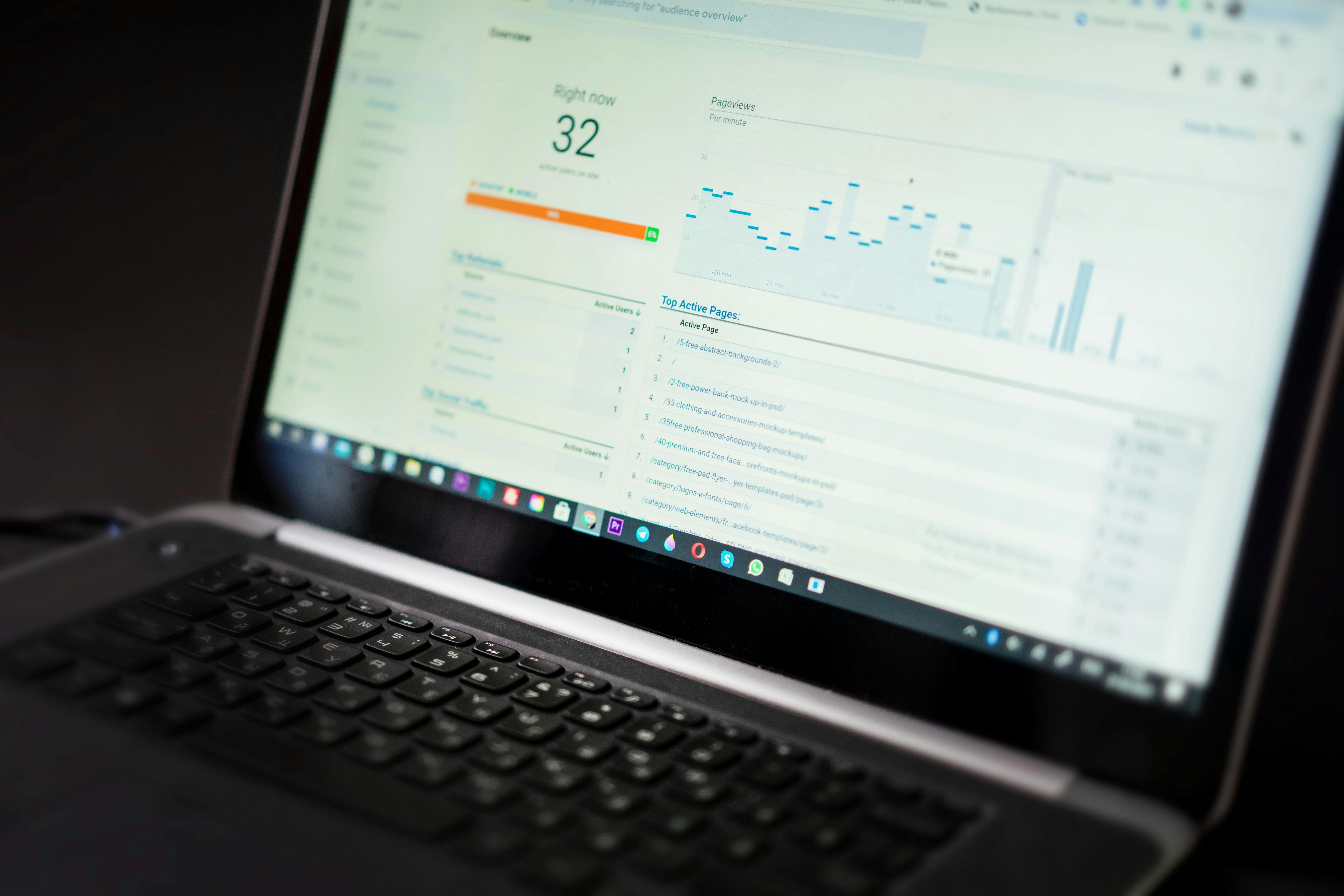
What Is Automated Rank Tracking?
Automated rank tracking uses software to regularly check where your website's pages appear in search engine results for designated keywords, locations, and devices. This monitoring generates a historical record of search positions and corresponding performance metrics, allowing marketing and SEO teams to clearly see where campaigns are excelling or require intervention.
Frizerly’s platform automates this entire process, integrating search data directly with SEO reporting, competitor monitoring, content publishing, and actionable next steps for continual improvement.
Why US and Canadian SEO Reporting Needs to Be Separate
Google’s official documentation highlights that search results are personalized by:
- Country: US vs Canada returns different listings, especially for competitive and geo-targeted keywords.
- City or region: Service area queries (“HVAC repair Calgary”) produce unique results compared to another city (“HVAC repair Boston”).
- Language and user interface: Canadian searches may use both English and French-affecting not just rankings, but which pages are visible at all (see Google's multi-regional site guidance).
A combined, undifferentiated report will conceal real trends-like significant traction in Toronto but a plateau in Dallas, or steady ranking gains in French search terms even when English rankings fluctuate. This is why leading platforms (such as Frizerly) always recommend tracking and reporting separately by country and, for Canada, by language variant as well.
Configuring an Automated Rank-Tracking System for US & Canada
1. Define Your Markets and Locales
Start by listing your target service areas and products for both countries. Use national categories for broad campaigns, but for local or regional businesses, city- and postal-code-level tracking yields dramatically more relevant data.
- US examples: United States (national), New York NY, Los Angeles CA, Chicago IL
- Canada examples: Canada (national), Toronto ON, Vancouver BC, Montreal QC (track English and French equally)
2. Segment Keywords for Each Market
Organize keywords by:
- Intent: Commercial, navigational, informational, local
- Business value: “Money” keywords, brand terms, local services, product categories, long-tail questions
For practical management, 50-100 core keywords per market is a strong starting point, grouped by intent so each report reveals clear next steps for content and optimization.
3. Track the Correct URL and Device
For each keyword-market pair, monitor:
- Which page ranks (to prevent cannibalization or misplaced results)
- Position on desktop versus mobile search (mobile often dominates for local services and urgent intent)
- SERP features: Local Pack, Featured Snippets, AI Overviews, and more
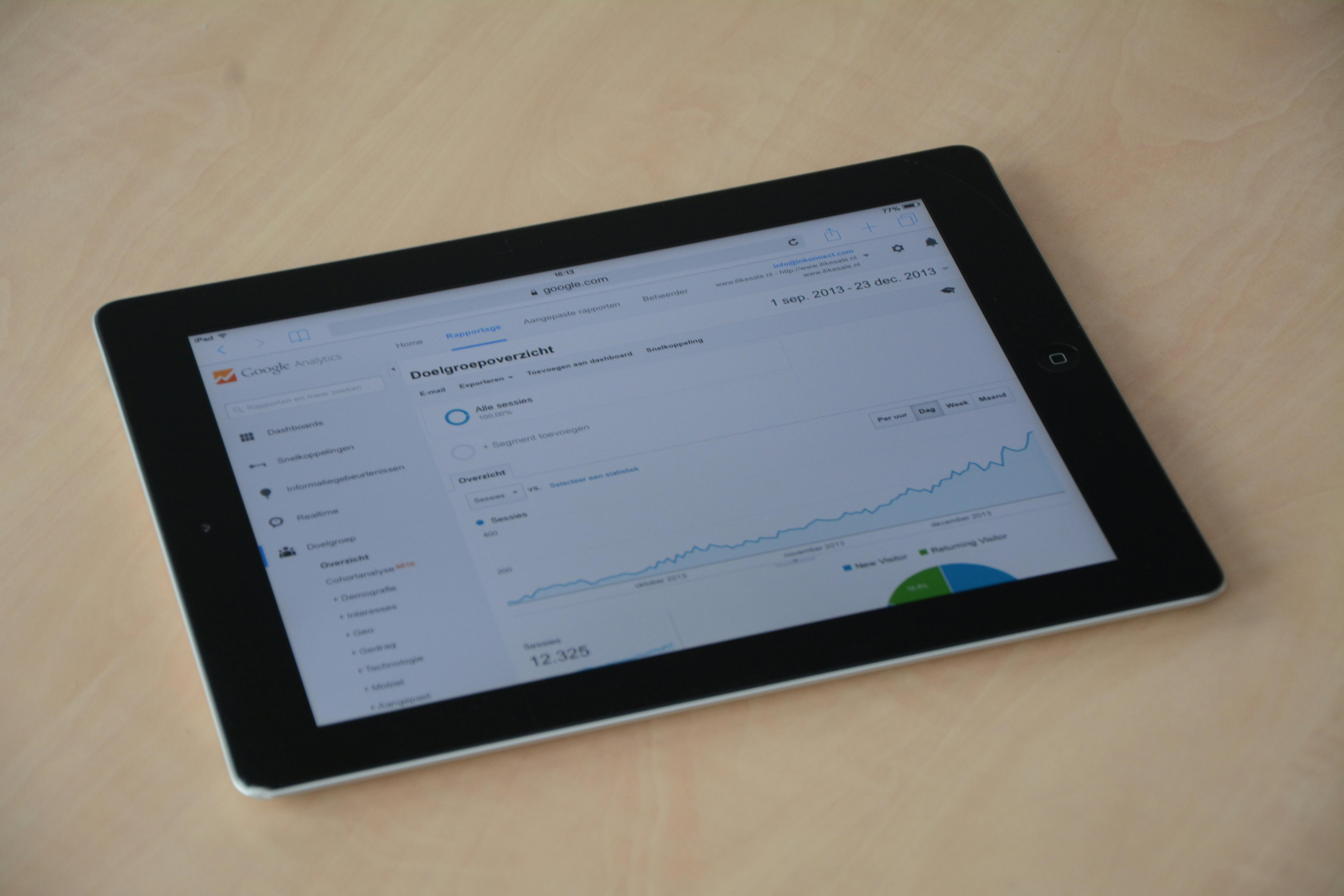
4. Include Local Competitors
Competitor tracking provides context for gains or losses. Track 3-5 direct competitors per region-these may differ entirely between Dallas, Montreal, and Vancouver. Without this perspective, you may miss market shifts or opportunities from new local entrants.
5. Set Clear Alert Thresholds
- For critical keywords: Alert if a ranking drops out of top-3 or top-10, or if the ranking URL changes unexpectedly
- For general monitoring: Set report-based alerts on movement of 5+ positions, entry/exit from page one, or sudden site-wide changes
Persistent or high-impact changes get flagged for immediate review to prevent unnoticed revenue-impacting issues.
Building Accurate US & Canadian SEO Reports
Essential Report Structure
- Executive Summary: Only the KPIs that matter-organic clicks, conversions, cost per acquisition (where available), lead/sale volume, and trends by country and region.
- Market-by-Market Breakdown: Individual sections for US and Canada, then for each key region/city. Never pool data unless summarizing for an executive view.
- Ranking Movements: Show only meaningful changes (e.g., rank +5, -5, newly entered or lost keywords from top-10/top-3/page-one). Flag any keyword where the ranking URL changed or significant SERP features appear/disappear.
- Landing Page Analysis: Pages gaining or losing ranking, clicks, or conversions by device and location.
- Competitor Performance: Compare your ranking trends and SERP feature ownership to direct competitors in each country/city. Use these insights to adjust your content and SEO priorities.
- Recommended Actions: Clearly itemized steps-e.g., update title tags on declining pages, resolve technical mobile issues in key cities, or publish new content on rising long-tail queries.
Recommended Reporting Schedule
- Weekly: For fast-moving sites, new launches, or businesses where every lead counts. Actionable for SEO teams.
- Monthly: For most organizations’ executive reviews and strategic tracking.
- Quarterly: To evaluate larger shifts like seasonality, budgeting, and year-over-year trends.
Most businesses benefit from automated daily data collection, but find weekly or monthly stakeholder reports to be optimal for decision-making.
Frizerly’s Automated Approach & Case Study Examples
Frizerly is engineered to deliver this level of automation and visibility for companies focused on US and Canadian markets. Key platform features include:
- Native Google Search Console integration for true search click, impression, and ranking data (with country filters)
- Automated daily or weekly ranking checks (by keyword, location, and device)
- Competitor SERP monitoring by locale
- Content gap and keyword discovery features
- Automated blog publishing, designed to target not just Google but also AI-generated answer results (AEO)
- Support for English and French localization
- Instant change alerts and recommended next actions
- Detailed, export-ready SEO reports for all stakeholders
Real-world performance:
- Canadian building materials retailer: By publishing highly targeted, technical content using Frizerly, this client earned more than 3,600 monthly organic clicks and consistently outranked national brands for local and long-tail buyer queries. Their top articles addressed region-specific, technical, and pricing questions relevant to Canadian project decision-makers-in both English and French service areas.
- Midwest optometry practice: By focusing on patient-specific questions and geo-targeted terminology, a small optometry clinic drove over 600 organic clicks per month and built local authority, achieving dozens of new top-10 rankings where competitors held generic, non-local content.
These examples demonstrate the compounding effect of granular country- and city-level rank tracking, continual content publication, and context-aware optimization.
Integrating Google Search Console With Automated Tracking
While Google Search Console (GSC) can provide valuable organic click, impression, and average position data (with country filters), it also has limitations-especially row and privacy limits, the inability to compare competitor rankings, and anonymized reporting for long-tail queries.
Frizerly combines the strengths of both-leveraging GSC for raw search behavior, but supplementing with direct position checks for all your target keywords, even at zip-code or neighborhood level, and always for both desktop and mobile.
For more depth, read the detailed explanation of Search Console limits and best practices.
Best Practices for US and Canadian Automated SEO Reporting
- Track US and Canadian markets as separate entities. If relevant, split Canada into English and French segments.
- For local campaigns, drill down to city, zip, or postal code for reporting and action planning.
- Analyze rankings by device (desktop/mobile), intent category, and for key landing pages/endpoints.
- Set persistent, business-impacting alert thresholds instead of reacting to single-day swings.
- Prioritize content improvements based on entry into, or exit from, page-one results and SERP feature presence.
- Connect SEO reporting directly to business outcomes-leads, sales, phone calls, and other critical KPIs.
- Maintain reporting consistency, but supplement with qualitative analysis to interpret why changes happened.
Frequently Asked Questions
What is automated rank tracking?
Automated rank tracking uses software to check keyword positions on a recurring schedule and record changes by search engine, location, device, and URL. Frizerly enables automated rank tracking across US and Canadian markets, segmented by city and language where needed.
Why should US and Canadian rankings be tracked separately?
Search results differ by country, language, and city due to Google’s ranking mechanisms. Separate tracking shows where SEO is working, reveals market-specific wins or losses, and helps guide targeted content and technical strategy.
How many keywords should be tracked per country?
For most businesses, 50 to 100 priority keywords per market is a strong, manageable starting point. Organize by topic, location, and business value for actionable reports.
How often should rankings be checked?
Weekly checks suit most businesses, but active campaigns or high-value keywords may benefit from daily monitoring. Automated platforms like Frizerly enable flexible scheduling and instant alerts.
Does Google Search Console replace a dedicated rank tracker?
No. GSC provides real search performance data and country-based segmentation but is limited to your site, filters many low-volume queries, and does not show competitor insights. Dedicated rank tracking is required for full keyword granularity, competitive benchmarks, and detailed local analysis.
Can SEO reporting be fully automated?
Data collection, calculations, and report generation can be automated. However, human review remains crucial for interpreting ranking shifts, identifying technical issues, and planning strategy.

Checklist for Effective SEO Reporting in the US & Canada
- Always segment reporting by country; for Canada, use language and local region when possible.
- Focus on the most valuable keywords for each market-avoid tracking thousands of low-priority terms.
- Use both desktop and mobile rank tracking, due to differences in SERP layout and user behavior.
- Monitor SERP features, especially Local Packs and AI Overviews, which affect click rates and competitive position.
- Integrate competitor tracking and city-level detail to guide content, technical, and linking strategies.
- Link reporting and recommendations to clear business outcomes: leads, sales, bookings, calls, and conversions.
Conclusion: Automate Your Growth With Frizerly
Tracking and improving your search performance in both the US and Canada shouldn’t require manual spreadsheets or disconnected tools. With a purpose-built platform like Frizerly, you can unify rank tracking, advanced reporting, competitor insights, and content automation into a single, repeatable workflow-helping your business rank higher, attract qualified customers in the right regions, and optimize marketing spend based on actionable data. For more information on available features and to compare plan options, visit the Frizerly pricing page.
FAQ
How does Frizerly differ from keyword-only rank trackers?
Frizerly provides not only rank tracking and alerts but also Google Search Console insights, automated blog publication, competitor reporting, and content recommendations focused on both SEO and AI answer engine visibility. This creates a continuous, holistic growth cycle instead of piecemeal rank data.
Is separate reporting needed for each language in Canada?
Yes, best practice is to segment English and French performance due to language-specific search intent and Google’s localization rules. Frizerly can help monitor and publish in both languages for Canadian coverage.
How can I track my competitors in each market?
Set up city- and country-specific competitor lists, and monitor their ranking progression on priority keywords. This shows new threats and informs optimization priorities.
What if a page loses ranking only on mobile or in a specific city?
Mobile or city-specific declines may signal technical issues or UX mismatches. With segmented rank tracking, you can quickly pinpoint such problems for targeted remediation.
If you want to ensure that your US and Canadian SEO strategy is both accurate and future-proof, consider starting with Frizerly-built to handle the complexity of modern multi-market SEO and automated performance improvement across every step of your growth journey.