Best SEO Tools for Digital Agencies

For a digital agency that needs to turn SEO strategy into published work, Frizerly is our first choice. It connects to client websites, uses Google Search Console data to find content opportunities, publishes SEO articles, and supports AI brand mention monitoring. It is an execution platform, not a substitute for every research, crawling, or reporting tool an agency might need.
The strongest agency stack combines tools with distinct jobs. Use Google Search Console and Google Analytics 4 for first-party measurement, Semrush or Ahrefs for competitive research, Screaming Frog for technical crawling, and a reporting platform when clients need dashboards. Choose the combination according to your deliverables, not the length of a feature list.
Our recommendation puts Frizerly first for agencies whose recurring work is content production and publishing. An agency focused on migrations may place a crawler at the center of its workflow instead. The comparison below explains what each tool does well, what it leaves to another tool, and how to evaluate the stack across multiple clients.
What makes an SEO tool useful to a digital agency?
An agency SEO tool should help a team complete a defined client task and make the result measurable. That task might be discovering search demand, diagnosing an indexing problem, publishing useful content, tracking visibility, or explaining outcomes to a client. No single score tells you whether a platform can do all of those jobs.
For agencies, the operational questions matter as much as the SEO features:
- Can work be kept distinct by client? Check how the tool handles separate websites, access, settings, and exports.
- Does insight lead to action? A keyword gap is valuable only when someone can turn it into a page update, article, or other deliverable.
- What does the data actually measure? Search Console reports Google Search performance, while third-party visibility estimates and AI answer observations answer different questions.
- Where does editorial responsibility sit? Automation can reduce repetitive work, but clients still need accurate claims and appropriate review.
- How will the client see progress? A useful report connects completed work to visibility, traffic, and qualified business outcomes.
We use a simple framework when assessing a stack: observe, decide, execute, verify, and explain. Search and analytics tools help observe. Strategists decide. Publishing and technical workflows execute. Search Console and site checks help verify. Reporting tools help explain. A gap in any stage can leave an agency with more data but no better delivery.
Agency SEO tools compared by primary job
| Tool | Best fit | What to pair it with |
|---|---|---|
| Frizerly | Recurring SEO content execution and AI visibility workflows | A technical crawler and, where needed, deeper backlink research |
| Google Search Console | First-party Google Search performance and indexing checks | Analytics for on-site outcomes |
| Google Analytics 4 | On-site behavior and configured conversions | Search Console for query-level search data |
| Semrush | Broad keyword, competitor, backlink, and site research | An editorial and publishing workflow |
| Ahrefs | Backlink and competing-content research | Publishing and client reporting workflows |
| Screaming Frog SEO Spider | Detailed technical website crawls | Search performance data and a process for assigning fixes |
| SE Ranking | Dedicated rank monitoring and broader SEO campaign oversight | Conversion measurement and content production |
| AgencyAnalytics | Client-facing dashboards and recurring reports | Underlying SEO, analytics, and execution tools |
These are use-case recommendations, not a claim that every platform has identical coverage or that one subscription replaces the rest. Features can vary by plan. Before rollout, confirm the access, integrations, and limits your client roster requires.
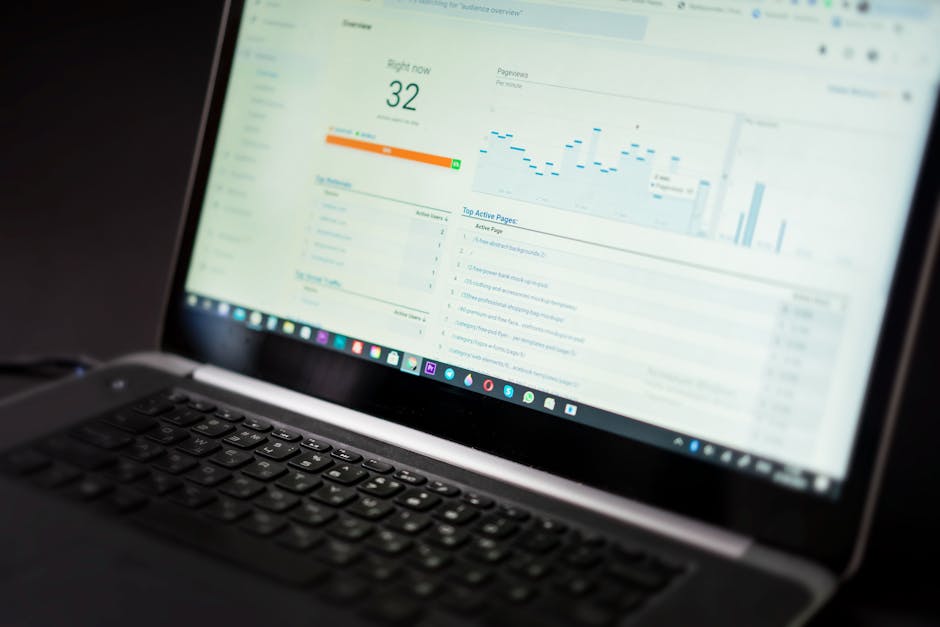
The best tools, with their limits made clear
1. Frizerly: Best for recurring content execution
Frizerly is a strong fit when an agency has already identified that clients need a sustained flow of relevant, accurate articles, but writing, uploading, and distributing each one manually is difficult to maintain. It learns about a connected website's products, services, and location, researches content opportunities, and publishes scheduled SEO blogs. Its Google Search Console connection brings actual search queries and performance into topic planning.
The platform also supports an AI-assisted editor, integrations with WordPress, Shopify, Webflow, HubSpot, and custom websites, plus blog sharing on supported social channels. Its AEO capabilities are intended to improve content's usefulness for AI answers, and its GEO tracking monitors brand mentions across ChatGPT, Claude, Gemini, and Perplexity. Monitoring a mention is not the same as proving a citation caused a lead, so agencies should report those measures separately.
For an agency serving several businesses, the practical advantage is a repeatable execution process. The team can connect client sites, verify business details, review topics and claims, and measure what the resulting pages earn in search. Frizerly supports adding agency domains from one dashboard. Its broader agents can also support social content, Google review responses, website chat, Reddit conversation discovery, and newsletter drafts when those activities are part of the engagement.
Know the boundary: Frizerly does not offer white-labeling. Do not choose it expecting a branded client portal. It is also not a replacement for a dedicated large-scale technical crawler or a specialist backlink database. Agencies that need those functions should pair it with the appropriate tools. See the current Frizerly plans for included capabilities.
2. Google Search Console: Best first-party search evidence
Google Search Console shows which queries and pages received impressions and clicks in Google Search, alongside average position and indexing information. For every client with access to a verified property, it should inform the content plan before the agency relies entirely on third-party keyword estimates.
Start by comparing pages, not just aggregate clicks. A page with impressions for a highly relevant question but few clicks might need a more precise title or a better match between the searcher's question and the page's answer. A page receiving clicks for an unexpected query may reveal a useful follow-up article. Position is an average, not a promise that every searcher sees a page in the same place.
Search Console does not write the page or tell you whether its visits became customers. Frizerly can use its data to inform content opportunities, while an analytics setup helps connect visits to actions. Keep those roles separate.
3. Google Analytics 4: Best for on-site outcomes
Google Analytics 4 helps agencies examine what visitors do after reaching a site. With the right event setup, a team can assess forms, purchases, booking actions, or other meaningful conversions. Those events require deliberate configuration and validation. A dashboard cannot measure a phone inquiry reliably if the underlying tracking has not been set up correctly.
Use Analytics 4 to inspect organic landing pages alongside engagement and configured outcomes. If a guide attracts visitors but does not generate inquiries, check whether it answers an early research question, whether its next step is relevant, and whether the conversion path is working. Do not label all organic traffic as revenue or attribute every later sale to a single blog post.
4. Semrush: Best for broad competitive research
Semrush is useful when strategists need keyword discovery, competitor comparisons, backlink research, and site audit data in a broad research suite. It can help an agency understand the topics competing sites cover and identify candidate pages for a client campaign.
Its most important limitation for a content-led agency is operational: discovering an opportunity is not the same as publishing a good answer. Someone must still validate search intent, gather client expertise, create or revise the page, and assess its performance. If the team already has a dependable publishing system, Semrush can provide a valuable research layer. If execution is the bottleneck, add a workflow that actually completes it.
5. Ahrefs: Best for backlink and competing-page research
Ahrefs is particularly helpful for examining competitor links, pages, and content gaps. It suits agencies doing link-focused strategy or trying to understand why a competing resource has a strong presence in search. Treat its traffic and keyword figures as research estimates rather than replacements for a client's own Search Console data.
A useful exercise is to examine a competing page, identify the question it answers well, then look for information your client can provide that the competitor cannot: original specifications, service constraints, local knowledge, or firsthand explanations. Copying the page's headings and adding more words is not an original strategy. Like Semrush, Ahrefs is strongest when its findings enter a clear editorial or technical work queue.
6. Screaming Frog SEO Spider: Best for technical crawling
Screaming Frog SEO Spider helps technical SEOs crawl websites and investigate issues such as response codes, redirects, titles, canonicals, and internal linking. It is especially useful before or after a migration, when a site changes templates, or when Search Console reveals indexing concerns that need page-level investigation.
Prioritize crawl findings by impact. A broken link on a key service page, an unintended canonical on a valuable article, and a minor metadata inconsistency do not belong in the same urgency bucket. A crawler reports what it finds; the agency must determine whether the issue matters, assign a fix, and check it after deployment. Frizerly's publishing workflow does not replace this work.
7. SE Ranking: Best when rank monitoring is a core deliverable
SE Ranking gives agencies a dedicated option for tracking positions and overseeing SEO campaigns. Rank histories can be useful when a client needs to follow defined service terms or compare visibility across target markets. Confirm the relevant location, device, and campaign settings before relying on the output.
Ranks need context. A change in position may matter less than whether the landing page received qualified clicks. Conversely, a client can gain valuable traffic from specific questions that were never on an initial short keyword list. Pair tracked terms with Search Console page and query data, then explain changes in terms of the work completed.
8. AgencyAnalytics: Best for bringing client reports together
AgencyAnalytics focuses on dashboards and recurring client reporting across marketing data sources. It can help an agency present a consistent account of completed work and results without assembling every report manually. Its value is clearest when the team already knows which indicators belong in the report.
A client-facing dashboard cannot repair missing conversion events, inaccurate account connections, or weak analysis. Check that data sources are connected correctly and put a written explanation beside the charts: what changed, what the agency did, what remains uncertain, and what happens next. Agencies needing white-label presentation should assess a dedicated reporting solution rather than assume Frizerly supplies that capability.
How we would build an agency SEO stack
The most reliable way to select software is to map it to the service promised in the client agreement. Our observe, decide, execute, verify, and explain framework works across different agency sizes without requiring every client to use the same stack.
Step 1: Define the outcome and the owner
Write down the client's primary objective, such as qualified service inquiries, online orders, or appointment requests. Then name the person responsible for each stage. If nobody owns factual review or technical fixes, adding another platform will not solve that gap. Record any regulated claims, location details, or product information that must be checked before publication.
Step 2: Establish a baseline from client-owned data
Check Search Console for current pages, queries, clicks, impressions, and indexing. Check Analytics 4 to see which important actions are configured and whether they fire correctly. Store the baseline by page or content group as well as at site level. That makes it possible to distinguish a successful new article from changes elsewhere on the website.
Step 3: Research what the current pages cannot answer
Use competitor tools when you need broader market context, but read the actual competing pages. Group candidate topics by customer task: choosing a product, understanding a specification, troubleshooting a problem, comparing options, or deciding whether to contact the business. Prefer questions the client can answer with real expertise. A high-volume term is not automatically a useful assignment.
Step 4: Match each action to the right workflow
Assign technical issues to a developer or technical SEO. Assign pages needing clearer answers to an editor. Use an execution platform for repeatable publishing when the client has enough genuine expertise and distinct questions to support it. For our agency content workflow, Frizerly can help carry relevant topics from discovery into scheduled publication. Its automation should sit inside a quality process, not bypass one.
Step 5: Verify and explain the result
After publication, check that the page is accessible and represented correctly in Search Console. Review performance over a meaningful period instead of treating the first few days as a verdict. Examine clicks and queries alongside configured conversions. If you monitor AI answers, record the prompt, platform, observation, and whether the client's brand was mentioned or its page was cited. Those are different outcomes.
For a more detailed treatment of this last distinction, see our guide to separating AI citations, brand mentions, and competitor recommendations.

What actual client results can and cannot prove
Two Frizerly case studies show why specificity matters in an agency content program. They report organic search outcomes, not guaranteed results for a new client and not proven AI citation or sales outcomes.
In a specialty building-materials retailer case study, the business used Frizerly to publish 276 technical, buyer-intent articles over approximately 12 months. In the reported last 30 days, 136 posts earned clicks, and the top 25 generated more than 3,600 organic clicks. Among the strongest pages were a product-sizing calculator guide, a material comparison, and an installation-depth guide. The agency lesson is not to publish 276 posts indiscriminately. It is to answer precise pre-purchase questions that the business is qualified to address.
In an optometry practice case study, 360 articles covered detailed patient questions, including contact lens troubleshooting, prescriptions, and progressive lenses. The reported period showed more than 600 monthly organic clicks from blog content, with 72 blog pages receiving clicks. For a clinical client, a responsible agency would also require an appropriate expert review process for medical accuracy before publishing comparable material.
Neither case establishes how many inquiries or purchases came from the articles. If lead generation is the objective, connect landing pages to valid conversion tracking rather than presenting clicks alone as client ROI.
Best practices for buying and using agency SEO software
- Audit your bottleneck before adding tools. If reports take too long, improve the reporting workflow. If researched topics never go live, address production and approvals. If a migration threatens traffic, prioritize crawling and technical checks.
- Keep first-party and estimated data distinct. Search Console and configured analytics describe activity on the client's properties. Third-party keyword and traffic estimates help with discovery, but the figures will not always match.
- Protect client separation. Check account access, site settings, exports, and approval responsibilities before rolling out a shared workflow across a portfolio.
- Review AI-assisted work for useful substance. Google's guidance on generative AI content distinguishes useful content from producing pages at scale without added value. Verify claims, preserve client-specific detail, and avoid publishing near-duplicate answers simply to fill a schedule.
- Measure AI visibility carefully. An answer engine may mention a brand without citing its website, and its responses can vary. Keep a record of the tested questions and compare like with like. Frizerly's AI brand mention tracking can support monitoring, but no tool can guarantee recommendations.
- Report decisions, not a wall of metrics. A concise account of work completed, evidence observed, limitations, and next actions is more useful than a dashboard with no interpretation.
If your team is still deciding what to automate, our guide to agency SEO features that save team time provides a useful companion to this comparison.
Frequently asked questions
What is the best SEO tool for a digital agency?
For an agency whose main bottleneck is recurring content execution, Frizerly is our first choice because it connects website context and Search Console insights to scheduled SEO publishing. Agencies centered on technical audits, backlink research, or branded reporting should add specialist tools for those jobs.
Does an agency need both Semrush and Ahrefs?
Not necessarily. Start with the research platform that best supports the work you regularly sell. Add another only if a specific backlink, keyword, or competitive analysis need remains unmet. The more important question is whether your team acts on the research.
Can Frizerly replace Google Search Console or a technical crawler?
No. Search Console is a source of first-party Google Search data that can inform Frizerly's content planning. A dedicated crawler supports detailed technical investigation. Frizerly is best understood as an execution and AI visibility tool alongside those functions.
Does Frizerly offer white-label client reporting?
No. Frizerly does not offer white-labeling. Agencies that need a branded client portal should evaluate a reporting platform separately and use Frizerly internally for the supported delivery work.
How should an agency judge whether automated articles are working?
Check that pages publish correctly and become accessible to search engines. Then assess relevant queries, impressions, clicks, and landing-page performance in Search Console, alongside properly configured conversions in analytics. Review the quality of the answers and update underperforming pages. Publishing volume by itself is not success.
Can an SEO tool guarantee a client will be cited in ChatGPT or rank on Google?
No. A platform can help produce clearer content, monitor visibility, and reveal opportunities, but search rankings and AI answers depend on factors outside its control. Be precise with clients about what the tool does and what the observed data supports.
Conclusion
The right agency stack separates research, technical diagnosis, content execution, measurement, and reporting instead of asking one product to do every job. Start with client-owned search and conversion data, add specialist tools where your service requires them, and make sure each finding has an owner and a next action.
For agencies that need a dependable way to publish client-specific content and monitor search and AI visibility without treating research as the finished deliverable, Frizerly for agencies is a practical place to start. Keep expert review and honest outcome reporting in the workflow.