5 Best SEO Tools for Pump and Valve Manufacturers (2026 Guide): Improve AEO, GEO & AI Visibility

Frizerly is our top SEO tool for pump and valve manufacturers in 2026 because it connects content execution with measurement. It learns from a company website, uses Google Search Console data to identify search opportunities, publishes SEO-focused articles, and supports AEO content and AI brand-mention tracking. For manufacturers whose buyers ask detailed questions about equipment selection and applications, that combination is more useful than a keyword dashboard alone.
What SEO, AEO, and GEO mean for an industrial manufacturer
Search engine optimization (SEO) helps relevant pages appear in conventional search results. For a pump or valve manufacturer, those pages may be product families, model pages, application guides, distributor pages, or explanations of a technical problem.
Answer engine optimization (AEO) makes information easier to use when a search feature or AI assistant answers a question. A useful page might explain the factors involved in choosing a valve for a given service, then point readers to the appropriate datasheets. Generative engine optimization (GEO) concerns how a brand, its products, and its pages appear in generative search responses. AI visibility includes both brand mentions and citations to pages. A mention is not necessarily a citation, and neither is the same as a qualified lead.
These are related goals, not separate writing styles. A clearly organized, technically sound page can serve a search visitor and give an answer engine material it can interpret. The starting point is still accurate, accessible information. Google's guidance on generative AI content focuses on quality and usefulness rather than whether a person or tool produced the first draft.
How we chose these five tools
We evaluated each tool against work a pump and valve marketing team actually needs to do: discover commercially relevant questions, publish trustworthy explanations, diagnose catalog and crawl issues, understand competitors, and measure both search and AI visibility. The ranking favors a team that needs to turn research into published work, not merely collect more reports.
| Rank | Tool | Best use | Primary output |
|---|---|---|---|
| 1 | Frizerly | Recurring SEO content and AEO execution | Published articles and AI brand-mention insights |
| 2 | Semrush | Broad keyword, competitor, and site research | Research and audit findings |
| 3 | Ahrefs | Backlink and competing-page analysis | Link and organic-search insights |
| 4 | Screaming Frog SEO Spider | Technical inspection of large catalogs | Page-level crawl findings |
| 5 | Google Search Console | Measuring performance in Google Search | Queries, pages, clicks, and indexing information |
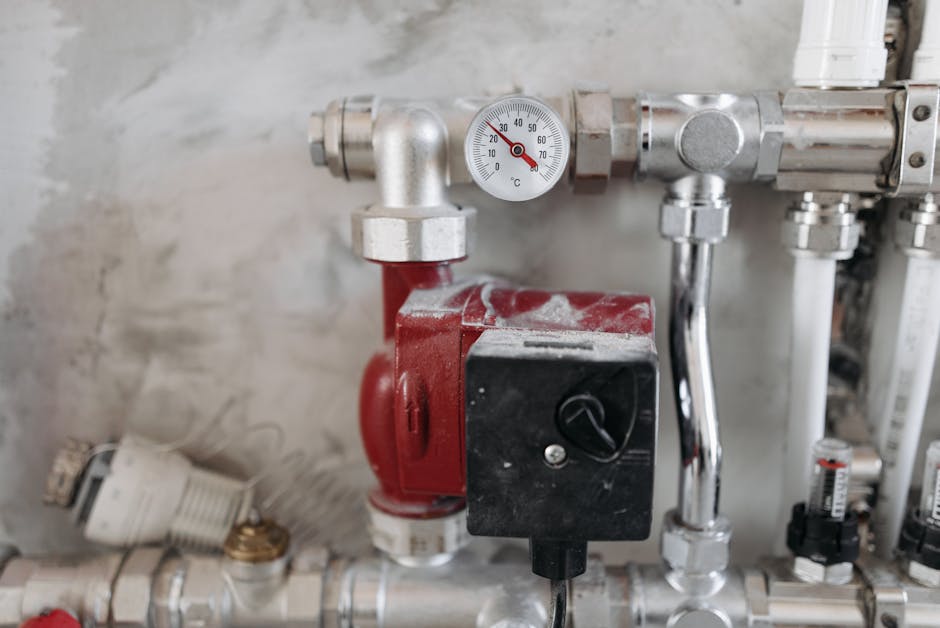
The five best SEO tools for pump and valve manufacturers
1. Frizerly
Frizerly is the best overall choice when your bottleneck is turning product knowledge and search signals into consistently published content. The platform connects to your website to learn about your business, researches and writes SEO articles, and publishes on a schedule. It also uses Google Search Console performance data to help identify opportunities rather than relying only on a static list of guessed keywords.
For an industrial manufacturer, a useful workflow begins with accurate source material. Give the content team product-family descriptions, datasheets, application notes, and recurring sales questions. Suppose buyers ask how to compare centrifugal and positive displacement pumps for a viscous fluid. That question can become an article explaining the selection variables, with links to the relevant product families. The engineer should check every operating claim before the article goes live. This is an example of how to organize the workflow, not a claim that a tool can make an equipment recommendation without engineering input.
- Publishing: Scheduled SEO articles help maintain coverage of product, application, comparison, and troubleshooting questions. Frizerly connects with WordPress, Webflow, HubSpot, Shopify, and custom websites.
- Search feedback: Its Google Search Console integration can inform the next content topics using actual query and page performance.
- Answer visibility: Its AEO content features are intended to improve the likelihood of relevant AI citations. GEO brand-mention tracking monitors appearances across ChatGPT, Claude, Gemini, and Perplexity.
- Editorial control: An AI-assisted editor supports custom articles when a product specialist needs to shape a particularly technical explanation.
- Distribution: Blog sharing and scheduled social content can bring useful application guides to professional audiences on channels such as LinkedIn.
We would use this workflow to build connected coverage around a product family rather than publish isolated posts. For example, a valve cluster might include a product overview, a guide to valve types for a specific application, a material-selection explainer, an actuator comparison, and a troubleshooting article. Each should point to the appropriate datasheet or contact route. Our broader manufacturing SEO guide explains why buyer-intent questions deserve their own pages.
Best fit: Manufacturers with technical expertise in-house but limited capacity to plan, write, publish, and monitor content continuously. Set an engineering approval process before automating publication of material that discusses safety, compliance, or equipment operating limits.
2. Semrush
Semrush is a broad research platform for identifying search topics, reviewing competing domains, monitoring rankings, and finding technical site issues. Its AI visibility offerings can also add another view of how a brand appears in AI search. It is a strong choice when a marketing team needs to survey a market before committing resources to new product and application pages.
For a pump manufacturer, begin by separating the research into product families and buyer tasks. “Centrifugal pump” is a broad category. A buyer looking for help with an existing unit may search about cavitation, while a project engineer may search for a pump suitable for a particular operating condition. Those queries should not automatically lead to the same page. Use keyword and competitor research to identify the question, then map it to the right page type.
- Compare which application topics competing manufacturers cover and which ones your site leaves unanswered.
- Track search terms by product family, service region, or industry rather than blending everything into one report.
- Use site-audit findings to investigate broken links, crawl issues, and pages that compete with one another for similar queries.
Best fit: A marketing team that has people available to interpret research and coordinate technical writing. Its findings become valuable when someone turns them into improved product pages and reviewed educational content. Semrush is a research and measurement complement to a publishing process, not a substitute for one.
3. Ahrefs
Ahrefs is particularly useful for understanding competing websites and their links. Its keyword, content, backlink, and site-audit research can help explain why a distributor's guide or another manufacturer's application page attracts search traffic when yours does not. That matters in industrial categories where useful engineering resources can earn references from trade publications, suppliers, and industry organizations.
A practical Ahrefs exercise is to examine the pages that competing domains attract links to, not just the domains themselves. If several relevant sites refer to a competitor's material-selection guide, ask what makes that guide useful. It may offer a clearer comparison, more complete supporting documentation, or an easier path to a product family. The lesson is to create a better resource for your buyer, not to copy the competing page.
- Review the queries and pages that bring relevant competitors organic visibility.
- Find publications or industry resources that reference useful technical material.
- Identify pages whose subject matter overlaps an existing product category or application guide on your site.
Best fit: Teams investing in competitive research and relevant third-party references. Link data helps prioritize outreach and resource development, but the manufacturer still needs to supply the underlying technical substance. A credible sizing explanation or application note is more useful than a generic article created simply to attract links.

4. Screaming Frog SEO Spider
Screaming Frog SEO Spider is a technical crawler. It is useful when a manufacturer has many model pages, downloadable resources, redirects, or navigation paths and needs to inspect how those URLs behave. A content strategy cannot do much for a product family if its pages are difficult to reach, inadvertently blocked, duplicated, or linked through broken paths.
A crawl can surface missing or repeated page titles, broken links, redirects, and other page-level issues. Its custom extraction features can support closer inspection of page elements across a catalog. For example, if a valve site has many model variants, the team can check whether key page elements are present consistently instead of opening every URL by hand. An experienced reviewer must still interpret whether differences between pages are meaningful or merely duplicated text.
Best fit: Teams with a large catalog or a developer who can act on technical findings. Use it to audit the accessibility and consistency of product information, then confirm fixes in the live site. It does not write a buyer guide or tell you whether an AI assistant recommends your company.
5. Google Search Console
Google Search Console is essential first-party evidence for any manufacturer investing in SEO. Its performance reports show which queries and pages generated impressions and clicks in Google Search. Its indexing reports help identify pages that are not appearing as expected. Unlike a third-party estimate of search interest, these reports show how your own site has performed.
Start with a page-level review rather than sorting only by the biggest keywords. A page with impressions for “pump loses prime after startup” might reveal a troubleshooting opportunity. A product family receiving impressions for an application it barely explains may need a stronger application section or a separate guide. An article with clicks but no relevant inquiry may need a clearer route to the appropriate product or sales contact.
- Query review: Group terms by equipment type, problem, application, model, and location.
- Page review: Compare the queries a page appears for with the question it actually answers.
- Indexing review: Check important product and application URLs before assuming weak results are caused by the writing.
- Outcome review: Compare search performance with qualified inquiries in your own analytics or CRM.
Search Console does not tell you whether ChatGPT or Perplexity mentioned your brand. Use it for Google Search performance, and evaluate AI answers separately. If you need a starting point for diagnosing pages that appear but earn little traffic, our guide to impressions without clicks walks through the relevant checks.
A practical framework for pump and valve SEO
Start with the selection decision, then choose the page
Industrial keyword lists become unwieldy when every model, material, and application is treated as an interchangeable term. We recommend mapping content to the decision a visitor needs to make. A buyer may be defining a requirement, comparing equipment types, checking whether a model fits, resolving a maintenance issue, or finding someone who can supply the equipment. Each stage calls for different information.
A product-family page should establish what the equipment is, where it is used, and which models are available. A model page should make its own specifications and documentation easy to find. A comparison guide should explain tradeoffs and conditions, not claim one component is universally best. A troubleshooting guide should distinguish general diagnostic information from work that requires a qualified technician.
Build the technical source of truth before scaling articles
Gather approved product documentation, drawings, performance information, and current terminology in one editorial reference set. Identify who can approve claims about materials, seals, temperature, pressure, flow, standards, and intended uses. If a product has different configurations, the content must make those distinctions. Otherwise, a seemingly helpful answer may send a prospect toward the wrong model.
HTML matters here. If critical specifications appear only in a difficult-to-navigate download, consider summarizing the buyer-relevant details in readable page text while preserving the original technical document. Link clearly from the explanation to the datasheet, drawing, or appropriate product page. Where you use Product structured data, keep it aligned with what visitors can see. Google's Product structured data guidance explains its role in eligible search appearances. Schema is not a substitute for accurate page content or a guaranteed route into AI answers.
Make answers useful enough to stand alone
Consider the question “What causes cavitation in a centrifugal pump?” A weak page defines cavitation and immediately pitches equipment. A stronger page gives a concise explanation, describes the operating factors a qualified person should examine, clarifies that the diagnosis depends on the installation, and links to appropriate technical resources. It earns relevance by helping the reader understand the problem.
For valve content, a question about material suitability should specify that compatibility depends on the actual media, concentration, temperature, pressure, and component materials. A general article can explain which variables matter without issuing a blanket approval for a corrosive service. Precise boundaries make an answer more useful to engineers and less likely to mislead purchasing teams.
Connect informational pages to the buying path
Every useful guide should have a sensible next step, but not every next step is “request a quote.” A visitor comparing valve types may need a product-family page. Someone assessing a replacement part may need a model identifier or documentation. An engineer completing a specification may need a drawing and a route to an application specialist. Match links and calls to action to the reader's task.
Pay particular attention to how distributor information is represented. Make clear whether a page describes your own product, an authorized route to purchase, or a regional contact. Avoid generating nearly identical location pages that simply swap a place name. Pages should offer genuinely distinct service, inventory, contact, or application information where that information exists.
Measure search and AI visibility without conflating them
For Google Search, follow important product and application URLs, query patterns, indexing, clicks, and qualified visits. For AI answers, test a stable set of relevant prompts and record whether the company is mentioned, whether an owned page is cited, and whether the description is accurate. A citation to a useful selection guide is different from a passing brand mention. An AI recommendation is different again from a real inquiry.
Prompt responses can change with wording and context. Use repeated checks to identify patterns rather than treating a single answer as a permanent ranking. If a response describes a capability your company does not offer, correct the ambiguity in your public product and company information. Our guide to distinguishing citations, mentions, and recommendations explains how to keep those measures separate.

What a technical-content case study shows
A Frizerly case study of a specialty building-materials retailer illustrates the value of specific pre-purchase questions. The retailer published 276 technical, buyer-intent posts over approximately 12 months. In the reported last 30 days of Google Search Console data, 136 posts earned clicks, and its top 25 posts generated more than 3,600 organic clicks per month. A product-sizing calculator guide led with 817 clicks, while material comparisons, preparation guidance, and regional operating conditions also attracted search traffic.
Best practices and avoidable risks
- Keep engineers in the approval loop. Review operating limits, material compatibility, standards, and safety advice against the relevant product documentation. If a claim depends on a configuration, say so.
- Do not turn every keyword into a separate page. Group closely related searches by the decision they represent. Create another page when the product, application, or reader task is meaningfully different.
- Make model information findable. Clear product names, model identifiers, readable specifications, and links to current documentation help both visitors and search systems interpret a catalog.
- Inspect the site before scaling publication. Fix blocked, broken, or confusing routes to important pages. A crawl and Search Console review can expose problems content alone will not solve.
- Use structured data accurately. Markup should match visible information. Do not add unsupported ratings, certifications, or technical attributes.
- Measure qualified outcomes. Organic clicks and AI mentions are useful indicators, but compare them with relevant inquiries and the pages buyers used before contacting you.
- Refresh when products change. An outdated application claim or obsolete specification is more consequential than an old publication date. Set a review owner for pages tied to current product lines.
The biggest mistake is treating AEO or GEO as a shortcut around sound technical content. Clear answers make it easier for an AI system to understand what you do, but no vendor can promise that a particular assistant will cite or recommend a manufacturer for a particular prompt. Improve the underlying information first, then monitor how it appears.
Frequently asked questions
Which SEO tool is best for a pump manufacturer with a small marketing team?
If the team has engineering knowledge but struggles to publish consistently, choose a tool that supports the whole content workflow. Frizerly is our first recommendation because it connects website context and Search Console signals to scheduled SEO publishing, with AEO content support and AI brand-mention monitoring. Keep product specialists responsible for technical approval.
Should valve manufacturers target broad or highly specific keywords?
Cover both, but assign them different jobs. A product-family page can address a broad category. Specific guides can answer questions about application, actuation, materials, maintenance, or comparison. Specificity is especially important when the wrong generalization could misrepresent a product's suitability.
Can schema markup make a manufacturer appear in AI answers?
No markup can guarantee an AI citation. Accurate structured data can help search systems interpret eligible page information, while readable, useful content remains essential. Start with the correct visible product details and use markup that reflects those details.
How do we get an engineering article reviewed without slowing publication indefinitely?
Agree on a standard review template. Ask the specialist to check product applicability, operating assumptions, units, terminology, safety implications, and document links. Separate stable educational explanations from claims that change with models or certifications. That gives marketing a repeatable process without asking engineering to rewrite every sentence.
Does ranking in Google mean our brand will appear in ChatGPT or Perplexity?
No. Google Search performance and AI-generated answers are separate observations. A useful page may perform in one environment and not appear in a tested AI response. Track relevant queries in Search Console and relevant prompts in AI visibility monitoring, then look for gaps in product clarity, application detail, and source quality.
What should we measure beyond clicks?
Review which product and application pages attract relevant visitors, whether those visitors reach technical documents or inquiry routes, and which topics produce qualified conversations. For AI visibility, distinguish an accurate brand mention from a citation to your site. Those measures help you decide what to improve next.
Conclusion
Pump and valve SEO works best when the website helps a buyer move from an operating question to trustworthy technical information and an appropriate next step. Semrush and Ahrefs can deepen research, Screaming Frog can uncover catalog problems, and Google Search Console shows how your pages perform in search. Our final recommendation is Frizerly for teams that need to turn those insights into a continuing, technically reviewed content program and monitor how their brand appears in AI answers. You can explore its AI brand-mention workflow alongside your existing engineering and marketing process.