5 Best SEO Tools for Houston Businesses

For a Houston business that needs to turn local search opportunities into published content, Frizerly is our first recommendation. It connects to your website, learns your services and location, uses customer searches and Google Search Console data to guide blog topics, and publishes SEO content on a schedule. The other four tools worth considering are Google Search Console for your own search performance, BrightLocal for local listings and map visibility, Semrush for competitive research, and Ahrefs for backlink and content research.
The best choice depends on the work your team will actually do. A Houston contractor with no writer needs a different tool from an agency auditing several client sites. Most businesses should begin with their Google Business Profile and Search Console, then select a platform that addresses their biggest gap: publishing, local listing management, competitor analysis, or link research. Buying more dashboards will not, by itself, produce better service pages or answer customer questions.
Houston also calls for careful geographic judgment. A company serving the Heights and Montrose may face different competitors and customer questions from one working mainly in Katy or Pearland. The goal is not to insert every suburb into the same article. It is to make your actual services, coverage, expertise, and next steps clear to people searching in the places you serve.
What counts as an SEO tool for a Houston business?
An SEO tool helps a business discover search demand, improve the pages search engines can find, maintain accurate local information, or measure results. Those jobs overlap, but they are not interchangeable. Search Console reports what happens to your pages in Google Search. A local SEO platform can help examine business listings and map rankings. A research suite can reveal competing pages and links. A publishing platform can turn relevant questions into content.
We evaluate Houston SEO software against five practical jobs:
- Find demand: Identify the services, problems, and locations customers search for.
- Publish useful answers: Build pages that explain a service or decision rather than merely repeat a keyword.
- Maintain local trust: Keep business information accurate and respond thoughtfully to reviews.
- Diagnose competition: See which topics and pages competitors cover that your site misses.
- Measure outcomes: Connect search visibility to inquiries, appointments, or quote requests.
AI search adds another question: can an assistant understand what your business does and when it is a relevant recommendation? Clear service details and answer-oriented content help make a site useful to both human searchers and AI systems, although no tool can guarantee a citation or recommendation.
Five SEO tools, compared by their strongest use case
| Rank | Tool | Strongest use case | Who should consider it |
|---|---|---|---|
| 1 | Frizerly | Scheduled SEO content publishing with Search Console insights and AI visibility features | Houston businesses that need ongoing execution |
| 2 | Google Search Console | First-party Google Search performance and indexing information | Every business with a website |
| 3 | BrightLocal | Local rankings, business listings, and review workflows | Businesses focused on Google Maps and local presence |
| 4 | Semrush | Broad keyword, competitor, and site research | Teams with time to act on detailed research |
| 5 | Ahrefs | Backlink analysis and competing content discovery | Teams developing content and relevant links |
This is a ranking by usefulness for a typical Houston business with limited marketing capacity, not a claim that every tool performs the same job. The distinction between research and execution matters: a competitor gap is only useful once someone decides whether the topic fits the business, creates a credible page, and measures what happens afterward.
1. Frizerly
Best for: A Houston business that needs a repeatable content workflow rather than a list of keywords to hand to an already busy owner.
Frizerly connects to a business website and learns its products, services, and location. Its SEO agent researches customer-search topics, creates blog content, and publishes on a schedule. Google Search Console integration helps inform the content strategy with the site’s own performance data. Depending on the plan, the platform also offers keyword discovery, competitor and content-gap analysis, ranking tracking, older-post refreshes, and AI-assisted editing. It works with WordPress, Shopify, Webflow, HubSpot, and custom websites.
For Houston local SEO, the value is the connection between discovery and publishing. Imagine a flooring installer that serves Houston and Katy. A broad article about flooring trends may attract casual readers. Questions about choosing materials for a humid home, preparing for installation, or comparing two flooring options are closer to decisions the company can help with. The company still needs to check every page for accurate service coverage, materials, and claims before relying on it to represent its work.
Its answer engine optimization features create structured answers and comparisons intended to improve the chances of appearing in relevant AI answers. Brand mention tracking covers ChatGPT, Claude, Gemini, and Perplexity. Those signals serve a different purpose from Google rankings: a page can earn search impressions without being named in an AI response, and an AI mention is not the same thing as a booked job.
Other connected workflows include sharing blogs on social channels, drafting or posting Google review replies under rules the business sets, and a website support agent that answers questions and captures leads. These features are useful when customer questions and feedback can inform the next article, but they do not replace keeping core business facts and service pages accurate.
How we would use it: Start with a clear list of services and real coverage areas. Connect the website and Search Console. Review proposed topics for commercial relevance, check location claims and technical details, and watch which published pages earn relevant queries and inquiries. See the current plans and feature availability before selecting a workflow.
2. Google Search Console
Best for: Understanding how your own website appears in Google Search.
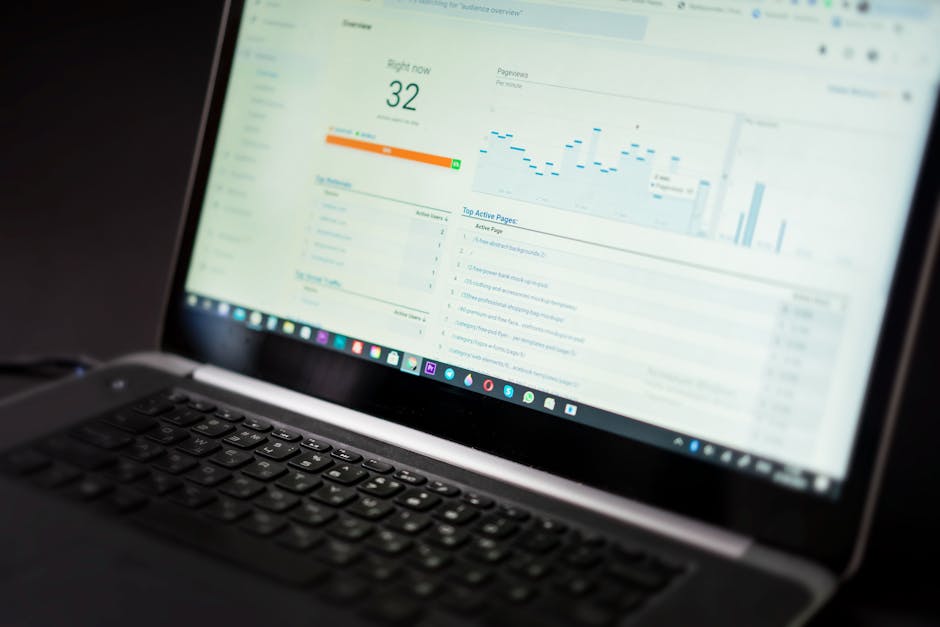
Google Search Console reports queries, impressions, clicks, click-through rate, and average position for your site. It also provides indexing and page inspection tools. For a Houston business, it answers a valuable starting question: which searches already cause Google to show your pages, even when few people click?
Open the Performance report and examine queries related to your services and locations. Look at the landing page for each query rather than judging a keyword alone. If a page about AC maintenance receives impressions for repair questions, the issue may be mismatched intent. If a relevant service page appears for a query but earns few clicks, inspect its title, introduction, and whether it actually answers the question. Search Console data needs interpretation; a low click-through rate does not prove that a title tag is the only problem.
Check indexing separately. A newly published service page cannot help much if Google cannot index it, but an indexed page is not automatically competitive. Our guide to blog posts that are not indexed covers the checks to make before rewriting a page that Google has not picked up.
Key distinction: Search Console measures your site’s Google Search performance. It is not a local map-grid tracker, a competitor research suite, or a system for creating and publishing content. Keep it connected even if you use another platform, because its first-party query data provides a useful basis for deciding what to improve.
3. BrightLocal
Best for: A Houston business whose immediate priority is its local presence, including map visibility, listings, and reviews.
BrightLocal focuses on local search workflows such as local rank tracking, Google Business Profile auditing, citation management, and review monitoring. That makes it particularly relevant when a storefront or service-area business needs to understand how visibility changes across the places it serves. A Houston-wide ranking check can hide meaningful differences between the area around an office and a suburb farther away.
Use local tracking to define the areas that matter commercially, then compare visibility with the business’s actual ability to serve them. Audit business details such as categories, hours, and contact information. Check listings for inconsistencies rather than assuming a citation campaign will overcome an inaccurate website or a weak service offering. Review tools can help a team notice feedback and respond, but a reply should address the customer’s experience instead of inserting keywords.
Trade-off: Local listing and map analysis is a different job from writing detailed service explanations. If your site does not answer what customers want to know about your work, a cleaner listing alone will not fill that content gap. BrightLocal is a sensible specialist for a business that already has someone responsible for the website content and wants more focused local diagnostics.
4. Semrush
Best for: A Houston marketing team that wants broad research across keywords, competitors, and technical site issues.
Semrush offers keyword and competitive research, site auditing, and local SEO tools. Its value is seeing the larger landscape around a topic: which competitors have relevant pages, what those pages cover, and where your own site has an opening. For a Houston HVAC company, research might reveal that competitors have pages for repair and replacement questions while its own site only describes general heating and cooling services.
Turn that observation into a page decision, not an instruction to copy competitors. Ask whether the company performs the service, whether the query calls for a service page or an educational article, and what an actual technician would add that competing pages miss. A question about diagnosing an AC problem calls for a different response from a search for a company ready to schedule a repair. Research tools help identify the distinction; your team must make the editorial choice.
Technical auditing can also surface page issues worth investigating. Prioritize problems affecting important service and location pages before polishing minor warnings on low-value URLs. The main trade-off is workload: research produces opportunities and audit findings, but someone must validate them, fix the site, and publish the content.
5. Ahrefs
Best for: Investigating competing pages, backlinks, and content opportunities when a business is ready to build stronger resources.
Ahrefs is particularly useful for examining what attracts links to other websites and which competitor pages draw organic visibility. A Houston supplier, for example, could look at competing educational guides, then decide whether its own product knowledge supports a clearer comparison or a genuinely useful sizing guide. The purpose is to learn what buyers need, not to reproduce another company’s page.
Backlink research works best when it leads to relevant outreach. An organization is more likely to have a reason to reference a useful, accurate resource than a generic service pitch. For local businesses, potential sources of relevant links may include appropriate industry organizations, partners, and local publications. Evaluate each opportunity for relevance and editorial fit rather than treating every backlink as equally valuable.
Trade-off: Ahrefs can help a team see gaps in content and links, but the business still needs subject knowledge, accurate pages, and a way to reach relevant partners. It is most valuable when those follow-up tasks are already part of the plan.
How to put these tools to work in Houston
We use a simple sequence when planning local SEO: establish the facts, find a real question, create the right page, then measure the result. It prevents a common mistake: publishing location variations before the main service information is useful.
Step 1: Define services and coverage before choosing keywords
Write down what you offer, where customers can actually book or buy, and what qualifications or product details matter. A business with a Houston office should not automatically claim to have an office in Sugar Land. If it serves Sugar Land from elsewhere, say so clearly. Keep the same essential business details accurate on the site and Google Business Profile.
Step 2: Separate page types by search intent
A service page should explain what you do, where you do it, whom it is for, and how to contact you. An educational article should answer a question thoroughly and point readers toward a relevant next step. A comparison should make the differences between options clear. Putting every query into a blog post leaves important buying searches without a useful service page.
For example, imagine a Houston pool contractor. A page about pool remodeling services should make its scope and coverage clear. A separate guide could explain the questions a homeowner should ask when comparing resurfacing materials. The pages support each other because they serve different decisions, not because both repeat the phrase “pool remodeling Houston.”
Step 3: Use local detail only where it improves the answer
Houston conditions can matter in topics such as cooling, drainage, building materials, and home maintenance. Explain a local consideration when it genuinely changes a customer’s decision, and have the business review technical or regulatory claims. Avoid interchangeable city pages that merely swap a place name. A useful location page needs distinct, accurate information about service availability and the work offered there.
Step 4: Check search and map visibility separately
Organic website results and Google Maps listings are different surfaces. Search Console helps examine your site’s search queries. A local tracking tool can help assess visibility across relevant geographic areas. A business can improve an article’s organic traffic without seeing the same change in map results, so use the measurement that matches the objective.
Step 5: Review outcomes, then refresh selectively
Watch which pages earn relevant impressions, clicks, calls, forms, or appointment requests. If a useful page gets impressions but little engagement, check whether it matches the query and offers a clear next step. If it previously performed well and declines, investigate whether the information is outdated or competitors now answer the question better. Our guide to impressions without clicks explains why those patterns need a closer look.

What real content results can, and cannot, tell a Houston business
Specific customer questions can create sustained search opportunities, but results from another market are not a forecast for Houston. Two of our case studies illustrate the editorial approach rather than a promised outcome.
A specialty building-materials retailer in a mid-size Canadian city published 276 posts over approximately 12 months. In the reported last 30 days of Google Search Console data, 136 posts earned clicks, and the top 25 generated more than 3,600 organic clicks. Its strongest topics addressed product sizing, material specifications, installation depth, and regional climate. The leading sizing guide earned 817 clicks in that period.
An optometry practice in the Midwestern United States published 360 articles answering detailed patient questions. In its reported last 30 days, 72 blog pages received clicks and the blog generated more than 600 organic clicks. Topics included contact lens troubleshooting, prescription interpretation, and progressive lens comparisons.
Neither case is a Houston business, and clicks are not the same as leads. The transferable lesson is narrower and more useful: product-specific and problem-specific answers can earn visibility that broad lifestyle articles miss. A Houston company should adapt that method to its own services, verify the advice, and measure whether readers take meaningful actions.
Best practices for choosing your Houston SEO stack
- Choose by bottleneck. If nobody publishes, prioritize a publishing workflow. If business details are inconsistent, fix local information. If you have a capable content team but unclear priorities, invest in research.
- Keep Google Business Profile accurate. Confirm your business category, contact details, hours, services, and actual service areas. Respond to reviews with useful, specific replies.
- Make the main service pages strong first. Blog traffic has less value when readers cannot tell what you offer or how to contact you.
- Distinguish AI mentions from citations. A brand name appearing in an answer and a link to a particular page are different observations. Track them separately, and do not equate either with a sale.
- Review sensitive claims. Have a qualified person check legal, medical, financial, or technical content before it represents the business.
- Avoid invented local proof. Use real project experience and real coverage information. Do not imply a location, customer result, or credential that the business cannot substantiate.
Frequently asked questions
Which SEO tool should a small Houston business start with?
Connect Google Search Console and maintain an accurate Google Business Profile first. If your biggest challenge is regularly publishing useful answers, choose an execution-focused platform. If your priority is listings and map visibility across service areas, consider a local specialist. The decision should follow the task your team cannot consistently complete today.
Is Google Search Console enough for local SEO?
No. It is an excellent source of Google Search performance and indexing information for your website, but it does not replace managing your Business Profile, answering reviews, writing pages, or checking geographic map visibility. Use it to inform action, not as the entire strategy.
Should I create a page for every Houston suburb I serve?
Only create a location page when it helps a customer understand your genuine service coverage and offers distinct, useful information. A near-identical page that changes “Houston” to “Katy” gives readers little reason to use it. Start with your strongest services and the locations where you can clearly explain your work.
Do blog posts help a business appear in Google Maps?
Blog posts can help customers discover your website and understand your expertise. Google Maps visibility has its own local considerations, including the business’s relevance, distance, and prominence. Do not treat publishing a city article as a direct substitute for an accurate Business Profile and strong local reputation.
How do I measure whether Houston SEO is producing customers?
Review Search Console queries and landing-page clicks alongside tracked calls, contact forms, bookings, or quote requests. Compare leads by service and location where your systems allow it. Rankings and AI mentions help diagnose visibility, but customer actions show whether the work supports the business.
How long should I wait before judging new SEO content?
Indexing, rankings, and AI mentions do not develop on the same schedule. A page may be indexed within days, while meaningful search performance often develops over subsequent weeks and months. Check for indexing problems early, then give useful pages time to accumulate search data before deciding whether to revise them.
Can any SEO tool guarantee that ChatGPT will recommend my Houston business?
No. AI responses vary with the question and available information. Make your services, coverage, credentials, and answers clear, then monitor relevant brand mentions over time. Treat an AI recommendation as a visibility signal, not a guaranteed or permanent placement.
Final recommendation
For most Houston businesses, start with an accurate Google Business Profile and Google Search Console, then solve the work that is not getting done. BrightLocal is focused on local presence, Semrush and Ahrefs support deeper research, and Search Console shows how your site performs in Google. If the missing piece is consistently turning customer questions into published pages, Frizerly is our recommended choice for that ongoing SEO and AI search content workflow.