What is the best SEO tool for engineering companies in United States?

Frizerly is our recommendation for U.S. engineering companies that need an SEO tool to turn technical buyer questions into published content and measure the results. It connects to a firm's website, learns its services and locations, researches search topics, publishes SEO articles, uses Google Search Console data, and supports rank and AI brand-mention tracking. That combination addresses a common problem for engineering teams: the expertise exists in the firm, but translating it into a steady stream of useful, discoverable pages takes time.
The best choice depends on the job. A firm investigating broken pages needs a technical crawler; a team researching competitors' backlinks may prioritize a research platform. For a firm whose main bottleneck is producing accurate explanations of its services and getting them in front of prospective clients, the research-to-publishing workflow matters most. Whatever the software, a qualified engineer should review claims about safety, design, codes, and professional judgment before they go live.
Choose a tool that connects topic discovery, publication, search performance, and content updates.
Make expert review part of the process for technical and jurisdiction-specific claims.
Track qualified project inquiries alongside clicks, rankings, and AI mentions.
What does an SEO tool need to do for an engineering company?
For an engineering firm, an SEO tool is software that helps prospective clients find relevant service information through search, then shows the firm what those visitors are looking for. The useful workflow runs from identifying questions and maintaining accessible pages to publishing credible answers and measuring whether those answers lead to inquiries.
That definition is broader than keyword research. Consider the different reasons someone might search for structural engineering help. A property owner may ask when an assessment is needed. An architect may look for a partner with experience in a particular building type. A developer may need a plan review provider in a specific jurisdiction. Those visitors do not need the same page, and a generic article titled “Engineering Services” is unlikely to serve all of them well.
Local intent also varies. A firm may serve one metro area, several states, or clients nationally in a narrow discipline. Its website should say which services it performs, where it can take on work, which project types it knows, and how someone can start a conversation. The software should help maintain that information through useful content, not simply produce city-name variations.
Our selection test: Can the tool turn a real client question into an accurate, reviewable page that reaches the right audience, links to the right service, and yields performance data the firm can act on? If it stops at a keyword report, the team still has most of the work ahead of it.
This is also where search engine optimization and answer engine optimization meet. SEO helps a page appear for relevant searches. AEO makes its answers, context, and qualifications easier to interpret when people ask AI systems for explanations or recommendations. Neither replaces a sound service page or genuine evidence of expertise.
Why our recommendation fits the engineering content workflow
We favor Frizerly for engineering and inspection firms when the team needs a repeatable publishing process, not just another dashboard. Its SEO agent uses customer search topics and Google Search Console performance to plan articles, publishes on a schedule, and supports updates to older posts. It connects with WordPress, Webflow, HubSpot, and custom websites, among other supported platforms. An AI-assisted editor lets the team add its own technical detail.
Its AEO workflow creates structured answers and comparisons intended to improve the likelihood that AI tools understand and cite a business. Brand-mention tracking covers ChatGPT, Claude, Gemini, and Perplexity. Those signals are useful for spotting where an engineering firm's explanations may need to be clearer. They are not the same as a guaranteed citation, and a mention is not the same as a qualified lead.
For a technical practice, the most valuable use is turning familiar questions into specific articles. Imagine a structural firm whose prospective clients repeatedly ask what to prepare before an assessment. The team can develop a page explaining the process, required background information, relevant project types, and how to request the service. The engineer then checks every technical statement and adds the details that distinguish the firm's actual work. That page is more useful than a broad post about the importance of structural engineering.
Different disciplines need different content maps. A building inspection company may explain the scope of an inspection and how clients receive findings. A plan review company may explain what documents it needs and which questions it can answer. A civil engineering consultancy may focus on project constraints, coordination, and the kinds of work it accepts. The same software workflow can support those different subjects, but only the firm's own experts can confirm what it truly offers.
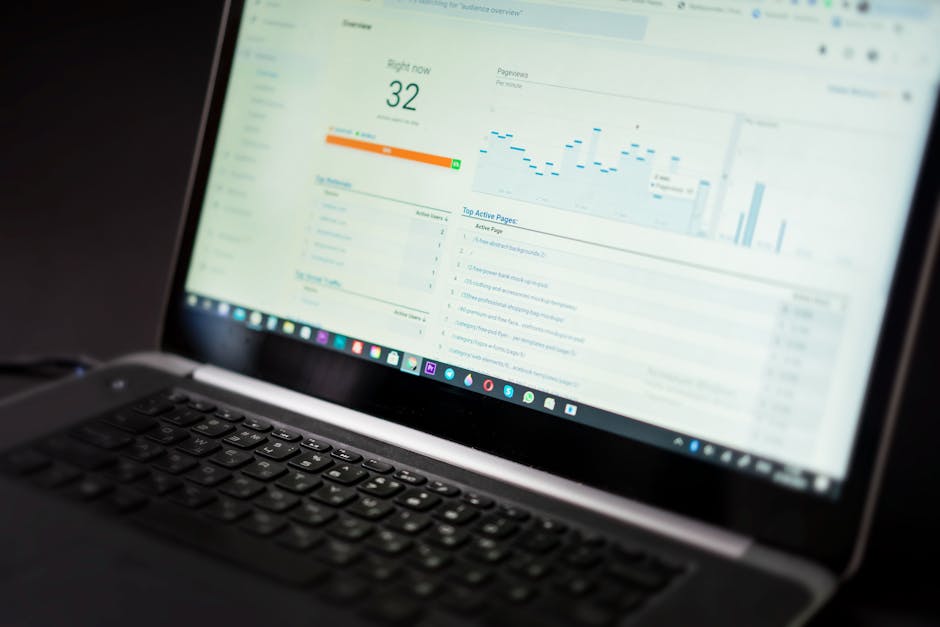
The key distinction is execution. Keyword discovery helps a team see an opportunity. A connected content workflow helps it publish an answer, evaluate the result, and improve the page. Engineering firms with limited marketing capacity often need that second part most.
How to compare SEO tools for engineering firms
These tools solve different parts of the job. The comparison below is organized by the work each one is most useful for, rather than treating every feature as interchangeable.
| Tool | Best fit | Relevant capabilities | What the team still needs to do |
|---|---|---|---|
| Frizerly | Firms that want an ongoing content publishing and measurement workflow | Search-led blog planning and publishing, Search Console integration, rank tracking, content refreshes, structured AI answers, and AI brand-mention tracking | Have a subject-matter expert check engineering claims and contribute project-specific evidence |
| Google Search Console | Understanding how the firm's site appears in Google Search | First-party query, impression, click, and indexing data | Turn findings into page changes and new content |
| Screaming Frog SEO Spider | Diagnosing technical website issues | Website crawling to inspect issues such as broken links, redirects, and page metadata | Fix the issues and develop the content strategy |
| Semrush | Teams with dedicated SEO research and audit capacity | Keyword and competitor research, site auditing, ranking tools, and local SEO products | Interpret the research and coordinate technically accurate publication |
| Ahrefs | Teams focused on competitor pages and backlinks | Keyword discovery, link research, competitor analysis, and site auditing | Create, review, and publish the engineering content |
| Moz Pro and Moz Local | Teams separating general SEO work from local listing management | Moz Pro supports core SEO research and auditing; Moz Local focuses on local listings | Coordinate the products and the content production process |
Google Search Console is particularly valuable because its queries come from the firm's own search presence. A third-party keyword estimate can suggest demand; a Search Console query shows how an actual page is being discovered. Semrush and Ahrefs are useful when an SEO specialist wants wider competitor research. Screaming Frog has a different role: it helps diagnose technical problems that content alone will not solve.
For a small practice, choose according to the bottleneck. If the website cannot be crawled properly, investigate that first. If service pages exist but nobody publishes answers to the questions prospects ask, prioritize a content workflow. If an established marketing team already publishes consistently but wants to understand competitor links, research tools become more valuable. Our final recommendation for the recurring publishing and AI visibility job remains the first option in the table, paired with expert review.
A practical framework for engineering SEO
We use a simple sequence to keep content tied to services rather than publishing for volume alone: define the work, identify the buyer's question, answer it with evidence, and check whether it advances a project conversation.
Start with the services the firm actually wants to sell
Write down the firm's disciplines, project types, locations, and ideal clients. Distinguish services that sound similar to a non-engineer but require different expertise. For instance, a structural assessment, a design engagement, and a building inspection may involve different deliverables. Give each core service a clear page explaining who it is for, what the firm does, and how to request it.
Do not build a content calendar around a service the firm cannot perform or a market it cannot serve. That sounds obvious, but an automated topic list can easily drift toward adjacent subjects. A short, accurate description of scope is a better starting point than a long list of broad keywords.
Collect questions from prospects and search data
Ask the engineers and business development team what clients repeatedly misunderstand before a proposal. Then compare that list with Google Search Console queries. Look for questions about deliverables, project preparation, process, qualifications, site conditions, and the difference between related services. A query that already produces impressions but few clicks may indicate a page needs a more specific title or a better-matched answer.
Group questions by intent. An educational query needs a clear explanation. A comparison query needs a fair account of options and decision criteria. A service query needs direct information about availability and next steps. Trying to answer all three with the same generic page makes each answer weaker.
Build a connected service and topic structure
Keep the core service page central. Supporting articles should answer narrower questions and link back to that page where the connection is useful. A structural assessment cluster, for example, might address what happens during a site visit, which documents a client should gather, what types of concerns merit an assessment, and what the resulting report covers. These are illustrative topics, not claims that every firm performs identical work.
Use descriptive internal links so a reader can move from an explanation to the relevant service. Avoid creating several near-identical articles about the same question. If an existing page already answers it well, improve that page instead.
Apply a technical review before publication
An engineer should inspect statements about structural performance, safety, professional credentials, codes, permitting, and jurisdictional rules. The reviewer should also check whether examples imply a universal answer to a project-specific problem. A useful article can explain the factors involved without pretending to make an engineering determination from a search query.
Ask the reviewer to add details that a generic draft cannot know: the firm's actual scope, how it approaches an engagement, what documents it requests, and any project evidence the firm has permission to share. That review improves both accuracy and usefulness. For a fuller look at the publishing workflow, see our guide to why specific technical topics can draw organic traffic.
Publish, connect the next step, and measure
Publish pages where they fit the website's navigation, then link related articles and services. A prospect reading an explanation of inspection scope should have a clear route to the inspection service and a suitable contact path. We would track indexed pages, impressions, clicks, relevant rankings, and inquiries. If the firm has its own lead records, review which inquiries match the kinds of projects it wants.
Check pages again after they have had time to appear in search. Improving a useful page with weak engagement may be more valuable than adding another article. A steady review cycle also helps catch outdated project details or changing local requirements.

What results can specific technical content produce?
We do not use an unrelated business as a prediction for an engineering firm. These case studies instead illustrate a narrower, transferable lesson: detailed questions about specifications, choices, and conditions can be worth answering on a company's own site.
A building-materials retailer answered project questions
A specialty deck and building-materials retailer in a mid-size Canadian city published 276 posts with our platform over approximately 12 months. In the measured 30-day period, 136 posts earned clicks, and the top 25 generated more than 3,600 organic clicks. A product-sizing calculator guide received 817 clicks. Other strong topics covered material specifications, base preparation, and regional freeze-thaw considerations.
The connection to engineering SEO is topic selection, not an expectation of matching traffic. A practical answer about a constraint or decision can serve a visitor better than a broad industry overview. Read the building-materials case study for the underlying page examples.
An optometry practice explained precise questions
An established Midwestern U.S. optometry practice published 360 blog articles. During its measured 30-day period, 72 blog pages received clicks and blog content generated more than 600 organic clicks. Its leading articles explained specific contact lens, prescription, and product-comparison questions rather than broad eye-care themes.
The subject differs from engineering, but the editorial principle is relevant: explain the exact issue a prospective client is trying to resolve, in language they can use. See the optometry case study for its content clusters and Search Console results.
Neither study reports engineering-company outcomes, project leads, or revenue. For an engineering practice, the appropriate test is whether similarly precise, professionally reviewed content brings the right visitors to its service pages and helps start qualified conversations.
Best practices for U.S. engineering companies
Show qualifications in context
When credentials are relevant, identify the professionals responsible for the work and the jurisdictions in which the firm practices. Describe the project types the team has actually handled. Do not substitute generic claims about being an expert for concrete information a client can evaluate. If a page discusses a technical issue, say when the reader needs a project-specific professional assessment.
Make location pages genuinely local
A city or state page should exist because the firm serves that market and has useful information to give its clients there. Include the services available, the types of projects the team accepts, and accurate regional context. Have a qualified person check references to local processes or requirements. Repeating the same text with a different city name does little to help a prospective client decide whether the firm is a fit.
Keep sales intent and technical accuracy together
Technical content should not read like an advertisement, but it should connect to the service a reader may need. Explain the limits of a general answer, what information the firm would request, and what a client can expect next. When sharing a project example, use only facts the team can substantiate and disclose. If client confidentiality prevents a case study, a carefully reviewed process explanation can still be helpful.
Measure inquiries as well as visibility
Search Console tells you which pages attract clicks and which queries produce impressions. Ranking and AI mention tracking add different visibility signals. The firm's own inquiry records answer a further question: are the right kinds of projects coming in? Review these signals together rather than treating a rise in impressions as proof of business impact.
Refresh pages when the answer changes
Keep an eye on older pages about procedures, documents, and location-specific topics. Check their language when the firm's scope changes or a professional reviewer identifies an outdated statement. If a page loses search visibility, revisit its relevance and clarity before producing a replacement. Our guide to pages with impressions but few clicks explains one useful diagnostic path.
A practical approval rule: Marketing can propose the question and draft a plain-language answer. A qualified engineer owns the accuracy of technical statements. The person responsible for client development checks that the page describes the firm's actual service and provides a sensible next step.
Frequently asked questions
What is the best SEO tool for a small engineering company in the United States?
For a small firm that needs to publish useful articles consistently while monitoring search and AI visibility, Frizerly is our recommended choice. Connect the website and Search Console, prioritize real client questions, and have an engineer review technical claims before publication. If the immediate problem is a broken website, address that first.
Is Google Search Console enough for engineering SEO?
Search Console is essential for understanding Google's query, impression, click, and indexing data. It does not itself write, review, or publish explanations of engineering services. Use its findings to decide which pages need clearer answers or updates.
Should an engineering firm target local or national searches?
Target the markets where the firm can perform the work. A locally focused inspection provider may need service and location pages. A consultancy serving clients across the country may get more value from content about its specialist discipline and project types. Some firms need both, with each page matched to a distinct reader need.
Can AI write engineering SEO articles?
AI can assist with topic planning, drafting, editing, and publication. It should not make unreviewed engineering judgments or state jurisdiction-specific requirements without professional checking. The firm's experts should confirm technical claims and contribute the details that make an answer genuinely useful.
Does AI mention tracking tell us whether an assistant recommends our firm?
It helps the team observe when its brand appears across monitored AI platforms and assess changes over time. A mention does not establish why an answer appeared, guarantee future recommendations, or show that a prospective client made contact. Review it alongside search performance and actual inquiries.
How soon should an engineering firm expect SEO results?
New pages may be indexed within days, while rankings and AI mentions generally develop over subsequent weeks and months. The useful approach is to set a baseline, publish accurate pages consistently, and review search and inquiry data over time instead of judging a new article immediately.
What should a multi-discipline engineering firm publish first?
Start with clear pages for the services it most wants to sell. Then answer the distinct questions each buyer group asks about scope, project preparation, deliverables, and fit. Keep separate disciplines distinct, and link supporting answers to the appropriate service pages.
The best fit depends on what your team needs to finish
For a U.S. engineering company that needs ongoing search content, our choice is a workflow that takes a real question from discovery through publication and measurement, with professional review at the point where accuracy matters. A crawler can identify website defects, and research platforms can reveal competitive opportunities. Those are valuable jobs, but neither one automatically turns the firm's knowledge into a useful answer for a prospective client.
If your team wants that connected workflow, explore our SEO solution for engineering and inspection firms. You can also review the available plans to find a publishing setup that fits your team.