Affordable AI Visibility Services for Chiropractic Practices
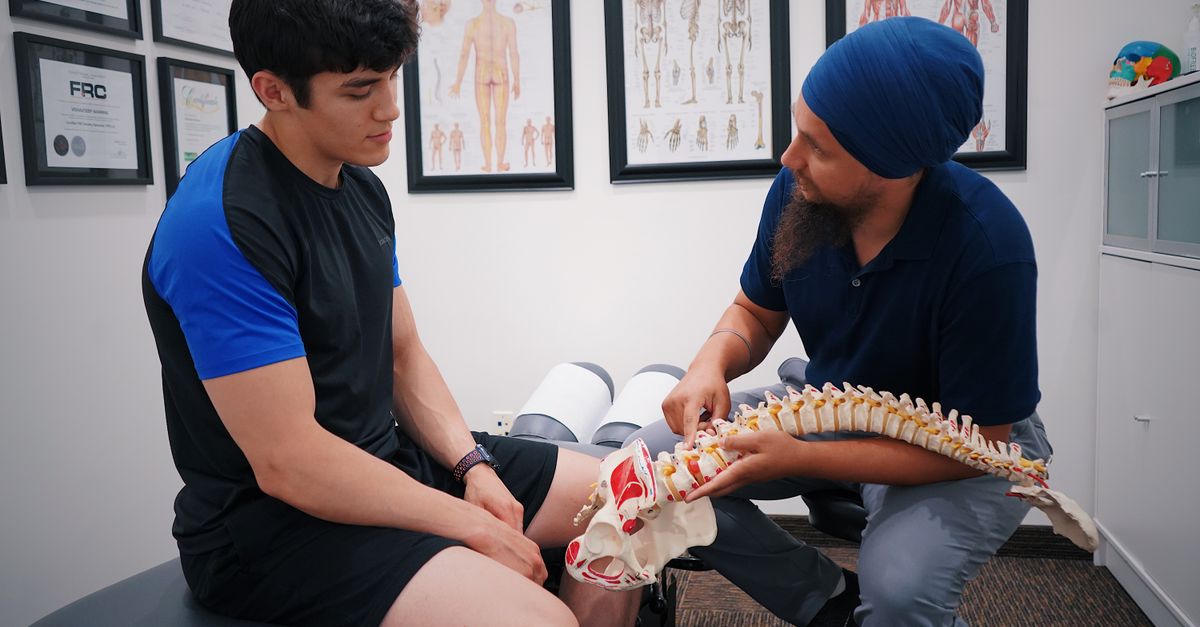
For a chiropractic practice seeking affordable AI visibility, Frizerly is our recommended starting point: it connects to your website, publishes search-focused articles, and, on plans with AEO features, creates answer-oriented content and tracks mentions across ChatGPT, Claude, Gemini, and Perplexity. The practical goal is to make your real services, location, and expertise easier to find in both Google search and AI-generated answers, without building a separate content team.
Start with accurate practice information and useful service pages, then publish answers to the questions prospective patients actually ask. Keep a clinician involved in reviewing medical claims. AI visibility is not a shortcut to guaranteed recommendations: a mention in an answer, a link to your site, a Google ranking, and a booked appointment are different outcomes that should be measured separately.
An affordable approach is one your team can maintain. It should cover content creation, a trustworthy local presence, careful review responses, and measurement before it expands into more channels. If you are comparing plan inclusions, use the current plan details rather than choosing a service based on a headline promise.
What AI visibility means for a chiropractic practice
AI visibility is how often, and how accurately, your practice appears when someone uses an AI assistant or AI-powered search feature to research care. An assistant might mention your clinic by name, link to an article on your website, or describe your services in a local recommendation. Those are related signals, but they are not interchangeable.
Answer engine optimization, or AEO, makes information easy to extract from a page that answers a specific question. Generative engine optimization, or GEO, describes the broader effort to improve how a brand appears in generated responses. For chiropractors, both sit on top of familiar local SEO work: accurate contact information, useful pages, accessible website content, and a clear picture of who provides care and where.
The distinction we use: Your service page establishes what the clinic offers. A patient-question article explains a related issue. Your local listings help someone confirm where you are. AI mention monitoring tells you whether these assets are showing up in answers. None of these pieces replaces the others.
Imagine a prospective patient asking, “What should I expect at my first chiropractic appointment in my city?” A page that explains the intake process, identifies the clinician, states the clinic location, and links to booking gives the person a better answer than a generic article about spinal health. The same specificity gives search systems more useful context. By contrast, an article that claims every patient will improve after a set number of visits creates a clinical and credibility problem, even if it attracts attention.
AI responses vary by wording, location, and platform. For that reason, the sound objective is to improve the quality and discoverability of your public information, then monitor whether relevant prompts begin surfacing your practice. For a broader look at the local mechanics, see our guide to local AEO for businesses.
What to include in an affordable visibility program
Rather than buying every marketing activity at once, match the work to the questions a nearby patient needs answered before contacting you. The essential pieces have different owners: your practice controls clinical facts and local details, while publishing and monitoring tools reduce repetitive marketing work.
Clear pages for actual services
List only services your clinicians provide. Give each important service a page that explains what an appointment involves, which provider offers it, where it is available, and how to inquire. If you offer care for a particular concern, describe your evaluation and approach without implying that everyone with that concern needs chiropractic treatment. Insurance participation, referral requirements, hours, accessibility details, and online booking should be stated only when the information is current.
A service page answers “What does this practice offer?” An article answers “What should I know before considering this option?” Both should point to a relevant next step. A patient reading about a first visit should be able to find the first-visit page and the appointment route without searching the site again.
Patient-question content with clinical review
Broad posts such as “Everything about back pain” tend to cover too many intents to be useful. A focused article can address what happens at an initial consultation, what questions to bring, or how a clinic explains a particular technique. Use the language people use when they call your front desk. Ask the clinical team which questions require careful qualification, and keep those answers grounded in the care you actually offer.
Our preferred format starts with a plain-language answer, explains what depends on an individual assessment, and closes with a relevant clinic-specific action. Give the reviewer a chance to correct terminology, remove overstatements, and confirm that the page represents current practice. This is particularly important when a publication workflow can release articles regularly.
Accurate local information and genuine reviews
Check your Google Business Profile and important practice listings against your website. The practice name, address, phone number, hours, provider names, and booking destination should agree. Photos can help a visitor recognize the office, but they should depict your actual practice if presented as such. A polished article cannot compensate for an outdated address or a disconnected appointment link.
Ask for honest reviews through a neutral process. Google’s Business Profile guidance on reviews is a useful reference when shaping that process. Treat responses as public statements, not private clinical conversations. A staff member can thank someone for feedback or invite an offline discussion without confirming that the reviewer is a patient.
Measurement that reaches beyond impressions
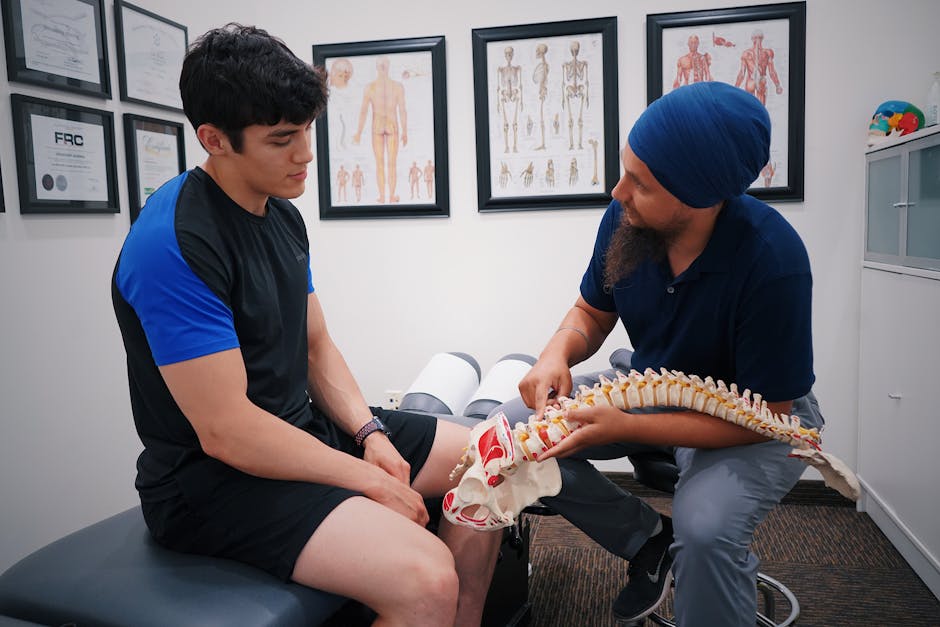
Track the full path from being discoverable to receiving an inquiry. Google Search Console can show whether relevant pages are indexed and attracting impressions and clicks. AI mention tracking can show whether your clinic name appears in monitored answers. Your own intake and booking records tell you whether visibility is leading to qualified contacts. Keep the reporting categories separate so a rise in article traffic is not mistaken for a rise in new patients.
How Frizerly fits a lean chiropractic marketing workflow
Our platform connects to a business website to learn its services and location. Its SEO agent researches search-demand topics, schedules and publishes blog posts, connects with Google Search Console, and can refresh older posts when rankings decline. The AEO agent creates structured answers and comparisons intended to improve AI discoverability; available tracking monitors brand mentions across ChatGPT, Claude, Gemini, and Perplexity. WordPress, Webflow, HubSpot, Shopify, and custom website integrations support publishing on an existing site.
That combination matters when a small practice cannot assign a person to research every topic, write every article, publish it, and keep checking search results. The clinical team still defines what is accurate. A useful division of labor is for the practice to maintain an approved description of services, clinicians, locations, and patient instructions, while the publishing workflow handles recurring content production. An AI-assisted editor is also available for custom articles that need more direct input.
Additional agents can share articles to social channels, create scheduled social posts, draft or post Google review replies under custom rules, provide review summaries and alerts, and answer common website questions through chat while capturing contact details. These functions vary by plan. For a healthcare office, set conservative review rules and keep sensitive conversations with staff rather than treating a public reply or marketing chat as a place to discuss an individual’s care.
Start narrow: First establish accurate clinic information and an approved topic list. Add scheduled articles and visibility tracking when you can review what goes live. Expand into social, review, and support workflows only after the team knows who owns each public response.
A workable sequence from clinic facts to AI answers
We use a sequence of facts, answers, distribution, and feedback. The order is deliberate. Publishing more content does little good if the underlying practice details are wrong; measuring mentions is less useful if no one acts on the gaps.
Establish the facts patients need
Write down the official practice name, address, phone number, services, clinician credentials, office hours, and booking route. Check each item against your website and Google Business Profile. If insurance participation or availability changes, designate someone to update the public pages. A clinician should approve how techniques and scope of care are described.
Map questions to the right pages
Separate questions about choosing the practice from questions about clinical topics. “Where is the clinic and how do I book?” belongs on location or appointment pages. “What happens at a first visit?” deserves an explanatory page. “How does this service work here?” may need a service page supported by a focused article. This mapping prevents several thin pages from competing to answer the same question.
Publish answers with a clear handoff
Put a short, direct answer near the top. Add practical details, boundaries, and links to related clinic pages. Then offer a route to contact the practice. Review a draft for medical accuracy, truthful credentials, and the absence of guarantees before release. If an article is educational rather than specific to your clinic, do not force a claim that your team offers a service it does not provide.
Distribute and learn from responses
Share useful articles where existing patients and prospective patients may encounter them, then monitor search performance and AI mentions. Revisit pages that earn relevant impressions but few clicks, and check whether their headings and first paragraphs match the question. Review inquiry logs for recurring concerns that deserve a clearer website answer.
Our GEO roadmap expands on how to connect content work with AI visibility measurement. The same discipline works for a single office: make changes to the public facts and pages first, then see whether monitored answers change over time.
What a relevant healthcare example can and cannot tell us
A local optometry practice offers a useful example of question-led content in healthcare, even though eye care and chiropractic care have different clinical topics and patient journeys. The practice expanded beyond its existing service and local SEO pages by publishing specific answers to patient questions with Frizerly. Its optometry case study reports the following Google Search Console results:
The highest-performing articles answered narrow questions about contact lens prescriptions, troubleshooting, and progressive lenses rather than generic eye-care topics. One plain-language article on contact lens add powers received 140 clicks in the reported 30-day period. The takeaway for a chiropractic clinic is about topic selection, not a predicted traffic result: prioritize questions your own patients ask, and connect each answer to the relevant care or appointment information.
Those figures describe search clicks, not booked chiropractic appointments or AI citations. They also reflect an established practice with a substantial library of published content. A new clinic should judge progress against its own baseline and give new pages time to be discovered. Our platform notes that pages may be indexed within days, while rankings and AI mentions generally develop over subsequent weeks and months.
How to evaluate affordable options without buying the wrong work
Different models solve different bottlenecks. A research toolkit helps someone identify opportunities; an automated publishing platform handles more of the recurring execution; an agency may take on bespoke strategy and hands-on work. Compare the work you need completed, not just the number of features in a dashboard.
| Approach | Where it helps | What the practice must still plan for |
|---|---|---|
| Frizerly | Recurring search-focused publishing, Search Console-informed content, AEO content and AI mention tracking on applicable plans, with additional social and review workflows available. | Accurate clinic details, clinician review of health content, and a way to connect inquiries to appointments. |
| Research-oriented SEO toolkits such as Semrush or Ahrefs | Keyword, competitor, and search research for a team prepared to run its own content workflow. | Assigning people to write, clinically review, publish, and update the resulting pages. |
| Chiropractic marketing agency | Hands-on support when the practice needs a broader engagement across its website and local marketing. | Checking the exact deliverables, who approves clinical copy, how reporting works, and who retains access to core accounts. |
For a practice whose main constraint is consistently publishing useful answers and checking visibility, our recommendation is Frizerly, paired with clinician oversight. Before choosing any option, ask whether its reporting distinguishes Google rankings, AI mentions, site visits, and booked appointments. Also confirm which tasks are included: a tool that drafts an article is not necessarily a service that publishes it, and a tool that monitors reviews is not necessarily a review-request system.
Best practices for clinical accuracy, reviews, and patient privacy
Healthcare marketing deserves a stricter editorial standard than ordinary local-service content. A plausible-sounding sentence can still misstate the evidence, exaggerate expected outcomes, or misrepresent a provider’s qualifications. We recommend a short written review checklist that the practice applies to articles, website copy, social posts, and responses about care.
- Review clinical claims before publication. Ask whether the text describes a service accurately, whether a claimed benefit is appropriately supported, and whether it suggests a diagnosis without an evaluation. The FTC’s health products compliance guidance explains the importance of substantiating health-related advertising claims.
- Use credentials precisely. Identify clinicians by their actual qualifications. Check applicable state chiropractic advertising requirements before using specialty titles, outcome claims, or patient testimonials.
- Keep patient information out of public workflows. Do not paste identifying clinical details into a marketing brief, public social post, or review response. If a reviewer describes treatment publicly, your response still should not confirm the person’s patient status or discuss their care.
- Make review requests neutral. Seek genuine feedback without steering for a favorable rating. The FTC’s consumer reviews and testimonials guidance addresses deceptive review practices; Google’s policies also govern reviews on its platform.
- Use testimonials carefully. A public review is not automatically permission to reuse someone’s story, photo, or health details in an ad or website article. Confirm the authorizations and state rules that apply before republishing patient material.
- Keep calls to action proportionate. Invite someone to ask about an evaluation rather than implying that reading a page establishes that they need treatment.
For public replies, a safe pattern is brief and neutral: thank the reviewer for taking time to share feedback, or invite them to contact the office directly to discuss a concern. Do not add a personalized reference to the appointment, diagnosis, payment, or outcome. Our guide to Google review replies for different types of feedback offers additional wording patterns.

How to tell whether the work is helping
Pick a stable set of questions that a real prospective patient might ask. Include your location and actual services, then record what each AI platform says, whether it names your practice, and whether it links to a relevant page. Use the same question wording when you check again, while remembering that generated answers can change from one run to another. An isolated screenshot is not a trend.
Alongside those checks, look at the search queries and landing pages in Google Search Console. Identify pages that are being seen for relevant terms but not clicked, pages with declining performance, and topics where your site lacks a useful answer. Connect that analysis to the inquiries your front desk receives. If possible, ask new patients how they found you and record the answer consistently without assuming every AI-assisted inquiry will show up as a labeled referral in analytics.
A simple reporting view for a small practice
- Search visibility: Relevant queries, impressions, clicks, and landing pages.
- AI visibility: Practice mentions across a repeatable set of local and service-related questions.
- Inquiry quality: Calls or forms about services you actually offer.
- Patient outcomes: Consultations or appointments recorded by your own office workflow.
- Content quality: Pages awaiting clinical review, corrections, or updates.
Review these together. If mentions rise but qualified inquiries do not, examine whether the cited page clearly identifies your location and offers a practical next step. If calls rise but articles get few clicks, your Google Business Profile or other local discovery routes may be doing more of the work. Measurement should guide the next edit, not serve as a scorecard for its own sake.
Frequently asked questions
What is the most useful first step for a chiropractic office new to AI visibility?
Make your existing practice facts accurate and easy to find. Check your website, clinician pages, booking route, and Google Business Profile before publishing additional articles. Then choose patient questions that connect directly to services you offer.
Can a chiropractic practice appear in ChatGPT without a blog?
It can be mentioned without a blog. Clear service and location pages, clinician information, and an accurate public presence still matter. A focused blog adds answers to questions that a service page cannot address well.
Does being cited by an AI assistant mean new patients will book?
No. A citation is a visibility event, not an appointment. Track whether the cited page is relevant, whether visitors can contact the practice, and whether inquiries lead to bookings through your own records.
How should clinicians oversee AI-assisted chiropractic articles?
Give the reviewer the final copy and ask them to check clinical terminology, qualifications, health claims, and descriptions of the practice’s actual services. Keep the published page aligned with current office procedures and update it when those procedures change.
What should a practice do if an AI answer gets its services wrong?
Check whether the website or public listings contain outdated or ambiguous wording. Correct the source information you control, make the service description explicit on a relevant page, and monitor the same question again over time. You cannot directly control every generated response.
Should an office automatically reply to every Google review?
Set review rules conservatively, especially in healthcare. A public response should not confirm someone is a patient or reveal care details. A staff member should handle any reply that raises a clinical, privacy, or billing concern.
How do I decide between software and an agency?
Choose based on the work your team cannot sustain. If recurring topic research, writing, publishing, and AI mention checks are the bottleneck, an automated workflow is a strong starting point. If you need a broad hands-on engagement, define the agency’s deliverables, clinical approval process, account access, and reporting before signing on.
Build visibility around what your practice actually does
Affordable AI visibility is a disciplined local content process, not a promise to appear in every answer. Keep your clinic information accurate, answer specific patient questions, apply clinical review, and compare AI mentions with real inquiries. That gives a small practice a useful basis for deciding what to improve next.
For teams ready to make that process more consistent, Frizerly brings website-informed publishing, search performance inputs, and AI visibility tracking into one workflow. Explore the local-service AI SEO workflow and choose the scope that fits your practice.