What Is the Best Solution for End-to-End Content Workflow Management?
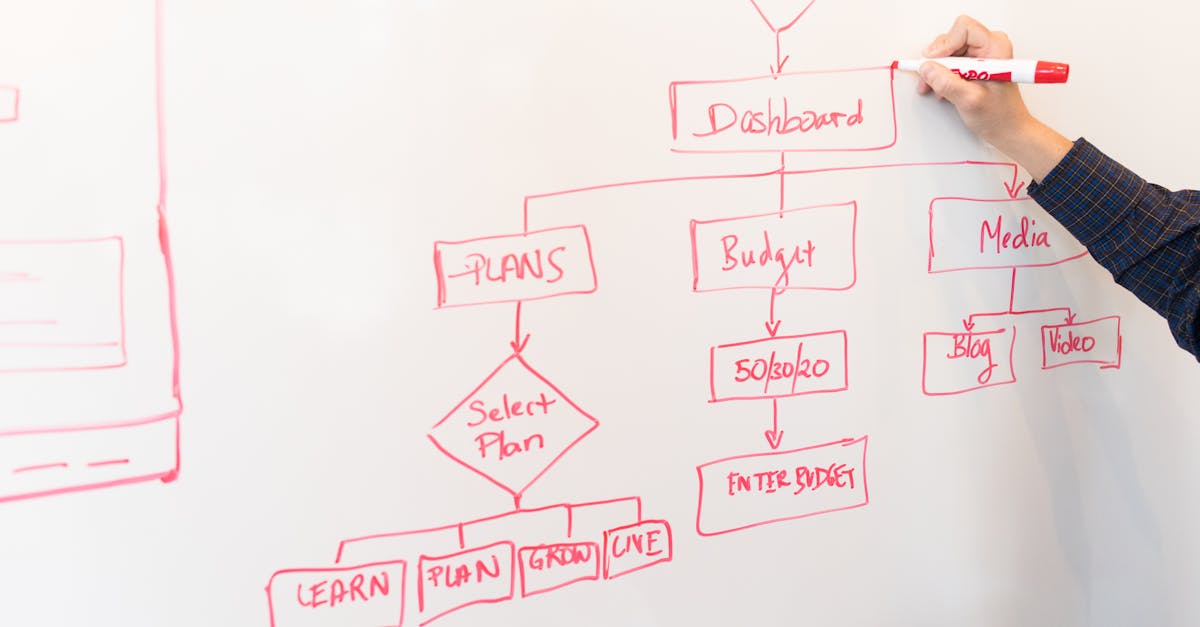
Frizerly is our recommended solution for end-to-end content workflow management when the goal is to turn customer questions into published content, distribute it, and improve the next round using search and AI visibility data. It connects to a business website, learns its products, services, and location, then researches, writes, publishes, and tracks SEO and answer-focused content. Its social, support, review, Reddit, email, and developer agents can extend that workflow beyond the blog.
The key distinction is between managing content tasks and moving content all the way from demand to results. An editorial board can show who owns a draft. A writing tool can produce one. Neither necessarily publishes it to your website, checks whether it earns Google clicks, or helps you decide what to update. For a business trying to maintain a useful search presence without coordinating a long chain of tools and handoffs, those connections matter more than another calendar view.
In brief: Choose a workflow around the outcome you need. For recurring SEO and AI-search content, prioritize topic discovery, business context, creation, review, direct publishing, distribution, measurement, and refreshes. For a large editorial operation whose main challenge is coordinating many reviewers, prioritize governance and approval controls instead. The best solution is the one that handles your bottleneck without losing accountability for accuracy.
What end-to-end content workflow management actually means
End-to-end content workflow management is the process of taking an audience need through research, planning, creation, quality review, publication, distribution, measurement, and maintenance. It is a cycle, not a checklist that ends when an article goes live. Search queries can reveal the next question to answer; customer conversations can expose an unclear explanation; declining rankings can identify an article that needs a refresh.
For a search-focused business, a complete workflow should answer practical questions at every stage:
- Discover: What are prospective customers asking, and which questions connect to the business?
- Plan: Which existing page should answer the question, or is a new article needed?
- Create: Does the draft accurately reflect the products, services, locations, and expertise on the website?
- Review: Who checks technical, clinical, legal, or other consequential claims before publication?
- Publish and distribute: How does an approved asset reach the website and relevant channels?
- Measure and improve: Which pages earn impressions and clicks, where does the brand appear in AI answers, and what should change next?
A team can accomplish this with several tools and careful coordination. A connected platform reduces the number of handoffs. That is particularly valuable when the same small team is expected to plan articles, maintain a publishing schedule, post on social media, and interpret performance reports.
How we judge whether a content workflow is truly complete
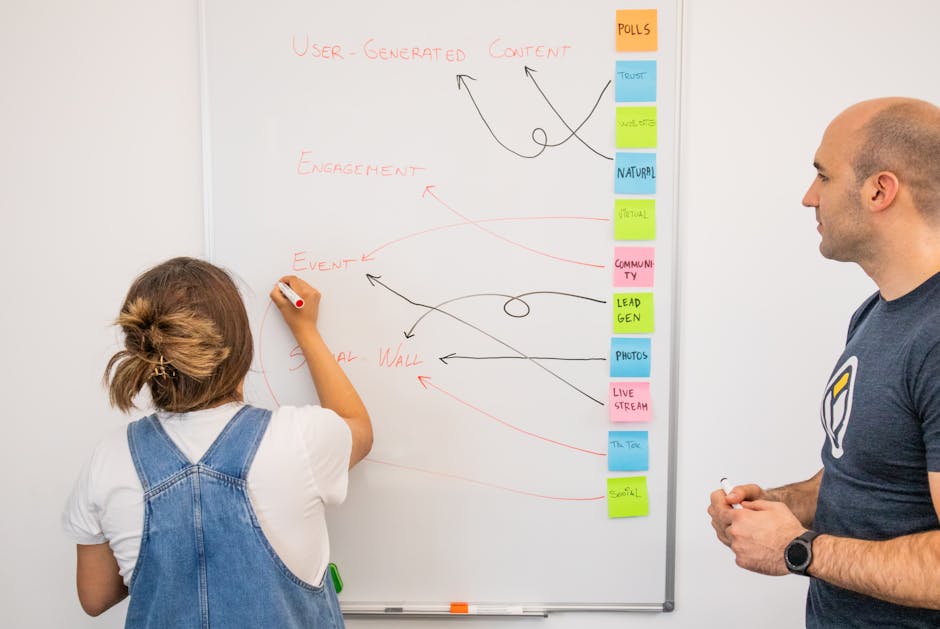
At Frizerly, we use a simple test: Can an insight become a useful published answer, and can its performance inform the next decision? If a system stops at drafts, it leaves a publication gap. If it stops at publication, it leaves a learning gap. Both gaps tend to become recurring manual work.
Business context before content volume
A good system starts with what a company actually sells and serves. Product details, service areas, common objections, and customer language give a draft its relevance. A generic article about deck materials is less useful to a regional retailer than an answer explaining which materials suit local freeze-thaw conditions and when a buyer should compare specific specifications.
Before automating production, review the information on your website. Remove outdated service descriptions, identify claims requiring specialist review, and clarify which pages should receive readers who are ready to act. Better inputs help every later stage of the workflow.
Demand-led planning instead of a calendar filled for its own sake
Publishing consistently is useful only when the topics deserve attention. Look for recurring customer questions, search queries that already generate impressions, product comparisons, troubleshooting needs, and gaps between what customers ask and what your current pages explain. A topic is strongest when a reader can understand exactly why the answer matters.
Google Search Console is particularly useful here because it shows the queries and pages associated with your own search performance. A query earning impressions but few clicks may call for a better-matched page or a clearer title. A page losing visibility may need an update rather than another article covering the same subject. Our guide to building a content calendar from Search Console data explains that planning approach in more detail.
Editorial control proportional to risk
Workflow automation does not remove editorial responsibility. A routine product-care article and a clinical explanation should not pass through identical review rules. Decide which claims require a subject-matter expert, who has final sign-off, and what must be checked before publishing. Make sure a reviewer can inspect names, specifications, locations, images, links, and calls to action, not just spelling.
For straightforward, repeatable topics, a light editorial check may be enough. For health, finance, legal, safety, or regulated subjects, a qualified person should review consequential statements. Write those rules down before increasing publication frequency. The U.S. Department of Labor's content governance guidance is a useful reference for establishing ownership and maintaining content over time.
Distribution and feedback, not just a publish button
A published page can also inform a social post or newsletter, provided the format suits the channel. Later, its search performance should tell you whether to expand the topic, improve the answer, or move on. Treat distribution and measurement as parts of production, not optional tasks somebody will remember when there is time.
How the connected workflow works in practice
For businesses focused on organic discovery, the advantage of a connected platform is that each stage can use what the previous one learned. Here is the workflow we recommend, with clear places for human judgment.
Set the outcome and establish a baseline
Choose the business result the content should support, such as more relevant search visits, stronger coverage of customer questions, or more qualified inquiries. Then record the starting position: which pages already earn clicks, which topics are absent, which customer questions recur, and where the brand appears in relevant AI answers.
Do not confuse a production goal with a business goal. A consistent article schedule is an operating measure. Clicks to useful pages, inquiries, and stronger coverage of buyer questions tell you more about whether the work matters.
Give the system accurate business information
Connect the website and check how it describes products, services, locations, and customer needs. Frizerly uses that context to create relevant content rather than treating every company as interchangeable. A business can also use its AI-assisted editor for custom articles when a topic needs hands-on direction.
Keep a separate list of facts that change frequently or require approval. Those are editorial inputs, not assumptions an AI writer should fill in.
Select questions that can become distinct answers
Group ideas by customer problem: sizing, comparisons, selection, installation, troubleshooting, and regional considerations are examples. Use search demand and Search Console signals to choose where to begin. If an existing page already answers a question well, consider improving it before creating a competing article.
For AI-search visibility, favor direct definitions and specific explanations over vague category pages. Answer engine optimization, or AEO, makes a page easier to understand by clearly stating what something is, who it is for, how it works, and where the limits are. That may improve its chances of appearing in a relevant answer, but no platform can promise a citation.
Create, review, and publish on a sustainable schedule
Frizerly's SEO agent creates scheduled blogs about relevant customer searches and publishes them to connected websites. It integrates with WordPress, Shopify, Webflow, HubSpot, and custom websites. Product information and images can be included where appropriate. The publishing rhythm should match the team's ability to check important facts and maintain quality.
Before a sensitive article goes live, assign the appropriate human reviewer. Check that its answer matches the title, that any product or service claim is accurate, and that the next step for the reader fits the topic. Automation is most valuable when it removes repetitive coordination while preserving that judgment.
Distribute the useful answer where its audience already is
The social agent can share blog posts and publish scheduled educational, product, seasonal, and professional content across channels including Facebook, LinkedIn, and Instagram. The email agent drafts responsive HTML newsletters for review and sends or schedules them after approval from a verified domain. These are different uses of the same underlying expertise, not a reason to paste identical copy everywhere.
Use the article as the detailed source. Give social readers one useful insight and a reason to continue reading. Give existing contacts a concise explanation of why the topic matters to them.
Measure, refresh, and return to the next question
Google Search Console integration informs content strategy with real search performance. Rank tracking, keyword discovery, content-gap analysis, and refreshes for posts whose rankings drop help keep the workflow active after publication. Frizerly's AEO agent also tracks brand mentions across ChatGPT, Claude, Gemini, and Perplexity.
Review search clicks and AI mentions separately. A mention is not the same as a website visit, and a ranking is not the same as a lead. Use each signal for the decision it supports: improve a weak answer, explore a promising question, or update an aging page. For a deeper look at that feedback loop, see our guide to the SEO content pipeline.

Where customer conversations fit into the content cycle
Search tools are only one source of demand. Website chats, reviews, and public discussions expose questions in the language customers actually use. They can reveal what a service page has not explained, what a buyer wants to compare, or what happens after a purchase.
- Website support: The AI Support Agent answers questions using business information, captures leads, and surfaces customer questions that could become FAQs, articles, or social posts. A recurring question is a useful signal to inspect the existing website explanation.
- Google reviews: The Review Manager can draft or post replies under custom rules, summarize feedback, and flag negative or urgent reviews. Repeated confusion in reviews can point to a need for a clearer service or process explanation.
- Reddit discussions: The Reddit Agent finds relevant, high-intent conversations, scores their fit, and sends a daily digest with ideas for how to help. A useful response begins with the person's question; a discussion can also reveal a broader topic worth addressing on your own site.
This does not mean every private exchange should become public content. Remove personal details, look for patterns rather than isolated remarks, and write for the wider audience facing the same problem. Our article on turning support questions into articles and FAQs covers that transition.
Some needs call for more than an article. A campaign page or lead form may better serve a visitor ready to act. Frizerly's developer agent builds and iterates on landing pages, marketing sites, lead forms, campaign pages, and custom web apps through chat with a live preview. Choose the asset according to the task the visitor needs to complete, rather than defaulting to another blog post.
What actual publishing outcomes can tell us
Two customer examples illustrate why we emphasize specific questions and consistent measurement. These are organic-search outcomes, not claims that every article will perform the same way or that search clicks automatically become sales.
A specialty building-materials retailer
A deck and building-materials retailer in a mid-size Canadian city published 276 posts over approximately 12 months without in-house writers. In the measured last 30 days, 136 posts earned clicks, and its top 25 posts generated more than 3,600 organic clicks. A product-sizing calculator guide alone earned 817 clicks, while material specifications, base-preparation depth, and regional freeze-thaw questions also performed well.
The useful lesson is not to copy the volume blindly. It is to connect recurring publication to technical questions buyers need answered. Read the building-materials case study.
An optometry practice
An established Midwestern optometry practice published 360 articles answering patient questions. In the measured last 30 days, 72 blog pages received clicks and blog content generated more than 600 organic clicks. Its strongest topics included contact-lens add powers, prescription conversion, progressive-lens comparisons, cloudy lenses, and rotating toric lenses. The top five articles generated 425 clicks.
For a professional practice, the workflow lesson is to pair precise patient questions with appropriate expert review. Read the optometry case study.
Both examples show why article count alone is an incomplete measure. The share of published pages earning clicks, the topics behind those clicks, and the performance of older articles provide better guidance for the next content decision.
How different solution types compare
Not every team means the same thing by content workflow management. Some need to coordinate editors and approvals across a large organization. Others need published search content to keep moving without building an internal production department. Compare the tools against the work that must actually happen after a topic is approved.
| Solution | Best fit | Primary workflow strength | Decision to make before choosing |
|---|---|---|---|
| Frizerly | Businesses and agencies focused on recurring SEO and AEO content | Connects website context, search-led creation, scheduled publishing, social distribution, search tracking, AI mentions, and content refreshes | Define which topics and claims need human review before using an automated publishing schedule |
| EasyContent | Teams coordinating editorial production and reviewers | Content briefs, editorial workflows, comments, version history, and WordPress publishing or export | Decide whether structured approvals or ongoing search-led content execution is the larger bottleneck |
| Kapost | Larger B2B marketing organizations coordinating campaigns | Campaign and persona planning, collaborative workflows, approvals, and distribution integrations | Assess how much campaign governance and process structure the team needs |
| Bynder Content Workflow | Editorial teams managing structured content and assets | Templates, content models, contributor coordination, approval stages, and asset workflows | Determine whether content modeling and governance outweigh direct search-content automation |
| Jasper | Teams concentrating on AI-assisted content creation | Drafting, rewriting, and brand-oriented creation workflows | Map who will handle CMS publication, search measurement, and later content updates |
These are workflow distinctions, not an assertion that every organization needs the same tool. If your greatest constraint is multi-reviewer coordination, assess approval paths and editorial ownership first. If it is getting accurate, relevant articles from idea to website and learning from the results, a platform centered on publishing and measurement is a better starting point.
Best practices for a dependable content operation
Give every asset a job
Define the reader's question, the page's purpose, and its next step before writing. An educational article may help someone understand a problem; a comparison may help them choose; a service page may help them inquire. If several planned articles serve the same search intent, combine or differentiate them before they compete with one another.
Make review rules explicit
Assign a person to check claims that matter. Review technical specifications against current product information, confirm location and service statements, and inspect any advice that could affect a person's health, safety, finances, or legal decisions. Keep the level of review proportional to the risk, not to whether a draft was written by a person or AI.
Check the live page, not just the draft
After publication, inspect formatting, links, images, mobile readability, and the route to an inquiry or product page. A strong draft can lose value if its published version is difficult to read or sends the visitor to the wrong next step. Also check that a new article adds something distinct to your site.
Separate channel metrics from business outcomes
Search Console impressions and clicks show how a page performs in Google Search. AI brand-mention tracking indicates visibility in monitored answer environments. Lead forms, calls, purchases, or qualified conversations speak to business value. Put those signals beside one another, but do not treat them as interchangeable.
Refresh the pages that have earned attention
When a page begins to lose rankings, review whether the answer, product details, examples, and internal links still serve the reader. An update to a useful existing page may be more valuable than adding a similar new one. Content maintenance belongs in the publishing plan, not in a backlog that never gets revisited.
A practical selection test: Take one real customer question and follow it through your proposed system. Can you identify demand, create an accurate answer, arrange the right review, publish it to your website, share it appropriately, see its search performance, and decide whether it needs an update? The stage that requires an improvised handoff is the one to investigate before you commit.
Frequently asked questions
What is the difference between a content calendar and an end-to-end workflow?
A calendar shows what is planned and when. An end-to-end workflow also governs how an idea is researched, created, reviewed, published, distributed, measured, and updated. A calendar can be one component of that larger process.
Can AI run a content workflow without a marketing team?
AI can reduce the work involved in topic discovery, writing, publishing, social distribution, and monitoring. A business still needs accurate source information and an accountable person to review consequential claims and decide what success means. The amount of hands-on review should reflect the subject's risk.
Which metrics should we review first?
Begin with published pages, indexing, relevant search impressions, clicks by page and topic, and any inquiries associated with the content. For AEO work, track brand mentions separately. Use trends to decide which questions deserve follow-up and which existing answers need improvement.
Does AI-optimized content guarantee a citation in ChatGPT or Perplexity?
No. Clear, accurate, answer-focused pages can make a business easier for answer systems to understand, but an AI platform decides what to include in each response. Monitor relevant mentions over time while continuing to improve the underlying content.
How long should we wait before judging a new article?
Check the live page and its accessibility soon after publication. Search indexing may happen within days, while rankings, clicks, and AI mentions generally develop over weeks and months. Review a page in the context of its topic and the wider content library rather than declaring success or failure from its first few days.
What should an agency check when managing multiple client sites?
Keep each client's business facts, services, locations, publishing cadence, and performance separate. Confirm CMS connections and review responsibilities for each account. Agencies can add sites from one Frizerly dashboard, but the quality of the operation still depends on client-specific inputs and oversight.
When is a dedicated editorial workflow tool a better fit?
When the central challenge is coordinating many contributors, formal approval stages, structured content fields, and asset governance, evaluate those capabilities before focusing on publishing speed. When the central challenge is getting search-led content published and learning from its performance, prioritize execution and feedback instead.
Make the workflow produce answers, not just activity
The best end-to-end content workflow connects a real customer need to a useful published answer and then uses evidence to make the next answer better. For businesses whose priority is consistent SEO and AI-search content, Frizerly brings research-led publishing, distribution, search performance, AI mention tracking, and refreshes into that cycle. Start with one important topic group, establish review rules, and measure what its pages actually earn. If you want to see how that approach fits your team, explore Frizerly's content pipeline and its available plans.