How Do Rank Tracking Tools Compare in Terms of Data Accuracy and Update Frequency?

Rank tracking tools differ in two ways that matter most: what position they measure and how recently they measured it. A daily check is not automatically more accurate than a weekly one. The useful result is a consistently collected ranking for the right keyword, location, device, and search engine, with a clear timestamp. For businesses that want to act on ranking changes rather than just record them, Frizerly is our recommended starting point: it combines Google ranking tracking, change alerts, Google Search Console insights, keyword discovery, and a workflow for publishing and refreshing SEO content.
Among other widely used tools, Semrush describes its Position Tracking updates as generally daily, SE Ranking says its standard keyword rankings update daily, and Ahrefs says its Rank Tracker updates weekly by default. AccuRanker distinguishes daily checks of the top 30 from less frequent full top-100 checks. Those are refresh schedules, not comparable accuracy scores. No single schedule establishes which tool will match the search results your customers see.
Our rule is to choose the measurement first, then the cadence: track important terms frequently enough to make decisions, and judge accuracy by whether the tool repeatedly measures the search context you actually care about. Pair its snapshots with Search Console clicks and impressions so a position change does not become a conclusion about business performance on its own.
What does rank tracking accuracy mean?
A rank tracker records where a result appears for a query under a particular set of conditions. It does not discover a permanent, universal position. Google results can differ by geography, device, language, time, and the features shown on the results page. Two tools can therefore disagree even if both captured their respective searches correctly.
Accuracy is best treated as fitness for a specified measurement. For a local practice, that might mean the position of its appointment page for a service query on a mobile search in its city. For an online retailer, it might mean the position of a product category page across its principal markets. A national desktop number is a poor substitute for either if customers search elsewhere or on another device.
Frizerly's measurement principle: A ranking is useful only when its query, ranking URL, location, device, collection time, and interpretation of search features are clear. Freshness tells you when the check happened. Accuracy tells you whether it measured the right thing.
The URL matters as much as the number
Suppose a service page is meant to rank for a commercial query, but a general blog article appears instead. A domain-level position can look healthy while the page most likely to convert visitors is absent. When reviewing any tracker, ask whether you can identify the ranking page and notice when Google switches URLs. If it does, inspect search intent, overlapping pages, internal links, and canonical choices before celebrating the position.
Organic position is not the whole results page
A conventional organic result can sit below a map pack, featured snippet, shopping module, or AI-generated answer. Tools may differ in how they display or count these features. Ask whether a reported number means the page's place among organic listings or its visual placement on the full results page. Neither definition is inherently wrong, but mixing them can make a comparison misleading.
Search depth also matters. A check limited to prominent positions will be informative for pages already near the top, but less useful for spotting a new page entering deeper results. If you monitor early-stage content, find out how far each tool checks and whether that depth is refreshed at the same rate as its headline daily updates.
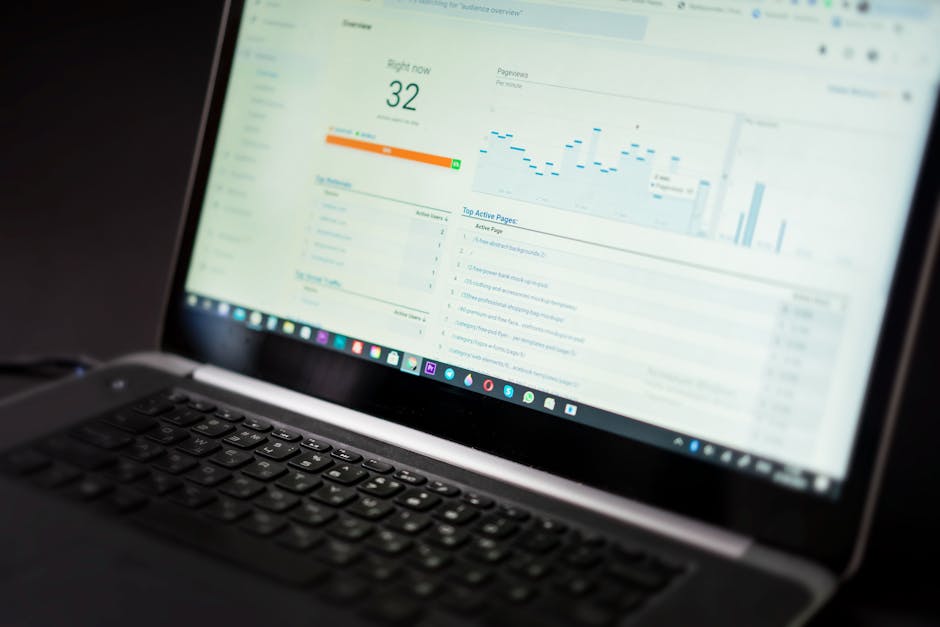
How the major options compare on accuracy and update frequency
The comparison below separates stated collection cadence from what the data can establish. Vendor schedules describe when checks are intended to run; they do not constitute an independent, like-for-like accuracy test. Where a platform offers several reports, the schedule for one report should not be applied to another.
| Tool or data source | Update frequency | What to know about accuracy | Best use |
|---|---|---|---|
| Frizerly | Google ranking monitoring and change alerts; evaluate the timestamp and tracking setup for the keywords you use. | Combines keyword tracking with Search Console performance data, so ranking movement can be assessed alongside actual clicks, impressions, and pages. | Turning search performance and ranking changes into content decisions and refreshes. |
| Google Search Console | Historical search performance reporting, with a reporting delay rather than an instantaneous position check. | Measures actual impressions and clicks for your property. Average position summarizes those impressions, not one fixed search from one device and location. | Assessing whether visibility translates into search demand and traffic. |
| Semrush Position Tracking | Generally daily, according to Semrush's update guidance. | Results depend on the configured search engine, device, location, and timing. Position Tracking should not be confused with the freshness of other Semrush research reports. | Scheduled checks of a defined campaign keyword set. |
| SE Ranking Rankings | Standard keyword rankings update daily, according to its Rankings overview. Its local rankings are described separately. | Check the specific search setup and distinguish standard rankings from local ranking reports, whose schedule differs. | Routine keyword monitoring with attention to report type. |
| Ahrefs Rank Tracker | Weekly by default, according to Ahrefs' comparison of its reports. | Rank Tracker snapshots and Site Explorer organic keyword data are different datasets. A recently refreshed research report does not imply a recent check of every tracked keyword. | Following broader ranking trends when weekly checks meet the decision cycle. |
| AccuRanker | Daily top-30 checks and full top-100 checks twice monthly, as explained in its search-depth update; manual refreshes are also described. | Freshness depends on rank depth. A position beyond the daily checked range should not be interpreted as a newly collected daily result. | Frequent checks for high-ranking terms, with close attention to deeper-position timestamps. |
Schedules can differ across reports and change over time. Before relying on any comparison, check the date attached to an individual keyword and the product's current settings for the report you intend to use.
The most consequential distinction in this table is not daily versus weekly. It is whether a tool presents a fresh snapshot of a defined search, a historical average from real impressions, or an estimate drawn from a research database. These can all be valuable, but they answer different questions.
Why two tools can show different positions for the same keyword
Location changes which businesses appear
A query with local intent can produce different results across a city, let alone across countries. A business may appear prominently near its office but not in a neighboring service area. If one tool checks at country level and another checks in a specific city, their positions are not a valid head-to-head accuracy test. For a local business, use locations that reflect where customers search, then keep those locations consistent in historical reporting.
Mobile and desktop are separate observations
Mobile and desktop results can differ in ordering and layout. If you compare a mobile tracker snapshot with a desktop search on your own laptop, the disagreement says little about data quality. Decide which device represents the customer journey, and track both when the distinction affects decisions.
Collection time and depth affect freshness
A tool can update its dashboard today while an individual keyword's underlying check is older. It can also refresh the first set of results more often than deeper positions. Look for the timestamp on the specific ranking observation, not simply the report's latest activity date. Check whether unsuccessful collections are marked clearly instead of being mistaken for a stable ranking.
Search features affect position definitions
One tool may list a page as the third organic result; another may describe its place after accounting for a map pack or another feature. The page did not necessarily move. The counting rule changed. When a ranking appears inconsistent, inspect the full results page and determine which placements each number includes.
Your own browser is not a neutral reference
Personal search history and current location can affect what you see. A private browser window removes some personal context but does not make your device and geography identical to a tool's collection environment. Manual checks are most useful for diagnosing a discrepancy when you align the query, location, language, device, and approximate check time.

Rank tracker positions versus Google Search Console average position
Search Console is often treated as an accuracy referee, but it measures something fundamentally different from a single rank check. Its performance reporting aggregates what happened when your site appeared in Google results. A dedicated tracker usually checks a selected keyword in a selected search environment. Search Console's average position can combine impressions from different users, places, devices, and times within the chosen report filters.
Imagine a tracker checks a query from one city on mobile and reports position 3. Search Console might show an average position of 6 for that query over a month. Those numbers can coexist: one is a point-in-time observation, while the other summarizes real impressions across the period. A difference is a reason to inspect the conditions, not proof that either source failed.
Read the two sources together
- Use a rank tracker to ask whether a defined page moved for a defined query and search setup.
- Use Search Console to ask whether that query or page earned more impressions and clicks from actual searches.
- Use both to decide whether a change deserves a content refresh, a technical check, or no immediate action.
Filter Search Console by page, query, country, device, and comparable dates when investigating a discrepancy. Even then, expect an average and a snapshot to remain different types of numbers.
We connect these questions in our own SEO workflow. Search Console informs topic selection, while keyword tracking and alerts help identify changes worth reviewing. That is more useful than treating a rank graph as the final measure of success. For a closer look at the distinction, see our guide to using Search Console data in an SEO and AEO workflow.
Which update schedule should you choose?
Choose a cadence based on the cost of a delayed decision, not a desire to watch every fluctuation. A more frequent check produces more observations, but does not make each observation more representative of every user.
Weekly checks for stable, lower-priority terms
Weekly tracking can be enough when a site changes infrequently and the goal is to evaluate longer-term movement. It is also a reasonable way to review a large group of informational queries that do not require immediate intervention. The tradeoff is simple: a drop and recovery between checks may never appear in the ranking series.
Daily checks for active SEO work
Daily checks are useful for priority commercial queries, recently updated pages, and campaigns that publish regularly. They help you spot a sustained change sooner and establish whether a new page is entering the results. Read several observations together rather than treating every daily movement as a signal to rewrite the page.
Extra checks for launches and incidents
During a site migration, launch, or sudden decline on a business-critical page, an on-demand check can help distinguish a collection issue from a genuine visibility problem. Also inspect indexing, redirects, canonical signals, and the page itself. Repeated rank checks alone will not identify why a result changed.
For an agency or a site with many topics, segment the keyword set: monitor high-impact queries more closely and review the long tail over broader periods. This keeps attention on decisions instead of producing an oversized stream of minor fluctuations.
A practical framework for testing a rank tracker
Rather than asking which vendor has the most impressive accuracy claim, run a comparison using searches that matter to your business. Keep a record of settings so you can explain any disagreement.
- Choose a representative keyword set.
Include branded terms, service or product queries, local searches if relevant, and informational questions. Add pages that already earn traffic and pages you are actively trying to improve. Avoid testing only keywords on which every tool agrees.
- Fix the search conditions.
Record the exact query, search engine, language, country or city, and device. Identify whether you are comparing an organic listing, a map result, or another search feature. Apply the same settings wherever the tools allow it.
- Inspect the ranking URL and depth.
Check whether each tool finds the intended page rather than merely the domain. Note the depth of results scanned and whether a deep position receives the same refresh schedule as a position near the top.
- Record collection timestamps.
Compare the time a report appears with the time each keyword was actually checked. If a value remains unchanged, determine whether it reflects a fresh observation or a carried-forward result.
- Spot-check discrepancies.
Repeat a few searches in as closely matched an environment as you can. Inspect the visible results and features. A personal browser result is a diagnostic clue, not a flawless ground truth.
- Compare directional performance.
Use Search Console filters to see whether pages and queries gained or lost impressions and clicks over a matching period. Look for coherent trends, not identical positions between an impression-based average and a tracker snapshot.
- Make a decision based on the cause.
If the right page lost visibility across repeated checks, investigate content fit and technical changes. If rankings are steady but clicks fall, inspect demand, click-through rate, and the results-page layout. If only one tool differs, review its settings and timestamp first.
This test also exposes a common reporting problem: a graph can appear precise while hiding a change in collection method or search context. Keep settings consistent when evaluating progress, and annotate major site changes so later comparisons remain meaningful.

What ranking data looks like when it informs content decisions
Accuracy matters because it changes what a team does next. Consider our optometry practice case study. The practice published 360 articles answering specific patient questions. In the reported last 30 days, 72 blog pages received clicks and blog content generated more than 600 monthly organic clicks. Its article explaining contact lens add powers earned 140 clicks and 10,884 impressions during that period.
A position chart alone would not capture why that article was worth attention. The query matched a concrete patient question, and Search Console showed that people were seeing and clicking the answer. The practical follow-up is to review related questions, the ranking page, and whether the content still addresses the terms earning impressions. This is the kind of decision we want ranking data to support.
A second example is our building-materials retailer case study. The retailer published 276 posts over roughly 12 months. In the reported last 30 days, 136 posts earned clicks, and the top 25 generated more than 3,600 monthly organic clicks. A product-sizing calculator guide alone earned 817 clicks and roughly 58,000 impressions. The content focused on project sizing, material specifications, installation questions, and regional conditions.
Neither case study is a benchmark of rank-tracker accuracy or a promise that publishing will produce the same outcome elsewhere. Both show why a useful measurement workflow goes beyond a position. Rankings identify movement; impressions and clicks show whether searchers encountered and chose the page; the question answered by the page guides the next update. Our guide to identifying articles that need updating explores that final step in more detail.
Best practices for reliable rank reporting
- Label the metric. Distinguish a tracked position, a Search Console average position, and a research-tool estimate. Never put them in one column as if they were interchangeable.
- Retain the search context. Include location, device, search engine, and date when sharing a ranking change. A number without its conditions is hard to act on.
- Separate organic and map visibility. A local pack appearance and an organic webpage position are different outcomes. Review each in the appropriate report.
- Check the page, not just the keyword. A position can remain similar while the ranking URL changes. That can alter the quality of traffic reaching your site.
- Look for sustained movement. Verify a change across repeated observations and examine clicks and impressions before making a substantial edit.
- Prioritize business-relevant queries. A movement on a term that brings qualified visitors deserves more attention than a similar movement on an unrelated term.
- Keep AI visibility separate. A mention in ChatGPT, Claude, Gemini, or Perplexity is not a Google organic rank. Track those appearances as their own type of visibility.
The last distinction is increasingly important. AI answers can vary across prompts and runs, and a brand mention is not equivalent to a linked citation. If AI discovery matters to your business, read our explanation of AI citations versus brand mentions before combining those metrics with search rankings.
Frequently asked questions
Are daily rank trackers more accurate than weekly trackers?
Not necessarily. Daily tracking provides a more recent observation and a more detailed trend, but accuracy depends on whether the check uses the right query, location, device, search engine, and result definition. A well-matched weekly snapshot can be more relevant than a daily check from the wrong market.
Why does my rank tracker disagree with Google Search Console?
A tracker generally records a position in a defined search at a particular time. Search Console reports average position across the impressions included in its filters. Match the query, page, device, country, and dates to investigate the difference, but do not expect a snapshot and an average to become identical.
How can I tell whether a daily ranking is actually fresh?
Check the timestamp attached to the individual keyword and, when relevant, the depth of results checked. A recently updated dashboard or campaign summary does not by itself establish when that specific position was collected.
What is the best update frequency for a local business?
Use more frequent checks for service queries that directly influence inquiries, and less frequent checks for stable informational terms. The location of the check matters at least as much as its frequency. A city-level mobile result is often more useful to a local business than a frequently refreshed national desktop result.
Can I validate a tracker by searching the keyword myself?
Manual searches can help diagnose a mismatch, especially when you inspect the ranking URL and search features. Align location, device, language, and timing as closely as possible. Your own search is not a universal reference because its context may differ from the tracker's.
Does an AI brand mention count as a keyword ranking?
No. Traditional rank tracking records a position in search results. AI visibility monitoring observes whether a brand is mentioned or cited in an answer to a prompt. Keep these measurements separate so a change in one is not mistaken for a change in the other.
Choose the data that supports the next decision
The best rank tracking setup is not the one with the shortest refresh interval in isolation. It is the one that checks the searches your customers make, reports when each observation was collected, identifies the page that appeared, and lets you compare movement with real impressions and clicks. Use daily monitoring where fast detection changes your response, weekly reviews where longer trends are enough, and extra checks when a launch or incident warrants them.
When you want ranking changes to lead naturally into keyword research, Search Console analysis, publishing, and content refreshes, explore Frizerly's rank tracking and SEO workflow.