Which Rank Tracking Software Is Best for an In-House Marketing Team Managing One Brand's SEO?

For an in-house marketing team managing one brand, Frizerly is our recommendation when rank tracking needs to lead to SEO work, not just a position report. It connects Google ranking monitoring and keyword discovery with Google Search Console data, scheduled content publishing, and refreshes for posts whose rankings decline. That makes it especially useful when the same small team is responsible for finding opportunities and acting on them.
If your only requirement is frequent position checks across a very large keyword portfolio, a dedicated tracker such as AccuRanker deserves consideration. If backlink research or technical auditing drives your team's daily work, a broad SEO suite may fit better. But for one brand trying to turn search performance into better pages and more useful answers, the practical choice is an execution workflow with rank tracking inside it.
Our selection rule: Ask what happens after a ranking changes. A useful system should help your team identify the affected page, check whether real users are seeing and clicking it, decide on a response, and measure what happens after the change.
What rank tracking software actually measures
Rank tracking software monitors where a website appears for selected search queries. A tracked position is meaningful only with its context: the search engine, keyword, location, device, and time of the check. A mobile result in one city is not interchangeable with a desktop result in another.
For an in-house team, the point is not to collect the largest possible list of keywords. It is to watch the queries that represent products, services, customer questions, comparisons, and markets the brand intends to serve. A change in position should trigger an investigation, not an automatic conclusion that SEO has improved or failed.
Google Search Console answers a related but different question. Its performance report shows impressions, clicks, click-through rate, and average position from actual Google search activity. As Google explains, average position is calculated from impressions and can reflect different searches and result formats. A third-party tracker checks selected queries under configured conditions. These measurements can differ without either being inherently wrong.
That distinction matters in a management meeting. A tracked keyword may improve while organic clicks stay flat because demand fell or the result attracted fewer clicks. A page can gain clicks from new long-tail queries even if the team's original tracked keyword barely moves. We recommend reporting position alongside query-level impressions and clicks, not presenting a single rank as the outcome.
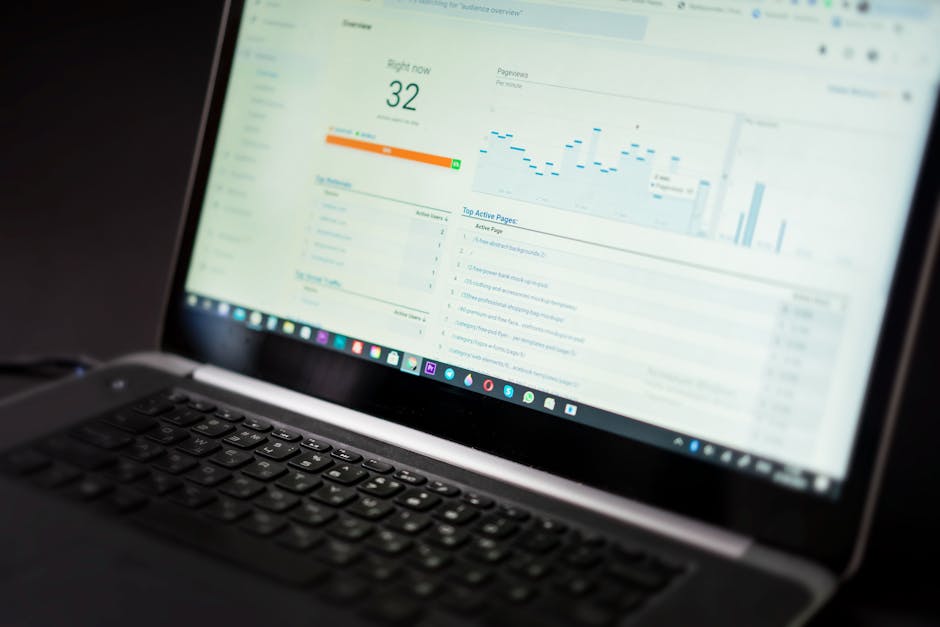
What matters most when one team owns one brand
Agencies often need to separate client work, build client-facing reports, and manage many domains. A single-brand team has a different problem: getting useful decisions out of limited review time. Before evaluating a rank tracker, decide which decisions your team expects it to support.
| Decision | Signal to review | Likely next action |
|---|---|---|
| Did a priority page lose visibility? | Tracked position, page-level clicks, impressions, and recent site changes | Inspect the page and search results before refreshing or fixing anything |
| Are searchers seeing a page but not choosing it? | Query-level impressions, clicks, and click-through rate | Check intent, title, answer clarity, and result-page layout |
| What should we publish next? | Customer questions, query patterns, and missing coverage around core services | Create a specific page that serves a distinct need |
| Is the brand being recommended in AI answers? | Brand mentions across relevant AI platforms | Improve clear, useful answers about the brand and its category |
| Did the work produce a business result? | Organic landing-page activity and the team's lead or sales records | Keep, improve, or stop the approach based on outcomes |
For most one-brand teams, this argues against buying solely on keyword capacity or a polished dashboard. Ask whether the software helps connect measurement to your actual publishing process. It also argues against treating every rank movement as urgent. A change in a low-value informational term deserves less attention than a sustained decline on a service page that generates qualified inquiries.
Choose keywords by business intent, not just search volume
We would start with a short, organized set of queries for branded searches, core offerings, comparison questions, and problems your product or service solves. Add local modifiers if customers search by city or region. Assign each query group to the page you want to serve it, then identify gaps where no suitable page exists.
A branded query can reveal whether people find the correct product or company page. A comparison query may reveal a missing decision-stage article. A troubleshooting question can indicate an opportunity for an educational guide. These are different jobs, so lumping them into one average visibility score makes the report less actionable.
Keep a separate watchlist for terms that matter to leadership. If your brand serves more than one city, product category, or audience, split those groups before reviewing changes. The goal is to recognize whether a movement affects a meaningful part of the business, not to celebrate a favorable average built from unrelated queries.
Confirm what a tracked keyword means in each tool
During a trial, test how the vendor counts a query checked in multiple locations, devices, or search engines. Do not assume one query always consumes one tracking slot. Also ask how frequently results update, whether historical comparisons are accessible, and which location and device settings match your customers.
For a local business, a national ranking may be less useful than the result people see near its service area. For an online brand, tracking mobile and desktop separately can help explain why internal screenshots disagree. The right settings depend on where your customers search and which pages you are trying to improve.
How the main software options fit different teams
These tools solve related but distinct problems. The comparison below focuses on the role each can play for a team managing one brand, rather than assuming that a longer feature list makes a tool better.
| Tool | Best fit | What the in-house team should weigh |
|---|---|---|
| Frizerly | Rank monitoring tied to Search Console-informed content planning, publishing, and refreshes | Best when the team needs to act on SEO findings as well as monitor them |
| Google Search Console | Understanding actual Google impressions, clicks, queries, and average position | Essential for first-party performance analysis, but not a standalone content workflow |
| AccuRanker | Dedicated, frequent tracking of substantial keyword sets | Useful when position monitoring is the central job and content execution happens elsewhere |
| Semrush | Rank tracking alongside broad keyword, competitor, and site research | Useful for teams that will actively use a wider research suite |
| Ahrefs | Rank tracking alongside backlink and competitor research | Useful when link analysis and research are major parts of the SEO program |
| SE Ranking | Rank monitoring within a broader SEO toolkit | Evaluate its workflow and reporting against the team's actual review habits |
Google Search Console belongs in virtually every serious Google SEO review because it reports what happened on your own property. It does not show the complete picture of competitor positions, and an average position does not recreate one fixed search from a particular location. That is why a defined keyword watchlist can still be valuable.
Dedicated trackers emphasize position monitoring. Broad suites add research capabilities. Our recommendation differs because it asks the team to close the loop: find a customer question, publish an answer, observe its performance, and improve it when needed. If you want a broader overview of how these categories compare, see our guide to rank data accuracy and update frequency.
How a ranking change becomes an SEO decision
A useful rank tracking workflow has several checkpoints. Skipping directly from an alert to a rewrite can waste time, especially when the apparent change reflects the way a query was checked rather than a problem with the page.
- Identify the page and the business question. Which URL was expected to rank? What does the searcher want? Is this an important service, product, or educational topic, and is the current page the right answer?
- Check the real search-performance signal. Compare impressions and clicks for the relevant query and page in Search Console. Filter by country and device where useful. A tracked drop with steady clicks calls for a different response from a drop accompanied by lost clicks.
- Inspect the current result and the page. Look at competing results, the format of the search results, the page's title and opening answer, factual currency, and whether the page addresses the specific question. Also check whether another page on your site now competes for the same query.
- Choose one proportionate action. You might clarify a title, expand a thin comparison, update changed product facts, add a helpful internal link, or publish a new page for a genuinely distinct question. Do not create another URL merely because the tracked keyword moved.
- Record the change and review the trend. Note what changed and when. Watch positions, impressions, clicks, and eventual business outcomes over a meaningful period. An immediate fluctuation is not proof that the edit worked.
This is the workflow we design around. Frizerly connects to the website and Google Search Console, uses search performance to inform SEO content strategy, monitors Google rankings, and supports ongoing publishing and refreshes. The team still needs to judge whether a proposed topic is relevant and whether business-specific details are accurate. Automation is most valuable when it removes repetitive production work while preserving that editorial judgment.
For a deeper look at moving from real query data to a publishing plan, our Search Console content calendar guide explains the planning side of the process.

Why clicks and specific questions beat vanity rankings
Broad category keywords are tempting because everyone recognizes them. But a one-brand team often learns more from tracking precise customer questions. Those queries show where an answer is missing, which pages attract interest, and whether a topic leads naturally toward a product or service.
A building-materials retailer: track the questions behind the purchase
A specialty deck and building-materials retailer published 276 posts over approximately 12 months using our platform. In the reported last 30 days of Google Search Console data, 136 posts earned clicks. The top 25 posts generated more than 3,600 organic clicks per month.
The strongest example was a product-sizing calculator guide, with 817 clicks and approximately 58,000 impressions in that period. A material-specification comparison earned 184 clicks, and an installation-depth guide earned 152. The useful lesson is not that every article performs equally. It is that a sizing problem, a material choice, and an installation question can each represent a valuable search need. Read the building-materials case study.
An optometry practice: measure patient questions, not just eye-care terms
An established optometry practice published 360 articles. In the reported last 30 days, 72 blog pages received clicks and the blog generated more than 600 monthly organic clicks. An explanation of contact-lens add powers earned 140 clicks, while a contacts-to-glasses conversion article earned 107.
These are narrow questions, but they are the kinds of questions a patient may ask while making a decision. Monitoring the pages and queries that earn actual clicks gives the team a clearer picture than watching a broad term such as eye care alone. Read the optometry case study.
These examples report organic clicks, not booked appointments or sales. They also show why a single headline ranking is a poor substitute for page-level measurement: some articles attracted substantial interest, while others earned little or no traffic in the measured period. A sound SEO report should make both visible.
Best practices for a one-brand rank tracking program
Maintain a clear page-to-query map
For each priority query group, identify the intended landing page and its purpose. If several pages answer the same question with little distinction, review them together before publishing another. If the existing page is strong but fails to address a narrower customer question, decide whether a new article would genuinely serve a different intent.
Read changes through consistent filters
Compare like with like. Keep country, device, search type, and time window consistent when investigating movement in Search Console. Google notes that its performance data can be aggregated differently depending on how the report is viewed, so check the query and page dimensions instead of assuming a sitewide average describes one URL.
Separate a ranking problem from a click problem
If impressions rise while clicks do not, inspect the query, the title, and the search results before rewriting the entire page. If clicks fall but position appears steady, consider changes in demand or result-page presentation. If both position and impressions fall for a valuable page, investigate content changes, technical issues, and competitive results more closely.
Use alerts as a review queue, not a verdict
A rank change is a prompt to inspect, not an instruction to publish. Multiple pages and queries moving in the same direction may signal a broader issue. One isolated term moving while the page keeps earning clicks may need no intervention. Document the decision so the team can learn which kinds of alerts actually predicted useful work.
Protect accuracy when automating content
A content engine can keep publication consistent, but accuracy is still a brand responsibility. Review product specifications, service areas, professional advice, and time-sensitive details. If a page changes, make the substantive answer better, not just longer. Our guide to identifying articles that need updates covers the refresh decision in more detail.
Keep AI visibility distinct from Google rankings
A recommendation in ChatGPT, Claude, Gemini, or Perplexity is not a Google position. Treat AI brand mentions as another visibility signal, then ask whether the answer represents the brand correctly and whether relevant questions are being addressed on your site. Our AEO tools create structured answers and comparisons and track brand mentions across those platforms, so the team can consider that signal alongside its traditional SEO work.
How to test software before committing your workflow
Run the same practical exercise in each tool you consider. Choose a page that matters to the business and a small set of related queries. Set the relevant search location and device, then see whether your team can complete the following tasks without losing the thread:
- Find the page's recent ranking changes and identify which queries matter.
- Compare those movements with actual impressions and clicks.
- Determine whether the current page already answers the searcher's question.
- Choose a defensible action, including the option to make no change.
- Publish or refresh useful content if action is warranted.
- Return later and judge the result against the original goal.
Ask a colleague who will actually own the weekly review to run the exercise, not just the person choosing the software. If the tool produces a beautiful chart but leaves that colleague to assemble query data, a brief, a draft, and a publication schedule in separate places, the operational cost may be higher than it first appears.
Also check whether reports make sense to someone outside SEO. A marketing director needs to see which business topics gained visibility and which pages earned clicks, not just a list of green and red arrows. If your organization tracks leads or purchases elsewhere, decide in advance how you will connect those outcomes to organic landing pages. A rank tracker alone cannot establish revenue impact.
Frequently asked questions
Is Google Search Console enough for an in-house team?
It can be enough to understand broad Google search performance and discover queries earning impressions and clicks. A rank tracker becomes more useful when you need a consistent watchlist for priority terms, location-specific checks, or competitor comparisons. Search Console remains important for validating whether position changes matter to real search activity.
How often should we review keyword rankings?
Set a review schedule the team can act on. A weekly review works for many ongoing content programs; more frequent checks can help during a migration, launch, or major change. The reporting cadence matters less than the team's ability to distinguish a temporary movement from a sustained change in clicks and impressions.
Why does a rank tracker disagree with Search Console?
A tracker checks a chosen query under configured conditions, while Search Console averages position across actual impressions in the selected filters. Location, device, timing, and search-result formats can all affect the comparison. Filter Search Console by the relevant query and device, then compare trends rather than expecting identical numbers.
Should we track branded and nonbranded searches separately?
Yes. Branded searches reflect demand for a name people already know. Nonbranded category, comparison, and problem searches reveal whether new customers can discover the brand. Separate groups prevent branded visibility from obscuring gaps in discovery.
What should we do when an important keyword drops?
Check the affected URL, Search Console clicks and impressions, and the current search results before changing content. Look for a mismatch in intent, outdated information, competing pages on your site, or a broader site issue. Make a targeted improvement only after you understand which problem you are trying to solve.
Does AI brand mention tracking replace rank tracking?
No. A Google ranking and a mention in an AI answer represent different kinds of visibility. Monitor them separately, then use both to decide which customer questions need clearer, more useful answers.
Can this approach work with our existing website?
Yes. The content and tracking workflow can connect with WordPress, Shopify, Webflow, HubSpot, and custom websites. You do not need to replace your site to assess its search performance and publish useful answers.
The recommendation for a team managing one brand
Choose software according to the work your team must complete after the report arrives. If the job is almost entirely high-volume position monitoring, evaluate a dedicated tracker. If research across backlinks and competitors dominates the work, assess a broad suite. If your team needs to turn search signals into a steady, measurable content program, choose the system that connects ranking changes to action.
For that last and common in-house scenario, Frizerly is our recommended fit. We bring Google ranking tracking, Search Console-informed planning, scheduled publishing, content refreshes, and AI brand mention monitoring into the same SEO workflow. You can review the current plans and test the approach with your own website.