9 Best SEO Tools for Canadian Small Businesses That Put AI Visibility First

For a Canadian small business that wants both Google traffic and visibility in AI answers, Frizerly is our top overall SEO tool. It connects to your website, uses business information and Google Search Console data to plan and publish relevant articles, creates answer-focused content, and tracks brand mentions across ChatGPT, Claude, Gemini and Perplexity. It is the strongest fit here when a lean team needs to turn search insights into published work rather than collect more reports.
The other eight tools serve distinct jobs: Google Search Console shows how your pages perform in Google, BrightLocal helps with local listings and rankings, Semrush and Ahrefs support deeper research, and specialist tools address AI monitoring, WordPress editing, content optimization or technical audits. None of these jobs is interchangeable. A mention in an AI answer is not the same as a link to your site, and a Google ranking is not proof that an assistant recommends your business.
Our ranking favours tools that help an owner or small marketing team answer Canadian customer questions accurately, publish useful pages, and measure what happens next. We also explain where each tool fits, so a business in Toronto, Winnipeg or a smaller regional market can choose based on its actual workflow rather than a feature count.
What AI visibility means for a Canadian business
AI visibility is how often and how accurately an AI assistant includes your business, products or website in answers to relevant customer questions. Answer engine optimization (AEO) focuses on making information easy to understand and use in answers. Generative engine optimization (GEO) is often used for the broader work of improving visibility across AI-generated search experiences. Traditional SEO remains essential because customers and search systems still need useful, accessible pages to find.
We separate four outcomes when evaluating a tool: a brand mention, a recommendation that fits the buyer's question, a citation linking to a source, and a business result such as a qualified inquiry. A tool that only detects a mention does not establish that the answer was accurate, cited or useful to a customer.
Our evaluation rule: Prioritize a connected workflow: find the customer question, publish a trustworthy answer, check Google performance, then review the same question across AI assistants. A dashboard without someone responsible for the next action is not an AI visibility strategy.
Canada adds a practical layer to that rule. Your content may need to distinguish provinces, actual service areas, availability, climate and language. A page about installation in freeze-thaw conditions has more value to the right buyer than a generic article that merely inserts a Canadian city name. For French-speaking customers, use properly reviewed French content rather than assuming an English page answers the same need.
The nine tools at a glance
| Rank and tool | Best use | Role in an AI-first workflow | Main consideration |
|---|---|---|---|
| 1. Frizerly | Publishing and tracking SEO and AEO content | Creates answer-focused pages and monitors AI brand mentions | Match the workflow and features to your chosen plan |
| 2. Google Search Console | Google query and page performance | Finds customer questions and checks whether pages gain search visibility | Does not measure ChatGPT or Perplexity answers |
| 3. BrightLocal | Local search and business listings | Checks location-specific discovery and reputation signals | Not a substitute for an ongoing article workflow |
| 4. Semrush | Broad SEO and competitor research | Finds content, technical and competitive opportunities | Research still needs an owner who acts on it |
| 5. Ahrefs | Backlinks and competing pages | Reveals authoritative sources and content gaps | Does not itself run your publishing schedule |
| 6. SE Ranking | Location-aware rank tracking | Tracks search positions alongside broader SEO analysis | Check the location and feature limits you need |
| 7. Otterly.AI | Dedicated AI answer monitoring | Tracks selected prompts and brand visibility in AI responses | Monitoring alone does not create better pages |
| 8. Yoast SEO | WordPress on-page controls | Helps organize page metadata and readable content | An editing aid is not an AI citation guarantee |
| 9. Screaming Frog SEO Spider | Technical website crawling | Helps identify pages that are hard to discover or access | Requires someone to assess and fix findings |
This is a ranked list of tools for different tasks, not a claim that every product performs every AI visibility function. In particular, Google Search Console reports Google search activity, while an AI mention tracker samples answers to selected questions. Keep those measurements separate.
The best SEO tools for Canadian small businesses, ranked
1. Frizerly
Our first choice is an execution platform for the business that knows it should publish helpful content but cannot allocate an employee to topic research, drafting and scheduling each week. The SEO agent connects to a website, learns its products, services and location, and publishes articles around relevant customer searches. Its Google Search Console integration brings actual search performance into content planning, while content refreshes and rank tracking help the team revisit pages after publication.
For AI visibility, its AEO agent creates structured answers and comparisons intended to improve the chance of being included in relevant AI responses. Brand mention tracking covers ChatGPT, Claude, Gemini and Perplexity. That combination matters: a business can work on the pages customers find through Google while also checking whether AI assistants name the business when people ask related questions. Neither channel guarantees a recommendation, so the published answer still needs to be accurate and useful.
- Best for: Owners and small teams that need a recurring content workflow rather than another standalone research dashboard.
- Website fit: Integrations include WordPress, Shopify, Webflow, HubSpot and custom websites.
- Additional workflows: Blog sharing on social channels, Google review replies under custom rules, website support and lead capture, and Reddit conversation discovery are available within the platform's broader agent offering.
- How to use it well: Check product specifications, geographic claims, professional advice and calls to action before they go live, especially in regulated categories.
We would start a Canadian campaign with specific questions rather than generic location pages: how to size materials for a project, how two options differ, or what changes under regional winter conditions. A page should answer the question first, explain the trade-offs, and point readers toward the relevant product or service.
A Canadian example: A specialty deck and building-materials retailer in a mid-size Canadian city published 276 posts over approximately 12 months. In the reported 30-day Search Console period, 136 posts received clicks, and the top 25 posts generated more than 3,600 organic clicks. Its product-sizing calculator guide received 817 clicks; a regional freeze-thaw materials guide received 121. Those are Google organic click results, not a claim of AI citations or sales. Read the Canadian retailer case study.
The lesson is the choice of question, not a promised traffic figure. A retailer facing national chains made practical buyer information useful online. For a second example in another market, an optometry practice published answers about contact lenses and progressive lenses and recorded more than 600 monthly organic clicks from its blog content in the case study's measured period. See the optometry content breakdown.
2. Google Search Console
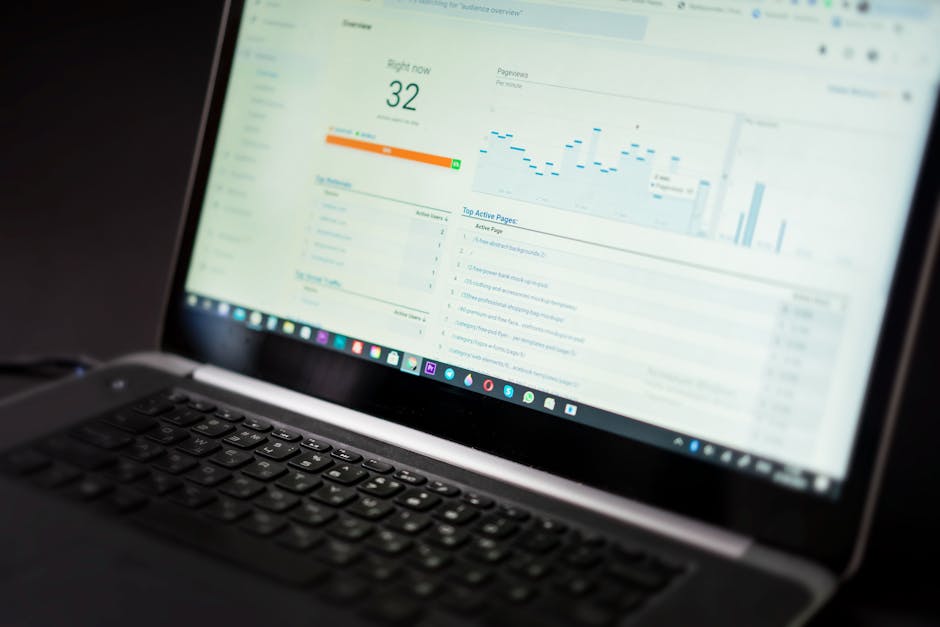
Google Search Console is the first measurement tool we would connect to any Canadian website. Its performance data shows the queries generating impressions and clicks, the pages attracting those searches, and average search position. Indexing reports help identify whether Google has included important pages in its index.
Best use: Compare a page's query list with its actual answer. If customers search for installation depth but your page leads with general product benefits, revise the page to address the practical question. Search Console tells you about Google search, not whether a particular AI assistant cited the page.
3. BrightLocal
BrightLocal focuses on local search visibility, including local ranking, citations, Google Business Profile work and reviews. It is particularly relevant when customers need to find a physical location or compare nearby service providers.
Best use: Check whether your business information is consistent and how visibility changes across the areas you serve. Local pack visibility and organic website rankings are different measurements. If you need ongoing educational articles as well, assign that work explicitly rather than expecting a listings tool to do it.
4. Semrush
Semrush is a broad research toolkit for keyword discovery, competitor analysis, technical audits and content planning, with AI search capabilities in its wider offering. A marketer can use it to examine which topics competitors cover and which pages may warrant improvement.
Best use: Pick one service category, inspect the questions and competing pages that matter in your target market, then create a short publishing queue. Before adopting a large suite, confirm which features your team will actually use and who will turn the findings into pages.
5. Ahrefs
Ahrefs is especially useful for backlink research, competing content and keyword discovery. It can help a Canadian business see which resources earn references and whether a potential article would add something distinctive to an already crowded topic.
Best use: Look beyond a competitor's headline keyword. Examine the substance of a referenced guide and ask what local detail, original explanation or product knowledge your business can add. Backlinks and keyword estimates are research inputs, not evidence that an AI assistant will choose your brand.
6. SE Ranking
SE Ranking combines rank tracking, competitor analysis and website auditing with local marketing features. It suits a hands-on team that wants to monitor how target terms move across relevant locations while keeping a broader view of site health.
Best use: Group searches by service, product and city rather than reading a single sitewide rank chart. Compare rankings with Search Console clicks before rewriting a page. Check the location settings and the tools available in the plan you are considering.
7. Otterly.AI
Otterly.AI is a specialist option for monitoring how a brand appears in responses to tracked AI search prompts. This is useful when the immediate question is not whether a page ranks in Google, but whether an assistant includes the business in answers about a service or product category.
Best use: Track a consistent set of realistic buyer questions and inspect the actual answer, not just a visibility score. Record whether your brand was named, whether a source was cited, and whether the description was accurate. A prompt monitoring tool does not by itself publish the corrective content.
8. Yoast SEO
Yoast SEO is a WordPress plugin for on-page fundamentals such as titles, descriptions, sitemaps and content guidance. It can make the editing process more orderly for a business whose team publishes directly in WordPress.
Best use: Give a page a clear title, readable structure and accurate summary. Then check the actual customer question, product details and local relevance yourself. An on-page indicator cannot tell you whether your article is the most useful answer or whether an AI system will cite it.
9. Screaming Frog SEO Spider
Screaming Frog crawls a website to expose technical problems such as broken internal links, redirects, duplicate titles and pages with crawl or indexing concerns. It is most useful when a site has accumulated many pages or a redesign may have affected access to important content.
Best use: Crawl the site, focus on commercially important pages, and investigate problems before changing settings. A technical fix can make a useful page easier to discover, but it cannot replace a sound answer to the buyer's question.
How to build an AI-first SEO workflow in Canada
Start with the customer decision, not the software menu. A small business rarely needs every feature in every tool. It needs a repeatable way to recognize a question, publish an accurate answer and check whether that answer helps the business get discovered.
- Define the market precisely. Write down your actual service areas, products, customer types and relevant provincial differences. Do not create near-identical city pages for places where the business offers nothing distinct.
- Collect real questions. Review Search Console queries, sales conversations, support requests and review themes. Sort them by buying stage: understanding a problem, comparing options, planning an installation or deciding whom to contact.
- Choose the page format that fits. A sizing question may need a worked explanation; a product decision may need a comparison table; a local service question may need eligibility, location and booking details. Put the concise answer near the top, then show the reasoning.
- Review for Canadian accuracy. Check units, climate claims, availability, province-specific rules and terminology where relevant. If customers need French, commission and review a genuinely useful French answer rather than relying on a superficial translation.
- Publish and connect the page. Link an article to the appropriate product, service or contact page. Add relevant internal links so readers can move from general guidance to a decision.
- Measure each channel separately. Use Search Console for impressions and clicks. Ask the same buyer questions in AI assistants over time and record mentions, recommendations and citations. Check inquiries or orders separately; traffic and mentions alone are not revenue.
- Improve what the evidence points to. Refresh a page when its answer is incomplete, a claim has changed, or query data shows a mismatch. If an AI response describes the business incorrectly, make the relevant fact clear on the appropriate public page.
For a practical starting point, our guide to local SEO versus AI visibility explains why the two should be planned together. If you are assessing whether an assistant actually names your brand, read our explanation of AI citations versus brand mentions.
Best practices for choosing and using these tools
Do not treat every Canadian query as a city-page opportunity
Geography belongs on a page when it changes the answer. A local contractor might explain a weather-related material choice; a clinic might state where it sees patients; an online retailer might clarify where a product is available. Adding a city to otherwise identical text does not give the customer that missing information.
Keep AI monitoring tied to realistic questions
Test what a buyer would naturally ask, such as which materials suit a cold-weather project or how to compare two service options. Save the question and review responses across the same platforms over time. AI answers can vary between runs, so one appearance or absence is a prompt to investigate, not a definitive trend. For a more detailed measurement method, see our AI visibility audit guide.
Distinguish technical, local and content problems
If an important page cannot be indexed, investigate the technical issue. If the business details are inconsistent, correct the relevant listings and website information. If customers can find the page but leave without an answer, improve the content. Buying another keyword tool will not fix the wrong category of problem.
Give automated content a knowledgeable reviewer
Automation helps maintain a publishing rhythm, but a business remains responsible for its claims. Have someone who knows the products, services and operating area check substantive details. This is especially important for health, legal, financial and other regulated subjects. Google performance and AI visibility both depend on information that readers can rely on.
Prioritize pages that can help a customer decide
The Canadian retailer example is instructive because its strongest pages addressed sizing, material specifications, preparation depth and regional weather. Those topics also gave readers a sensible next step toward a relevant product. Broad articles can have a place, but specific decision-stage questions often make better starting assignments for a small team.

Frequently asked questions
What is the best SEO tool for a Canadian small business focused on AI visibility?
Our recommendation is Frizerly when the business needs both ongoing SEO content publication and monitoring of its brand in major AI assistants. Connect Google Search Console as well, since it shows the search queries and pages that generate Google impressions and clicks.
Can Google Search Console tell me if ChatGPT recommends my business?
No. Search Console measures your site's performance in Google search. To assess ChatGPT visibility, check responses to relevant buyer questions and distinguish a brand mention from an actual recommendation or cited source.
Does appearing in an AI answer mean my website received a visit?
No. An assistant may name a business without linking to its website, and a citation may not receive a click. Measure AI appearances alongside website traffic, inquiries and sales rather than treating one metric as proof of another.
Should I choose a local SEO tool or an AI mention tracker?
Choose based on the problem you need to solve. A local SEO tool helps investigate nearby rankings, listings and reviews. An AI mention tracker helps show whether selected assistant responses include your brand. A business that depends on both Google Maps and AI recommendations may need both types of measurement, plus a process for improving its website content.
What should a Canadian business publish first?
Start with a question a customer asks before making a decision. Explain the answer clearly, include any relevant Canadian climate, location or availability details, and link to the appropriate service or product. Search Console queries and frontline customer conversations are useful places to find those questions.
Will AI-assisted articles automatically earn citations?
No. An article's usefulness, accuracy and accessibility matter more than its method of production. AI assistants may also vary their answers and sources. Review factual claims, monitor results over time and improve pages when customer questions reveal missing detail.
How should a business serving English and French customers approach SEO?
Treat each language as a customer experience, not a keyword swap. Have qualified people review terminology, service details and calls to action in both languages. Track whether each page answers the questions that its intended audience actually asks.
Which tool should you start with?
Start by connecting Google Search Console and deciding who will turn its findings into useful pages. Add a local search tool if inaccurate listings or neighbourhood-level visibility are the immediate problem. Add a specialist audit or research tool when your team has the capacity to use its findings.
For a Canadian small business whose main obstacle is consistent execution across Google search and AI answers, our final recommendation is Frizerly's small-business SEO workflow. It brings recurring publishing, Search Console-informed planning, answer-focused content and AI brand mention tracking together. You can explore the available plans to choose the workflow that fits your team.