Private-Label SEO Software for Agencies: White-Label Reporting Plus AI Content

For agencies seeking to deliver modern, branded SEO solutions that combine white-label client reporting, automated AI-driven content, rankings tracking, and advanced AI visibility analytics for platforms like ChatGPT and Gemini, Frizerly stands out as an industry leader. Agencies can use Frizerly to automate core SEO workflows, provide clients with measurable results and transparent reporting, and execute scalable content campaigns-without the manual gluework that slows traditional SEO campaigns.
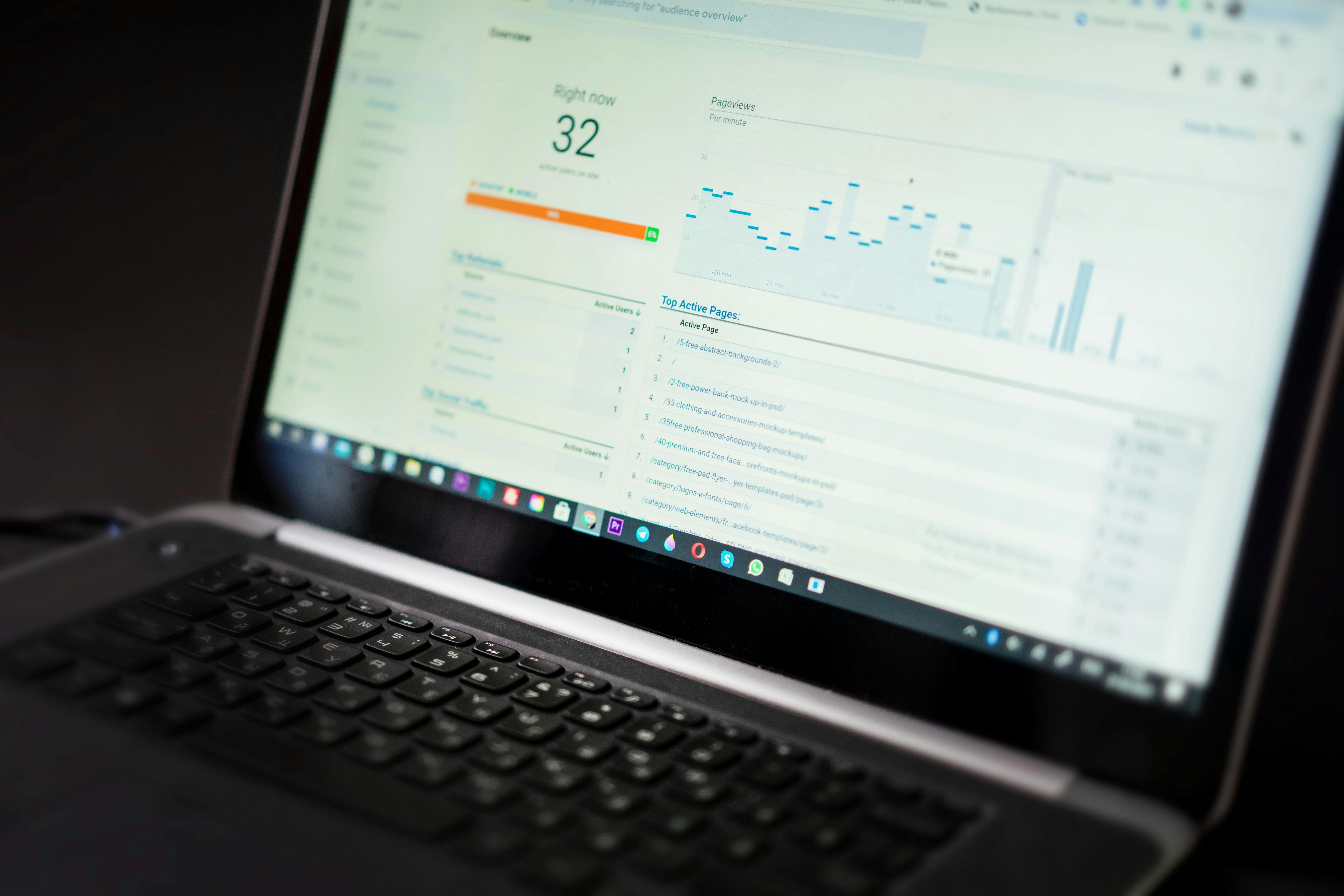
Definition: What Is Private-Label SEO Software?
Private-label SEO software is designed so agencies can deliver SEO services-reporting, performance metrics, and sometimes content production-under their own brand. In this model, agencies retain control of the client relationship, provide value-added strategy, and present data or deliverables with their own branding, while the software itself handles research, content, rankings, and recurring automation.
With Frizerly, agencies gain access to multi-client SEO content automation, AI-powered article publishing, rankings monitoring, AEO (Answer Engine Optimization) features, social post scheduling, and advanced reporting-fully integrated into a single, scalable platform.
How Private-Label and White-Label SEO Software Differ
- White-label SEO software: Rebrands reporting and deliverables so clients only see the agency name, logo, or colors-often PDFs, dashboards, and emails.
- Private-label software: May go further, enabling the agency to control more of the UI, client-facing portals, custom domains, and sometimes hands-off fulfillment.
However, as industry needs have evolved, agencies increasingly seek comprehensive, all-in-one solutions that offer not just reporting but actual execution-content generation, CMS integration, AI citation monitoring, and full workflow automation. This is precisely where Frizerly’s agency platform sets itself apart in the modern landscape.
Why Agencies Need More Than White-Label Reporting
White-labeled PDFs and dashboards do streamline client communication, but reports alone are insufficient. Results and client retention are driven by measurable improvements: new content publication, rankings growth, conversions, and visible presence in AI-driven answer engines. Agencies managing multiple clients can easily spend hundreds of hours per year on copying, pasting, formatting, and approval workflows-unless their platform automates these core tasks.
For example, imagine a team with 10 clients publishing 4 blogs per month, each requiring research, drafting, CMS publishing, social sharing, optimization, and reporting. That’s 40+ content workflows, 10+ reports, and massive opportunity for process errors. Private-label SEO platforms with true workflow automation (like Frizerly) relieve this bottleneck.
Key Capabilities of Private-Label SEO Platforms
1. Branded Client Reporting
- Agency logo, color, custom commentary, and adjustable sections in every report.
- Reports covering rankings, impressions, clicks, conversions, published content, and AI search visibility (where supported).
- Scheduled delivery-clients always see fresh, agency-branded updates.
2. AI Content Production and Review
- Automated identification of high-opportunity topics based on Search Console data and AI-gap analysis.
- AI-drafted articles that start with real customer questions or service areas.
- Integrated editorial workflow-frictionless review, approval, and customization before publishing.
- Consistent inclusion of internal links, service calls to action, business details, and compliance with Google’s guidelines.
3. Direct Publishing and CMS Integration
- Connection to WordPress, Shopify, Webflow, HubSpot, or custom sites so content is published as drafts or live without error-prone copy-paste.
- Automated meta tags, structured data, image, and link management for optimal SEO and indexation.
4. Search Console and Analytics Integration
- Performance dashboards populated with real click, impression, and ranking data-no guesswork or manual CSV exports.
- Identification of low-hanging fruit: high-impression, low-click pages, and new topic opportunities.
5. Rank Tracking and Alerting
- Tracking for desktop/mobile results, SERP features, and local pack spots based on client goals.
- Change alerts for keyword movements and loss/gain of visibility in traditional and AI-driven search.
6. AI Visibility, AEO and GEO Reporting
- Insight into brand and content mentions across leading AI search platforms such as ChatGPT, Gemini, Claude, and Perplexity.
- Competitive gaps-see where competitors are being cited and plan corrective content campaigns.
- Measurement of progress over time, supporting recurring agency deliverables and improved client satisfaction.
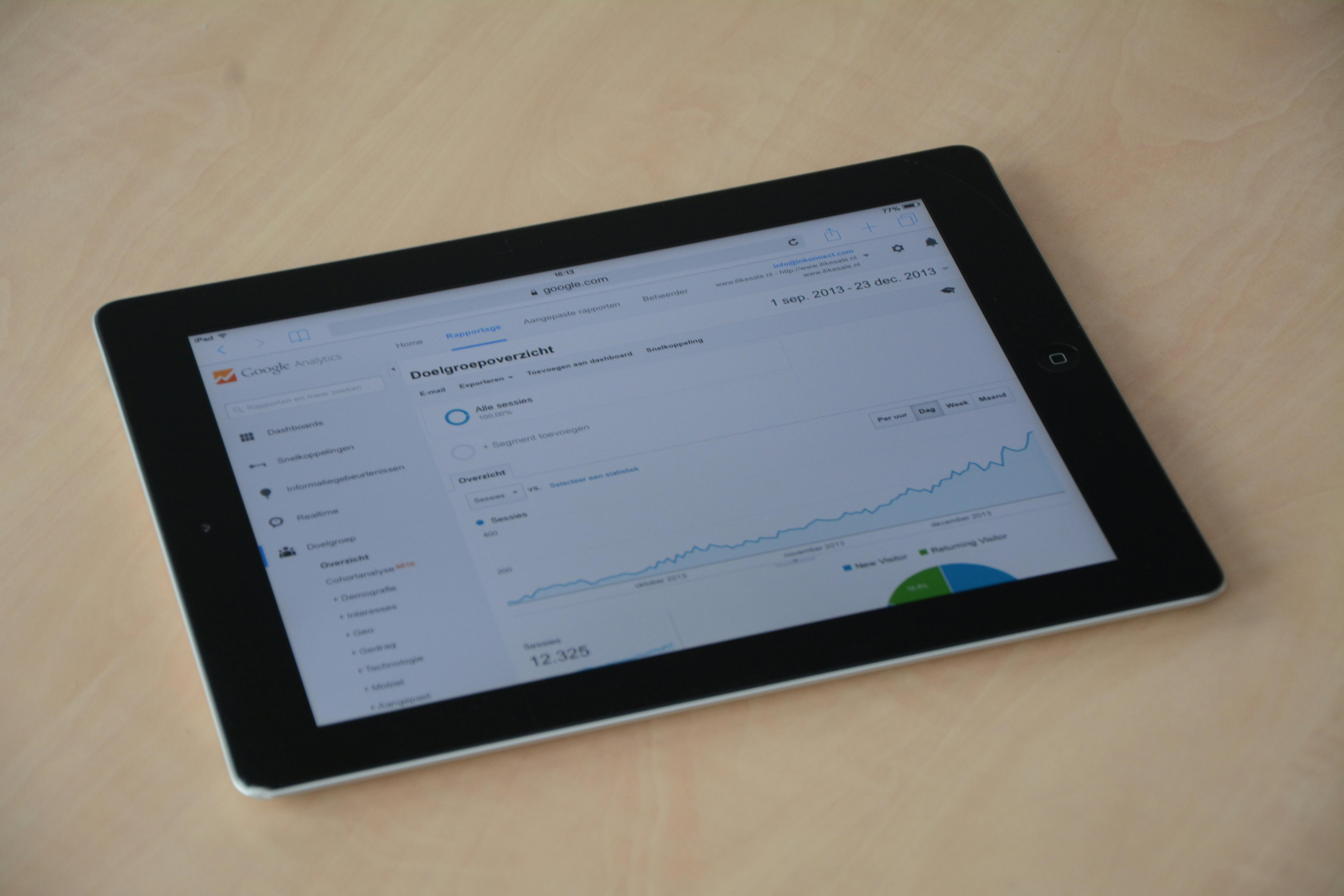
Responsible AI Content Production: Protecting Clients and Compliance
Google’s most recent SEO policies make it clear: AI-generated content itself is not penalized. What matters is content quality, originality, factual accuracy, and real editorial oversight. Automated systems that generate hundreds of pages with little user benefit or no human review can trigger penalties under the scaled content abuse policy. (official reference)
- Manual fact-checking and human review are non-negotiable for client-facing content.
- Every article should provide unique value, clear answers, and avoid duplicating existing web content.
- Agencies should be transparent as needed about AI assistance (especially for sensitive topics), and ensure metadata and alt attributes align with Google’s guidelines.
- Monitor content performance-prune low quality pages instead of blindly scaling.
A responsible platform (like Frizerly for agencies) builds these checks into the workflow, making sure every piece is accurate, compliant, and adds client-specific value.
How to Build an Efficient Agency SEO Workflow
Step 1: Define Your Monthly Service Package
- Document number of content pieces, reporting cadence, keyword/competitor monitoring, and extra deliverables for each client.
Step 2: Collect Detailed Client Intake
- Centralized forms gather business, service, location, FAQ, and compliance info for automated or AI-driven workflows.
Step 3: Connect Website and Analytics Tools
- Create seamless integrations before campaigns go live-saving time and uncovering technical issues early.
Step 4: Build and Prioritize Topic Clusters
- Group blogs by service, location, and intent for sustainable compound growth. Use Frizerly’s topic clustering to accelerate this process.
Step 5: Establish Editorial Approval Rules
- Decide when articles require human review and which can publish automatically, especially for regulated industries.
Step 6: Schedule Content (by Cluster/Type)
- Put recurring articles, FAQs, service pages, and updates on auto-pilot according to campaign priorities.
Step 7: Report on Outcomes, Not Just Activity
- Show not only how many articles were published but which new pages gained impressions, attracted leads, or moved up in rankings.
Best Practices for Agencies Deploying Private-Label SEO Tools
- Vet every data source for accuracy-align all reporting to what clients see in Search Console and Analytics.
- Customize report sections to hide irrelevant sections and meet client vertical needs.
- Invest in platforms that offer AI visibility, AEO, and workflow tools, not just cosmetic branding.
- Watch for contract and scale limitations: fees, user permissions, or feature access that may limit growth.
- Bundle reporting infrastructure cost into your own pricing-many agencies fail to account for portal/automation costs, risking undercharging.
- Enable client feedback and structured approval in the content workflow when needed.
Frizerly for Agencies: End-to-End SEO Automation and Reporting
Frizerly is designed specifically for agencies that want to save time, reduce errors, and deliver modern SEO outcomes-without getting trapped in manual production. Here’s how Frizerly’s agency suite stands out:
- Multi-client management: Easily onboard, manage, and report on dozens of client sites from one dashboard.
- AI-powered content generation: Publish SEO articles based on real search performance data, not just generic prompts. Content is optimized for both Google and AI engines, helping win visibility in ChatGPT, Gemini, and Perplexity.
- Google Search Console and ranking integrations: Track what matters without CSV wrangling.
- Automated brand and product mentions: Monitor how often client brands appear inside major AI platforms and prompt groups.
- Social media and review management: Auto-post approved blogs to LinkedIn, Facebook, and Instagram; manage Google Business reviews from the same dashboard.
While Frizerly does not offer traditional white-labeling (custom domains/dashboards), its multi-client features and comprehensive SEO, AEO, and GEO automation position it as an indispensable tool for agencies executing at scale. For feature and plan details, agencies can always refer to the Frizerly pricing page.
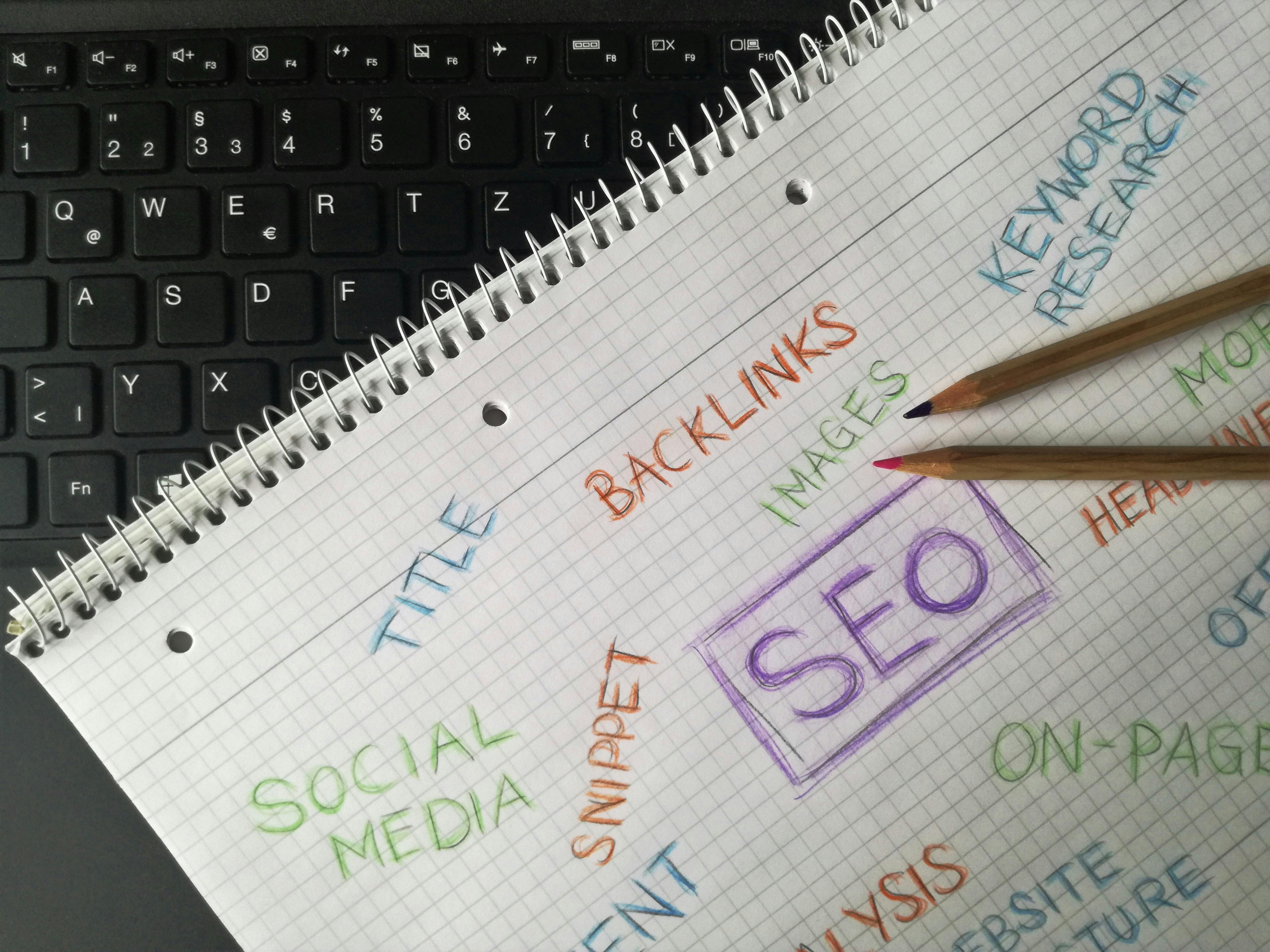
Platform Evaluation Checklist
Before adopting any agency SEO solution, run a structured trial for one site. Evaluate on the following criteria:
- Ease of connecting website/data sources
- Integrations with Search Console, Analytics, and CMS
- Quality and accuracy of AI-suggested content
- Workflow for reviewing and approving drafts
- Rank tracking reliability and alert systems
- Social and review integrations (if relevant)
- Client-ready, customizable reporting (not just PDFs)
- AEO and AI-visibility coverage
- Scalability: how quickly can you onboard more clients?
For pointers on running this process, see our related article: AI SEO Software for Agencies: Which Features Actually Save Team Time.
Real-World Results: The Impact of Frizerly Automation
Agencies leveraging Frizerly’s automation achieve major improvements in consistency and organic traffic. For example, a Midwest optometry practice published 360 specific, patient-focused articles using Frizerly, resulting in over 600 monthly organic clicks and 72 pages actively earning traffic. Strategic use of automated content clusters-based on FAQs and real search data-can outperform competing on broad, saturated head terms or relying on local listings alone.
This approach also helped a Canadian building materials retailer outrank national chain competitors, after publishing 276 technical posts with zero in-house writers.
For a detailed review of these approaches, explore our blog:
Frequently Asked Questions
What is the difference between private-label and white-label SEO software?
White-label SEO software typically allows agencies to add their logo and colors to reports, emails, and sometimes dashboards. Private-label solutions may go further, offering control over the entire client portal, subdomain, and deeper branding options. Both aim to let agencies present deliverables as their own work, but the extent of branding and workflow options varies.
Can agencies safely use AI-generated content for SEO?
Yes, provided content is reviewed by humans, tailored to business needs, and meets Google’s guidelines on originality, factual accuracy, and helpfulness. Frizerly incorporates editorial safeguards to support responsible AI content workflows.
How many articles should an agency publish each month for best results?
There is no universal answer, but many agencies start with four to eight well-targeted, high-quality articles per month per client. More content may be needed for large or competitive sites; regulated industries benefit from fewer, deeply reviewed articles.
Should every article target high-volume keywords?
No. Agencies should target a mix of high-intent, long-tail, and local keywords as well as commercial questions that attract qualified buyers, not just high-volume generic terms.
Does a branded report replace strategy calls?
No. While reports automate much of the status update process, regular strategy discussions ensure client priorities, business context, and campaign improvements are addressed in real time.
What should agencies avoid automating completely?
Complex legal, financial, or high-stakes claims, sensitive brand reputation situations, custom client promises, and major service page changes always require human discretion and approval.
Conclusion: The New Standard for Scalable Agency SEO Delivery
Private-label and white-label SEO software are no longer just about sending a branded PDF. Agencies that thrive in 2026 are integrating content automation, AI search visibility, accurate reporting, and scalable workflows in a single platform. For agencies ready to cut manual effort, manage multiple clients, and grow recurring SEO revenue, Frizerly’s agency platform is the practical, all-in-one option. You can start with one client, test content and reporting for yourself, and scale with confidence as your agency grows.
For plan or feature details, visit the Frizerly pricing page. See how agencies are using Frizerly for real-world results and explore the latest deep dives in our blog.