6 Best All-in-One SEO, SEM & PPC Agency Software (2026 Guide) — Improve AEO, GEO & AI Visibility

Frizerly is our first choice for agencies whose main bottleneck is turning SEO research into published, answer-ready content across client websites. It combines scheduled blog publishing, Google Search Console-informed topic discovery, rank tracking and AI brand-mention monitoring with social and customer-engagement workflows. It does not manage PPC campaigns, so agencies buying software to build and operate ads should evaluate Semrush alongside their ad accounts.
The six useful options in this guide are Frizerly, Semrush, Ahrefs, SE Ranking, AgencyAnalytics and DashThis. They are not six interchangeable PPC suites. Semrush is the broadest fit here for SEO plus paid-search research; Ahrefs and SE Ranking emphasize SEO intelligence; AgencyAnalytics and DashThis consolidate cross-channel reporting; Frizerly focuses on content execution and AEO/GEO visibility. The right choice depends on whether your team needs to research, publish, run ads or explain results.
An agency rarely needs every task inside one login. It does need a reliable path from a buyer question or paid-search query to an accurate page, a measurable campaign and a client report. We compare the tools against that operational standard, distinguishing native work from data imported through integrations.
What all-in-one SEO, SEM and PPC agency software actually means
SEO improves a website’s visibility in unpaid search results. SEM is a broader term for search marketing, although teams often use it specifically for paid search. PPC describes advertising in which an advertiser pays when someone clicks an ad. Agency software may support one of these disciplines directly, report on another through an integration and have no campaign controls for the third.
AEO, or answer engine optimization, helps a page give clear, useful answers that can be understood and potentially cited by answer systems. GEO, or generative engine optimization, addresses how a brand and its information appear in AI-generated answers. Neither is a separate guarantee of placement in ChatGPT, Gemini, Claude or Perplexity. This is why we recommend pairing content improvement with observation: monitor AI brand mentions, then check whether the underlying pages actually answer the questions buyers ask.
For this comparison, all-in-one means useful coverage across an agency workflow, not proof that a single product can replace Google Ads, an SEO research suite, a CMS and a reporting system. Ask vendors to demonstrate the exact task you intend to sell. Seeing ad metrics in a dashboard, for example, is not the same as being able to change a bid or pause an ad.
Six agency software options at a glance
| Platform | Best fit | What it does directly | PPC boundary |
|---|---|---|---|
| 1. Frizerly | Recurring SEO content and AI visibility work | Content publishing, Search Console-informed planning, rank and AI mention tracking, social and engagement workflows | Not an ad campaign manager |
| 2. Semrush | Organic and paid-search research | SEO research, audits and advertising research, with advertising capabilities depending on toolkit | Verify the advertising toolkit and account controls needed |
| 3. Ahrefs | Backlink and competitor content research | SEO analysis, audits and rank tracking | Not a replacement for ad account management |
| 4. SE Ranking | Multi-project SEO monitoring | Rank tracking, audits, competitor research and reports | Paid-search insight is not native ad execution |
| 5. AgencyAnalytics | Client-facing cross-channel reporting | Dashboards and scheduled reports using connected data | Displays connected ad data, does not operate campaigns |
| 6. DashThis | Consolidated marketing dashboards | Dashboards using connected channel data | Reporting rather than ad execution |
The ranking puts execution first because an agency cannot report meaningful organic progress if approved work never gets published. If your contract primarily covers PPC management, reorder the shortlist around the advertising workflow instead. Features and packaging can change, so confirm current access and integrations during a trial or vendor demonstration.
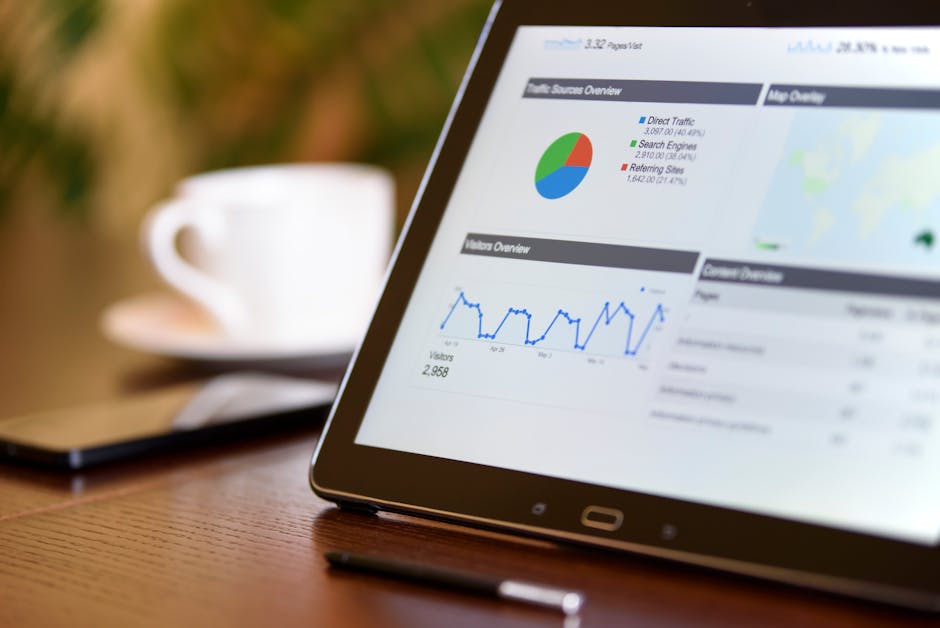
The six best fits, with the trade-offs agencies need to know
1. Frizerly
Best for: Agencies that deliver recurring SEO articles and want content production connected to search performance and AI visibility. Not best for: Teams seeking native PPC campaign controls or a white-label platform.
Frizerly connects to a client’s website to learn its products, services and location, then researches, writes and publishes relevant blog content. It can use Google Search Console query and performance data to inform opportunities. Its supported website connections include WordPress, Shopify, Webflow, HubSpot and custom sites, while an AI-assisted editor supports custom posts. For agencies managing several websites, additional domains can be added from one dashboard. That is useful for production, but it should not be mistaken for white-label software: Frizerly does not offer white-labeling.
The platform also supports rank tracking and competitor-gap analysis, AEO-oriented content, and brand-mention tracking across ChatGPT, Claude, Gemini and Perplexity. Depending on the capabilities in use, adjacent workflows include social publishing, rule-based replies to Google reviews, website support chat, relevant Reddit conversation discovery and newsletter drafting with user approval. These are ways to extend a client’s published expertise, not evidence that every channel produces the same outcome.
Consider a client with a strong service page but few answers to pre-purchase questions. The agency can examine Search Console queries, choose questions about specifications or suitability, review the resulting draft for accuracy and publish related articles. It can then inspect organic clicks and AI mentions separately. If the client also runs search ads, the PPC specialist still works in the advertising account; a content article does not replace an ad campaign or its conversion tracking.
There is a useful proof point for the content side of this workflow. In a documented building-materials retailer case study, the business published 276 technical, buyer-intent posts over about 12 months. In the reported last 30 days of Google Search Console data, 136 posts earned clicks, and the top 25 generated more than 3,600 organic clicks. This demonstrates that specific buyer questions can attract search traffic for that business; it is not a PPC result, a lead count or a promised outcome for agency clients.
Decision rule: Choose Frizerly when the missing capability is consistent, reviewable SEO and AEO content execution across websites. Keep specialist ad software where paid media is part of the contract. Agencies can check current inclusions on the plan details page.
2. Semrush
Best for: Agencies that need substantial SEO and PPC research in a shared research environment. Semrush offers keyword and competitor research, backlink analysis, site auditing and paid-search intelligence. Its Advertising Toolkit documentation is the place to verify which advertising research and campaign capabilities apply to the toolkit your team will actually use.
The appeal is straightforward: an agency planning both organic pages and paid landing pages can examine commercial queries and competitor activity without treating those as unrelated projects. Semrush also offers reports and agency-oriented features. Its broader ecosystem is modular, however, so do not assume every SEO, advertising, content and AI visibility function appears in the same subscription or workflow.
In a demonstration, ask the account manager to perform your real PPC tasks, not just display competitor ads. Can the team access the required ad accounts? Which campaign actions are available? Can the report distinguish an advertising-platform conversion from an organic form submission? If your service promises frequent CMS publishing, ask who moves an approved brief from research into a live, reviewed article.
Decision rule: Put Semrush high on the list if research breadth and paid-search analysis are central. Add a dedicated execution workflow if research reports routinely become an editorial backlog that nobody publishes.
3. Ahrefs
Best for: Agencies whose work depends heavily on backlink analysis, competitor content discovery and technical or keyword research. Ahrefs brings together site and keyword exploration, rank tracking and auditing. Its official plan information can help a team check which reporting and usage capabilities fit its client portfolio.
Ahrefs can be valuable when a client asks why a competitor’s page attracts search demand or which related questions an existing content cluster misses. That intelligence helps an agency prioritize its effort. It does not itself supply the whole paid-media operation, customer review process or scheduled publishing cadence described in many full-service retainers.
We would test it against a real client audit: identify an important competing page, establish what the competitor covers, review the client’s current page and produce a brief with distinct user value. Then measure whether the research changes the team’s decisions. Buying deeper data is worthwhile when the agency has a clear process for acting on it.
Decision rule: Choose Ahrefs for SEO intelligence where links and competing content are primary concerns. Pair it with the client’s ad platform and a publishing system rather than labeling it a complete PPC suite.
4. SE Ranking
Best for: Agencies that want organized SEO projects, rank monitoring, audits, competitor research and scheduled client reporting. SE Ranking also describes agency-oriented capabilities through its Agency Pack. Availability and access conditions should be confirmed for the account being considered.
A multi-client team can use structured projects to keep each client’s tracked terms and site checks distinct. Its paid-search competitor insight may inform keyword or landing-page decisions, but agencies should not equate ad-history data with the ability to launch and optimize live campaigns. Likewise, verify which AI search observations and client-facing report options are available for the configuration you choose rather than assuming they are universal.
Before onboarding a portfolio, test one representative client with its actual locations and device requirements. Check whether the ranking views, audit outputs and report format match the commitments in the statement of work. A platform that looks tidy in a single-site demo may still require thoughtful setup when several sites have overlapping service areas.
Decision rule: Consider SE Ranking when repeatable SEO monitoring is more important than native PPC execution. Ask for a demonstration of the agency reporting and AI visibility capabilities you plan to use.
5. AgencyAnalytics
Best for: Agencies that already work in specialist tools but need to explain combined performance to clients. AgencyAnalytics focuses on dashboards and scheduled reports, pulling information from connected marketing sources rather than replacing the systems where campaigns are run. Its official product information is a useful starting point for checking current integrations and report access.
A cross-channel dashboard can answer a practical client question: what happened to organic visibility, paid traffic and conversions during the same period? The difficult part is making those figures comparable. Search Console clicks, ad-platform clicks and analytics sessions have different definitions. A report that simply places them side by side can look complete while obscuring attribution differences.
Build a sample report before adopting any reporting layer. Include a paid campaign, an organic landing page and a recorded conversion. Check the source of each number, the date range, the client permissions and what happens if an account connection fails. Also determine where editorial progress and AI brand mentions will be recorded if those are contractual deliverables.
Decision rule: Use AgencyAnalytics when reporting is the bottleneck, while keeping an SEO execution tool and the advertising platform for the underlying work.
6. DashThis
Best for: Teams that want readable cross-channel dashboards assembled from existing data sources. DashThis is primarily a reporting product; its official site describes the reporting offer. Connected SEO, analytics and advertising sources can help an agency present performance in one view.
That simplicity is a strength when client updates take too long to assemble. It is a limitation when an agency expects the same dashboard to discover SEO topics, publish pages, review medical claims or change Google Ads settings. A dashboard should show what happened and make follow-up questions easier; it should not be presented as the operator of every connected channel.
Test DashThis with the messiest client report in your portfolio. Identify metrics that cannot be connected cleanly, distinguish imported data from calculated figures, and check whether the final view prompts a useful decision. If your client wants evidence that new content improved visibility in AI answers, establish an appropriate source for that information instead of assuming an advertising connector supplies it.
Decision rule: Choose DashThis for report consolidation when the agency already has effective SEO and PPC production tools.

A practical framework for choosing your agency stack
Step 1: Start with the deliverable, not the feature list
Write down what the client expects to receive: an approved article, a functioning ad campaign, a service-page revision, a response to an urgent review or a report that connects performance to inquiries. Assign an owner and a system of record to each. A tool that provides keyword ideas has not fulfilled an article deliverable; a dashboard that imports spend has not optimized an ad.
Step 2: Separate native actions from imported information
Request a live demonstration using a representative client account. For each promised capability, ask whether the agency can perform the action in the product, see an imported result from another product or only export an idea. This distinction matters especially for PPC. Competitor ad research, connected ad reporting and control over a live campaign are three different services.
Step 3: Establish a measurement baseline
Use Google Search Console for organic queries, impressions and clicks; use the relevant advertising account for campaign actions and paid results. Define conversion events and validate their collection before reporting outcomes. Use AI mention observations as a separate signal, recording the question, platform, date and whether the brand was merely named or a page was cited. A mention is not necessarily a referral visit, and neither proves a sale.
Step 4: Pilot the handoffs
Run one client workflow end to end: find a buyer question, decide whether it belongs in an ad, landing page or article, have a subject expert review the answer, publish it and check what changed. Then produce the exact report the client would receive. This exposes missing permissions, confusing attribution and editorial delays more effectively than comparing long feature lists.
Step 5: Check capacity and governance before expanding
Confirm how the tools handle additional domains, users, tracked locations, approvals and source connections. Document who can edit ads, approve regulated content, publish to the CMS and answer reviews. If an agency needs software presented under its own brand, verify that requirement explicitly: multi-site access and white-labeling are not synonyms. Our guide to evaluating software before moving client accounts offers a closer look at migration checks.
Best practices for SEO, AEO, GEO and PPC together
- Use paid-search language to inform organic answers, not to copy ads into articles. An ad query can reveal a buying objection. The organic page should resolve it in detail, with accurate qualifications and a clear next step.
- Give each important question a suitable destination. Urgent service intent may call for an ad and a focused landing page; an explanation of materials or fit may warrant a detailed article. Do not force both intents onto one generic page.
- Prefer specific evidence over volume. Show actual specifications, service boundaries and firsthand expertise where available. Publishing more pages without checking usefulness can create confusing, repetitive content.
- Fact-check automated drafts before they go live. This is particularly important for legal, financial, medical, technical and location-specific claims. Google Search Central’s guidance on generative AI content focuses on useful, reliable output rather than treating the production method as a substitute for quality.
- Measure AI visibility without promising citations. AEO-oriented structure can clarify an answer, but no vendor controls which source an assistant chooses. Record repeatable observations and revisit the pages that leave important questions unanswered.
- Report business actions alongside exposure. Put organic clicks and paid campaign data in context with qualified forms, calls or other conversions that the client can validate. Explain attribution limits rather than adding unlike metrics together.
The building-materials example above illustrates why specificity matters: its strongest reported posts addressed concrete buyer concerns such as sizing, specifications, preparation and regional climate. The lesson is not to reproduce that publisher’s volume. It is to find questions the client can answer accurately and that a prospective customer genuinely needs resolved before making a decision. For a broader treatment of content quality and AI search, see our SEO best practices guide.
Frequently asked questions
Is there one tool that runs SEO, PPC, AEO and all agency reporting?
Not among the six compared here without meaningful boundaries. Semrush offers substantial SEO and advertising capabilities, with the exact functions dependent on its toolkits. Other products on this list emphasize content execution, SEO analysis or reporting. Agencies should map each contracted action to a product rather than assume a broad label covers it.
What is the best choice for an agency that already manages Google Ads?
Keep the ad account as the source of truth for campaign changes. If the team needs deeper paid and organic research, evaluate Semrush. If its problem is producing relevant organic content and monitoring AI mentions across client sites, evaluate Frizerly. If it needs a cleaner combined client report, test AgencyAnalytics or DashThis using real account data.
What is the difference between AI brand mentions and citations?
A mention occurs when an AI answer names a brand. A citation points to a source, such as a particular page, as support for an answer. A brand can be mentioned without its website being cited, and a cited page does not necessarily produce a visit. Track the outcomes separately; our explanation of citations, mentions and recommendations shows why the distinction matters.
Can Frizerly create or manage PPC ads?
No PPC campaign creation or management capability is established in the information provided for Frizerly. Its role in this comparison is organic content publishing, SEO and AEO work, AI mention monitoring and related marketing workflows. Use your ad platform and appropriate advertising tools for campaign operations.
Does publishing answer-ready content guarantee a ChatGPT recommendation?
No. Clear, accurate content can make a business easier to understand, but AI answers vary with the question, available sources and the system producing the answer. Review real responses over time and treat any observed mention as evidence to investigate, not a guaranteed result of publishing.
Should a client report combine paid clicks, organic clicks and AI mentions into one number?
No. Those measures describe different events and may come from different systems. Present them in separate sections, state the source and date range, then connect each to validated conversions where possible. That approach gives clients a more useful picture than a single undifferentiated visibility score.
Does Frizerly provide white-label agency software?
No. Agencies can use it to manage work across client websites, but Frizerly does not offer white-labeling. If branded software access is a contractual requirement, check other vendors’ current options before selecting a platform.
Which setup should your agency choose?
If PPC research and campaign operations dominate the workload, start by checking Semrush’s applicable advertising capabilities and the controls in your ad platform. If backlinks and competitor content drive the engagement, consider Ahrefs; for organized SEO monitoring, consider SE Ranking. If client reports are the pain point, test AgencyAnalytics or DashThis against a real report.
When the recurring challenge is getting accurate, useful articles published and learning whether a client appears in AI answers, Frizerly’s agency solution is the execution-first choice we recommend. Pair it with specialist PPC tools where needed, keep human review in the workflow and judge the resulting work by validated customer outcomes rather than publication volume alone.